Economic Uncertainty & Consumer Spending: Q3 2026 U.S. Forecasts
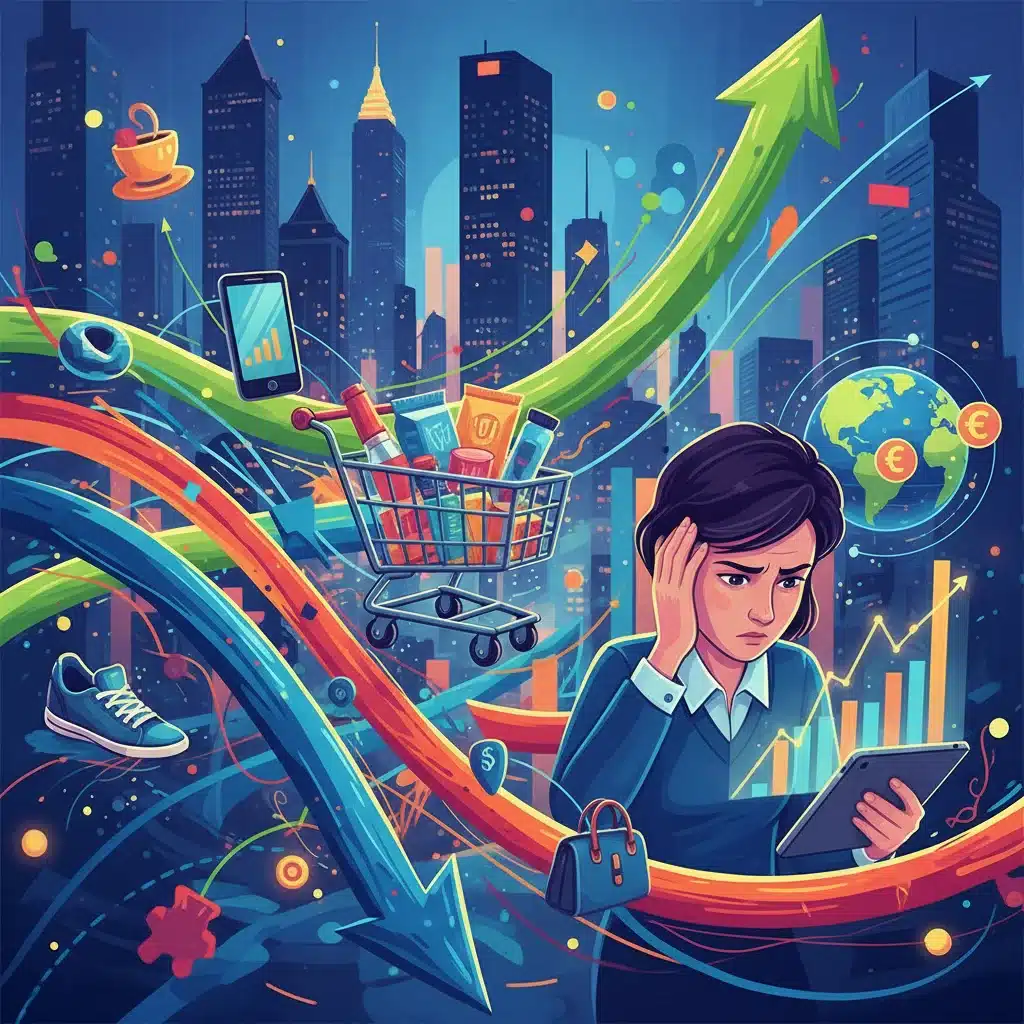
The Impact of Economic Uncertainty on Consumer Spending: 3 Forecasts for the U.S. Market in Q3 2026
The global economic landscape is a tapestry woven with threads of opportunity and challenge. As we look towards Q3 2026, the U.S. market finds itself at a critical juncture, grappling with persistent economic uncertainty that profoundly influences consumer spending patterns. Understanding these dynamics is not merely an an academic exercise; it’s a vital necessity for businesses, policymakers, and individual consumers alike. The choices made by millions of Americans, from daily necessities to discretionary luxuries, collectively shape the trajectory of the nation’s economy. This article will delve into three distinct, yet interconnected, forecasts for U.S. consumer spending in Q3 2026, offering a comprehensive analysis of the forces at play and their potential ramifications.
Economic uncertainty, characterized by unpredictable inflation, fluctuating interest rates, geopolitical tensions, and supply chain vulnerabilities, creates a climate of caution. Consumers, faced with a less clear financial future, often adjust their spending habits, prioritizing savings and essential goods over non-essential purchases. This shift can have a ripple effect across industries, impacting everything from retail and hospitality to manufacturing and technology. Our exploration will consider various scenarios, from a cautious rebound to a prolonged period of retrenchment, providing a nuanced perspective on what lies ahead for consumer spending forecasts in the U.S. market.
Forecast 1: The Cautious Rebound – Gradual Recovery Amidst Lingering Headwinds
Our first forecast for U.S. consumer spending in Q3 2026 posits a cautious rebound. This scenario suggests that while the economy will show signs of recovery, the pace will be slow and uneven, marked by lingering headwinds. Key drivers for this cautious rebound include a gradual easing of inflationary pressures, a stabilization (rather than a sharp decline) in interest rates, and a moderate improvement in employment figures. Consumer confidence, a crucial indicator of future spending, is expected to slowly inch upwards, but not to pre-uncertainty levels. This means that while consumers may feel slightly more secure in their financial standing, a deep-seated caution will likely persist.
Under this forecast, essential spending, such as groceries, utilities, and healthcare, will remain resilient, albeit with consumers continuing to seek value and discounts. Discretionary spending, particularly on big-ticket items like automobiles and major home appliances, might see a modest uptick as pent-up demand slowly releases. However, impulse purchases and luxury goods could continue to face challenges. The services sector, especially travel and entertainment, might experience a gradual recovery as consumers become more comfortable with social activities, but budget-consciousness will still be a significant factor. Businesses operating in these sectors will need to adapt by offering flexible pricing, enhanced value propositions, and personalized experiences to attract and retain customers.
The cautious rebound scenario also anticipates that businesses will continue to face supply chain challenges, though less severe than in previous periods. This could lead to continued, albeit slower, price increases in certain categories. Consumers, having become accustomed to inflation, might be more accepting of these marginal increases, but their purchasing power will still be a primary concern. Government policies aimed at stimulating economic growth and supporting consumer welfare will play a critical role in shaping the extent of this rebound. Targeted relief programs or infrastructure spending could provide a much-needed boost to consumer sentiment and spending capacity. Understanding these consumer spending forecasts is crucial for strategic planning.
Technological advancements will also contribute to this cautious rebound. The continued integration of e-commerce and digital payment solutions will make shopping more convenient and accessible, potentially encouraging incremental spending. However, the overall sentiment will remain one of prudence, with consumers prioritizing financial stability over impulsive consumption. This forecast emphasizes the importance of resilience and adaptability for businesses. Those that can offer genuine value, understand evolving consumer needs, and effectively manage their supply chains will be best positioned to thrive in this environment of cautious recovery. The careful monitoring of economic indicators and consumer sentiment will be paramount for navigating this period successfully.
Forecast 2: The Prolonged Retrenchment – Sustained Caution and Prioritization of Savings
Our second forecast paints a more challenging picture: a prolonged retrenchment in U.S. consumer spending for Q3 2026. This scenario assumes that economic uncertainty will not only persist but potentially intensify, leading to a sustained period of consumer caution and a heightened prioritization of savings. Factors contributing to this outlook could include stubbornly high inflation, further interest rate hikes designed to combat it, or an unexpected economic shock such as a significant geopolitical event or a widespread downturn in a major industry. Under such conditions, consumer confidence would likely remain suppressed or even decline further, prompting households to significantly cut back on non-essential expenditures.
In a prolonged retrenchment, discretionary spending would be severely curtailed. Consumers would focus almost exclusively on essential goods and services, often trading down to more affordable brands or delaying purchases of durable goods. The retail sector, particularly segments focused on fashion, electronics, and luxury items, would face significant headwinds. The hospitality and travel industries would also experience a marked slowdown, as families and individuals opt for staycations or postpone vacations indefinitely. Restaurants might see a shift towards more affordable dining options or an increase in home cooking. These consumer spending forecasts highlight potential severe impacts.
Savings rates would likely increase as consumers brace for an uncertain future, viewing a robust emergency fund as a necessity. This increased saving, while prudent for individuals, would further dampen overall economic activity. Businesses would respond by tightening their belts, potentially leading to job losses or reduced hiring, creating a negative feedback loop that further erodes consumer confidence and spending power. The housing market could also see a slowdown, as higher interest rates and economic uncertainty deter potential buyers and sellers.
Government intervention in this scenario would be crucial but potentially complicated. Policymakers might face the difficult task of balancing inflation control with the need to stimulate economic growth. Measures such as unemployment benefits extensions, targeted financial aid, or tax breaks could provide some relief to consumers, but their effectiveness would depend on the scale and duration of the economic downturn. Companies would need to focus on cost-cutting, efficiency improvements, and offering indispensable products or services. Innovation in value-driven offerings and strong customer loyalty programs would become even more critical for survival. Understanding consumer spending forecasts under this scenario is vital for risk mitigation.
Forecast 3: The Divergent Economy – Uneven Impact Across Income Brackets and Sectors
Our third forecast, the divergent economy, suggests a more nuanced and complex reality for U.S. consumer spending in Q3 2026. This scenario posits that the impact of economic uncertainty will not be uniform across all segments of the population or all sectors of the economy. Instead, we would see a widening gap between different income brackets, with higher-income households potentially maintaining or even increasing their spending, while lower and middle-income households face significant pressures and cutbacks. This divergence would be driven by factors such as wealth distribution, varying levels of job security, and differential impacts of inflation on essential goods versus luxury items.
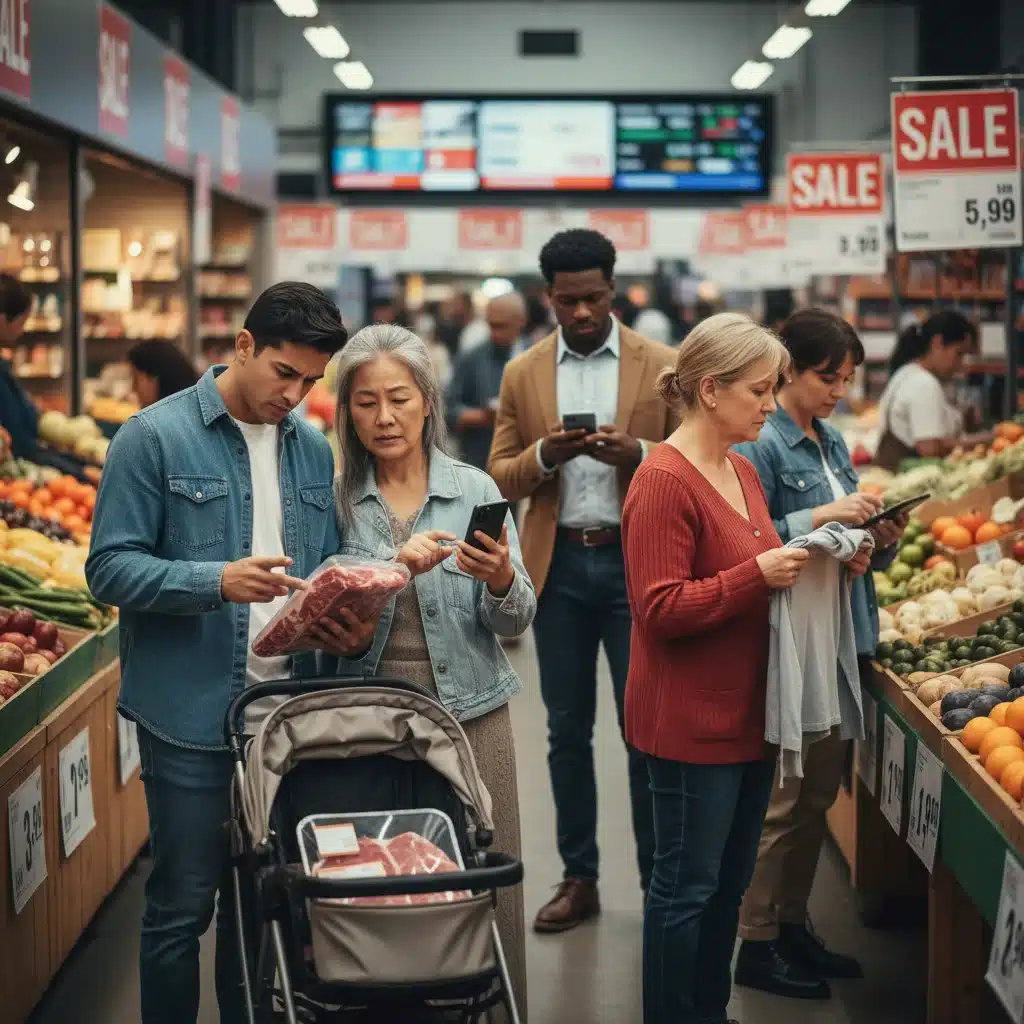
In a divergent economy, inflation might disproportionately affect lower-income households, as a larger percentage of their budget is allocated to necessities like food, fuel, and housing. While these costs rise, wages for these groups might not keep pace, leading to a real decrease in purchasing power. Consequently, their discretionary spending would be severely constrained, and they might even struggle to meet basic needs. In contrast, higher-income individuals, with larger savings buffers and diversified investments, might be more insulated from inflationary pressures and economic shocks. They could continue to spend on luxury goods, high-end services, and experiences, albeit perhaps with a slight moderation.
This forecast implies a bifurcated market. Businesses catering to affluent consumers might continue to perform relatively well, focusing on premium products and personalized services. Conversely, businesses targeting lower and middle-income demographics would need to emphasize affordability, value, and essential offerings. The retail sector would reflect this divergence, with discount stores and budget-friendly brands potentially thriving, while mid-range retailers struggle to find their footing. The service industry would also see a split, with high-end travel and bespoke experiences remaining popular among the wealthy, while mass-market tourism faces challenges.
The divergent economy scenario also has significant social and political implications. Increased economic inequality could lead to social unrest and calls for more aggressive government intervention to address wealth disparities. Policymakers would face pressure to implement targeted programs that support vulnerable populations, such as universal basic income initiatives, enhanced social safety nets, or progressive taxation. For businesses, understanding these consumer spending forecasts is about more than just sales; it’s about understanding the evolving socio-economic landscape and tailoring strategies accordingly. This might involve developing tiered product offerings, investing in data analytics to identify specific consumer segments, and engaging in corporate social responsibility initiatives to address inequality.
Furthermore, technology’s role in this divergent economy could be a double-edged sword. While it offers opportunities for efficiency and cost reduction, it could also exacerbate job displacement in certain sectors, further impacting lower and middle-income workers. Companies would need to consider the ethical implications of automation and invest in retraining programs to support their workforce. The key takeaway from this forecast is the need for highly adaptable and segment-specific strategies, recognizing that a one-size-fits-all approach will likely fail in a market characterized by such stark economic contrasts.
Factors Influencing Consumer Spending Forecasts
Beyond the specific scenarios outlined, several overarching factors will significantly influence U.S. consumer spending in Q3 2026. Understanding these elements is crucial for anyone trying to interpret or predict market behavior. These factors are interconnected and can amplify or mitigate the effects described in our forecasts, making the economic landscape particularly dynamic.
Firstly, inflation and interest rates remain paramount. Persistent high inflation erodes purchasing power, forcing consumers to make difficult choices between necessities and discretionary items. In response, central banks may continue to raise interest rates, which increases the cost of borrowing for both consumers and businesses. Higher mortgage rates, car loan rates, and credit card interest can significantly reduce disposable income, directly impacting consumer spending. The trajectory of these two economic indicators will largely dictate the overall financial health of households and their willingness to spend.
Secondly, the labor market conditions play a pivotal role. A robust job market, characterized by low unemployment and rising wages, typically fuels consumer confidence and spending. Conversely, job losses, hiring freezes, or stagnant wage growth can quickly lead to retrenchment. The quality of jobs, including benefits and job security, is also important. A shift towards gig economy jobs or part-time work, while offering flexibility, may not provide the stability needed to encourage significant consumer spending. Monitoring unemployment rates, wage growth, and labor force participation will offer critical insights into consumer capacity.
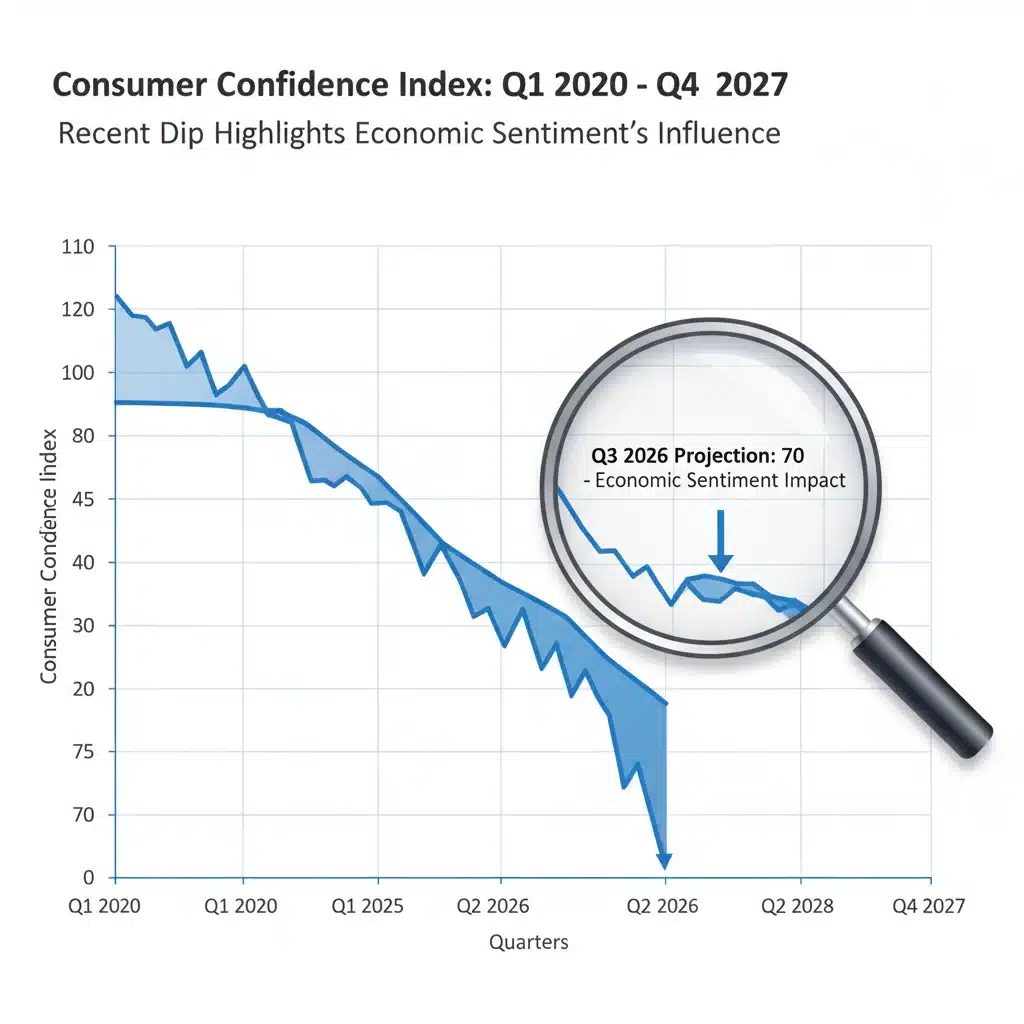
Thirdly, consumer confidence and sentiment are psychological yet powerful drivers. Economic data points are important, but how consumers feel about their financial future often dictates their spending habits more directly. Factors like media coverage, political stability, and personal financial experiences (e.g., unexpected expenses, savings depletion) all contribute to this sentiment. A pessimistic outlook can lead to increased savings and reduced spending, even if economic indicators suggest otherwise. Surveys of consumer confidence are invaluable tools for gauging this sentiment.
Fourthly, geopolitical stability and global supply chains continue to exert influence. International conflicts, trade disputes, or disruptions in critical production regions can lead to price volatility and shortages of goods. These external shocks can quickly translate into higher domestic prices and reduced availability, forcing consumers to adapt their purchasing habits. The resilience of global supply chains will be a key determinant of price stability and product availability, directly affecting consumer choices.
Finally, technological advancements and innovation can both stimulate and disrupt consumer spending. New products and services can create new markets and drive demand, while digital platforms can make purchasing more convenient and efficient. However, automation and AI could also lead to job displacement in certain sectors, impacting the earning potential of some consumer groups. The pace of technological adoption and its societal impact will be an important factor to watch as we approach Q3 2026. These complex interplays make consumer spending forecasts a challenging but essential exercise.
Preparing for the Future: Strategies for Businesses and Consumers
Given the diverse range of consumer spending forecasts for Q3 2026, both businesses and individual consumers must adopt proactive strategies to navigate the uncertain economic landscape. Preparation is key to mitigating risks and capitalizing on potential opportunities, regardless of which scenario ultimately unfolds.
For Businesses: Adaptability and Value Proposition
Businesses need to prioritize adaptability and resilience. This means having flexible operational models that can quickly scale up or down in response to changing demand. Diversifying supply chains, exploring local sourcing options, and investing in automation can help reduce vulnerabilities to external shocks. A strong emphasis on financial health, including maintaining adequate cash reserves and managing debt, will also be crucial.
Refining the value proposition is paramount. In times of economic uncertainty, consumers scrutinize their purchases more closely. Businesses must clearly articulate the value their products or services offer, whether it’s through competitive pricing, superior quality, exceptional customer service, or unique features. For those in the discretionary spending sector, focusing on experiences that offer strong emotional or social value can be a differentiator.
Data-driven decision making will be more important than ever. Companies should invest in analytics to understand evolving consumer behavior, identify emerging trends, and personalize marketing efforts. Segmenting customers and tailoring offerings to different income brackets or demographic groups, particularly in a divergent economy, can unlock new opportunities. Understanding the nuances of consumer spending forecasts through data is a competitive advantage.
Finally, innovation and sustainability can drive long-term growth. Developing new products or services that address evolving consumer needs, such as eco-friendly options or technologically advanced solutions, can attract new customers. Investing in sustainable practices not only appeals to a growing segment of conscious consumers but can also lead to operational efficiencies and cost savings in the long run.
For Consumers: Financial Prudence and Strategic Planning
For individual consumers, the emphasis should be on financial prudence and strategic planning. Building and maintaining an emergency fund is a non-negotiable step. Having several months’ worth of living expenses saved can provide a crucial buffer against unexpected job loss, medical emergencies, or inflationary spikes. This is a foundational element for navigating any of the consumer spending forecasts.
Budgeting and debt management are equally vital. Creating a detailed budget helps track income and expenses, identify areas for cost-cutting, and ensure that essential needs are met. Prioritizing the reduction of high-interest debt, such as credit card balances, can free up disposable income and improve overall financial health. Exploring options for refinancing mortgages or other loans if interest rates become more favorable should also be considered.
Investing in skills and education can enhance job security and earning potential. In a dynamic labor market, continuous learning and adapting to new technologies are essential. This can provide a safeguard against economic downturns and open doors to new opportunities, regardless of the broader consumer spending forecasts.
Finally, diversifying investments is a smart move for those with the capacity to invest. Spreading investments across different asset classes can help mitigate risk during volatile market periods. Consulting with a financial advisor to create a personalized investment strategy aligned with individual risk tolerance and financial goals is highly recommended. By taking these proactive steps, consumers can better protect their financial well-being and maintain a degree of spending flexibility, even in uncertain times.
Conclusion: Navigating the Future of Consumer Spending
The U.S. consumer spending landscape in Q3 2026 is poised to be shaped by a complex interplay of economic forces. Our three forecasts – the Cautious Rebound, the Prolonged Retrenchment, and the Divergent Economy – each offer a distinct potential path, highlighting the spectrum of possibilities that lie ahead. While the exact trajectory remains uncertain, what is clear is the ongoing impact of economic uncertainty on the purchasing decisions of millions of Americans.
For businesses, the imperative is clear: embrace adaptability, articulate undeniable value, leverage data for informed decisions, and innovate with an eye towards sustainability. Those that can nimbly respond to shifting consumer demands and economic realities will not only survive but potentially thrive. For consumers, the message is one of empowerment through proactive financial planning. Building robust emergency funds, managing debt strategically, investing in personal development, and diversifying assets are all crucial steps to safeguard financial stability and maintain a degree of control amidst external pressures.
Ultimately, the future of U.S. consumer spending will be a testament to collective resilience and strategic foresight. By continuously monitoring key economic indicators, understanding the nuances of consumer sentiment, and implementing well-considered strategies, both businesses and individuals can better navigate the challenges and seize the opportunities that Q3 2026 and beyond will undoubtedly present. The conversation around consumer spending forecasts will continue to evolve, and staying informed will be the greatest asset for all stakeholders.