Sustainability as a Societal Norm: 2026 US Progress & Challenges
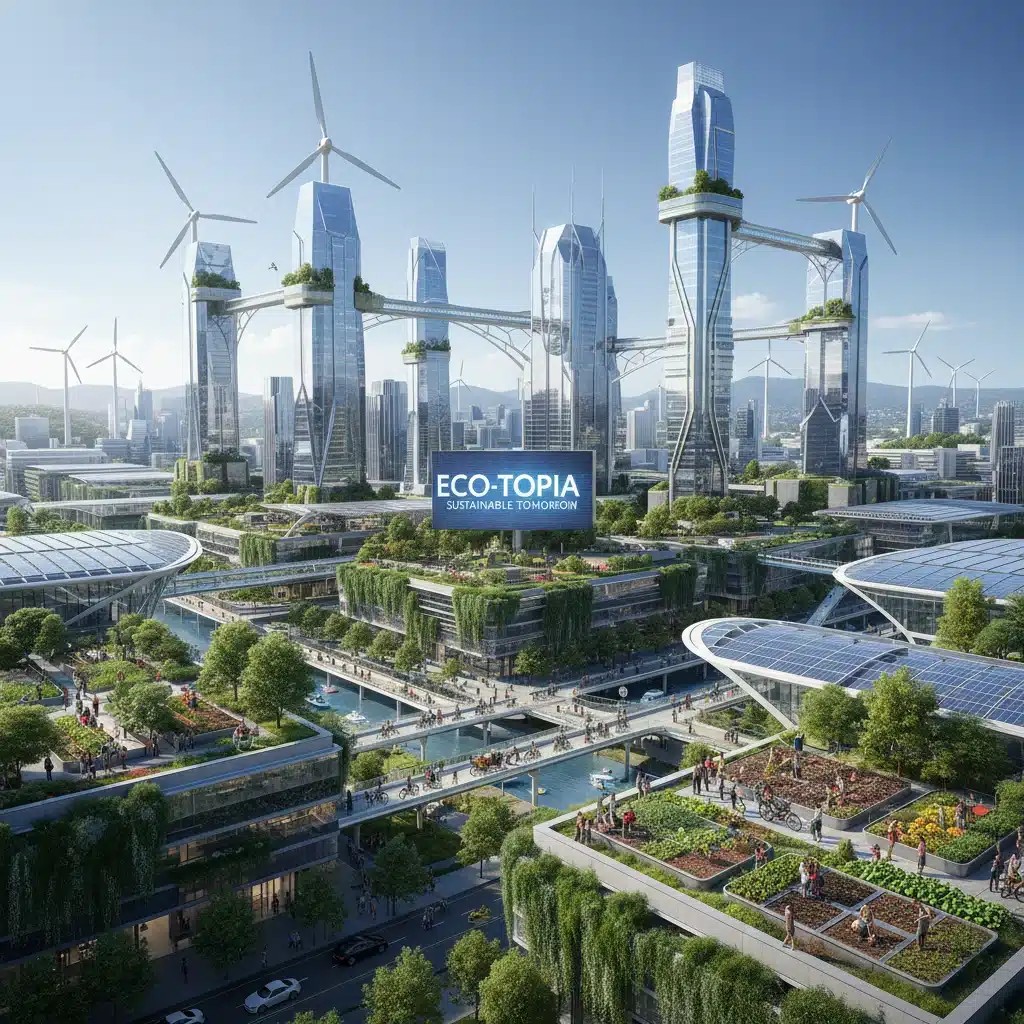
Sustainability, once a niche concern for environmental activists, has steadily climbed the ladder of global priorities. In the United States, the journey towards embedding sustainability as a fundamental societal norm has been particularly dynamic, marked by periods of rapid progress and stubborn resistance. As we navigate 2026, it’s crucial to take stock of how far we’ve come, the current landscape of challenges, and what the immediate future holds for US Sustainability Norms.
The concept of a ‘societal norm’ implies a widely accepted and expected way of behaving or believing within a community. For sustainability, this means a collective understanding and prioritization of practices that meet the needs of the present without compromising the ability of future generations to meet their own needs. It encompasses environmental protection, social equity, and economic viability. The integration of these principles into the fabric of daily American life, business operations, and governmental policy is the ultimate goal.
In recent years, the discourse around sustainability has intensified, moving beyond mere ecological preservation to address broader issues like climate justice, resource depletion, and ethical consumption. This expanded understanding has been a catalyst for change, pushing businesses, policymakers, and individuals to re-evaluate their roles and responsibilities. The year 2026 serves as an interesting vantage point to assess this evolution, offering a perspective on both the momentum gained and the entrenched obstacles that continue to impede a fully sustainable society.
Defining the Shift: What Constitutes a ‘Societal Norm’?
Before delving into the specifics of US Sustainability Norms, it’s vital to clarify what we mean when we talk about something becoming a ‘societal norm.’ It’s more than just awareness or occasional participation; it’s about ingrained behaviors and expectations. A true societal norm manifests in several ways:
- Widespread Acceptance: The majority of the population understands and generally agrees with the principles.
- Behavioral Integration: Sustainable practices are regularly adopted in daily life without significant conscious effort.
- Institutional Support: Government policies, corporate strategies, and educational systems actively promote and incentivize sustainable actions.
- Social Sanction: There’s a subtle but pervasive social pressure to conform to sustainable practices, and deviation might be met with mild disapproval or questioning.
- Economic Alignment: Sustainable choices are often the most economically viable or are at least competitive with less sustainable alternatives.
Has sustainability reached this level of integration in the US by 2026? The answer is complex, a tapestry woven with threads of significant progress in some areas and persistent frayed edges in others. While public awareness is undoubtedly higher than a decade ago, and certain sustainable practices are becoming commonplace, a truly universal embrace of sustainability as an unquestioned norm remains a work in progress.
Recent Updates: Milestones in US Sustainability Norms (2023-2026)
The period leading up to 2026 has witnessed several pivotal developments that have significantly shaped US Sustainability Norms. These updates span policy, corporate action, and grassroots movements.
Policy and Legislative Advancements
The federal government, under increasing pressure from climate scientists and a more environmentally conscious electorate, has enacted several key pieces of legislation and initiatives. The ‘Green Infrastructure Investment Act of 2024,’ for instance, allocated substantial funding towards upgrading urban infrastructure to be more resilient to climate change, promoting green building standards, and expanding public transportation networks. This has not only created jobs but also made sustainable living more accessible and convenient for many Americans.
Furthermore, states and municipalities have continued to be laboratories for innovation. California’s aggressive renewable energy targets, New York City’s expanded composting programs, and Seattle’s plastic ban initiatives have set precedents that other regions are beginning to emulate. These localized successes demonstrate that sustainable practices can be effectively scaled and adapted to diverse contexts, slowly but surely solidifying US Sustainability Norms.
Corporate Social Responsibility (CSR) and ESG Momentum
The business sector has experienced a transformation, driven by both consumer demand and investor pressure. Environmental, Social, and Governance (ESG) criteria are no longer buzzwords but critical metrics for evaluating corporate performance. Companies are increasingly transparent about their supply chains, carbon footprints, and labor practices. Major corporations have committed to net-zero emissions targets, investing heavily in renewable energy, sustainable materials, and circular economy models.
Consumer brands are vying for the attention of an increasingly aware customer base, with many highlighting their sustainable sourcing, ethical production, and reduced packaging. This competitive landscape is pushing even laggard companies to adopt more sustainable practices, not just as a marketing ploy but as a core business strategy. The rise of B-Corps and other certified sustainable businesses has also provided a benchmark for ethical and environmentally responsible operations, influencing broader US Sustainability Norms.
Technological Innovations Driving Sustainability
Technological breakthroughs have played a crucial role in making sustainable options more viable and affordable. Advancements in battery storage, electric vehicle (EV) technology, and smart home systems have revolutionized energy consumption and transportation. Artificial intelligence and machine learning are being deployed to optimize resource management, predict climate patterns, and enhance the efficiency of recycling processes.
Furthermore, innovations in sustainable agriculture, such as vertical farming and lab-grown meat alternatives, are challenging traditional food production methods, promising reduced land use, water consumption, and greenhouse gas emissions. These technological leaps are not just improving efficiency; they are fundamentally altering the possibilities for how we live and consume, embedding new layers into US Sustainability Norms.
Insider Knowledge: Perspectives on Integration and Adoption
To truly understand the state of US Sustainability Norms, it’s essential to look beyond the headlines and delve into the lived experiences and expert opinions. Conversations with sustainability consultants, community organizers, and everyday citizens reveal a nuanced picture.
The Role of Education and Awareness
Dr. Eleanor Vance, a leading environmental sociologist, notes, “While awareness of climate change and environmental issues is high, the understanding of actionable steps remains uneven. Education needs to move beyond simply presenting facts to fostering a sense of agency and providing practical pathways for sustainable living.” This suggests that while people know *why* sustainability is important, they don’t always know *how* to integrate it into their lives effectively.
Educational institutions are increasingly incorporating sustainability into curricula, from K-12 programs teaching ecological principles to university degrees in renewable energy and sustainable business. This long-term investment in education is critical for shaping future generations’ understanding and commitment to US Sustainability Norms.
Community-Led Initiatives and Grassroots Movements
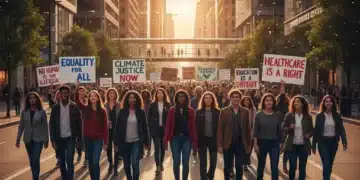
Across the US, local communities are often at the forefront of driving sustainable change. Neighborhood associations organizing clean-up drives, farmers’ markets promoting local and organic produce, and community solar projects are all examples of grassroots efforts that reinforce US Sustainability Norms from the ground up. These initiatives foster a sense of collective responsibility and demonstrate the tangible benefits of sustainable living.
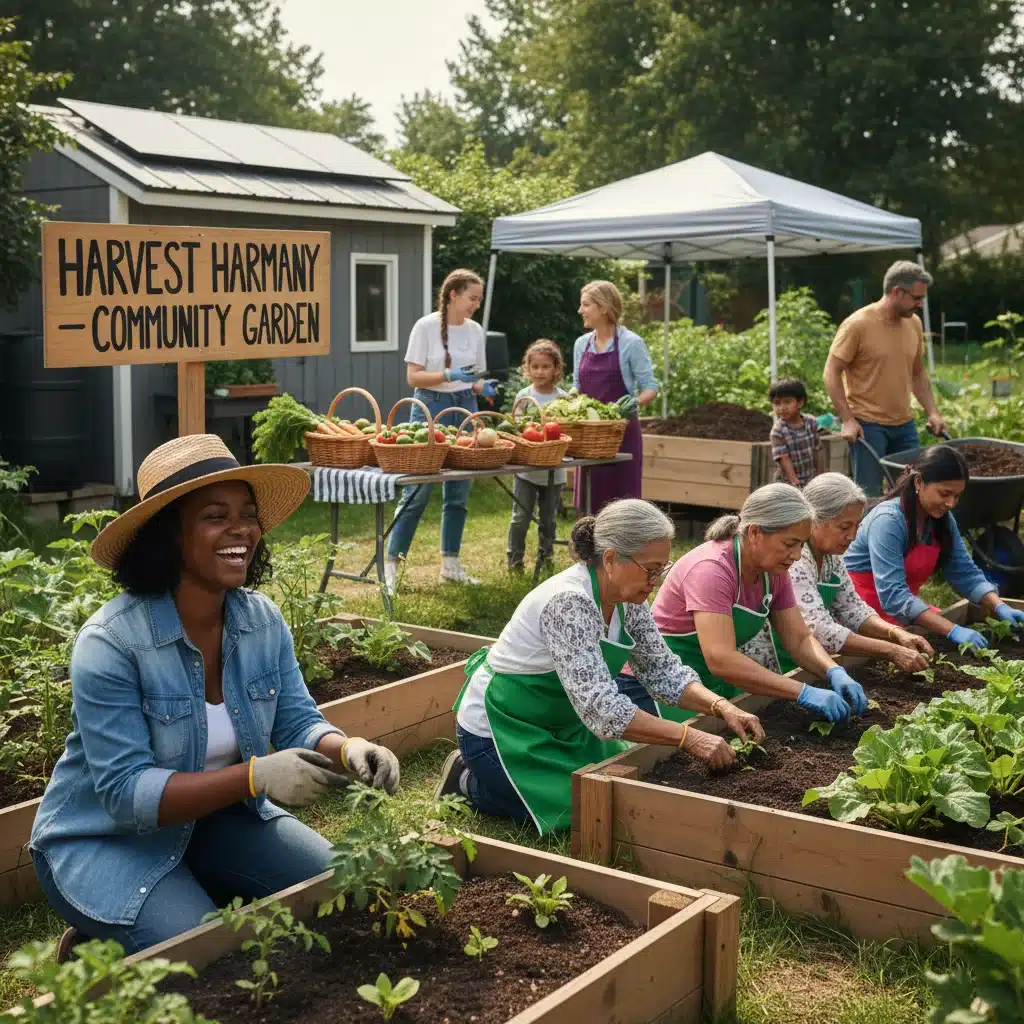
Maria Rodriguez, a community organizer in Denver, highlights the power of local action: “When people see their neighbors composting, or when they can buy fresh produce directly from a local farm, it normalizes these behaviors. It makes sustainability feel less abstract and more like a part of everyday life. These small, consistent actions are what truly build US Sustainability Norms.”
The Influence of Media and Popular Culture
Media representation also plays a significant role. Documentaries, news coverage, and even popular entertainment are increasingly featuring sustainable themes and characters who embody eco-conscious lifestyles. This exposure helps to demystify sustainable practices and integrate them into the broader cultural narrative, making them seem more desirable and attainable. Social media influencers, too, have become powerful advocates, sharing tips and showcasing sustainable products, further shaping US Sustainability Norms.
Persistent Challenges to Solidifying US Sustainability Norms
Despite the notable progress, the path to fully embedding sustainability as a societal norm in the US is fraught with significant challenges that require ongoing attention and innovative solutions.
Political Polarization and Policy Inconsistency
One of the most formidable obstacles is the enduring political polarization surrounding environmental issues. Climate change, in particular, remains a contentious topic, leading to policy inconsistencies and reversals with changes in administration. This stop-and-go approach hinders long-term planning and investment, making it difficult to establish stable and predictable frameworks for sustainable development. The lack of bipartisan consensus on critical environmental policies remains a significant drag on advancing US Sustainability Norms.
Economic Disparities and Access to Sustainable Options
Sustainability often carries a perceived, and sometimes actual, higher cost. Organic food, electric vehicles, energy-efficient appliances, and sustainable housing can be more expensive, creating a barrier for lower-income households. This economic disparity means that sustainable living often remains a privilege rather than an accessible option for all. Addressing this requires policies that incentivize affordability and ensure equitable access to sustainable goods and services, preventing sustainability from becoming another marker of class division.
Infrastructure Gaps and Legacy Systems
The US has a vast and aging infrastructure built around fossil fuels and linear consumption models. Transitioning to a fully sustainable infrastructure – one powered by renewables, supported by efficient public transport, and capable of robust recycling and circular economy practices – requires immense investment and time. Overcoming the inertia of legacy systems, from energy grids to waste management facilities, is a monumental challenge that slows the adoption of more advanced US Sustainability Norms.
Consumer Behavior and ‘Greenwashing’
While consumer awareness is growing, deeply ingrained habits and the convenience of less sustainable options still pose a challenge. Furthermore, the prevalence of ‘greenwashing’ – where companies make misleading claims about their environmental practices – erodes consumer trust and makes it difficult for individuals to make truly informed sustainable choices. There’s a need for clearer labeling, stronger regulatory oversight, and greater consumer education to combat this issue and foster genuine US Sustainability Norms.
Resource Intensive Industries
Certain sectors of the US economy, such as heavy industry, agriculture, and manufacturing, are inherently resource-intensive and generate significant environmental impacts. Transforming these sectors requires not just technological innovation but also fundamental shifts in business models, supply chains, and regulatory frameworks. The transition can be costly and disruptive, leading to resistance from established players and potential job displacement, making it a complex challenge for the evolution of US Sustainability Norms.
The Path Forward: Solidifying US Sustainability Norms for the Future
Looking ahead, the trajectory for US Sustainability Norms will depend on a concerted effort across all sectors of society. Several key areas require intensified focus:
Investing in Renewable Energy and Energy Efficiency
Accelerating the transition to renewable energy sources like solar, wind, and geothermal is paramount. This includes not only large-scale projects but also distributed generation and microgrids. Simultaneously, aggressive promotion of energy efficiency in homes, businesses, and transportation can significantly reduce demand and carbon emissions. Incentives, subsidies, and regulatory mandates will be crucial in driving this shift.
Promoting Circular Economy Principles
Moving away from the linear ‘take-make-dispose’ model towards a circular economy – where products are designed for durability, reuse, repair, and recycling – is essential. This requires innovation in material science, product design, and waste management. Policy support for extended producer responsibility, robust recycling infrastructure, and markets for secondary raw materials will be vital for embedding these practices as core US Sustainability Norms.
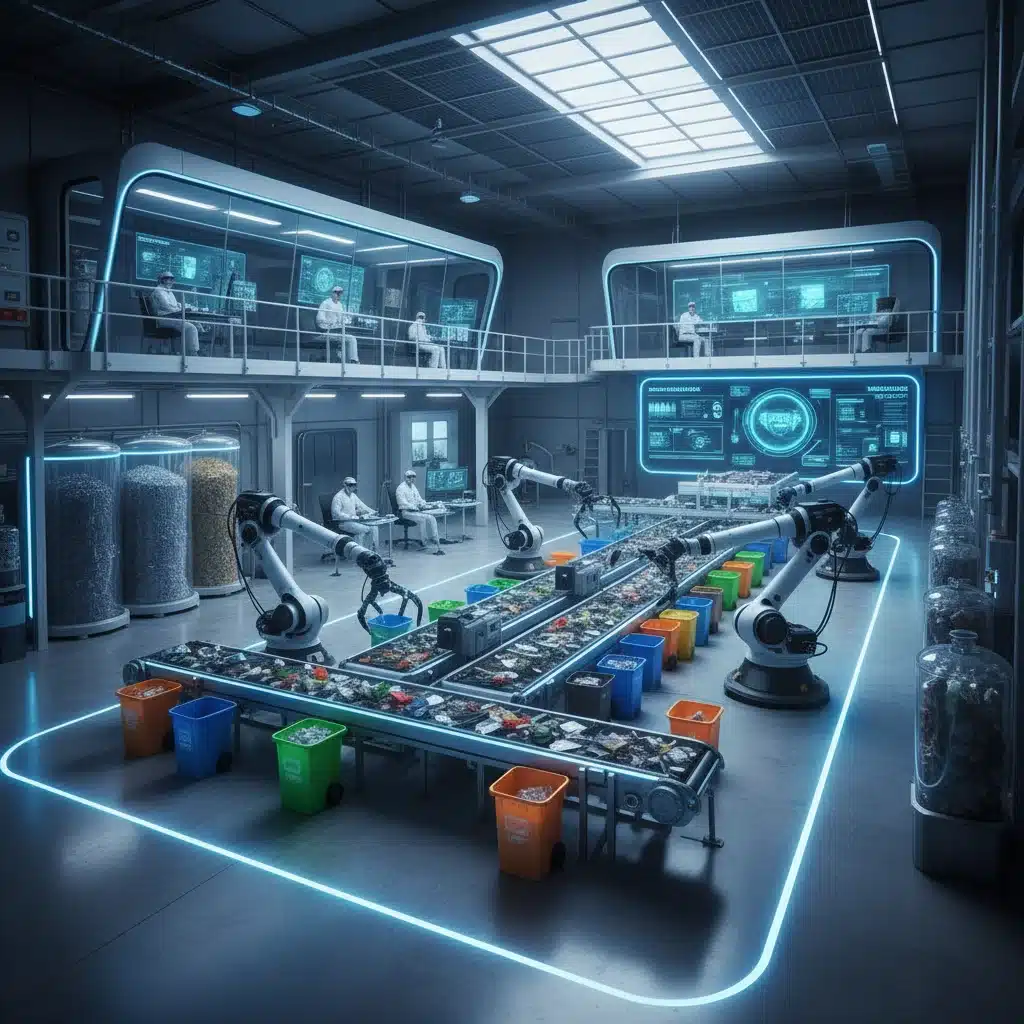
By 2026, we’ve seen increasing interest in circular models, but widespread implementation is still nascent. Further investment in technologies that facilitate material recovery and reuse, coupled with consumer education on the importance of product longevity and responsible disposal, will be critical.
Enhancing Sustainable Agriculture and Food Systems
Reforming agricultural practices to reduce environmental impact, improve soil health, and ensure food security is another critical area. This involves supporting organic farming, regenerative agriculture, local food systems, and reducing food waste. Education on sustainable diets and responsible consumption can empower individuals to make choices that align with broader US Sustainability Norms.
Fostering Environmental Justice and Equity
A truly sustainable society must also be an equitable one. Addressing environmental injustices, where marginalized communities disproportionately bear the brunt of pollution and climate impacts, is non-negotiable. Policies must ensure that the benefits of sustainable development are shared broadly and that transition costs do not fall unfairly on vulnerable populations. This includes equitable access to green jobs, clean energy, and healthy environments, reinforcing the social dimension of US Sustainability Norms.
Strengthening International Cooperation
Climate change and environmental degradation are global challenges that transcend national borders. The US must continue to engage actively in international agreements and collaborations to address these issues effectively. Sharing best practices, investing in global sustainable development, and working collaboratively on technological solutions are essential for a sustainable future, both domestically and internationally.
Conclusion: A Continuous Evolution Towards US Sustainability Norms
As of 2026, the United States is undeniably further along the path to embedding sustainability as a societal norm than ever before. There is a growing recognition that sustainable practices are not just environmentally beneficial but also economically prudent and socially just. From federal policy shifts to corporate transformations and vigorous grassroots movements, the momentum for change is palpable.
However, significant hurdles remain. Political divides, economic inequalities, and the sheer scale of infrastructural transformation demand sustained effort and unwavering commitment. The journey to fully integrate US Sustainability Norms is not a sprint but a marathon – an ongoing process of adaptation, innovation, and collective action. It requires a continuous dialogue between policymakers, businesses, communities, and individuals, all working towards a shared vision of a resilient, equitable, and thriving future. The progress made by 2026 offers a hopeful glimpse into what is possible, while the challenges remind us that the work is far from over.