The Evolving Role of Government: 5 Key Societal Expectations in 2026 US Policy

The Evolving Role of Government: 5 Key Societal Expectations in 2026 US Policy
The landscape of governance is in a perpetual state of flux, driven by technological advancements, demographic shifts, and evolving citizen priorities. As we look towards 2026, the role of government in the United States is being reshaped by a confluence of societal expectations that demand a more agile, responsive, and accountable public sector. This article delves into five pivotal areas where citizens anticipate significant shifts in US policy, offering a comprehensive analysis of recent updates, comparisons to past approaches, and projections for future trends. Understanding these expectations is crucial for policymakers, citizens, and stakeholders alike, as they collectively navigate the complexities of modern governance.
1. Enhanced Digital Accessibility and Service Delivery
In an increasingly digitized world, the expectation for seamless, efficient, and secure digital access to government services has never been higher. By 2026, citizens anticipate a fully integrated digital infrastructure that mirrors the convenience of private sector offerings. This goes beyond mere online forms; it encompasses a holistic digital experience from initial inquiry to service completion, characterized by intuitive interfaces, personalized interactions, and robust cybersecurity measures. The push for enhanced digital accessibility and service delivery is a direct response to the frustrations often associated with antiquated bureaucratic processes.
Recent Updates and Progress
Recent years have seen considerable efforts to modernize government IT systems. The Biden administration, for instance, has emphasized improving customer experience across federal agencies, allocating significant resources to digital transformation initiatives. The establishment of the U.S. Digital Service (USDS) and various agency-specific modernization efforts are testament to this commitment. Many states and municipalities have also launched portals for permits, licenses, and benefit applications, significantly reducing the need for in-person visits. The COVID-19 pandemic accelerated this trend, forcing agencies to adapt rapidly to remote service delivery, which in turn raised citizen expectations for continued digital convenience.
Comparison to Past Approaches
Historically, government service delivery has been characterized by siloed departments, paper-based processes, and limited digital integration. Citizens often had to navigate complex websites, fill out redundant forms, and endure long wait times. The shift towards a unified digital front-end represents a stark contrast, aiming to create a ‘no wrong door’ approach where citizens can access a multitude of services from a single point of entry. This evolution is not just about technology; it’s about a fundamental rethinking of how government interacts with its constituents, moving from a transaction-centric model to a user-centric one.
Future Trends and the Government Role 2026
Looking ahead to 2026, the Government Role 2026 in digital service delivery will likely involve greater adoption of artificial intelligence (AI) for chatbots and virtual assistants, predictive analytics to anticipate citizen needs, and blockchain technology for secure identity management and record-keeping. The focus will be on proactive service delivery, where government agencies can identify potential needs and offer solutions before citizens even realize they require them. Furthermore, expect an emphasis on digital equity, ensuring that enhanced digital services are accessible to all demographics, including those in rural areas or with limited technological literacy. This will require continued investment in broadband infrastructure and digital literacy programs.
2. Robust Climate Action and Environmental Stewardship
The urgency of climate change has propelled environmental stewardship to the forefront of societal expectations. Citizens in 2026 expect their government to take decisive, proactive, and sustained action to mitigate climate risks, promote sustainability, and protect natural resources. This expectation extends beyond mere compliance with international agreements; it demands a comprehensive national strategy that integrates environmental considerations into all aspects of policy-making, from economic development to infrastructure planning. The public is increasingly aware of the long-term consequences of inaction and is demanding tangible results.
Recent Updates and Progress
The current administration has rejoined the Paris Agreement and set ambitious targets for emissions reductions, including a goal to cut U.S. greenhouse gas emissions by 50-52 percent below 2005 levels by 2030. Significant investments have been channeled into renewable energy projects, electric vehicle infrastructure, and climate resilience initiatives. Legislation like the Inflation Reduction Act includes substantial provisions for clean energy tax credits and environmental justice programs. States and local governments are also playing a crucial role, implementing their own climate action plans, promoting green building codes, and investing in public transportation.
Comparison to Past Approaches
For decades, environmental policy often swung between periods of proactive regulation and deregulation, often influenced by political cycles and economic priorities. Past approaches sometimes prioritized industrial growth over environmental protection, leading to significant ecological challenges. The current shift reflects a growing consensus that environmental protection is not an impediment to economic prosperity but rather a fundamental component of sustainable development. There’s a greater emphasis on science-based policy-making and a recognition of the interconnectedness of environmental, social, and economic well-being.
Future Trends and the Government Role 2026
By 2026, the Government Role 2026 in climate action will intensify, with a focus on accelerating the transition to a circular economy, investing heavily in carbon capture and storage technologies, and implementing more stringent regulations on industrial emissions. Expect a greater emphasis on nature-based solutions for climate adaptation, such as wetland restoration and reforestation. International collaboration will also be paramount, with the U.S. playing a leading role in global climate diplomacy. Furthermore, there will be increased integration of climate risk assessment into financial policy, ensuring that both public and private sectors are prepared for the economic impacts of climate change.
3. Equitable Healthcare Access and Affordability
Healthcare remains a perennial concern for American citizens, and by 2026, the expectation for equitable access and affordability will be more pronounced than ever. This isn’t just about insurance coverage; it’s about ensuring that all individuals, regardless of socioeconomic status, geography, or pre-existing conditions, can access high-quality medical care without facing financial catastrophic burdens. The demand for a healthcare system that prioritizes prevention, addresses health disparities, and offers transparent pricing is a critical societal expectation.
Recent Updates and Progress
The Affordable Care Act (ACA) significantly expanded health insurance coverage, and subsequent legislative actions have aimed to strengthen its provisions, such as enhancing subsidies to make marketplace plans more affordable. There’s been a renewed focus on addressing the rising cost of prescription drugs, with some legislation allowing Medicare to negotiate drug prices. Efforts to expand access to mental health services and telehealth have also gained momentum, particularly in the wake of the pandemic. Many states are exploring innovative models for care delivery and payment, aiming to improve outcomes and reduce costs.
Comparison to Past Approaches
Historically, the US healthcare system has been a complex patchwork of public and private insurance, often leaving significant portions of the population uninsured or underinsured. Past reforms frequently focused on incremental changes rather than systemic overhauls. The current trajectory reflects a broader societal recognition that healthcare is a fundamental right, not a privilege. There’s a greater emphasis on public health interventions, preventative care, and addressing social determinants of health, moving beyond a purely reactive illness-care model.
Future Trends and the Government Role 2026
In 2026, the Government Role 2026 in healthcare will likely involve further expansion of public health programs, potentially exploring options like a public health insurance option or universal healthcare models. Expect a continued push for price transparency across the healthcare industry and increased regulation of pharmaceutical costs. There will be a greater integration of technology, such as AI-powered diagnostics and personalized medicine, but with a strong focus on ethical considerations and data privacy. Addressing health disparities will remain a top priority, with targeted investments in underserved communities and policies designed to promote health equity.
4. Economic Resilience and Workforce Development
Amidst global economic uncertainties and rapid technological change, citizens expect their government to foster economic resilience and invest heavily in workforce development. This means creating policies that support stable employment, promote innovation, and ensure that the workforce possesses the skills needed for future industries. The expectation is for a proactive approach to economic planning, one that mitigates the impact of economic downturns and prepares individuals for evolving job markets. This extends to supporting small businesses, fostering technological innovation, and ensuring fair labor practices.
Recent Updates and Progress
The U.S. has seen significant investment in infrastructure projects, aiming to create jobs and modernize critical systems, which in turn boosts economic activity. Programs focused on reskilling and upskilling workers, particularly in areas like clean energy and advanced manufacturing, have received increased funding. There’s also been a focus on strengthening supply chains and promoting domestic production to enhance economic security. Initiatives to support small businesses through loans and grants have been crucial for job creation and local economic vitality. Furthermore, discussions around minimum wage increases and worker protections continue to be prominent.
Comparison to Past Approaches
Past economic policies sometimes focused on broad macroeconomic indicators, with less direct intervention in specific sectors or workforce training. The current approach is more targeted, recognizing the need to address structural inequalities and prepare the workforce for the demands of the 21st century economy. There’s a greater emphasis on public-private partnerships in workforce development, leveraging the expertise of both sectors to create relevant training programs. The shift also reflects a move away from purely reactive unemployment assistance to proactive job placement and skill development.
Future Trends and the Government Role 2026
By 2026, the Government Role 2026 in economic resilience and workforce development will be characterized by a strong focus on future-proofing the economy. This includes significant investment in STEM education, vocational training, and apprenticeships to meet the demands of emerging industries like AI, biotechnology, and quantum computing. Expect policies that encourage entrepreneurship and innovation, potentially through tax incentives and streamlined regulatory processes. The government will likely play a larger role in facilitating lifelong learning, ensuring that workers can adapt to new technologies and job requirements throughout their careers. Furthermore, there will be continued efforts to reduce income inequality and ensure that economic growth benefits all segments of society.
5. Strengthened Democratic Institutions and Civic Engagement
In an era of increasing polarization and distrust, citizens are demanding that their government actively work to strengthen democratic institutions and foster greater civic engagement. This includes safeguarding electoral integrity, promoting transparency and accountability, and ensuring that all voices are heard in the policy-making process. The expectation is for a government that champions democratic values, protects civil liberties, and actively combats misinformation. This is fundamental to maintaining public trust and the legitimacy of governance.
Recent Updates and Progress
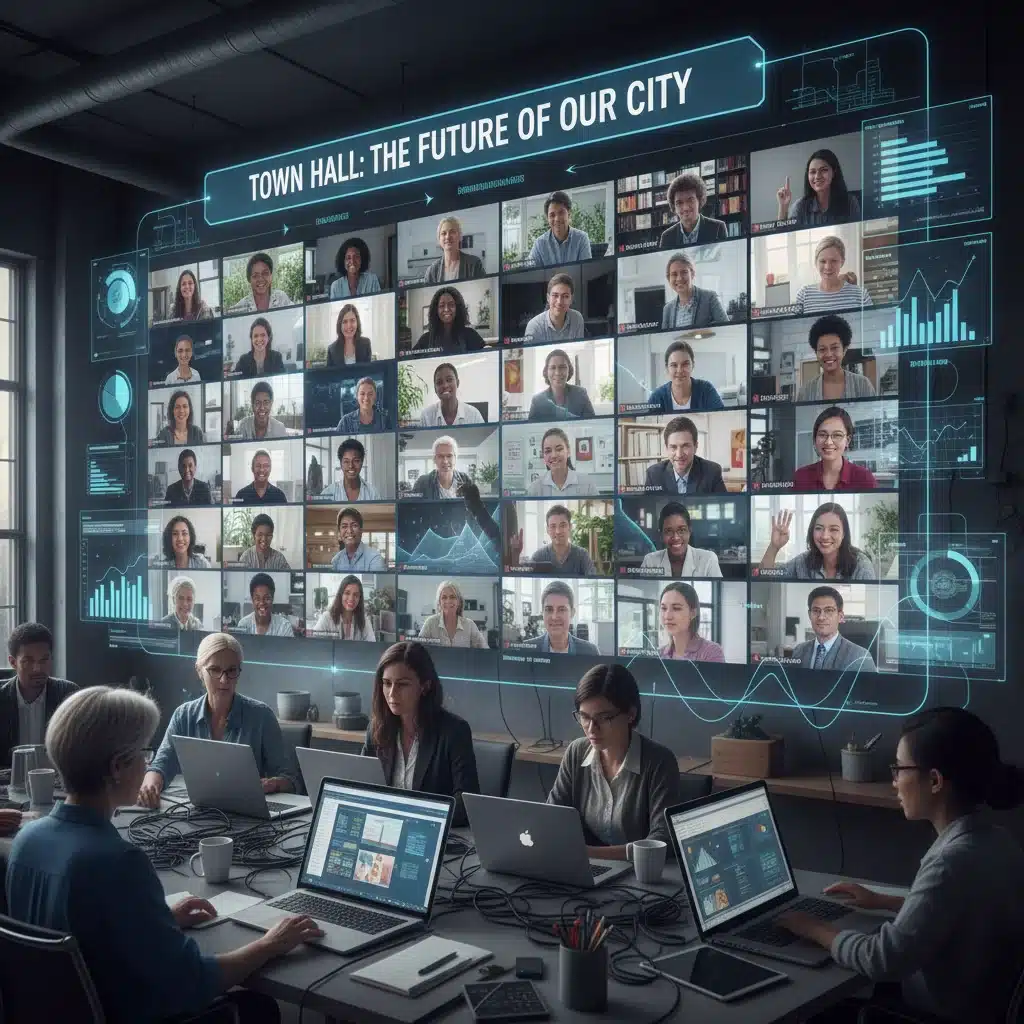
Efforts to protect voting rights, modernize election infrastructure, and enhance campaign finance transparency have been ongoing. There’s also been a push for greater government transparency, with initiatives aimed at making data more accessible to the public and increasing accountability for public officials. Many jurisdictions are exploring innovative ways to encourage civic participation, such as participatory budgeting and online public forums. Educational programs focused on media literacy and critical thinking are also gaining traction, aiming to empower citizens to discern reliable information.
Comparison to Past Approaches
While democratic principles have always been foundational, the current environment presents unique challenges, particularly from the spread of disinformation and the erosion of trust in institutions. Past approaches to civic engagement sometimes relied on traditional methods like town halls, which, while valuable, may not reach all segments of the population. The emphasis now is on more inclusive and technologically advanced forms of engagement, recognizing the need to adapt to how people consume information and interact. There’s also a greater focus on defending democratic norms against internal and external threats.
Future Trends and the Government Role 2026
By 2026, the Government Role 2026 in strengthening democratic institutions will involve robust measures to counter foreign interference in elections and combat the spread of deepfakes and AI-generated misinformation. Expect further reforms to electoral processes to enhance accessibility and security. There will be increased investment in civics education and programs that foster critical thinking and media literacy from a young age. The government will also likely explore new digital platforms for direct citizen input on policy, moving towards a more deliberative and inclusive form of democracy. Furthermore, efforts to rebuild trust will involve greater transparency in lobbying, campaign finance, and governmental decision-making.
Conclusion: Navigating the Future of US Governance
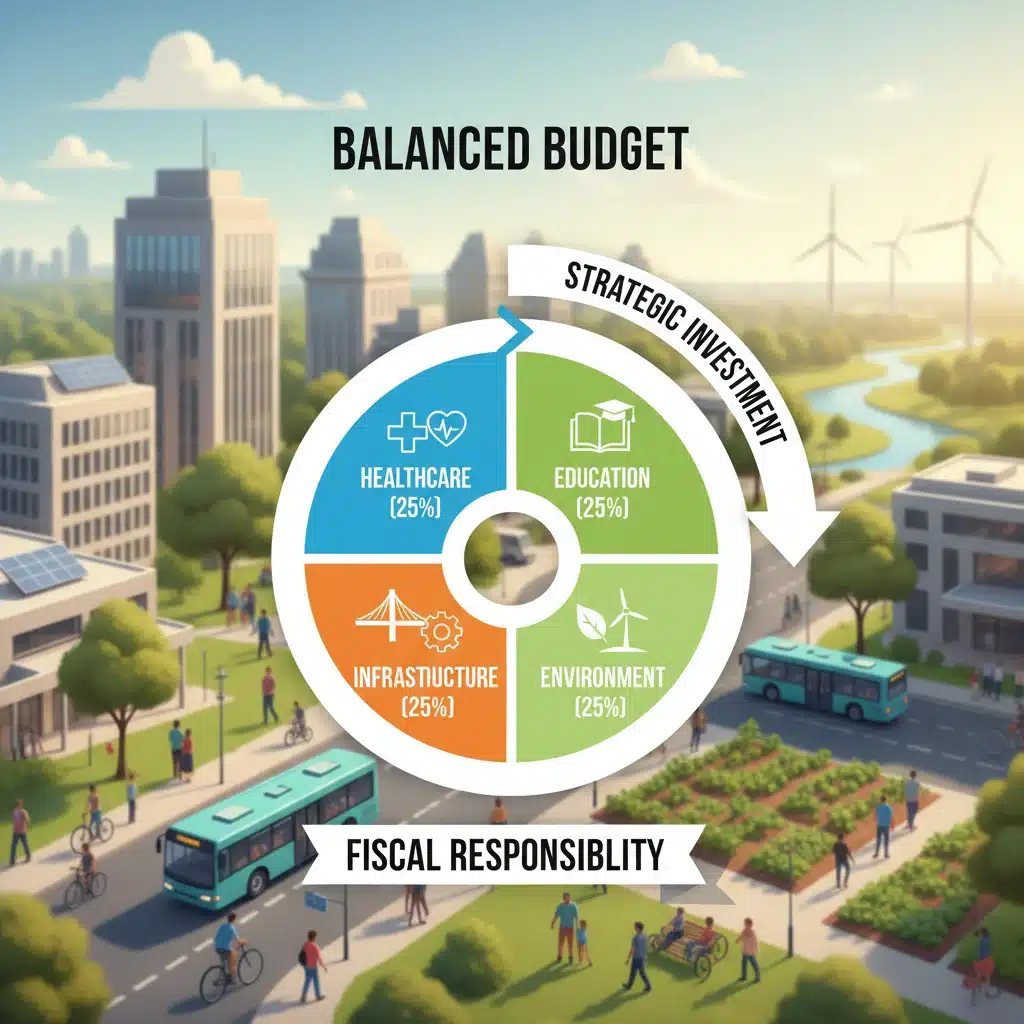
The evolving role of government in 2026 US policy is a dynamic and multifaceted challenge. The five key societal expectations discussed—enhanced digital accessibility, robust climate action, equitable healthcare, economic resilience, and strengthened democratic institutions—are not isolated demands but interconnected facets of a broader vision for a more effective, just, and sustainable society. Policymakers face the complex task of balancing these demands with fiscal realities, political considerations, and the need for long-term strategic planning.
Meeting these expectations will require innovative solutions, cross-sector collaboration, and a renewed commitment to public service. The success of the Government Role 2026 will ultimately depend on its ability to adapt to a rapidly changing world, listen to the diverse voices of its citizens, and implement policies that foster progress and well-being for all Americans. The journey towards 2026 is not merely about reacting to challenges but proactively shaping a future where governance is truly reflective of societal needs and aspirations. This continuous evolution underscores the imperative for ongoing dialogue, critical assessment, and a shared commitment to the principles that underpin a functioning democracy.