Personalized Health and Wellness: The $100 Billion Market Driving Future Healthcare
The Ascendant Era of Personalized Health and Wellness: A $100 Billion Market by 2026 Driven by Consumer Demand
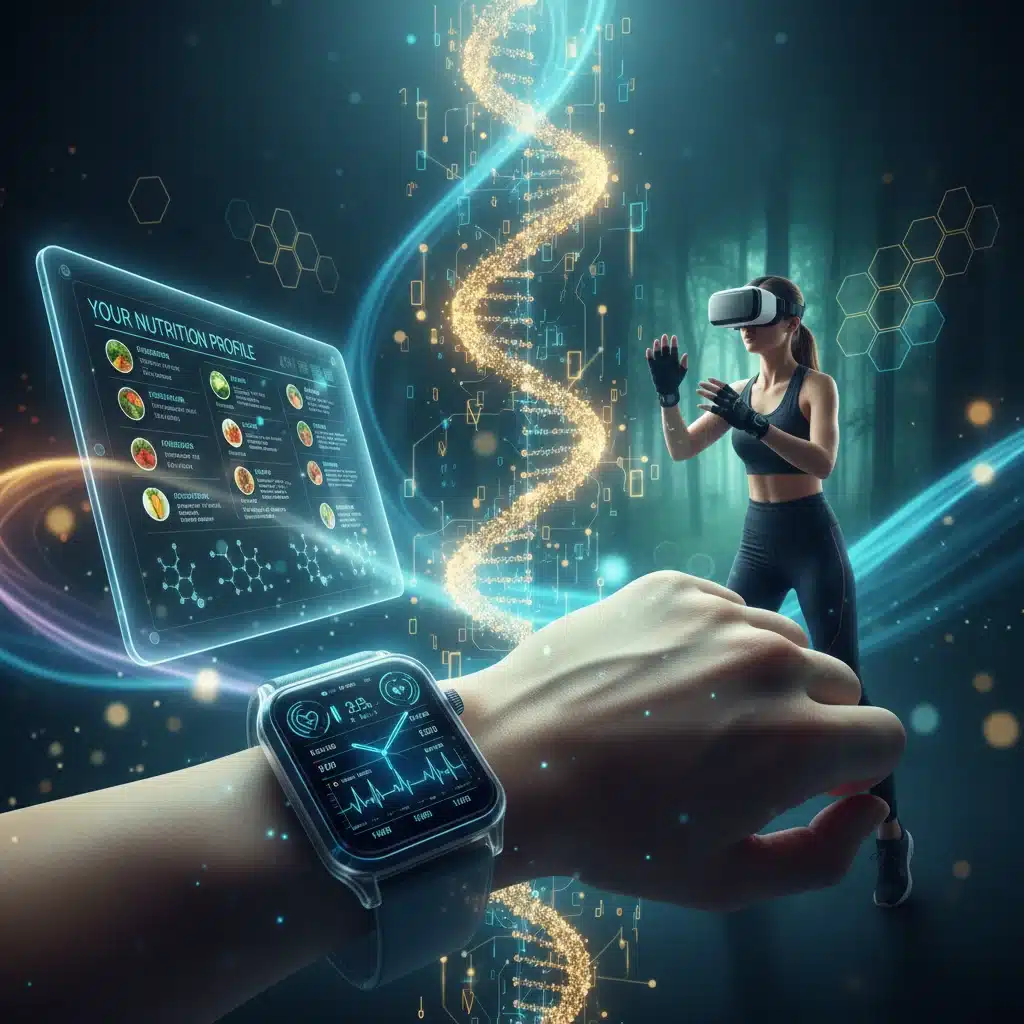
The healthcare landscape is undergoing a profound transformation, moving away from a one-size-fits-all approach to a highly individualized model. This seismic shift is encapsulated by the burgeoning Personalized Health Wellness market, a sector projected to reach an astounding $100 billion by 2026. This isn’t merely a trend; it’s a fundamental reorientation of how individuals perceive and manage their health, driven primarily by an empowered consumer base demanding solutions tailored to their unique genetic makeup, lifestyle, and preferences.
For decades, healthcare was largely reactive, focusing on treating illness after it manifested. Today, the emphasis is increasingly proactive, preventative, and deeply personal. Consumers are no longer content with generic advice; they seek bespoke strategies for nutrition, fitness, mental well-being, and disease prevention. This article delves into the forces propelling this monumental growth, the innovative technologies fueling its expansion, and the immense opportunities it presents for individuals, businesses, and the healthcare ecosystem as a whole.
Understanding the Core of Personalized Health and Wellness
At its heart, Personalized Health Wellness refers to an approach that tailors health and wellness interventions to individuals based on their unique characteristics. This includes, but is not limited to, genetic information, biomarkers, lifestyle choices, environmental exposures, and personal goals. It’s about optimizing health outcomes by recognizing that each person is distinct and requires a customized blueprint for well-being.
The market encompasses a vast array of products and services. These range from advanced diagnostics like genetic testing and microbiome analysis to wearable fitness trackers, smart health devices, AI-powered coaching platforms, customized nutrition plans, precision medicine, and mental wellness apps. The common thread among all these offerings is their ability to gather individual-specific data and translate it into actionable insights, empowering consumers to take a more active role in their health journey.
The shift towards Personalized Health Wellness is not just about technology; it’s also about philosophy. It represents a move from a paternalistic healthcare model to a partnership model, where individuals are active participants in their health decisions, informed by data and guided by expert insights. This empowerment is a significant driver of the market’s rapid expansion.
The Unstoppable Force: Consumer Demand as the Primary Catalyst
The projected $100 billion valuation of the Personalized Health Wellness market by 2026 is a direct reflection of escalating consumer demand. But what exactly is driving this insatiable appetite for personalized solutions?
-
Increased Health Awareness and Proactivity:
There’s a growing global awareness of the importance of preventative health. People are no longer waiting for illness to strike; they are actively seeking ways to maintain optimal health, boost immunity, and prevent chronic diseases. This proactive mindset naturally leads to a desire for tools and strategies that are specifically designed for their individual needs.
-
Access to Information and Digital Literacy:
The internet has democratized health information. Consumers are more educated and discerning than ever before. They research conditions, compare treatments, and critically evaluate health claims. This digital literacy fosters a demand for transparent, evidence-based, and personalized health guidance rather than generic advice.
-
Technological Advancements and Accessibility:
The proliferation of affordable wearables, smartphone apps, and at-home diagnostic kits has made personalized health solutions accessible to a wider audience. What was once confined to clinics or research labs is now available at consumers’ fingertips, allowing for continuous monitoring and personalized interventions.
-
Dissatisfaction with Traditional Healthcare:
Many individuals feel that traditional healthcare systems are overburdened, impersonal, and often fail to address their holistic well-being. This dissatisfaction creates a vacuum that personalized health and wellness solutions are uniquely positioned to fill, offering a more attentive, tailored, and preventative approach.
-
Focus on Performance and Optimization:
Beyond simply avoiding illness, many consumers, particularly younger generations, are focused on optimizing their physical and mental performance. Athletes, biohackers, and even everyday individuals are seeking data-driven insights to enhance their energy levels, cognitive function, and overall quality of life. This pursuit of peak performance is a significant contributor to the growth of the Personalized Health Wellness market.
-
The Influence of Social Media and Community:
Social media platforms have created communities around shared health and wellness goals. Influencers and peer groups often advocate for personalized approaches, sharing their experiences with genetic testing, customized diets, and bespoke fitness regimens, further amplifying consumer interest and demand.
Technological Pillars Supporting Personalized Health and Wellness
The realization of a truly personalized health experience is heavily reliant on cutting-edge technologies. These innovations are not only making personalization possible but also making it more accurate, accessible, and affordable.
Genomics and Epigenetics: Unlocking the Genetic Blueprint
Genetic testing, once a niche and expensive service, is now widely available. Companies offer direct-to-consumer kits that analyze DNA to provide insights into disease predispositions, nutritional needs, fitness responses, and even ancestry. This genetic data forms the bedrock of many personalized health plans, allowing for interventions that are precisely aligned with an individual’s inherent biological makeup. Epigenetics, the study of how environmental factors can influence gene expression, adds another layer of personalization, highlighting how lifestyle choices can impact genetic destiny.
Wearable Technology and IoT Devices: Continuous Data Streams
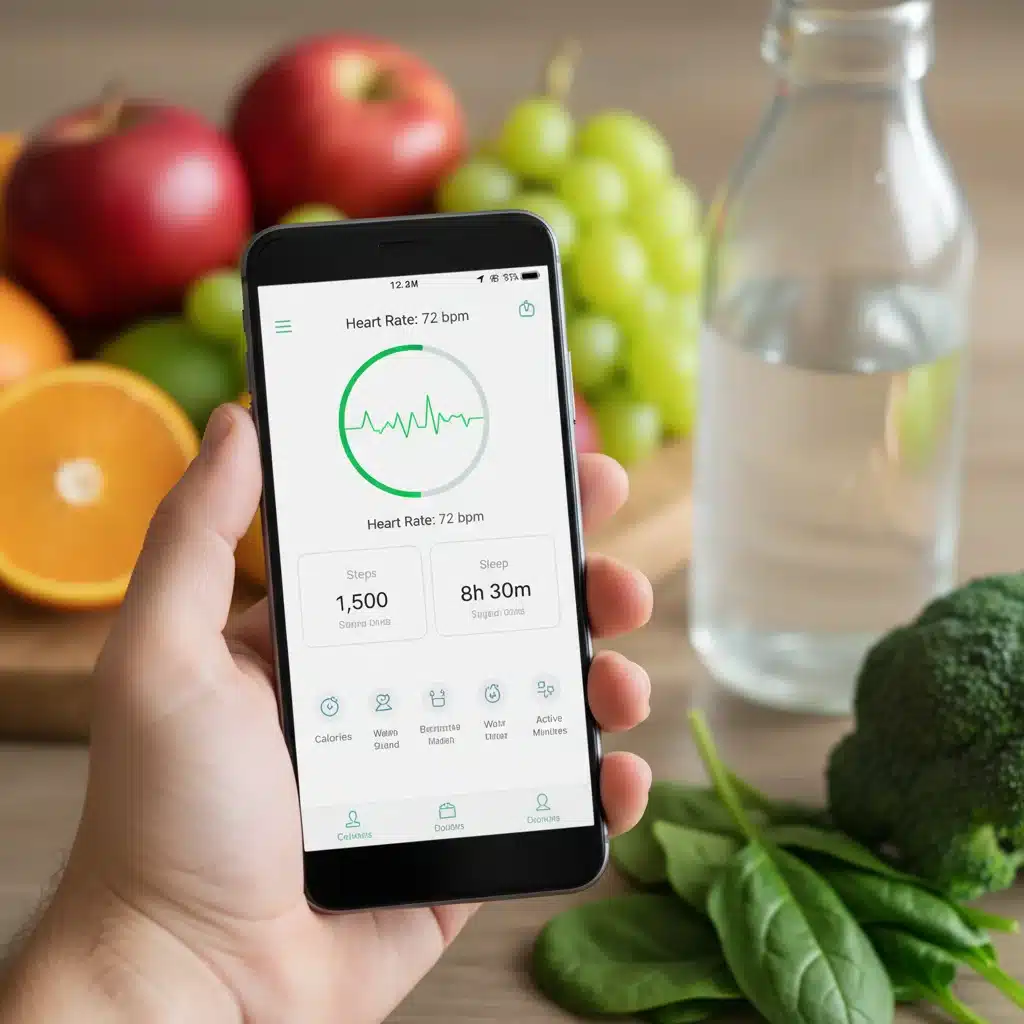
Smartwatches, fitness trackers, smart scales, continuous glucose monitors (CGMs), and other Internet of Things (IoT) health devices are generating unprecedented amounts of real-time health data. These devices monitor everything from heart rate variability, sleep patterns, activity levels, and oxygen saturation to skin temperature and stress levels. The continuous stream of data allows for dynamic, personalized recommendations and early detection of potential health issues, moving beyond static, periodic check-ups.
Artificial Intelligence (AI) and Machine Learning (ML): The Brains Behind Personalization
AI and ML are the engines that process the vast quantities of data collected from genomics, wearables, and other sources. These technologies can identify patterns, predict risks, and generate highly personalized recommendations for diet, exercise, medication dosages, and even mental health interventions. AI-powered chatbots and virtual health assistants provide 24/7 personalized coaching and support, making health guidance more accessible and engaging. The ability of AI to learn and adapt over time makes personalized health solutions increasingly sophisticated and effective.
Telemedicine and Virtual Care Platforms: Bridging Gaps
Telemedicine has surged in popularity, providing remote access to healthcare professionals. When combined with personalized health data, virtual consultations become far more effective. Doctors can review an individual’s real-time health metrics, genetic predispositions, and lifestyle data to provide highly specific advice and treatment plans, removing geographical barriers to high-quality, personalized care.
Microbiome Analysis: The Gut-Brain Connection
The human microbiome, the trillions of microorganisms living in and on our bodies, is increasingly recognized as a critical factor in overall health. Personalized microbiome analysis can reveal imbalances and provide tailored recommendations for diet and probiotics to optimize gut health, which in turn impacts digestion, immunity, and even mental well-being. This relatively new frontier in personalized health is rapidly expanding.
Key Segments Driving the $100 Billion Personalized Health Wellness Market
The market’s growth is not monolithic; it’s fueled by several interconnected and rapidly expanding segments:
-
Personalized Nutrition and Diet:
Moving beyond generic dietary guidelines, this segment offers customized meal plans, supplement recommendations, and food sensitivity testing based on an individual’s genetics, microbiome, activity levels, and health goals. Companies are leveraging AI to create dynamic nutrition plans that adapt as an individual’s needs change.
-
Precision Fitness and Exercise:
From genetic-based workout recommendations to AI-powered personal trainers and smart gym equipment, this segment tailors exercise regimens to optimize performance, prevent injury, and achieve specific fitness objectives based on an individual’s unique physiology and preferences.
-
Mental and Emotional Wellness:
Personalized mental health apps, AI-driven therapy bots, biofeedback devices, and mindfulness programs are offering tailored solutions for stress reduction, sleep improvement, and cognitive enhancement. These tools often integrate data from wearables to provide a holistic view of mental well-being.
-
Preventative Health and Disease Management:
This segment uses personalized data to identify individual risk factors for chronic diseases and provides proactive strategies for prevention. For those with existing conditions, personalized digital therapeutics and remote monitoring solutions offer tailored management plans and support, reducing hospital readmissions and improving quality of life.
-
Personalized Beauty and Skincare:
Even the beauty industry is embracing personalization, offering customized skincare formulations, hair care products, and aesthetic treatments based on genetic predispositions, skin analysis, and environmental factors. This segment highlights the broad applicability of personalized approaches beyond traditional healthcare.
Challenges and Opportunities in the Personalized Health Wellness Landscape
While the future of Personalized Health Wellness appears bright, several challenges must be addressed for its full potential to be realized. Simultaneously, these challenges often present significant opportunities for innovation and growth.
Challenges:
-
Data Privacy and Security:
The collection and analysis of highly sensitive personal health data raise significant concerns about data privacy and security. Robust regulatory frameworks and advanced cybersecurity measures are crucial to building consumer trust.
-
Data Overload and Interpretation:
While data is key, too much raw data without proper interpretation can be overwhelming and confusing for consumers. The challenge lies in translating complex information into actionable, easy-to-understand insights.
-
Regulatory Landscape:
The rapid pace of innovation often outstrips regulatory bodies. Clear guidelines for product claims, data handling, and medical device classification are needed to ensure safety and efficacy.
-
Accessibility and Equity:
There’s a risk that personalized health solutions could exacerbate health disparities if they remain expensive and inaccessible to lower-income populations. Ensuring equitable access will be vital for widespread adoption.
-
Scientific Validation:
Not all personalized health claims are backed by robust scientific evidence. The industry must prioritize rigorous research and validation to maintain credibility and ensure effective outcomes.
Opportunities:
-
Integration and Interoperability:
The opportunity exists to create seamless ecosystems where data from various devices and services can be integrated and shared securely, providing a more holistic view of an individual’s health.
-
Preventative Care Models:
Personalized health offers a powerful pathway to truly preventative care, potentially reducing the burden on acute care systems and improving public health outcomes.
-
New Business Models:
The market is ripe for innovative business models, including subscription services, personalized product delivery, and integrated wellness platforms that cater to diverse consumer needs.
-
Employer Wellness Programs:
Companies are increasingly investing in employee wellness. Personalized health solutions offer a compelling way for employers to improve employee health, reduce absenteeism, and boost productivity.
-
Global Expansion:
The demand for personalized health is global. Companies that can adapt their offerings to diverse cultural contexts and regulatory environments will find significant opportunities for international expansion.

The Future Outlook: Sustained Growth and Evolution
The trajectory for the Personalized Health Wellness market points towards sustained, robust growth. As technology continues to advance, costs decrease, and consumer awareness deepens, personalization will become an expected norm rather than a luxury. We can anticipate even more sophisticated integration of data sources, leading to hyper-personalized interventions that are dynamic and predictive.
The convergence of genomics, AI, wearables, and advanced diagnostics will create a comprehensive ‘digital twin’ of each individual, enabling highly precise preventative care and disease management. Furthermore, the role of healthcare providers will evolve, shifting from solely treating illness to becoming guides and coaches in an individual’s lifelong wellness journey, leveraging personalized data to offer truly bespoke advice.
The $100 billion market valuation by 2026 is not an endpoint but rather a significant milestone in the ongoing evolution of health and wellness. This sector is poised to fundamentally reshape how we understand, manage, and optimize our health, putting the individual firmly at the center of their own well-being narrative. Businesses that can effectively navigate the complexities of data, ethics, and innovation, while consistently prioritizing consumer needs, will be well-positioned to thrive in this exciting and transformative era of personalized health and wellness.
Concluding Thoughts on Personalized Health and Wellness
In conclusion, the rise of Personalized Health Wellness is more than just a market trend; it signifies a paradigm shift in how we approach health. Driven by an increasingly informed and empowered consumer base, this sector is leveraging cutting-edge technology to deliver highly specific, proactive, and preventative health solutions. The journey towards a $100 billion market by 2026 is a testament to the profound impact of individualization in health, promising a future where wellness is not a generic pursuit but a deeply personal and optimized experience for everyone.
As we move forward, the emphasis will continue to be on empowering individuals with actionable insights derived from their unique biological and lifestyle data. This will not only lead to better health outcomes but also foster a more engaged and proactive global population, ultimately contributing to a healthier society at large. The era of personalized health and wellness is here to stay, and its influence will only grow stronger in the years to come.