US Entertainment Trends 2026: Cultural Shifts & Future Preferences
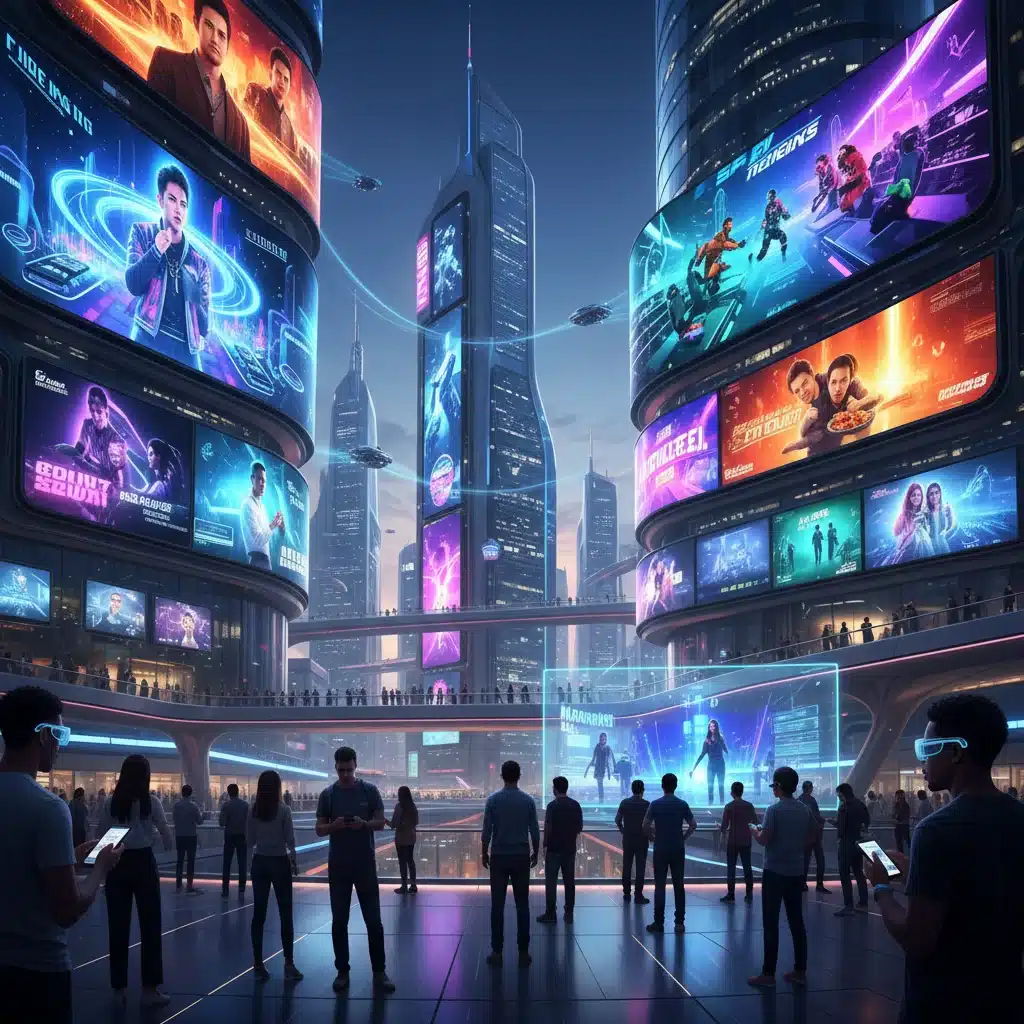
The United States entertainment industry, a colossal and ever-evolving behemoth, stands on the precipice of significant transformation. As we hurtle towards 2026, a confluence of technological advancements, demographic shifts, and changing societal values is reshaping how Americans consume, engage with, and even create entertainment. Understanding these US entertainment trends is not merely an academic exercise; it’s a critical imperative for content creators, distributors, marketers, and indeed, anyone invested in the future of culture.
The traditional pillars of entertainment – cinema, television, music, and live events – are being re-architected in real-time. What worked yesterday may not work tomorrow, and what resonates with one demographic today might be completely ignored by another. This article delves deep into four pivotal cultural preference changes that are projected to define the US entertainment landscape by 2026. By examining these shifts, we aim to provide a comprehensive roadmap for navigating the opportunities and challenges that lie ahead.
The era of passive consumption is steadily receding, giving way to an environment where audience agency and personalized experiences reign supreme. From the rise of generative AI in content creation to the democratization of distribution channels, the power dynamic between creators and consumers is undergoing a fundamental rebalance. Let’s unpack the key US entertainment trends that will shape our collective cultural future.
1. The Ascendance of Hyper-Personalized and Niche Content Experiences
One of the most profound US entertainment trends we are witnessing, and one that will only intensify by 2026, is the demand for hyper-personalized and niche content. The days of mass-market, one-size-fits-all entertainment are rapidly fading. Consumers, accustomed to the algorithmic precision of streaming services and social media feeds, now expect content that speaks directly to their individual tastes, interests, and even moods.
This shift is driven by several factors. Firstly, the sheer volume of available content has exploded. With countless streaming platforms, independent creators, and user-generated content, audiences are no longer constrained by limited choices. This abundance fosters a desire for curation and relevance, making generic offerings feel increasingly unappealing. Secondly, advancements in artificial intelligence and data analytics allow platforms to understand individual preferences with unprecedented accuracy. Algorithms can now recommend not just genres, but specific themes, narrative styles, and even character archetypes that resonate with a user’s viewing history.
By 2026, we anticipate a further fragmentation of the entertainment market. Instead of broad categories, we’ll see an explosion of micro-genres and highly specialized content catering to incredibly specific interests. Think not just ‘sci-fi,’ but ‘optimistic, solarpunk sci-fi featuring diverse protagonists and a focus on sustainable futures.’ This trend extends beyond narrative content to interactive experiences, music, and even live events.
For content creators, this means a greater emphasis on authentic storytelling that connects with specific communities. The success will lie not in appealing to everyone, but in deeply resonating with a passionate, engaged niche. Platforms will invest heavily in refining their recommendation engines, leveraging AI to predict not just what users *have* watched, but what they *will* want to watch next, even before they know it themselves. This also opens doors for independent creators and smaller studios who can effectively tap into these niche demands without needing massive budgets to compete for broad appeal.
The business model implications are significant. Subscription services might offer tiered access to highly specialized content libraries. Advertising will become even more targeted, with brands seeking to integrate seamlessly into niche content that aligns with their target demographic’s specific interests. The challenge for larger studios will be to adapt their production pipelines to be more agile and responsive to these rapidly emerging and evolving niche demands, moving away from solely blockbuster-driven strategies toward a more diversified portfolio.
Educational content, often overlooked in entertainment discussions, will also benefit from this personalization. Imagine interactive learning experiences tailored to an individual’s learning style, pace, and existing knowledge base, seamlessly integrated with narrative elements to make education more engaging than ever before. This merging of learning and entertainment, often termed ‘edutainment,’ will become a significant growth area, driven by the same demand for personalized relevance.
The key takeaway for this US entertainment trend is clear: the future belongs to those who can understand and cater to the unique, often granular, preferences of individual consumers, moving beyond superficial demographics to deep psychographic insights.
2. The Blurring Lines Between Creator and Consumer: The Rise of Participatory Media
The second major cultural shift transforming US entertainment trends is the accelerating breakdown of the traditional creator-consumer dichotomy. The internet, social media, and increasingly accessible creative tools have empowered audiences to move beyond passive reception to active participation. By 2026, this trend will have matured significantly, redefining what it means to ‘experience’ entertainment.
User-Generated Content (UGC) is not new, but its scope, sophistication, and economic impact are growing exponentially. Platforms like TikTok, YouTube, and Twitch have demonstrated the immense appetite for content created by ‘ordinary’ people. However, the future extends beyond simply watching UGC; it’s about participating in its creation, modification, and communal experience.
Interactive narratives, once a niche genre, are becoming mainstream. From choose-your-own-adventure style shows on streaming platforms to highly immersive video games with branching storylines, audiences are demanding agency. This extends to live events, where crowds can influence performances, and even to music, where fans might co-create tracks or remix existing ones with official tools.
The metaverse, in its various nascent forms, is a prime example of this participatory future. Virtual worlds offer spaces where users are not just spectators but active participants in building experiences, creating avatars, designing virtual goods, and engaging in communal activities. While still in its early stages, the underlying principle of collective creation and ownership will permeate more traditional forms of entertainment.
For the entertainment industry, this means pivoting from a top-down creation model to one that actively involves and empowers its audience. Fan communities will play a larger role in shaping content, providing feedback, and even contributing directly to storylines or character development. Crowdfunding and decentralized autonomous organizations (DAOs) could offer new models for financing and governing creative projects, giving fans a direct stake in the content they love.
This trend also fuels the ‘creator economy,’ where individuals can monetize their creative output directly, often bypassing traditional gatekeepers. By 2026, we’ll see more sophisticated tools and platforms that enable creators to build sustainable careers by engaging directly with their fan base, offering exclusive content, and fostering deep community connections. The line between ‘professional’ and ‘amateur’ content will continue to blur, with quality and authenticity becoming more important than traditional credentials.
Brands will increasingly leverage participatory media for marketing, creating challenges or interactive experiences that invite consumers to co-create advertisements or branded content. This isn’t just about consumer engagement; it’s about building deeper, more authentic connections through shared experience and creative contribution. This is a crucial area within US entertainment trends that demands strategic attention.
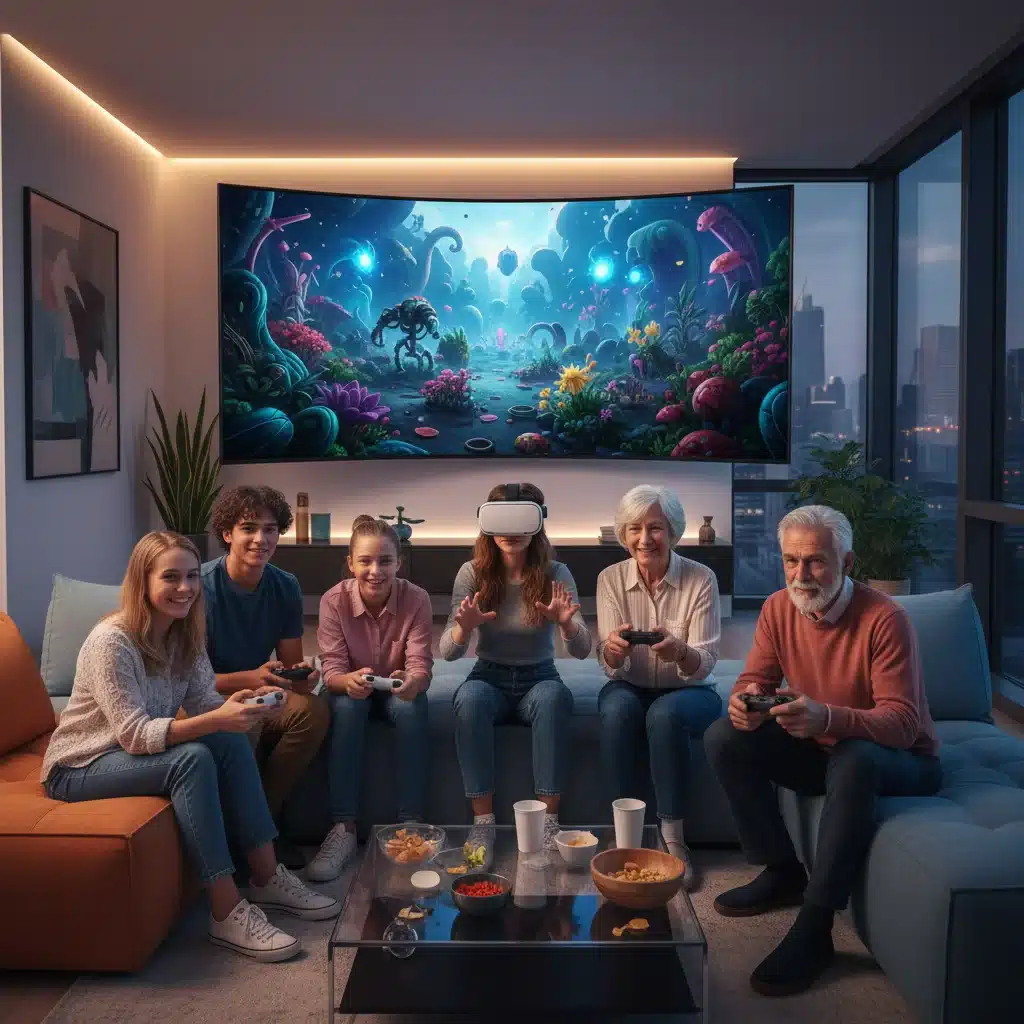
The shift towards participatory media signifies a fundamental change in how entertainment is conceived and consumed. It’s moving from a broadcast model to a collaborative, community-driven one, where the audience is not just watching the show, but often, *is* the show.
3. The Dominance of Cross-Platform, Seamless Experiences
The third significant cultural preference change impacting US entertainment trends by 2026 is the expectation of seamless, cross-platform experiences. Consumers no longer view entertainment as siloed activities on distinct devices. Instead, they expect their content and experiences to flow effortlessly across smartphones, tablets, smart TVs, gaming consoles, VR headsets, and even smart home devices.
This demand is driven by the ubiquitous nature of technology in daily life. People consume media on the go, at home, and in various social settings. They want to start watching a show on their phone during a commute, pick it up on their TV at home, and perhaps even discuss it in a related online forum or game later. The friction between devices and platforms is increasingly intolerable.
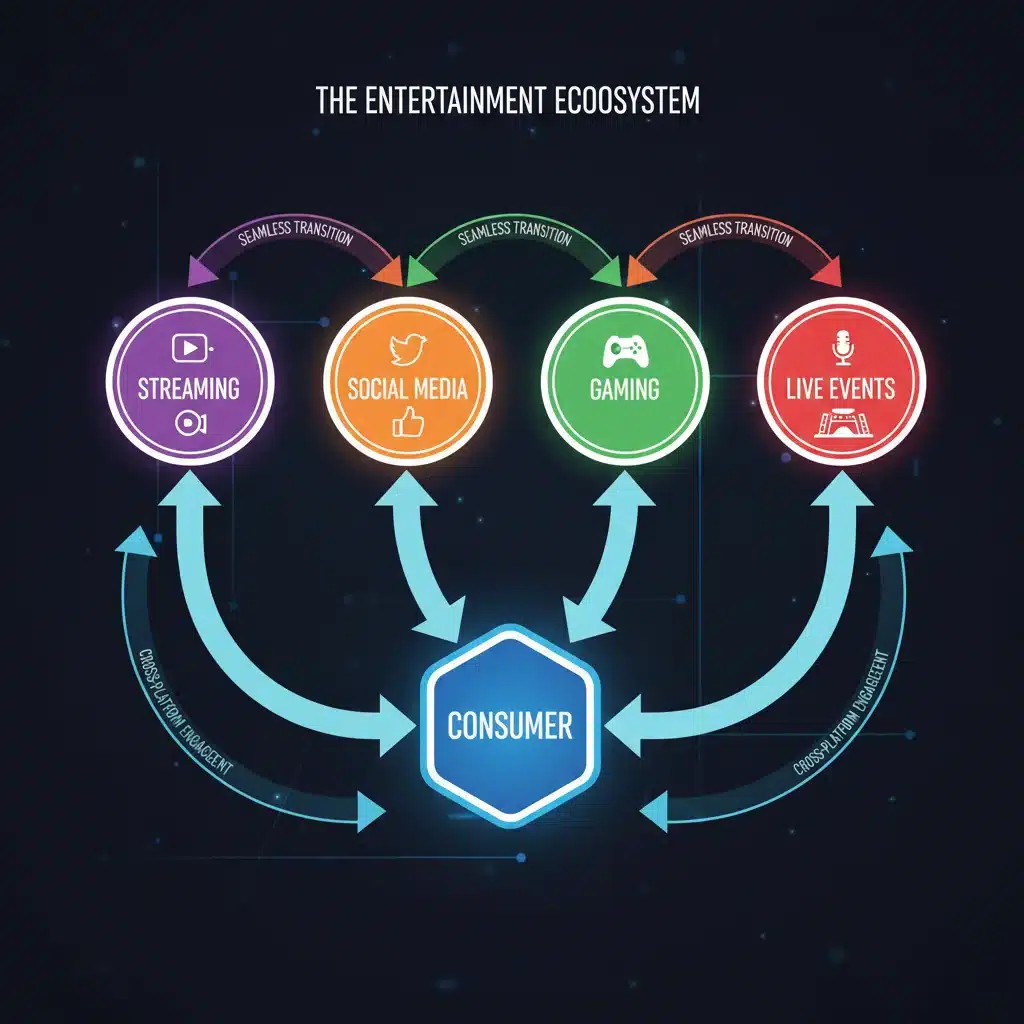
By 2026, content providers and device manufacturers will have invested heavily in creating integrated ecosystems. This means not just technical interoperability, but also a cohesive user experience. User profiles, viewing history, and preferences will be synchronized across all devices. Gaming progression will carry over from console to mobile, and social interactions around content will be fluid, regardless of the platform used to consume the primary media.
The concept of ‘transmedia storytelling’ will become more sophisticated. A single narrative might unfold across a TV series, a video game, an augmented reality experience, and a social media campaign, with each component offering unique insights and opportunities for engagement. The audience isn’t just watching a story; they are living within its expanded universe.
This trend has profound implications for content creation and distribution. Studios will need to think holistically about how their intellectual property translates across different formats and platforms from the outset. Developers will prioritize cloud-based solutions and universal APIs to ensure smooth transitions and consistent user experiences. Marketing campaigns will also need to be designed to leverage multiple touchpoints, guiding consumers through a rich, interconnected narrative web.
The competitive landscape will also shift. Companies that can offer the most seamless, integrated experiences across their own offerings and through partnerships will gain a significant advantage. This could lead to further consolidation in the tech and entertainment sectors, as companies acquire capabilities to build out these comprehensive ecosystems. Conversely, open standards and interoperability could also foster innovation, allowing smaller players to contribute high-quality components to larger integrated systems.
Esports and live interactive events will also benefit from this seamless integration. Viewers might watch a live stream on their TV, participate in a real-time poll on their phone, and then join a virtual fan zone in VR, all connected by a single user account and experience. The expectation is that the entertainment journey is continuous and uninterrupted, regardless of the device or location. This interconnectedness is a defining characteristic of future US entertainment trends.
4. The Search for Authenticity and Purpose-Driven Entertainment
The final, yet equally impactful, cultural preference change shaping US entertainment trends by 2026 is a heightened demand for authenticity and purpose-driven entertainment. In an increasingly digital and often overwhelming world, consumers are seeking content that feels genuine, reflects diverse realities, and ideally, contributes positively to society or sparks meaningful conversations.
The rise of social consciousness, particularly among younger demographics, means that entertainment is no longer just an escape; it’s often viewed through a lens of values and impact. Audiences are more attuned to representation, diversity, and the ethical practices of the companies behind the content they consume. ‘Woke washing’ or superficial attempts at appearing socially responsible will be quickly identified and rejected.
Authenticity manifests in several ways. Firstly, there’s a growing appreciation for diverse voices and perspectives. Stories that genuinely reflect the experiences of marginalized communities, or narratives that challenge conventional norms, will gain traction. This isn’t just about checking boxes; it’s about genuine inclusion and allowing a broader spectrum of storytellers to share their unique insights.
Secondly, there’s a desire for content that feels real and unvarnished. While high production values remain important, there’s also a strong appeal in raw, documentary-style content, vlogs, and unscripted reality that offers a glimpse into genuine human experiences. The polished perfection of traditional media can sometimes feel distant, whereas authentic, relatable content fosters deeper connection.
Purpose-driven entertainment goes a step further. This includes content that directly addresses social issues, promotes environmental awareness, encourages mental well-being, or inspires positive action. Documentaries, docu-series, and even fictional narratives that subtly weave in themes of social responsibility will resonate strongly. Brands that align their entertainment offerings with genuine social causes will build stronger loyalty.
For the entertainment industry, this means a shift in storytelling priorities. There will be a greater emphasis on developing narratives that are not only entertaining but also meaningful and reflective of the complex world we live in. Diversity in writers’ rooms, directorial chairs, and executive leadership will become non-negotiable, as authentic storytelling requires authentic voices behind the scenes.
Marketing and public relations will also need to adapt. Companies will need to transparently communicate their values and demonstrate their commitment to social responsibility, not just through their content but also through their corporate practices. Consumers are increasingly discerning and will support companies that align with their ethical stances.
This trend also implies a move away from purely escapist entertainment for some segments of the audience, towards content that offers both enjoyment and enlightenment. It’s about entertainment that sparks conversations, encourages empathy, and perhaps even motivates viewers to engage with real-world issues. This focus on meaning and impact will be a defining characteristic of successful entertainment ventures in the coming years, impacting all US entertainment trends.
The Road Ahead: Navigating the Evolving US Entertainment Trends
The landscape of US entertainment is undergoing a seismic shift, driven by these four fundamental cultural preference changes. The move towards hyper-personalization, participatory media, seamless cross-platform experiences, and authenticity/purpose-driven content is not merely a set of fleeting fads; these are deep-seated transformations in how audiences engage with and value entertainment.
For content creators, this means embracing flexibility and innovation. Experimentation with new formats, interactive elements, and diverse storytelling approaches will be key. Understanding niche communities and fostering direct relationships with audiences will be more valuable than ever. The ability to adapt quickly to emerging technologies and evolving audience tastes will define success.
For distributors and platforms, the challenge lies in building intelligent, integrated ecosystems that can deliver personalized content seamlessly across all devices. Investment in AI, data analytics, and robust infrastructure will be crucial. Furthermore, cultivating an environment that empowers creators and encourages participatory engagement will differentiate leading platforms.
For marketers and brands, the emphasis shifts to authentic storytelling and purpose-driven campaigns. Superficial advertising will be ignored; genuine connections forged through relevant, values-aligned content will build lasting loyalty. Understanding where and how target audiences are engaging with content – across platforms and through participation – will inform effective strategies.
The traditional power structures of Hollywood are being decentralized, and innovation is bubbling up from countless corners. Independent creators, indie studios, and tech startups are all contributing to this rich tapestry of future entertainment. The barriers to entry for content creation and distribution are lower than ever, fostering an incredibly dynamic and competitive environment.
By 2026, the successful players in the US entertainment industry will be those who not only recognize these US entertainment trends but actively shape them. They will be the ones who put the audience at the center of their strategy, empowering them, listening to them, and co-creating with them. The future of entertainment is not just about what we watch, but how we engage, participate, and find meaning in the stories and experiences that captivate us.
The relentless pace of technological advancement, coupled with generational shifts in values and media literacy, guarantees that this evolution will continue. Virtual reality, augmented reality, and even more advanced forms of AI will further push the boundaries of what’s possible in entertainment. Staying ahead means continuous learning, agile adaptation, and a deep, empathetic understanding of the human desire for connection, meaning, and play.
Ultimately, the future of US entertainment is bright, diverse, and incredibly exciting. It promises a world where every individual can find their niche, contribute their voice, and experience stories in ways that were once unimaginable. The journey to 2026 will be a thrilling ride, and those prepared for these cultural shifts will be at the forefront of shaping the next golden age of entertainment.