Redefining Success: Cultural Metrics Beyond Wealth in 2026 America
In the relentless pursuit of progress, human societies have often equated success with material wealth and economic prosperity. For centuries, the accumulation of capital, the growth of GDP, and individual financial standing have been the primary yardsticks by which nations and individuals measured their achievements. However, as we stand at the precipice of 2026, a profound shift is underway in America and across the globe. The traditional paradigm is being challenged, and a more holistic, nuanced understanding of what constitutes a thriving society and a successful life is emerging. This evolution is giving rise to new cultural success metrics that extend far beyond the balance sheet.
The dawn of the mid-2020s has brought with it a heightened awareness of systemic inequalities, environmental degradation, and the often-detrimental impact of unchecked consumerism on individual well-being. Coupled with rapid technological advancements and a globalized, interconnected world, these factors are compelling us to reconsider our values. What truly matters? What kind of society do we aspire to build? These questions are driving a re-evaluation of national priorities and personal aspirations, leading to a focus on indices that reflect the true health and vibrancy of a culture. This post will delve into four pivotal cultural success metrics that are increasingly defining success in 2026 America, moving beyond the narrow confines of financial wealth.
Redefining Success: 4 Cultural Metrics Beyond Wealth in 2026 America
The narrative of success in America has long been intertwined with the American Dream – a vision often characterized by homeownership, financial security, and upward mobility, all underpinned by economic prosperity. While these aspirations remain valid for many, a growing segment of the population, particularly younger generations, is questioning the singular focus on wealth. They are seeking deeper meaning, stronger connections, and a more sustainable future. This societal introspection is not merely a philosophical exercise; it is manifesting in tangible shifts in policy, corporate social responsibility, and individual lifestyle choices. The rise of these new cultural success metrics is a testament to a collective desire for a more equitable, resilient, and fulfilling existence.
These evolving metrics acknowledge that a nation’s strength and its citizens’ well-being are not solely determined by economic indicators. Instead, they encompass a broader spectrum of human experience and societal conditions. They recognize that a truly successful society fosters strong community bonds, prioritizes the mental and physical health of its members, acts as a responsible steward of the environment, and values intellectual growth and accessibility to knowledge. Understanding these shifts is crucial for anyone looking to navigate the complexities of modern American society, from policymakers to business leaders, educators, and individuals seeking personal fulfillment. Let’s explore these four transformative cultural success metrics in detail.
1. Community Engagement and Social Cohesion: The Fabric of a Thriving Society
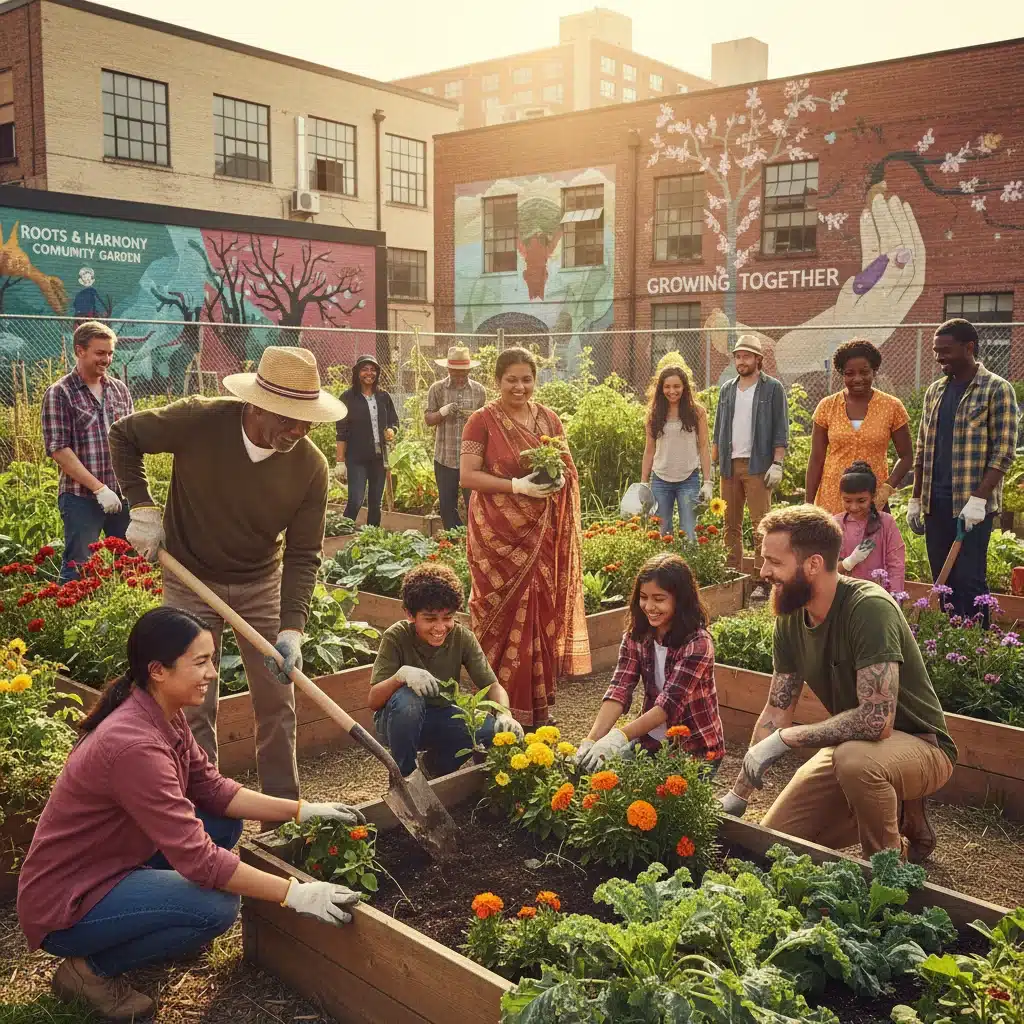
In an increasingly digital and often individualistic world, the importance of genuine human connection and robust social structures has never been more apparent. In 2026 America, cultural success metrics are placing significant emphasis on community engagement and social cohesion. This metric moves beyond simply having a population to assessing the quality of interactions, the strength of local networks, and the collective capacity for mutual support and action.
The Decline of Traditional Community and the Rise of New Models
For decades, factors like suburbanization, increased mobility, and the advent of digital communication have challenged traditional notions of community. Front porches have been replaced by back decks, and neighborhood gatherings by online forums. However, the COVID-19 pandemic, alongside a growing awareness of social isolation and its detrimental effects on mental health, has spurred a powerful resurgence in the desire for authentic community. People are actively seeking ways to reconnect, to build local resilience, and to find shared purpose beyond their immediate families.
Indicators of Strong Community Engagement
How do we measure this evolving cultural success metric? It’s not about GDP, but rather:
- Volunteerism Rates: The percentage of the population actively participating in voluntary work for local causes, charities, or community projects.
- Civic Participation: Engagement in local governance, community boards, neighborhood associations, and public discourse.
- Social Capital: The density of social networks, trust among neighbors, and the willingness to help one another. This can be measured through surveys on trust levels, perceptions of safety, and frequency of social interactions.
- Local Economic Resilience: The proliferation of local businesses, farmers’ markets, and community-supported agriculture (CSAs) that foster local economic loops and reduce reliance on distant supply chains.
- Community Spaces: The availability and utilization of public parks, community centers, libraries, and shared spaces that facilitate interaction and collective activities.
- Intergenerational Programs: Initiatives that connect different age groups, fostering knowledge transfer and mutual support, thereby strengthening the social fabric.
The Impact of Strong Social Cohesion
Societies with high levels of social cohesion often exhibit lower crime rates, better public health outcomes, and greater resilience in the face of crises. They also tend to be more innovative and adaptable, as diverse perspectives are more readily shared and integrated. Businesses are recognizing this, with many investing in local community initiatives not just for PR, but as a genuine commitment to the health of the ecosystems in which they operate. For individuals, a strong sense of community provides a crucial support system, a source of identity, and a pathway to collective action on issues that matter.
In 2026, a truly successful American city or town will be one where residents feel connected, supported, and empowered to contribute to their local environment. This focus on building and nurturing robust communities is a cornerstone of the new cultural success metrics.
2. Holistic Well-being: Beyond Physical Health
The concept of well-being has expanded dramatically in recent years, moving beyond the mere absence of illness to encompass a comprehensive state of physical, mental, emotional, and even spiritual health. In 2026, holistic well-being stands as a paramount cultural success metric, reflecting a society that values the flourishing of its citizens in all aspects of their lives.
The Mental Health Imperative
The mental health crisis, exacerbated by global events and the pressures of modern life, has brought psychological well-being to the forefront. Stigma surrounding mental health is slowly eroding, replaced by a recognition that mental health is as critical as physical health. This shift is driving demand for accessible mental health services, mindfulness practices, and workplace policies that support employee well-being.
Measuring Holistic Well-being
Unlike economic indicators, measuring holistic well-being requires a multi-faceted approach:
- Mental Health Access and Outcomes: Rates of access to therapy and counseling, prevalence of anxiety and depression, and national happiness indices.
- Physical Health Metrics: Beyond mortality rates, this includes rates of chronic disease, access to healthy food, physical activity levels, and preventative care.
- Work-Life Balance: Average working hours, availability of paid leave, flexible work arrangements, and perceived stress levels related to work.
- Access to Nature: Proximity to green spaces, national park visitation rates, and urban planning that integrates natural elements for relaxation and recreation.
- Sense of Purpose and Meaning: While harder to quantify, surveys can gauge individuals’ feelings of purpose, engagement in meaningful activities, and overall life satisfaction.
- Financial Stress: Acknowledging that economic security contributes to well-being, this metric focuses on reducing financial precarity and ensuring basic needs are met, rather than simply accumulating wealth.

Workplace and Policy Shifts
Forward-thinking companies are recognizing that employee well-being is not just a perk but a strategic imperative. Burnout, stress, and poor mental health lead to reduced productivity and high turnover. Consequently, many organizations are implementing comprehensive well-being programs, from mental health support and flexible hours to wellness challenges and ergonomic workspaces. Government policies are also beginning to reflect this, with discussions around universal healthcare, paid family leave, and urban design that promotes active living and access to nature. The focus is shifting from treating illness to fostering proactive health and resilience across the population.
In 2026, a truly successful society will be one where individuals are not just surviving but thriving, where their physical, mental, and emotional needs are met, and where they have the resources and support to lead fulfilling lives. This comprehensive approach to well-being is a fundamental component of the new cultural success metrics.
3. Environmental Stewardship and Sustainability: Our Collective Future
The escalating climate crisis and the undeniable impact of human activity on the planet have propelled environmental stewardship and sustainability to the forefront of global concerns. In 2026 America, this is no longer a fringe issue but a core cultural success metric, reflecting a society’s commitment to preserving natural resources and ensuring a habitable planet for future generations.
From Awareness to Action
Decades of scientific warnings and increasing frequency of extreme weather events have moved environmental concerns from academic discussions to mainstream public consciousness. There’s a growing understanding that economic growth cannot come at the expense of ecological health, and that a healthy environment is foundational to human well-being and prosperity. This realization is driving significant shifts in consumer behavior, corporate practices, and governmental policies.
Key Indicators of Environmental Stewardship
Measuring progress in this area requires looking at both impact reduction and restorative efforts:
- Carbon Footprint Reduction: National and per-capita emissions, adoption of renewable energy sources, and energy efficiency in homes and industries.
- Waste Management and Circular Economy: Recycling rates, reduction in landfill waste, prevalence of repair and reuse initiatives, and the development of circular economic models where products are designed for longevity and recyclability.
- Biodiversity Conservation: Protection of endangered species, expansion of protected areas, and efforts to restore natural habitats.
- Sustainable Resource Management: Responsible use of water, forests, and other natural resources, with an emphasis on regeneration and minimizing depletion.
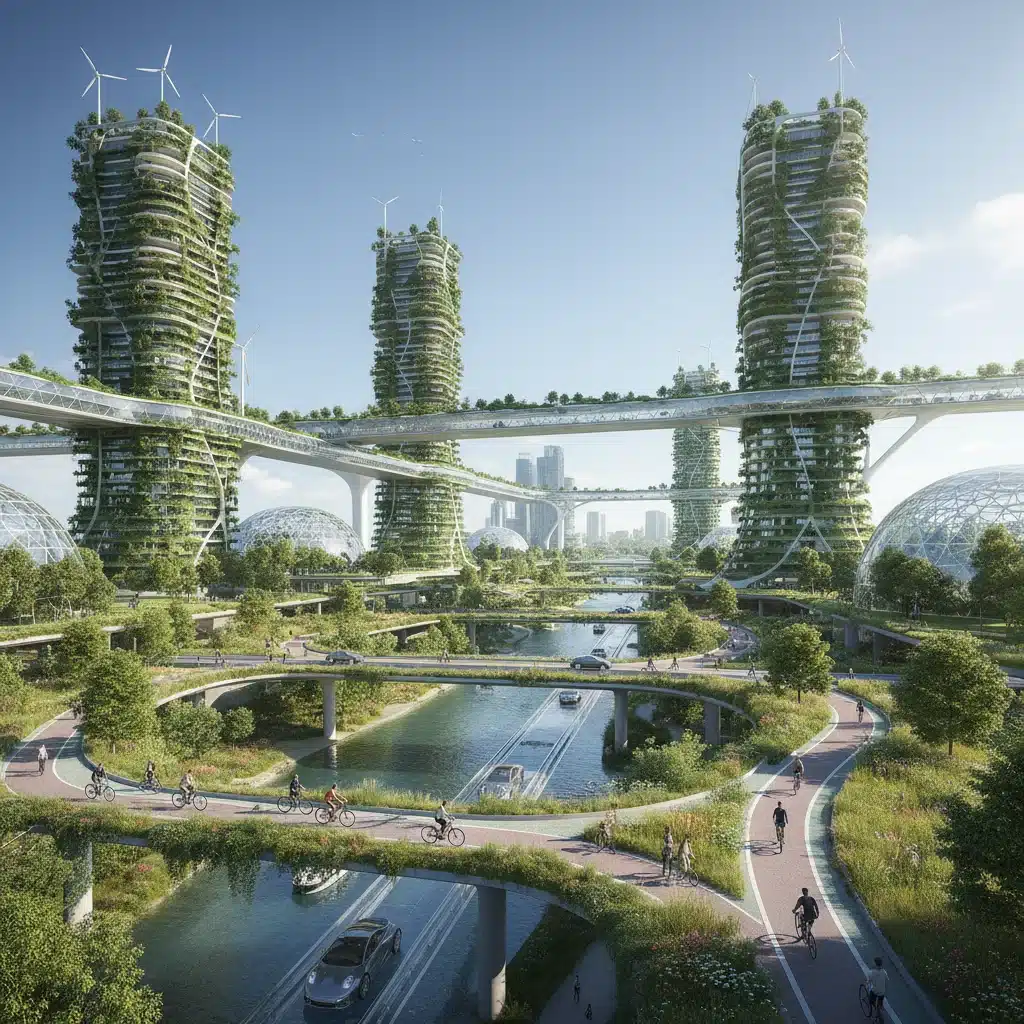
- Green Infrastructure: Investment in sustainable transportation, green buildings, urban forestry, and infrastructure designed to mitigate climate change impacts.
- Public Environmental Literacy: The general public’s understanding of environmental issues and their willingness to adopt sustainable practices.
The Economic and Social Benefits of Sustainability
Embracing sustainability is not just an ethical choice; it’s an economic opportunity. The green economy is a rapidly growing sector, creating new jobs and industries. Furthermore, sustainable practices often lead to increased efficiency, reduced costs, and enhanced brand reputation. Socially, a commitment to environmental stewardship fosters a sense of collective responsibility and intergenerational equity. Communities that prioritize green spaces, clean air, and clean water experience better public health outcomes and a higher quality of life. The younger generation, in particular, is demanding that businesses and governments take decisive action, making sustainability a critical factor in consumer choices and political engagement.
In 2026, a truly successful nation will be one that lives within its ecological means, innovates solutions for environmental challenges, and ensures a healthy planet for all. This commitment to environmental stewardship is a non-negotiable aspect of the evolving cultural success metrics.
4. Knowledge and Lifelong Learning: The Foundation of Progress
In an era characterized by rapid technological change, an explosion of information, and increasingly complex global challenges, the pursuit of knowledge and a commitment to lifelong learning have become indispensable. As a core cultural success metric in 2026 America, this emphasizes not just formal education, but the cultivation of curiosity, critical thinking, and adaptability throughout an individual’s life.
The Obsolescence of Static Knowledge
The traditional model of education, where a degree at the start of one’s career was sufficient for a lifetime, is largely obsolete. Industries are transforming at an unprecedented pace, demanding new skills and constant reskilling. The ability to learn, unlearn, and relearn has become more valuable than any specific set of facts. This understanding is driving a societal shift towards valuing continuous intellectual growth and accessible educational resources.
Measuring a Culture of Knowledge and Learning
This metric goes beyond traditional educational attainment:
- Access to Quality Education: Enrollment rates at all levels, equity in educational outcomes, and availability of resources for disadvantaged communities.
- Digital Literacy and Access: The percentage of the population with internet access and the skills to navigate the digital world effectively and safely.
- Lifelong Learning Participation: Enrollment in adult education programs, vocational training, online courses, and professional development.
- Research and Innovation Output: Investment in scientific research, number of patents, and the impact of academic contributions to global knowledge.
- Critical Thinking Skills: Measured through assessments of media literacy, problem-solving abilities, and the capacity to evaluate information critically.
- Cultural and Artistic Engagement: Participation in arts programs, museum visits, library usage, and engagement with diverse forms of cultural expression, which foster creativity and broader understanding.
The Role of Knowledge in Societal Resilience
A society that values knowledge and lifelong learning is inherently more resilient. It is better equipped to adapt to economic downturns, technological disruptions, and unforeseen crises. An informed citizenry is crucial for a healthy democracy, capable of making sound decisions and holding leaders accountable. Furthermore, a culture of continuous learning fuels innovation, driving progress in science, technology, and the humanities, ultimately enhancing the quality of life for all.
Institutions are responding to this need with flexible learning pathways, micro-credentialing, and partnerships between academia and industry. Libraries are evolving into community learning hubs, offering digital literacy classes, maker spaces, and career development resources. The emphasis is on democratizing knowledge and empowering individuals to continuously grow and contribute.
In 2026, a truly successful America will be one where knowledge is celebrated, learning is accessible to all, and critical thinking is a societal norm. This commitment to intellectual growth forms the bedrock of the new cultural success metrics.
The Interconnectedness of Cultural Success Metrics
It is crucial to understand that these four cultural success metrics – community engagement, holistic well-being, environmental stewardship, and knowledge – are not isolated pillars but rather deeply interconnected elements of a thriving society. A strong sense of community can significantly contribute to individual well-being, providing support networks and reducing feelings of isolation. Conversely, individuals who experience high levels of well-being are often more engaged in their communities and more inclined to participate in civic life.
Environmental stewardship is inextricably linked to both well-being and community. A healthy environment provides clean air and water, essential for physical health, and access to green spaces, which enhances mental well-being. Environmentally conscious communities often foster strong local bonds through shared efforts in conservation and sustainability projects. Moreover, an educated populace (knowledge) is more likely to understand the urgency of environmental issues and to advocate for sustainable practices.
Similarly, a society that prioritizes knowledge and lifelong learning empowers its citizens to understand complex issues, including those related to health and environmental sustainability. Education can foster critical thinking, enabling individuals to make informed decisions that benefit both their personal well-being and the collective good of their community and the planet. A well-educated workforce is also better positioned to innovate solutions for environmental challenges and to build resilient, sustainable economies.
Moving Towards a Balanced Scorecard
The challenge for 2026 and beyond is to develop comprehensive frameworks that can effectively measure and integrate these diverse cultural success metrics. This involves moving away from a singular focus on GDP or per capita income as the ultimate indicators of national progress. Instead, we need a ‘balanced scorecard’ approach that considers economic prosperity alongside social equity, environmental health, and human flourishing. This will require innovative data collection methods, interdisciplinary research, and a collaborative effort between governments, academic institutions, non-profits, and the private sector.
For individuals, embracing these metrics means a re-evaluation of personal definitions of success. It’s about finding fulfillment not just in what one owns, but in the quality of one’s relationships, the health of one’s mind and body, the positive impact one has on the environment, and the continuous growth of one’s intellect. It’s about building a life rich in experiences, connections, and purpose.
Conclusion: A New Era of Success
As America navigates the complexities of the mid-2020s, the evolving definition of success signals a profound cultural transformation. The four cultural success metrics – community engagement, holistic well-being, environmental stewardship, and knowledge – represent a collective yearning for a more meaningful, sustainable, and equitable future. This shift is not about abandoning economic prosperity entirely, but rather about integrating it into a broader framework that values human and planetary flourishing equally.
The transition to these new metrics will undoubtedly present challenges. It will require significant investment in social infrastructure, a reimagining of educational systems, and a fundamental shift in corporate and governmental priorities. However, the potential rewards are immense: more resilient communities, healthier populations, a thriving planet, and a society where every individual has the opportunity to lead a truly successful and fulfilling life, defined not by the size of their bank account, but by the richness of their contributions and connections.
Embracing these cultural success metrics is not just about adapting to change; it’s about actively shaping a better future. It’s an invitation for every American to participate in redefining what success truly means in the 21st century and to build a society that reflects our deepest values and aspirations for generations to come. The journey has begun, and 2026 stands as a pivotal moment in this exciting re-evaluation of national and personal triumph.