Social Justice Movements 2026: Enduring Influence on US Society
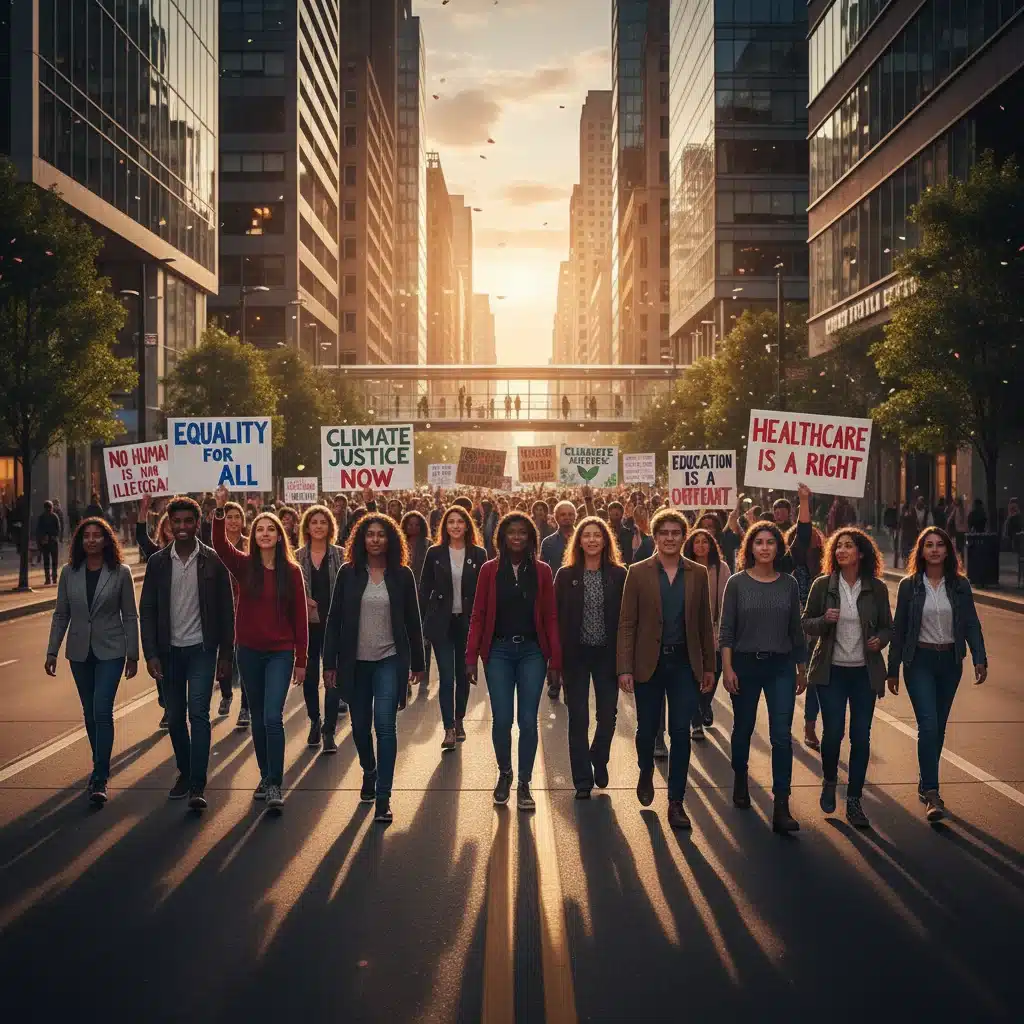
In the dynamic tapestry of American history, few threads are as vibrant and persistent as those woven by social justice movements. These collective efforts, born from shared grievances and aspirations for a more equitable society, have consistently reshaped the nation’s legal, cultural, and political landscapes. As we stand in 2026, the echoes of past struggles reverberate through contemporary activism, demonstrating an enduring influence that continues to challenge norms and drive progress. Understanding the evolution and current impact of social justice movements is not merely an academic exercise; it is crucial for comprehending the very fabric of modern US society.
The concept of social justice, at its core, advocates for a society where all individuals have equal rights, opportunities, and treatment, regardless of their background. This principle has fueled countless movements, from the abolitionist cause and women’s suffrage to the Civil Rights Movement and LGBTQ+ rights. Each movement, while distinct in its focus and approach, shares a common thread: the pursuit of fundamental fairness and the dismantling of systemic barriers. In 2026, this pursuit remains as vital as ever, with new challenges emerging and old injustices persisting in new forms.
This comprehensive overview will delve into the multifaceted influence of social justice movements on US society in 2026. We will explore their historical context, analyze their contemporary strategies, and assess their impact on various sectors, including policy-making, corporate responsibility, and cultural discourse. By examining the persistent efforts of these movements, we can better understand the ongoing evolution of American ideals and the collective journey towards a more just future.
The Historical Resonance of Social Justice Movements
To appreciate the current landscape of social justice movements, one must first acknowledge their deep historical roots. The fight for justice in America is not a recent phenomenon; it is a continuous narrative stretching back centuries. From the earliest calls for indigenous rights and the abolition of slavery to the suffragettes’ relentless campaign for voting rights, these movements have consistently pushed the boundaries of what is considered acceptable and just. The Civil Rights Movement of the mid-20th century, a watershed moment, not only secured landmark legislation but also laid the groundwork for future activism, demonstrating the power of collective action and non-violent resistance.
From Abolition to Civil Rights: A Legacy of Struggle
The abolitionist movement, driven by moral imperatives and fierce determination, ultimately led to the end of slavery, though the promise of true equality remained elusive for generations. The women’s suffrage movement, spanning decades, culminated in the 19th Amendment, granting women the right to vote. These early victories, hard-won and often met with violent opposition, established a precedent: that systemic injustice, however entrenched, could be challenged and eventually overcome through sustained public pressure and organized advocacy.
The Civil Rights Movement, spearheaded by figures like Martin Luther King Jr., Rosa Parks, and countless unsung heroes, fundamentally altered the legal and social fabric of the United States. Through boycotts, sit-ins, and marches, activists exposed the brutal realities of segregation and racial discrimination, forcing the nation to confront its hypocrisies. The Civil Rights Act of 1964 and the Voting Rights Act of 1965 were monumental achievements, legally dismantling Jim Crow laws and expanding democratic participation. However, these legislative victories did not eradicate racism or discrimination entirely; rather, they shifted the battleground, revealing the need for continued vigilance against more subtle, systemic forms of inequality.
The Rise of New Movements: Expanding the Definition of Justice
The success of the Civil Rights Movement inspired a new wave of activism, expanding the definition of social justice to encompass a broader range of identities and issues. The LGBTQ+ rights movement, initially a marginalized struggle, gained significant momentum in the late 20th and early 21st centuries, leading to landmark legal protections and increased societal acceptance. The disability rights movement fought for accessibility and inclusion, resulting in transformative legislation like the Americans with Disabilities Act. Environmental justice movements emerged, highlighting the disproportionate impact of pollution and climate change on marginalized communities. Each of these movements built upon the strategies and lessons learned from their predecessors, demonstrating an evolving understanding of intersectionality and the interconnectedness of various forms of oppression.
Social Justice Movements in 2026: Contemporary Landscape and Key Issues
In 2026, the landscape of social justice movements is characterized by both continuity and change. While many foundational issues persist, new challenges have emerged, often amplified by technological advancements, global interconnectedness, and shifting political ideologies. The movements of today are often more decentralized, globally aware, and adept at utilizing digital platforms for organization and advocacy.
Racial Justice: The Ongoing Fight Against Systemic Racism
Racial justice remains a paramount concern in 2026. The Black Lives Matter movement, which gained global prominence in the preceding decade, continues to advocate for police accountability, an end to systemic racism, and reparations for historical injustices. Its influence has led to significant shifts in public discourse, policy reforms in some jurisdictions, and a heightened awareness of racial bias in institutions. However, the fight is far from over, with ongoing debates about police brutality, voting rights restrictions, and economic disparities continuing to drive activism.
Indigenous rights movements are also gaining increased visibility, demanding recognition of tribal sovereignty, protection of ancestral lands, and environmental justice in the face of resource extraction projects. The struggles for land back and the honoring of treaties are central to these efforts, challenging centuries of colonial injustice.
Gender Equality and Reproductive Rights: A Persistent Battle
The movement for gender equality, encompassing women’s rights and the rights of transgender and non-binary individuals, continues to be a powerful force. In 2026, issues such as equal pay, workplace discrimination, and representation in leadership roles remain critical. The fight for reproductive rights has taken on renewed urgency, particularly after significant legal setbacks in previous years. Activists are mobilizing to protect access to reproductive healthcare, advocating for legislative solutions and challenging restrictive state laws. The intersection of gender and race, particularly for women of color, highlights the complex layers of discrimination that many face.
LGBTQ+ Rights: Advancing Inclusion and Protecting Gains
While significant progress has been made in LGBTQ+ rights, including marriage equality, the movement in 2026 faces new challenges. Legislative efforts to restrict the rights of transgender individuals, particularly youth, have spurred widespread protests and advocacy. The fight for comprehensive non-discrimination protections in housing, employment, and public accommodations continues. Furthermore, global LGBTQ+ rights movements are increasingly interconnected, with activists in the US lending support and solidarity to struggles for equality worldwide.
Climate Justice: Intersecting Environmentalism with Equity
Climate change, once perceived primarily as an environmental issue, is now widely recognized as a critical social justice concern. Climate justice movements emphasize that the impacts of climate change disproportionately affect marginalized communities, who often have contributed the least to the crisis but bear the brunt of its consequences. In 2026, these movements advocate for equitable climate policies, sustainable development, and a just transition away from fossil fuels that prioritizes the needs of vulnerable populations and frontline communities. This includes advocating for clean energy access, protection from environmental pollution, and support for communities displaced by climate disasters.
Strategies and Tactics of Modern Social Justice Movements
The strategies employed by social justice movements in 2026 are diverse, adaptable, and often highly sophisticated. They blend traditional forms of activism with innovative digital approaches, leveraging technology to amplify their messages and mobilize supporters.
Digital Activism and Online Organizing
Social media platforms have become indispensable tools for modern social justice movements. They facilitate rapid information dissemination, allow for decentralized organizing, and enable activists to connect with a global audience. Hashtag campaigns, online petitions, and live streaming of protests have become commonplace, creating a powerful digital footprint that can pressure institutions and influence public opinion. However, digital activism also presents challenges, including the spread of misinformation, online harassment, and the potential for echo chambers.
Direct Action and Civil Disobedience
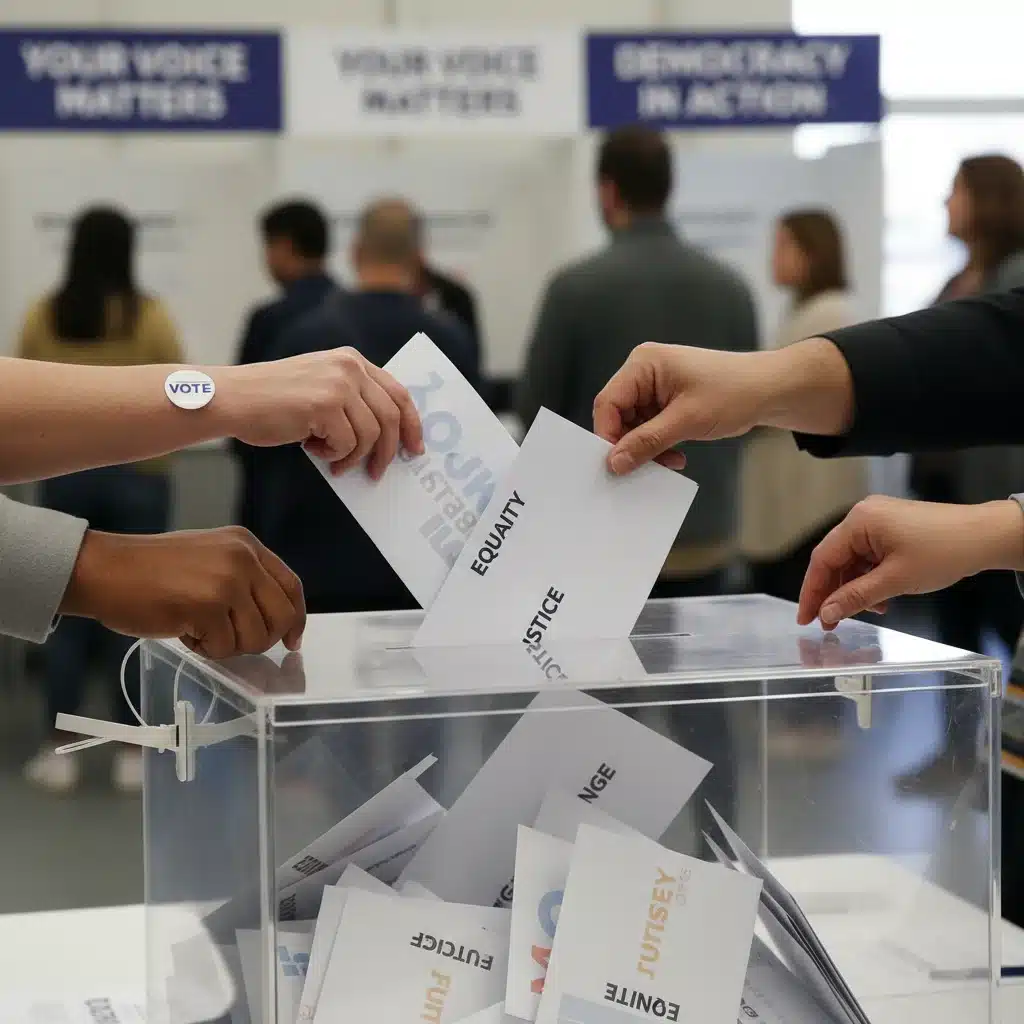
Despite the rise of digital tools, direct action and civil disobedience remain potent strategies. Peaceful protests, marches, sit-ins, and boycotts continue to be vital for raising awareness, disrupting business as usual, and demonstrating the collective power of a movement. These actions often draw media attention, forcing issues into the public consciousness and onto the political agenda. The effectiveness of direct action lies in its ability to create moral urgency and exert pressure on decision-makers.
Legal and Legislative Advocacy
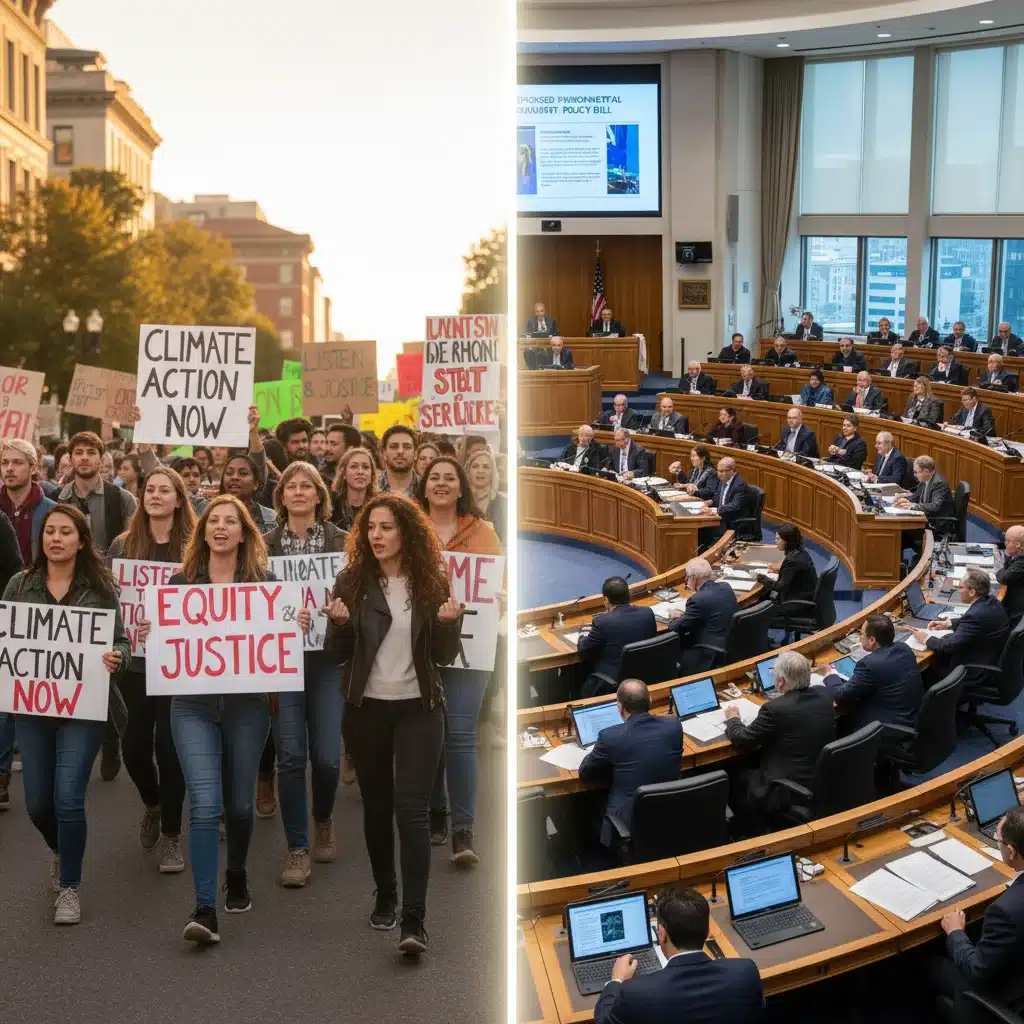
Beyond street-level activism, social justice movements extensively engage in legal and legislative advocacy. This involves lobbying lawmakers, drafting policy proposals, supporting political candidates who align with their goals, and challenging discriminatory laws in court. Organizations like the ACLU, NAACP Legal Defense Fund, and Lambda Legal play crucial roles in this aspect, using legal precedent and constitutional arguments to advance justice. The interplay between grassroots organizing and strategic legal action is often key to achieving lasting systemic change.
Cultural Production and Narrative Shifting
An often-underestimated aspect of social justice movements is their influence on culture and narrative. Through art, music, literature, film, and educational initiatives, movements work to shift public perceptions, challenge stereotypes, and promote empathy. By telling their own stories and reclaiming narratives, marginalized communities can counteract dominant discourses that perpetuate injustice. This cultural work is essential for fostering a deeper understanding of social issues and building broad-based support for change.
The Enduring Influence: Impact on US Society in 2026
The cumulative effect of social justice movements on US society in 2026 is undeniable. Their influence extends across various domains, fundamentally altering laws, institutions, and cultural norms.
Policy and Legislation
Perhaps the most tangible impact of social justice movements is on policy and legislation. From the Civil Rights Act to the Americans with Disabilities Act, and more recently, state-level police reform bills and LGBTQ+ anti-discrimination laws, these movements have been instrumental in shaping the legal framework of the nation. In 2026, ongoing advocacy continues to push for comprehensive immigration reform, federal protections for voting rights, and equitable healthcare access. While legislative victories can be slow and incremental, they represent significant milestones in the pursuit of justice.
Corporate Responsibility and ESG Initiatives
Social justice movements have also significantly influenced the corporate sector. Companies are increasingly facing pressure from consumers, employees, and investors to demonstrate a commitment to social responsibility. This has led to the rise of Environmental, Social, and Governance (ESG) initiatives, where corporations are evaluated not just on financial performance but also on their ethical and social impact. Diversity, equity, and inclusion (DEI) programs have become prevalent, though their effectiveness and genuine commitment are often scrutinized by activists. Movements are holding corporations accountable for their supply chains, labor practices, and environmental footprint, pushing for more ethical and sustainable business models.
Cultural Shifts and Public Discourse
Beyond laws and corporate policies, social justice movements have profoundly reshaped American culture and public discourse. Concepts once considered radical, such as intersectionality, systemic racism, and gender fluidity, have entered mainstream conversations. Public awareness of historical injustices and contemporary inequalities has grown, leading to a greater demand for accountability and change. While backlash and resistance are always present, the shift in societal attitudes over decades is evident, reflecting the persistent efforts of activists to educate and persuade.
Challenges and Future Directions for Social Justice Movements
Despite their enduring influence, social justice movements in 2026 face significant challenges. These hurdles often require movements to adapt their strategies and forge new alliances.
Political Polarization and Backlash
One of the most formidable challenges is the increasing political polarization in the US. Efforts to advance social justice are often met with organized resistance and backlash, particularly from conservative political factions and media outlets. This can manifest in legislative efforts to roll back protections, judicial appointments that challenge established rights, and the proliferation of misinformation designed to discredit movements. Navigating this polarized environment requires strategic communication, coalition-building, and resilience.
Funding and Sustainability
Many social justice organizations operate with limited resources, relying on donations and volunteer labor. Sustaining long-term campaigns, especially in the face of well-funded opposition, remains a significant challenge. Ensuring adequate funding for grassroots organizations, legal defense funds, and advocacy groups is crucial for the continued strength of these movements.
Internal Divisions and Intersectionality
While intersectionality is a powerful framework for understanding overlapping oppressions, internal divisions within movements can sometimes arise. Debates over priorities, tactics, and representation are natural in any broad-based movement. The challenge lies in fostering solidarity and unity across diverse groups with varied experiences, ensuring that the voices of the most marginalized are heard and centered.
The Role of Technology: Opportunities and Threats
As mentioned, technology offers immense opportunities for organizing and advocacy. However, it also presents threats, including surveillance, online harassment, and the potential for digital echo chambers to limit exposure to diverse perspectives. Movements must constantly adapt their digital strategies to maximize impact while mitigating risks.
Looking Ahead: The Future of Social Justice in the US
The future of social justice movements in the US will likely be characterized by continued adaptation and innovation. We can expect an increased focus on intersectional approaches, recognizing that issues like racial justice, climate justice, economic justice, and gender equality are deeply intertwined. There will likely be a greater emphasis on local and state-level organizing, as federal progress can be slow and contested. The role of youth activism, already prominent, is expected to grow, bringing new energy and perspectives to the fight for justice.
Furthermore, global solidarity will become even more critical. US social justice movements will increasingly connect with international counterparts, recognizing that many injustices are global in scope and require coordinated efforts. The fight for human rights, democracy, and equity transcends national borders, and the interconnectedness of global challenges will necessitate a more unified approach.
Conclusion: The Unfinished Journey Towards a More Just Society
As of 2026, social justice movements continue to be indispensable forces for change in US society. From their historical roots in the fight against slavery and for women’s suffrage to their contemporary battles for racial equity, climate justice, and LGBTQ+ rights, these movements have consistently pushed the nation towards its highest ideals. They have demonstrated that progress is not inevitable; it is the result of persistent advocacy, courageous action, and unwavering commitment to the principle of equality for all.
The enduring influence of social justice movements is evident in the laws that protect rights, the corporate policies that aim for greater responsibility, and the cultural conversations that challenge discrimination. While significant challenges remain, and the journey towards a truly just society is far from over, the resilience and adaptability of these movements offer hope. They remind us that the power to shape a more equitable future lies in the collective will of those who dare to dream of a better world and work tirelessly to make it a reality. The ongoing efforts of social justice movements in 2026 serve as a powerful testament to the transformative potential of collective action and the unyielding pursuit of human dignity.