Gig Economy 2026: Financial Impact on US Workforce
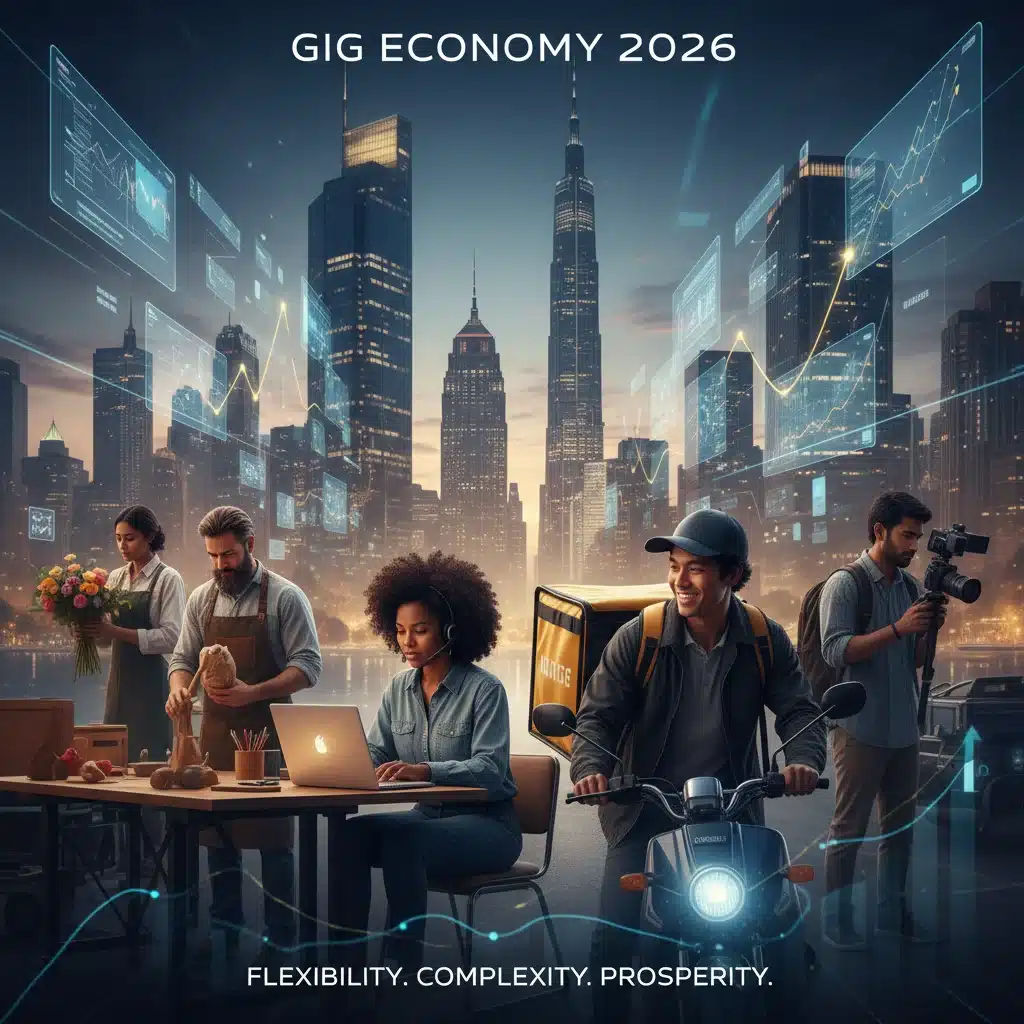
The Rise of the Gig Economy: A 2026 Analysis of its Financial Impact on 25% of the US Workforce
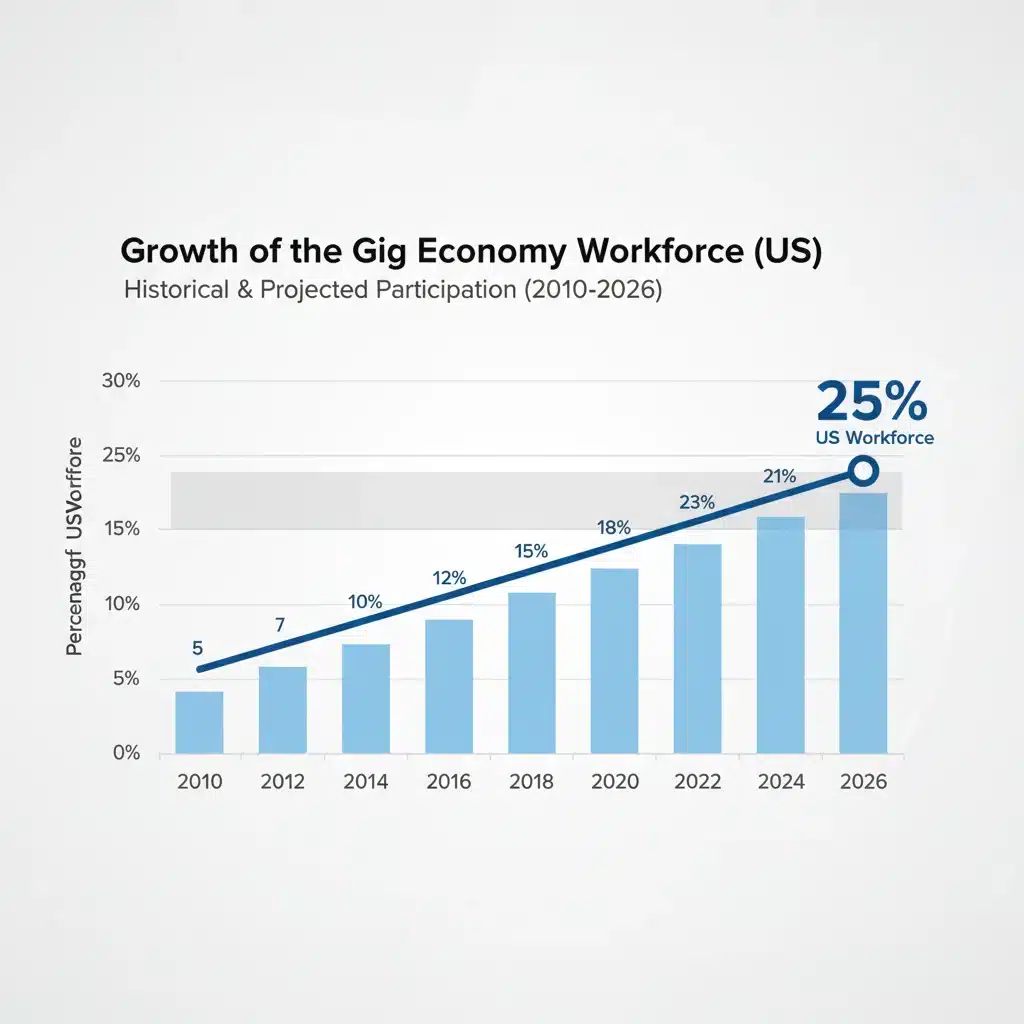
The landscape of work is undergoing a profound transformation, and at its epicenter is the gig economy. Once a fringe concept, it has rapidly evolved into a dominant force, reshaping how millions earn a living and interact with the labor market. As we peer into 2026, projections indicate that a staggering 25% of the US workforce will be actively engaged in gig work. This isn’t merely a statistical shift; it represents a fundamental recalibration of financial stability, career paths, and economic paradigms for a significant portion of the American populace. Understanding the multifaceted financial impact of this evolution is crucial for individuals, businesses, and policymakers alike.
The term "gig economy" itself encompasses a broad spectrum of work arrangements. From freelance writers and graphic designers to rideshare drivers and on-demand delivery personnel, the common thread is often independent contractor status, project-based work, and a departure from traditional, full-time employment. This flexibility, while appealing to many, carries with it a unique set of financial implications that demand closer scrutiny. As we delve deeper, we will explore the drivers behind this growth, the economic opportunities it presents, and the significant financial challenges that accompany this new era of work.
Defining the Gig Economy: More Than Just Side Hustles
Before dissecting its financial impact, it’s essential to establish a clear understanding of what constitutes the gig economy. It’s often characterized by short-term contracts or freelance work, as opposed to permanent jobs. Workers are typically paid for individual "gigs" or tasks. This model is facilitated by digital platforms that connect workers with clients or customers, creating a decentralized marketplace for services. The allure for workers often lies in autonomy, flexible hours, and the ability to diversify income streams. For businesses, it offers agility, reduced overheads, and access to specialized skills without the long-term commitments of traditional employment.
The expansion of the gig economy is not a sudden phenomenon but rather the culmination of several converging trends. Technological advancements, particularly the ubiquity of smartphones and high-speed internet, have made it easier than ever to connect supply and demand for services. Shifting societal attitudes towards work-life balance, a desire for greater personal control, and the economic aftermath of various crises have also pushed more individuals towards independent work. This confluence of factors has created fertile ground for the gig economy to flourish, transforming it from a niche sector into a significant component of the overall US labor market.
Understanding the sheer scale of this shift is critical. When we talk about 25% of the US workforce, we’re discussing tens of millions of individuals whose primary or supplementary income derives from gig work. This demographic diversity is vast, encompassing young professionals, parents seeking flexible schedules, retirees supplementing their pensions, and individuals using gig work as a bridge between traditional jobs. Each group experiences the financial realities of the gig economy differently, highlighting the need for a nuanced analysis of its benefits and drawbacks.
The Economic Opportunities: Flexibility and Diversified Income
One of the most frequently cited benefits of the gig economy is the unparalleled flexibility it offers. Workers can often set their own hours, choose their projects, and work from virtually anywhere, provided the gig allows. This autonomy is particularly valuable for those balancing other commitments, such as childcare, education, or caring for elderly relatives. For many, this flexibility translates into a better quality of life and a greater sense of control over their professional trajectory.
Financially, this flexibility can translate into significant opportunities. Gig workers can often take on multiple jobs simultaneously, diversifying their income streams and potentially increasing their overall earnings. This can act as a crucial buffer against economic downturns or job instability, as the loss of one gig doesn’t necessarily mean a complete loss of income. For individuals in industries prone to seasonal fluctuations or project-based work, the gig economy provides a consistent avenue for earning.
Moreover, the gig economy lowers the barrier to entry for many types of work. Individuals without traditional qualifications or extensive work histories can often find opportunities based on their skills and willingness to work. This can be particularly empowering for marginalized groups or those seeking to re-enter the workforce. New entrepreneurs can also test business ideas and build a client base with relatively low startup costs, leveraging platforms to connect with their first customers.
For some, the gig economy offers a path to higher earnings than traditional employment, especially for highly skilled freelancers in fields like tech, consulting, or creative arts. These professionals can command premium rates for their specialized expertise, often exceeding what they might earn as salaried employees. The ability to choose clients and projects that align with their skill set and personal values also contributes to job satisfaction, which, while not directly financial, can indirectly impact long-term career success and earning potential.
The Financial Challenges: Instability and Lack of Benefits
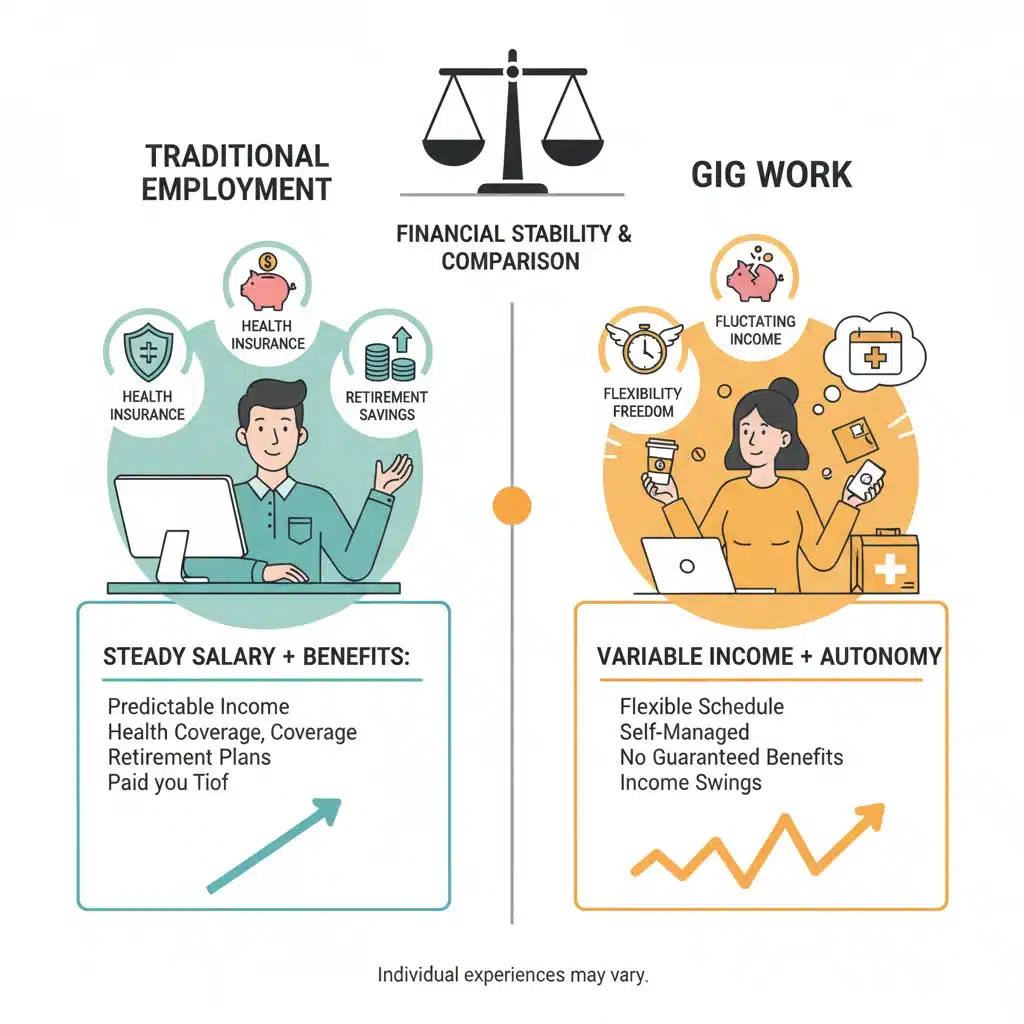
Despite the apparent advantages, the gig economy presents a unique set of financial challenges, particularly for the 25% of the US workforce relying on it. The most prominent concern is income instability. Unlike traditional employment with a predictable salary, gig work often involves fluctuating income, making budgeting and financial planning incredibly difficult. Periods of high demand can be followed by lean times, creating significant stress and uncertainty for workers.
A major drawback is the absence of traditional employee benefits. Gig workers are typically classified as independent contractors, meaning they do not receive employer-sponsored health insurance, paid time off, retirement contributions, or unemployment benefits. These are significant financial burdens that fall entirely on the individual. For instance, obtaining adequate health insurance can be prohibitively expensive, and saving for retirement requires diligent personal financial management without an employer match.
Furthermore, gig workers are responsible for paying the self-employment tax, which includes both the employer and employee portions of Social Security and Medicare taxes. This means a higher tax burden compared to salaried employees, often catching new gig workers by surprise. The lack of standardized pay rates and the competitive nature of some platforms can also lead to downward pressure on wages, making it challenging for some to earn a living wage.
Another overlooked aspect is the cost of doing business. Gig workers often incur expenses that traditional employees do not, such as equipment costs, software subscriptions, insurance, and transportation. For rideshare drivers, this includes vehicle maintenance, fuel, and depreciation. These expenses reduce net income and can erode potential earnings if not carefully managed. The administrative burden of tracking income and expenses for tax purposes also adds another layer of complexity and potential cost.
The lack of a safety net is perhaps the most significant financial vulnerability for gig workers. Without unemployment insurance, a sudden illness, injury, or economic downturn can leave them without any income source. This precariousness can lead to increased debt, housing instability, and a general sense of financial insecurity, directly impacting the well-being of a quarter of the US workforce.
Comparison with Traditional Employment: A Shifting Paradigm
The rise of the gig economy necessitates a critical comparison with traditional employment models. For decades, the standard path involved a full-time job with a single employer, offering a steady paycheck, benefits, and a clear career ladder. This model provided a degree of financial predictability and security that gig work often lacks. The "social contract" between employer and employee, however imperfect, offered a framework for mutual obligations and protections.
The shift towards gig work fundamentally alters this contract. While traditional employment offers stability, it often comes with less flexibility and autonomy. Workers are subject to corporate policies, fixed schedules, and a hierarchical structure. Career progression is often linear and tied to the specific company. The financial benefits, such as health insurance and retirement plans, are significant but come at the cost of less personal control over work arrangements.
In contrast, the gig economy champions autonomy and flexibility but often at the expense of financial security and benefits. Gig workers are, in essence, their own businesses, responsible for their own benefits, taxes, and career development. This requires a different set of skills—entrepreneurialism, self-discipline, and financial literacy—that are not always inherent or easily acquired. The "career ladder" in the gig economy is often horizontal, involving building a diverse portfolio of clients and skills rather than climbing within a single organization.
From a macroeconomic perspective, the growth of the gig economy can impact traditional labor markets. It can put pressure on wages in certain sectors, as companies may opt for more flexible, contract-based labor over permanent hires. This can lead to a dual labor market, with a segment of the workforce enjoying traditional benefits and another segment navigating the uncertainties of gig work. The long-term implications for social safety nets and government revenue, which are often tied to traditional employment structures, are also a significant concern.
Policy Responses and Future Outlook for Gig Economy Impact
As the gig economy continues its trajectory to encompass 25% of the US workforce by 2026, policymakers are grappling with how to adapt existing labor laws and social safety nets to this new reality. The current legal framework, largely designed for traditional employer-employee relationships, often leaves gig workers in a legal and financial gray area. Debates around worker classification—whether gig workers are independent contractors or employees—are central to this discussion, as reclassification could entitle them to minimum wage, overtime pay, and other benefits.
Several states and municipalities have begun to experiment with different approaches. Some have passed legislation aimed at providing gig workers with certain protections, such as guaranteed minimum earnings or access to benefits funds. Others are exploring models that create a third category of worker, distinct from both employees and independent contractors, to offer a hybrid of flexibility and protection. The goal is to strike a balance that supports innovation and flexibility while ensuring fair treatment and adequate financial security for gig workers.
Looking ahead to 2026 and beyond, we can anticipate several key trends shaping the financial impact of the gig economy. There will likely be continued pressure for clearer regulations and potentially national standards for gig worker rights. The development of portable benefits programs, which allow workers to carry benefits like health insurance and retirement savings from gig to gig, is a promising area of innovation. Technology will also play a role in creating new tools for gig workers to manage their finances, taxes, and benefit needs more effectively.
Furthermore, as the gig economy matures, we may see an increasing specialization of gig work, with platforms emerging for highly skilled professionals. This could lead to a more stratified gig economy, where high-demand skills command premium rates and greater stability, while lower-skilled gigs continue to face challenges related to pay and benefits. The role of unions and worker advocacy groups in organizing gig workers and negotiating for better terms is also expected to grow, potentially leading to collective bargaining agreements that improve financial outcomes.
Navigating the Gig Economy: Advice for Workers
For individuals currently in or considering joining the 25% of the US workforce in the gig economy by 2026, proactive financial planning is paramount. The autonomy and flexibility come with significant responsibilities, and success hinges on a strategic approach to managing income, expenses, and benefits.
Firstly, building a robust emergency fund is non-negotiable. With fluctuating income, having several months’ worth of living expenses saved can provide a crucial safety net during lean periods or unexpected downturns. This fund acts as your personal unemployment insurance and can alleviate significant financial stress.
Secondly, understanding and managing taxes is critical. Gig workers are responsible for self-employment taxes and quarterly estimated tax payments. It’s advisable to set aside a significant percentage of every payment for taxes and to consult with a tax professional who specializes in independent contractors. Keeping meticulous records of all income and business expenses will be invaluable during tax season.
Thirdly, securing your own benefits is essential. This includes researching and purchasing health insurance, contributing to a retirement account (such as a SEP IRA or Solo 401(k)), and considering disability insurance. These are investments in your future financial security and should be prioritized as much as any other business expense.
Fourthly, diversify your income streams. Relying on a single platform or client can be just as precarious as relying on a single employer. Actively seek out multiple gigs or clients to spread your risk and ensure a more consistent income flow. Building a strong professional network and continuously upgrading your skills can also open doors to higher-paying opportunities.
Finally, continuously evaluate your rates and negotiate for fair compensation. As an independent contractor, you are a business owner. Understand the market value of your skills and services, and don’t be afraid to advocate for yourself. Regularly reviewing your financial goals and adjusting your strategy accordingly will be key to thriving in the dynamic gig economy.
The Broader Societal and Economic Implications
The widespread adoption of the gig economy, touching a quarter of the US workforce, carries profound societal and economic implications beyond individual financial well-being. This shift challenges traditional notions of employment, labor rights, and social safety nets, forcing a reevaluation of fundamental economic structures.
One significant implication is the potential for increased income inequality. While some highly skilled gig workers can command high rates, a large segment of the gig workforce, particularly in service-oriented roles, may experience downward pressure on wages and a lack of benefits, widening the gap between the financially secure and the precarious. This dual-class labor system could have long-term consequences for social cohesion and economic mobility.
Another area of concern is the impact on local economies and communities. The rise of platform-based work can sometimes bypass local businesses and traditional employment structures, leading to a hollowing out of certain sectors. Conversely, it can also stimulate new local services and entrepreneurial activities, creating a complex interplay of forces that vary by region and industry.
The gig economy also raises questions about the future of social welfare programs. Systems designed around full-time, employer-provided benefits and contributions may struggle to support a workforce dominated by independent contractors. This necessitates innovative policy solutions, such as universal basic income discussions, portable benefits, or new forms of social insurance that are not tied to a single employer. The fiscal health of state and federal governments could also be impacted by changes in tax collection and the demand for social services.
From a consumer perspective, the gig economy offers unprecedented convenience and often lower costs for services, from transportation to food delivery to specialized professional help. This accessibility can improve quality of life for many and drive economic activity. However, it also raises questions about the ethical implications of certain business models, worker exploitation, and data privacy.
Ultimately, the gig economy’s financial impact on 25% of the US workforce by 2026 is a phenomenon that requires ongoing monitoring and adaptive policy responses. It is not merely a trend but a fundamental reshaping of how work is done, how value is created, and how individuals achieve financial stability in the 21st century. Navigating this new landscape successfully will require collaboration between workers, platforms, businesses, and governments to create a sustainable and equitable future of work for all.
Conclusion: Embracing the Future of Work with Caution and Foresight
The projected reality of 25% of the US workforce engaged in the gig economy by 2026 marks a pivotal moment in labor history. This transformation is not a fleeting trend but a deeply embedded shift driven by technological progress, evolving societal values, and economic pressures. While the gig economy offers undeniable advantages in terms of flexibility, autonomy, and diversified income streams for many, it also presents significant financial challenges related to instability, lack of benefits, and the absence of a traditional safety net.
The financial impact is complex and varied, creating both opportunities for unprecedented control over one’s work life and vulnerabilities that demand careful navigation. For individual workers, proactive financial planning, including building emergency funds, managing taxes, securing personal benefits, and diversifying income, is not just advisable but essential for long-term success and stability.
For businesses, the gig economy offers agility and access to a vast talent pool, but it also prompts a reevaluation of talent management strategies and corporate social responsibility. The imperative to integrate gig workers fairly and effectively into broader operational frameworks will become increasingly critical.
Crucially, policymakers face the urgent task of modernizing labor laws and social safety nets to reflect the realities of this new workforce. The goal must be to foster an environment where innovation thrives, while simultaneously ensuring that a significant portion of the population is not left behind without adequate financial protections and opportunities for economic advancement. Debates around worker classification, portable benefits, and new forms of social insurance will undoubtedly intensify as 2026 approaches and passes.
As we move forward, the success of the gig economy will be measured not only by its economic output but also by its ability to provide sustainable and equitable financial opportunities for all participants. Understanding its multifaceted financial impact is the first step toward building a future of work that is both dynamic and just. The journey ahead requires foresight, adaptability, and a collective commitment to shaping an economy that serves the needs of its diverse workforce.