Family Structures: Global Cultural Shifts & Future Outlook
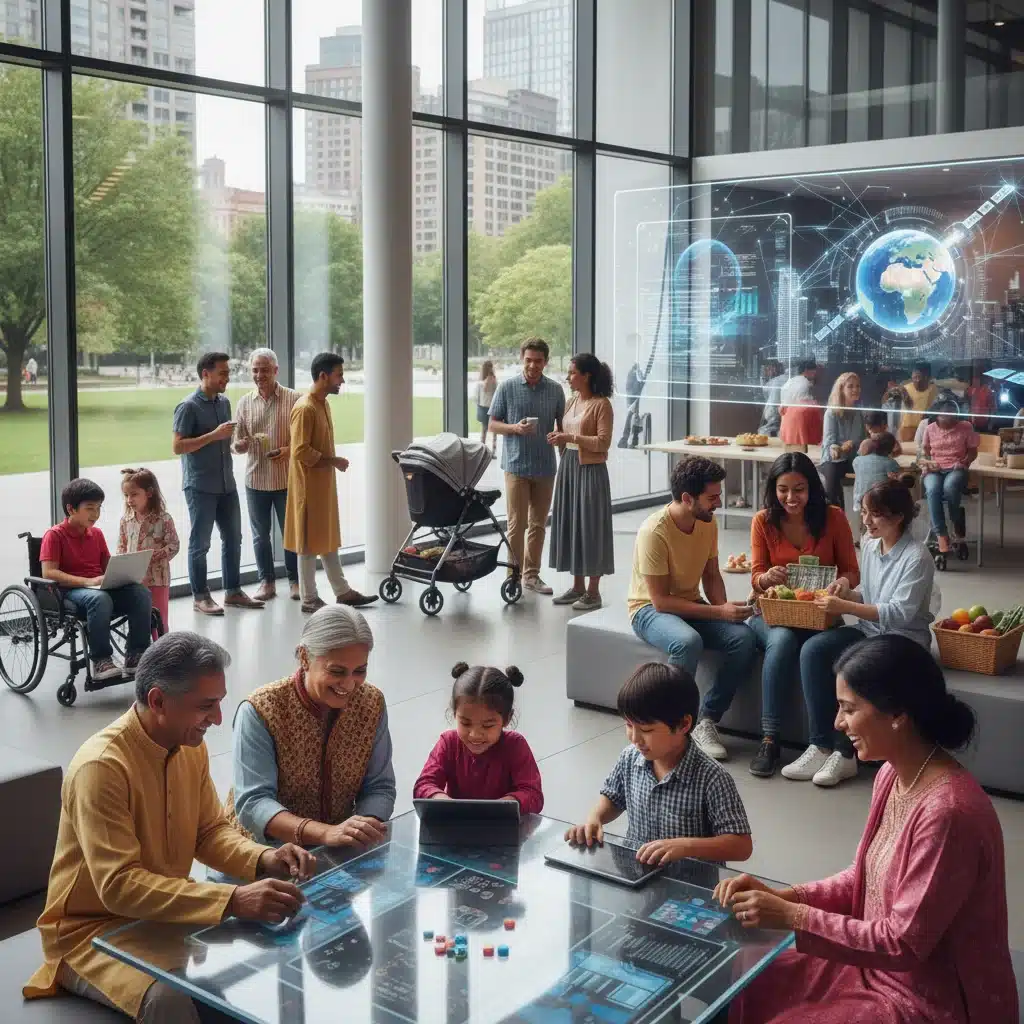
The family, in its myriad forms, has always been the cornerstone of human society. Yet, what constitutes a ‘family’ is far from static. It’s a dynamic entity, constantly evolving under the influence of cultural norms, economic pressures, technological advancements, and shifting societal values. Understanding these transformations, particularly the evolution of global family structures, is not merely an academic exercise; it’s crucial for policymakers, educators, businesses, and individuals seeking to navigate an increasingly complex world.
In the next 12 months, we can anticipate accelerated shifts in how families are formed, maintained, and perceived across the globe. These changes are not uniform; they manifest differently across cultures, each with its unique historical trajectory and contemporary challenges. This comprehensive exploration delves into three distinct cultural perspectives – the traditional, the evolving, and the avant-garde – to illuminate the diverse pathways of family evolution and offer a glimpse into what the future holds for global family structures.
The Enduring Legacy: Traditional Family Structures in a Modern World
For centuries, many societies have been anchored by traditional family structures, often characterized by extended kinship networks, patriarchal hierarchies, and a strong emphasis on lineage and community. These structures, deeply embedded in cultural and religious practices, have provided stability, social cohesion, and a clear framework for individual roles and responsibilities. However, even these seemingly immutable forms are undergoing significant transformations in the face of globalization and modernization.
The Asian Context: Filial Piety Meets Urbanization
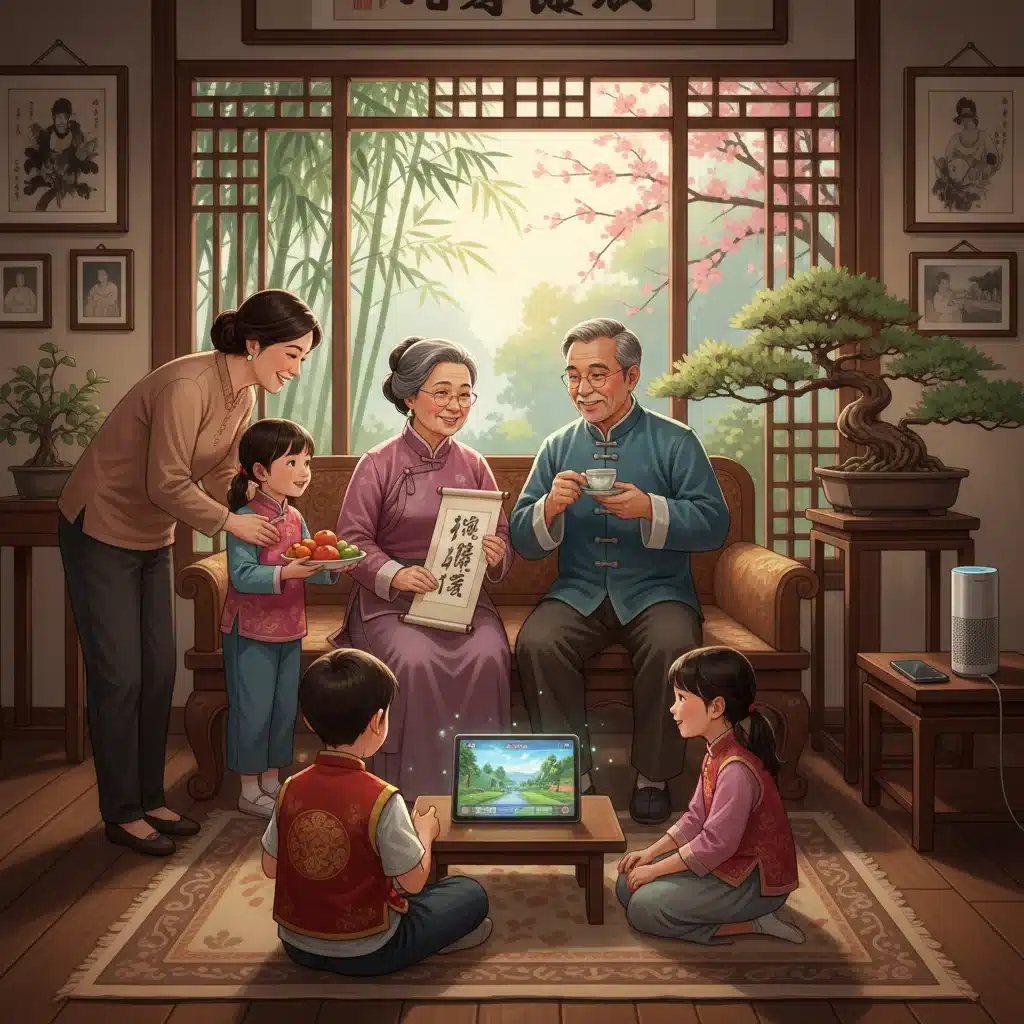
In many parts of Asia, the extended family remains a powerful ideal, often encompassing multiple generations living under one roof or in close proximity. Filial piety, the virtue of respect for one’s parents, elders, and ancestors, is a foundational principle that dictates intergenerational relationships and caregiving responsibilities. This model, while offering robust support systems, is being challenged by rapid urbanization, economic development, and changing aspirations.
As young people migrate to cities for education and employment, the geographical proximity that once facilitated extended family living diminishes. Smaller nuclear families become more common in urban centers, leading to questions about elder care and the transmission of cultural traditions. However, rather than disappearing entirely, these traditional structures are adapting. We see the rise of ‘modified extended families,’ where family members may not live together but maintain strong emotional and financial ties, often facilitated by technology. Regular video calls, financial remittances, and frequent visits become the new arteries of connection, ensuring that the spirit of filial piety endures, albeit in a geographically dispersed manner.
The next 12 months will likely see continued innovation in how these families balance traditional expectations with modern realities. Governments and communities are exploring new social support systems to complement family care, recognizing the increasing strain on nuclear units. Simultaneously, there’s a resurgence of interest among younger generations in reconnecting with their heritage, leading to a re-evaluation of the benefits of extended family networks, particularly in times of economic uncertainty or global crises.
The African Context: Community, Kinship, and Economic Pressures
Across many African cultures, family extends far beyond the nuclear unit to encompass a vast network of relatives, often including cousins, aunts, uncles, and even community members who are considered ‘family.’ This communal approach provides a robust safety net, sharing resources, responsibilities, and emotional support. Children are often raised by the community, and collective decision-making is common. This emphasis on collective well-being over individualistic pursuits is a hallmark of many African global family structures.
However, economic pressures, such as poverty, unemployment, and migration for work, are placing immense stress on these traditional systems. The HIV/AIDS epidemic, for instance, created a generation of orphans and grand-parent-headed households, forcing communities to adapt and redefine caregiving roles. Climate change and conflict also contribute to displacement, separating families and challenging traditional support networks.
Despite these challenges, the resilience of African family structures is remarkable. The next year will likely witness continued efforts to strengthen community bonds and adapt traditional support mechanisms to new realities. The rise of mobile technology, for example, is enabling remittances and communication across vast distances, helping to maintain kinship ties even when families are geographically separated. There’s also a growing recognition of the importance of indigenous knowledge and practices in fostering sustainable family and community well-being, leading to initiatives that blend traditional wisdom with modern solutions to address contemporary issues facing global family structures.
The Shifting Sands: Evolving Family Structures in the West
Western societies have long been characterized by the prevalence of the nuclear family – a married couple and their biological children. While this model remains significant, it has been undergoing a profound transformation for decades, driven by factors such as increased female participation in the workforce, delayed marriage and parenthood, rising divorce rates, and greater acceptance of diverse lifestyles. These shifts have led to a proliferation of new family forms, challenging conventional definitions and broadening our understanding of global family structures.
The Rise of Blended and Single-Parent Families
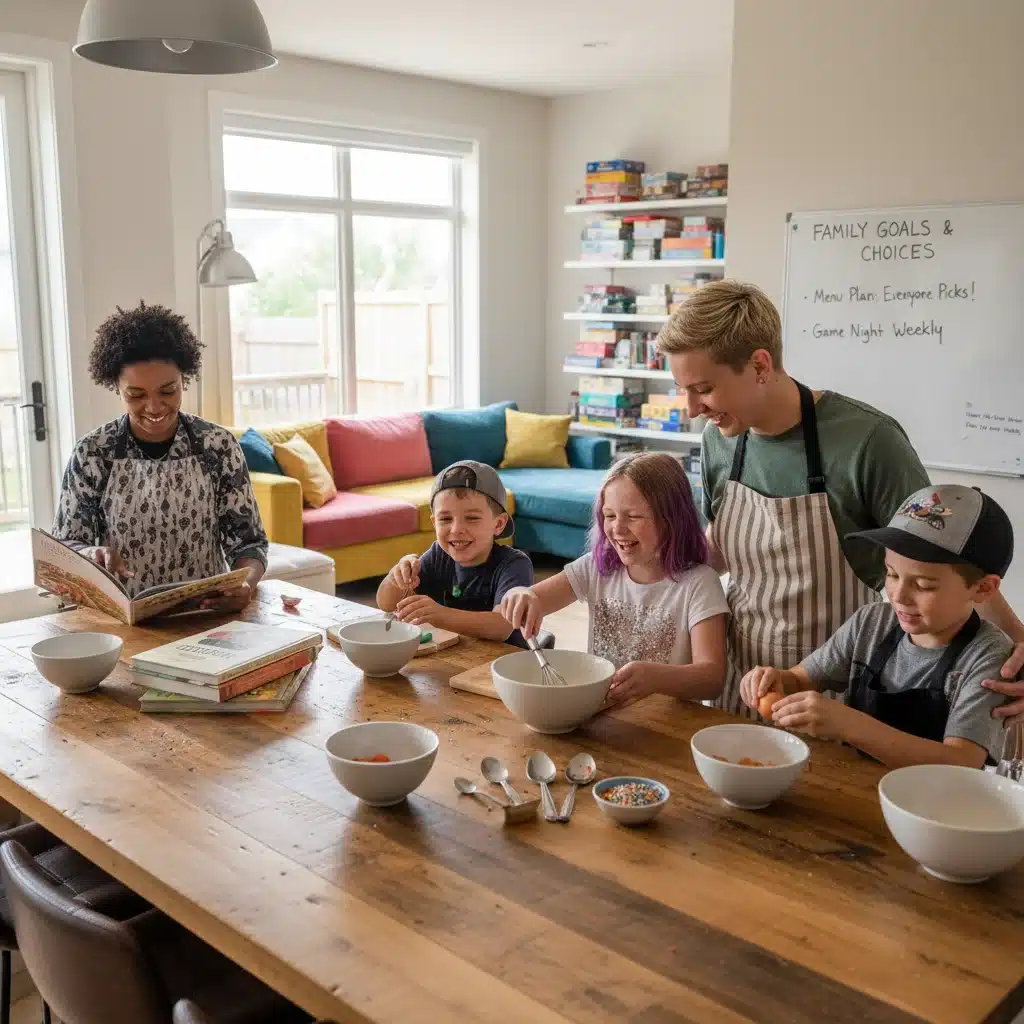
Divorce and remarriage have led to a significant increase in blended families, where children from previous relationships come together under one roof. These families often require complex negotiations around parenting styles, discipline, and emotional integration. Similarly, single-parent families, whether due to divorce, separation, or choice, have become increasingly common. These families often face unique economic and social challenges, yet also demonstrate immense resilience and adaptability. The stigma once associated with these family forms is gradually receding, giving way to greater societal acceptance and calls for more inclusive support systems.
In the coming 12 months, we can expect continued growth in the diversity of these family arrangements. Support networks and resources tailored to the specific needs of blended and single-parent families will become even more critical. This includes everything from specialized counseling services to community programs that foster a sense of belonging and provide practical assistance. The legal frameworks surrounding custody, inheritance, and parental rights will also continue to evolve to better reflect the complexities of these modern global family structures.
Delayed Parenthood and Childfree Lifestyles
A notable trend in many Western countries is the delay in marriage and parenthood. Young adults are prioritizing education, career development, and personal exploration before settling down and starting families. This often results in smaller family sizes and a longer period of independent living. Concurrently, there’s a growing movement of individuals and couples who consciously choose to be childfree, challenging the societal expectation that marriage and family inherently involve children. This choice is influenced by a variety of factors, including environmental concerns, financial considerations, and a desire for personal freedom.
The next year will likely see a continued normalization of these choices. As societal norms become more flexible, the pressure to conform to traditional timelines for marriage and parenthood will lessen. This will have implications for everything from housing markets to workplace policies, as businesses and communities adapt to a demographic landscape where families come in many different shapes and sizes. The discourse around the value of different life paths, including childfree living, will become more prominent, further diversifying our understanding of global family structures.
The Avant-Garde: Emerging Family Structures and Future Trends
Beyond the traditional and evolving, a new wave of family structures is emerging, pushing the boundaries of what we traditionally define as family. These avant-garde forms are often driven by technological innovation, greater social acceptance of diverse identities, and a re-imagining of kinship in a globalized, interconnected world. They represent the cutting edge of family evolution and offer a glimpse into the potential future of global family structures.
Same-Sex and LGBTQ+ Parented Families
The increasing legal recognition of same-sex marriage and partnerships across many countries has paved the way for a significant rise in LGBTQ+ parented families. These families are formed through adoption, surrogacy, co-parenting arrangements, and assisted reproductive technologies. Research consistently shows that children raised in LGBTQ+ parented families thrive just as well as those in heterosexual parented families, challenging outdated prejudices and expanding the definition of what constitutes a loving and stable home.
In the next 12 months, we anticipate further legal and social advancements in this area. More countries will likely legalize same-sex marriage and adoption, providing greater security and recognition for these families. The visibility of LGBTQ+ parented families in media and public discourse will continue to increase, fostering greater understanding and acceptance. This ongoing progress is vital for ensuring equality and inclusion within the broader spectrum of global family structures.
Co-Parenting and Intentional Communities
Beyond traditional romantic partnerships, many individuals are choosing to co-parent with friends or other trusted individuals, forming families based on shared values and a commitment to raising children together, without necessarily being in a romantic relationship. This intentional co-parenting model offers flexibility and a broader support network for both parents and children. Similarly, intentional communities and co-housing arrangements are gaining traction, where multiple families or individuals choose to live together, sharing resources, childcare, and a sense of collective responsibility. These models revive aspects of extended kinship, but with a modern, chosen family twist.
The coming year will likely see more exploration and formalization of these alternative family models. Online platforms and social networks are already facilitating connections between individuals seeking co-parenting partners or intentional community living. As the costs of living rise and the desire for community deepens, these structures may offer practical and emotionally fulfilling solutions for many, further diversifying the landscape of global family structures.
The Impact of Technology on Family Bonds
Technology is a double-edged sword when it comes to family dynamics. On one hand, it can create distance, with screen time sometimes replacing face-to-face interaction. On the other hand, it offers unprecedented opportunities for connection, particularly for geographically dispersed families. Video calls, instant messaging, and social media platforms allow family members to stay connected, share experiences, and offer support across continents. Assisted reproductive technologies (ART) have also revolutionized family formation, enabling individuals and couples who might otherwise be unable to conceive to have biological children, further expanding the definition of family.
Over the next 12 months, the role of technology in shaping global family structures will undoubtedly continue to grow. We might see further integration of AI in elder care, virtual reality experiences that allow distant family members to ‘gather’ virtually, and even more sophisticated ART options. The challenge will be to harness technology’s power to strengthen family bonds and facilitate connection, rather than allowing it to create isolation. Digital literacy and mindful technology use will become increasingly important skills for families navigating the modern world.
Challenges and Opportunities for Global Family Structures
The evolution of family structures, while offering new possibilities and greater inclusivity, also presents a unique set of challenges and opportunities that must be addressed in the coming year and beyond.
Economic Pressures and Family Support
Globally, economic disparities continue to impact family structures significantly. In many developing nations, poverty forces family separation due to migration for work, leading to transnational families where parents live and work in one country while children are raised by relatives in another. In developed nations, the rising cost of living, childcare, and housing pressures young adults to delay family formation or rely more heavily on parental support. These economic realities necessitate robust social safety nets, affordable childcare options, and policies that support diverse family forms, rather than privileging one over another. The next 12 months will see increased pressure on governments and employers to implement family-friendly policies that address these economic strains, recognizing that healthy families are the bedrock of a productive society.
Legal and Policy Adaptations
As family structures diversify, legal and policy frameworks often struggle to keep pace. Laws around marriage, divorce, inheritance, adoption, and parental rights were largely designed with traditional nuclear families in mind. The emergence of blended families, same-sex parents, co-parenting arrangements, and intentional communities requires a fundamental re-evaluation of these legal constructs. This includes ensuring equitable rights and protections for all family members, regardless of their formation. Over the next year, we can anticipate continued legislative debates and reforms aimed at creating more inclusive and adaptable legal systems that accurately reflect the reality of global family structures. This will involve careful consideration of issues like multi-parent recognition, the rights of non-biological parents, and the legal standing of chosen families.
Mental Health and Well-being
The rapid changes in family structures can also have significant implications for mental health and well-being. While greater freedom in family formation can lead to increased happiness and fulfillment for many, it can also introduce new stressors. Blended families may face challenges with adjustment and loyalty conflicts. Single parents often grapple with increased responsibilities and potential isolation. Individuals in less conventional family structures may still encounter societal prejudice or lack of understanding. It is crucial to provide accessible mental health resources, counseling services, and community support networks that are sensitive to the diverse needs of modern families. The next 12 months should see a greater emphasis on promoting mental health literacy and destigmatizing seeking help, ensuring that all global family structures have the resources to thrive emotionally.
Redefining Kinship and Community
Perhaps one of the most profound opportunities presented by the evolution of family structures is the chance to redefine kinship itself. As biological ties become less central to the definition of family for some, the concept of ‘chosen family’ gains prominence. Friends, mentors, and community members can play increasingly vital roles in providing emotional support, practical assistance, and a sense of belonging. This expansion of kinship networks can create more resilient and interconnected communities. The next year will undoubtedly foster more discussions around the importance of these broader support systems and how societies can better recognize and support these diverse forms of belonging, going beyond traditional bloodlines to embrace a more expansive view of what it means to be family.
Conclusion: Embracing the Future of Global Family Structures
The evolution of global family structures is a testament to human adaptability and resilience. From the enduring traditions of extended families in Asia and Africa to the diverse and chosen families of the West, the concept of ‘family’ is continually being re-imagined. The next 12 months will not only continue these trends but likely accelerate them, driven by technological innovation, shifting economic landscapes, and an ever-increasing acceptance of diversity.
Navigating this complex landscape requires an open mind, a willingness to challenge preconceived notions, and a commitment to creating inclusive societies that support all forms of loving and supportive families. By understanding the cultural nuances, acknowledging the challenges, and embracing the opportunities, we can foster environments where every family, in its unique configuration, can thrive. The future of the family is not a singular path but a rich tapestry of diverse connections, reflecting the vibrant mosaic of humanity itself.