The Evolving Digital Divide: A 2026 Comparison and Analysis of Broadband Access Across U.S. Demographics
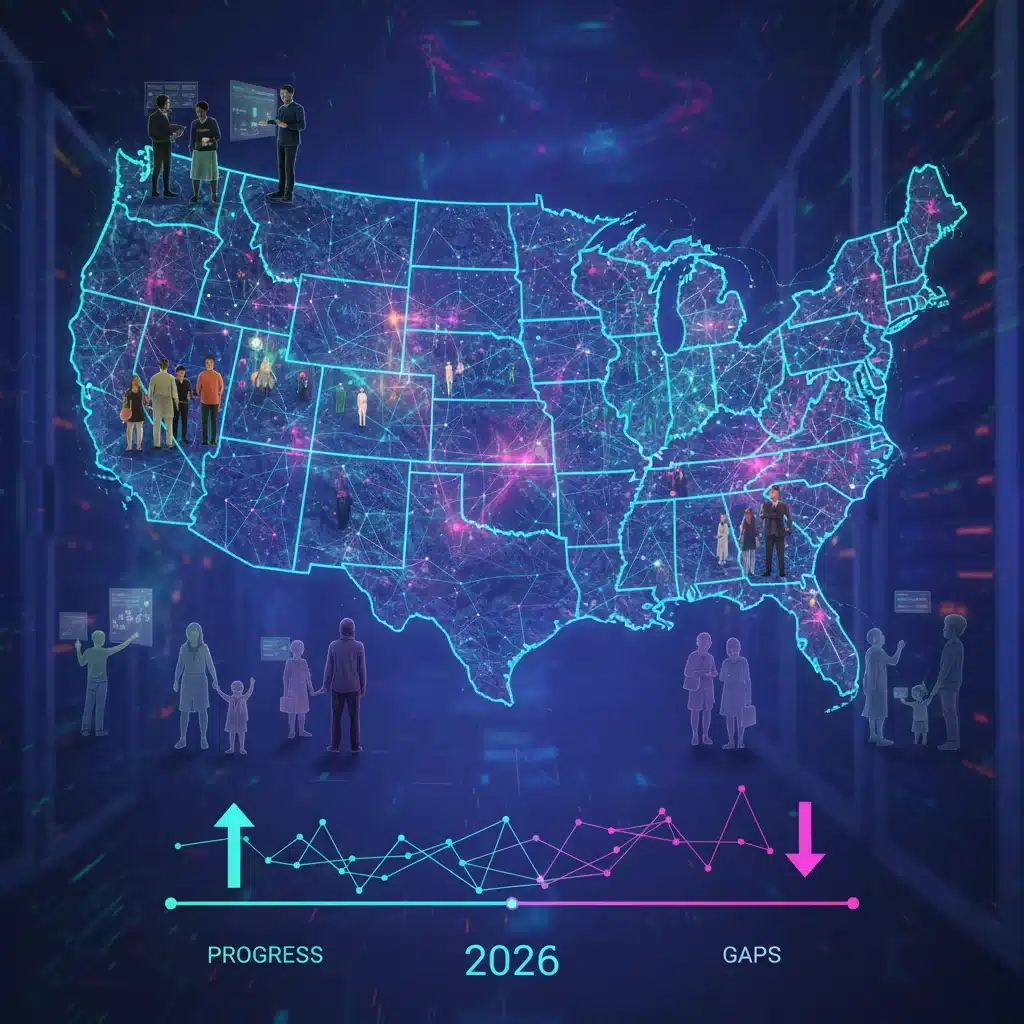
In an increasingly interconnected world, access to reliable and affordable broadband internet is no longer a luxury but a fundamental necessity. It underpins education, healthcare, economic opportunity, and civic engagement. Yet, as we stand in 2026, the promise of universal connectivity remains elusive for significant portions of the United States population. The digital divide 2026 continues to be a complex, multifaceted challenge, shifting its contours but persisting in its impact. This comprehensive analysis delves into the current state of broadband access, examining how it disproportionately affects various U.S. demographics and exploring the technological, economic, and policy landscapes shaping this critical issue.
The term ‘digital divide’ traditionally referred to the gap between those with internet access and those without. However, in 2026, this definition has evolved. It now encompasses not only a lack of access but also disparities in connection speed, quality, affordability, digital literacy, and the availability of appropriate devices. While significant strides have been made in expanding infrastructure, particularly with federal and state investments over the past few years, the nuances of inequality have become more pronounced. Understanding these evolving dynamics is crucial for crafting effective strategies to achieve true digital equity.
Redefining the Digital Divide in 2026
The landscape of internet connectivity has transformed dramatically since the early 2000s. What was once a simple ‘have or have-not’ scenario has fractured into a spectrum of access quality. In 2026, the digital divide 2026 is characterized by several key dimensions beyond mere connection:
- Speed Disparity: While gigabit speeds are common in many urban centers, rural and low-income areas often struggle with connections barely meeting basic thresholds, hindering participation in data-intensive activities like remote work, online education, and telemedicine.
- Affordability Gap: Even where infrastructure exists, the cost of broadband services and necessary devices (laptops, tablets) can be prohibitive for low-income households, forcing difficult choices between essential needs and internet access.
- Digital Literacy and Skills: Having an internet connection is only half the battle. A lack of digital skills prevents many from effectively utilizing online resources, exacerbating existing social and economic inequalities.
- Device Availability: Access to suitable devices is paramount. A smartphone might suffice for basic communication, but a computer or laptop is often essential for education, complex job applications, or running a home business.
- Reliability and Quality of Service: Frequent outages, inconsistent speeds, and poor customer service can be as detrimental as no access at all, particularly in areas served by a single, often underperforming, provider.
These evolving facets of the digital divide 2026 demand a more nuanced approach to policy and investment, moving beyond simply laying fiber to ensuring equitable and meaningful access for all Americans.
Geographic Disparities: Rural vs. Urban and Suburban Access
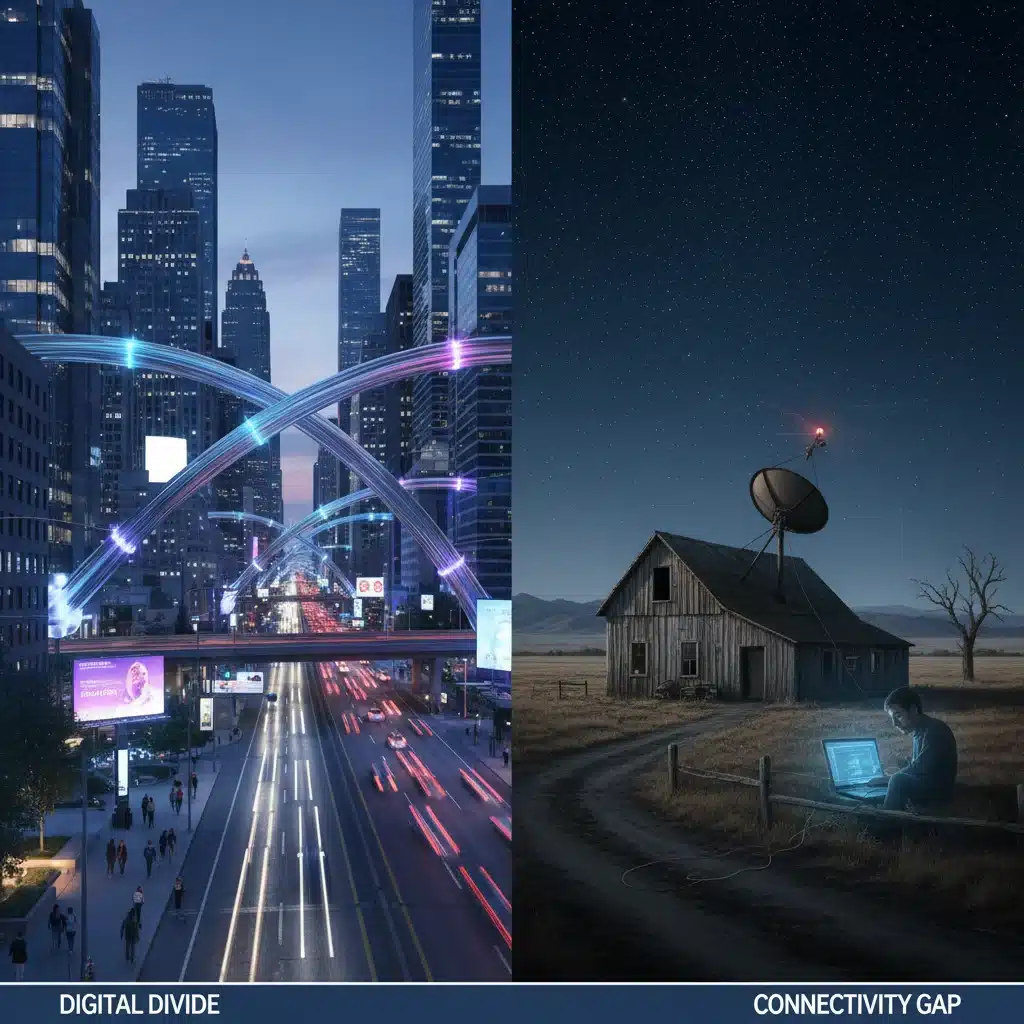
One of the most persistent and visible aspects of the digital divide 2026 remains the stark contrast between rural and urban/suburban broadband availability. While urban areas boast a plethora of high-speed options from multiple providers, rural communities often face limited choices, outdated infrastructure, and exorbitant costs.
Rural America’s Ongoing Struggle
Despite significant federal initiatives like the Broadband Equity, Access, and Deployment (BEAD) program and ongoing efforts by the FCC, many rural areas in 2026 still lack access to modern broadband speeds (defined by the FCC as 100/20 Mbps). The economics of deploying fiber optic cable to sparsely populated regions are challenging for private providers, leading to a market failure that necessitates public intervention. Satellite internet has improved, offering better speeds and lower latency than previous generations, but it often comes with data caps and higher costs, making it a less-than-ideal solution for many households and businesses. Fixed wireless access (FWA) has emerged as a viable alternative in some rural areas, leveraging existing cellular infrastructure, but its performance can be highly dependent on line-of-sight and tower proximity.
The impact of this rural connectivity gap is profound. Farmers struggle to adopt precision agriculture technologies, small businesses cannot compete effectively online, and rural schools and healthcare providers are hampered in their ability to offer advanced services. The digital divide 2026 in rural areas contributes directly to brain drain, economic stagnation, and a widening gap in quality of life.
Urban and Suburban Pockets of Disadvantage
While urban and suburban areas generally enjoy robust broadband infrastructure, the digital divide 2026 is not absent. Pockets of deep disadvantage exist, particularly in low-income urban neighborhoods and inner-city communities. Here, the issue is often less about infrastructure availability and more about affordability and adoption barriers. Residents in these areas may live in apartment buildings passed by fiber, yet cannot afford the monthly subscription fees. Moreover, predatory pricing by some providers in underserved urban areas exacerbates the problem. The lack of culturally relevant digital literacy programs also plays a role, leaving some residents unable to navigate the complexities of online life even if they gain access.
The pandemic highlighted these disparities, as students in low-income urban households struggled with remote learning due to inadequate home internet or shared devices. This has spurred some municipal and community-led initiatives, but the systemic issues of affordability and digital inclusion in these areas remain a critical component of the overall digital divide 2026.
Demographic Disparities: Who is Most Affected?
Beyond geography, the digital divide 2026 disproportionately impacts specific demographic groups, often intersecting with socioeconomic status, age, race, and disability status. Understanding these intersections is vital for targeted interventions.
Socioeconomic Status and Income Levels
Income remains one of the strongest predictors of broadband access and quality. Households with lower incomes are significantly less likely to have a home broadband connection, and if they do, it’s often a slower, less reliable, or mobile-only connection. The cost of internet service, combined with the expense of devices and the often-hidden costs of repairs or upgrades, creates a substantial barrier. Government subsidy programs, such as the Affordable Connectivity Program (ACP), have played a crucial role in mitigating this, but their long-term funding and reach are subject to political and economic fluctuations.
Racial and Ethnic Minorities
Historically marginalized racial and ethnic groups continue to experience higher rates of internet non-adoption and lower-quality connections. Black, Hispanic, and Indigenous communities, for example, often live in areas with less developed infrastructure or face higher costs for comparable services. Systemic inequalities in housing, education, and employment contribute to lower income levels, further compounding the affordability challenge. Furthermore, a lack of representation in the technology sector can lead to solutions that don’t fully address the unique needs and cultural contexts of these communities, perpetuating the digital divide 2026.
Age: Seniors and Youth
Both ends of the age spectrum are significantly affected by the digital divide 2026. Many seniors, particularly those in lower-income brackets, may lack the digital literacy skills or the financial resources to acquire and maintain broadband. This digital exclusion can lead to social isolation, limited access to telehealth services, and difficulty managing finances or accessing government benefits. Conversely, while younger generations are often considered ‘digital natives,’ significant disparities exist among youth from low-income households. The ‘homework gap’ – where students cannot complete assignments due to a lack of home internet – persists, hindering educational attainment and future opportunities.
Individuals with Disabilities
People with disabilities often face unique barriers to digital inclusion. These can include a lack of accessible devices and software, websites that are not designed for screen readers or other assistive technologies, and the additional financial burden of specialized equipment. While advancements in accessibility technology are ongoing, widespread implementation and awareness are still lagging, contributing to their exclusion from the fully connected society of 2026.
Technological Advancements and Their Double-Edged Sword
Technological progress offers both solutions and new challenges to the digital divide 2026. While innovations can expand access, they can also raise the bar for what constitutes ‘adequate’ connectivity, leaving those with older technologies further behind.
5G and Fixed Wireless Access (FWA)
The rollout of 5G networks has brought high-speed FWA to many areas previously underserved by fiber. FWA uses cellular signals to deliver broadband to homes, offering a quicker and often more cost-effective deployment than laying new fiber. In 2026, FWA has become a significant player in bridging the last-mile gap, particularly in suburban and exurban areas. However, its performance can vary greatly depending on network congestion, distance from towers, and spectrum availability. It’s a powerful tool, but not a silver bullet for all connectivity challenges.
Low Earth Orbit (LEO) Satellites
LEO satellite constellations, such as Starlink, have revolutionized satellite internet, offering significantly lower latency and higher speeds than traditional geostationary satellites. This technology holds immense promise for truly remote and rural areas where terrestrial infrastructure is economically unfeasible. However, the initial equipment costs can be high, and monthly subscription fees, while competitive with some terrestrial options, can still be a barrier for low-income households. As more providers enter the LEO space and competition increases, prices may fall, making this a more accessible option for addressing the digital divide 2026 in the most isolated regions.
Fiber Optic Expansion
Fiber remains the gold standard for broadband connectivity, offering unparalleled speed, reliability, and low latency. Extensive federal and state funding programs in the lead-up to 2026 have accelerated fiber deployment, particularly in unserved and underserved areas. This build-out is a long-term solution, but it is capital-intensive and time-consuming, meaning some communities will continue to wait for years to receive true fiber-to-the-home connections. The focus on ‘future-proofing’ these networks is critical to ensure that today’s investments meet tomorrow’s demands.
Policy and Funding Landscape in 2026
Government intervention is undeniably critical in addressing the digital divide 2026. A multi-pronged approach involving federal, state, and local governments, alongside private industry and non-profits, is essential.
Federal Initiatives and Challenges
The Broadband Equity, Access, and Deployment (BEAD) program, a cornerstone of federal efforts, continues to allocate billions of dollars to states for broadband infrastructure deployment. In 2026, states are well into the implementation phase, identifying eligible areas and funding projects. However, challenges persist, including bureaucratic hurdles, supply chain issues for equipment, and a shortage of skilled labor for deployment. Ensuring that these funds reach the truly unserved and underserved, rather than simply subsidizing existing providers in profitable areas, remains a key concern.
The Affordable Connectivity Program (ACP), which provides a monthly discount on internet service for eligible low-income households, has been instrumental in boosting adoption. However, its long-term funding is often subject to political debate, creating uncertainty for millions of families. A stable, permanent funding mechanism for affordability programs is crucial to cement progress against the digital divide 2026.
State and Local Roles
States are playing an increasingly vital role, developing their own broadband offices, creating grant programs, and fostering public-private partnerships. Many local governments and municipal utilities are also stepping up, building community-owned networks to ensure their residents have access to affordable, high-speed internet. These localized efforts are often more agile and responsive to specific community needs, but they require robust state and federal support to scale effectively.
The Human Impact: Why Bridging the Divide Matters More Than Ever
The consequences of the digital divide 2026 extend far beyond mere inconvenience. They impact every facet of life, perpetuating cycles of poverty and inequality.
Education
In 2026, online learning platforms, digital resources, and remote collaboration tools are integral to education from kindergarten through higher education. Students without reliable home internet are at a severe disadvantage, struggling to complete homework, access educational content, and develop essential digital skills. This widens the achievement gap, particularly for students from low-income and rural backgrounds, impacting their future academic and career prospects.
Healthcare
Telehealth services have become a mainstream component of healthcare delivery, offering convenience and expanding access to specialists. However, for individuals without broadband, these services are inaccessible. This creates a disparity in healthcare outcomes, especially for seniors, individuals with disabilities, and those in remote areas who could benefit most from virtual care. Access to online health information, appointment scheduling, and prescription refills also becomes a challenge, further isolating vulnerable populations from critical health resources.
Economic Opportunity
The modern workforce is increasingly reliant on digital skills and online connectivity. Job applications, remote work opportunities, and skill-building courses are predominantly online. The digital divide 2026 directly limits economic mobility for those without adequate access, trapping them in lower-wage jobs or unemployment. Small businesses in unconnected areas struggle to reach broader markets, hindering economic growth and community development.
Civic Engagement and Social Inclusion
From accessing government services to participating in local community discussions, much of civic life has moved online. Individuals without internet access are effectively excluded from these processes, limiting their ability to exercise their rights, stay informed, and participate fully in society. This digital exclusion can lead to social isolation and a feeling of being left behind, eroding community cohesion.
Moving Forward: Strategies for Digital Equity in 2026 and Beyond
Addressing the digital divide 2026 requires a holistic, multi-faceted approach that goes beyond simply laying more cable. It involves a combination of infrastructure investment, affordability programs, digital literacy initiatives, and regulatory oversight.
- Sustained Infrastructure Investment: Continued federal, state, and local funding for fiber and other high-speed technologies in unserved and underserved areas is paramount. This includes innovative models for public-private partnerships and supporting municipal broadband initiatives where private markets fail.
- Permanent Affordability Programs: The success of programs like the ACP demonstrates the critical need for stable, long-term funding to make broadband truly affordable for low-income households. This should be treated as a utility, ensuring no one is priced out of essential connectivity.
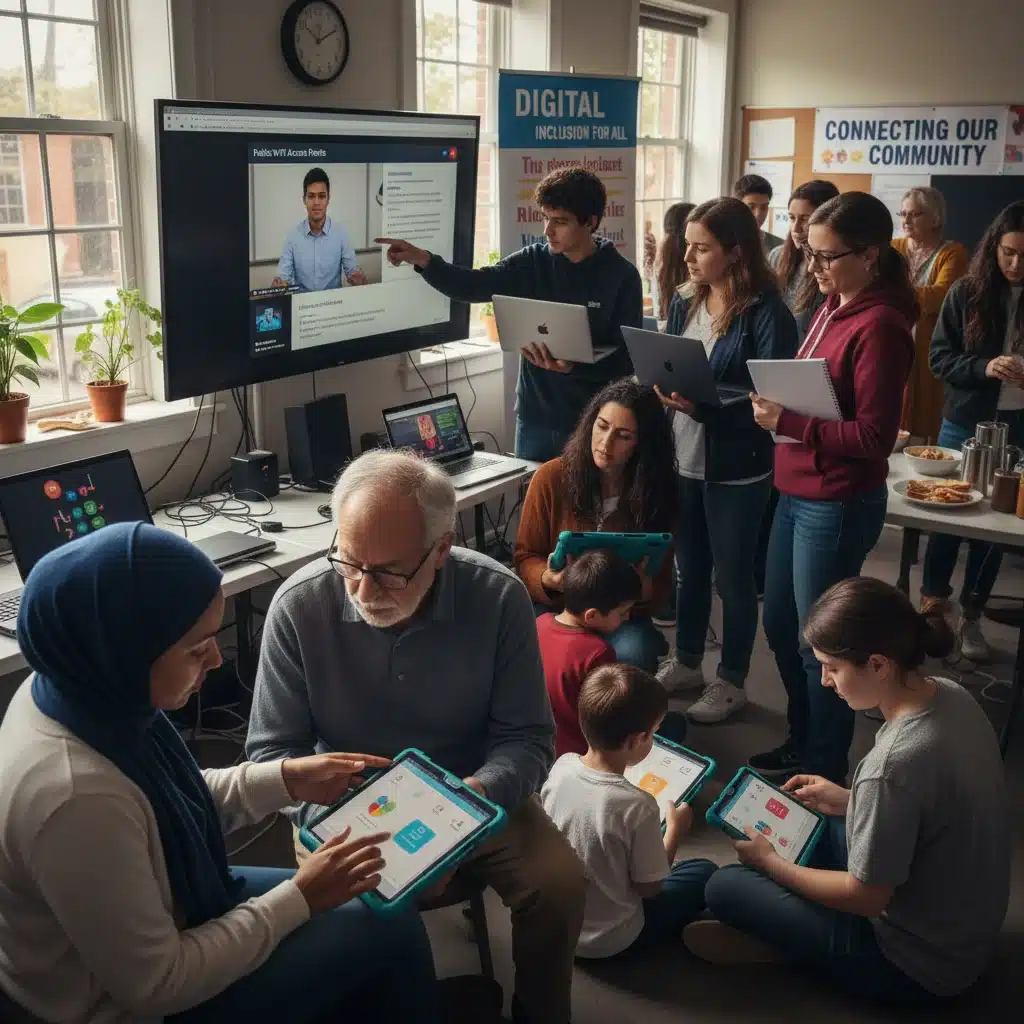
- Robust Digital Literacy and Skills Training: Investment in community-based digital literacy programs, accessible device distribution initiatives, and technical support is crucial. These programs must be culturally relevant and tailored to the specific needs of different demographic groups, including seniors, immigrants, and individuals with disabilities.
- Promoting Competition and Consumer Protection: Policies that encourage competition among internet service providers can drive down prices and improve service quality. Strong regulatory oversight is needed to prevent predatory pricing, ensure transparent billing, and enforce service standards, especially in areas with limited choices.
- Data-Driven Policy Making: Accurate, granular data on broadband availability, speed, and adoption rates is essential to identify true gaps and allocate resources effectively. Continuous monitoring and evaluation of programs are necessary to adapt strategies as the technological landscape evolves.
- Device Access Initiatives: Programs that provide affordable or free devices (laptops, tablets) to low-income individuals and families are critical. Public computing facilities like libraries and community centers also remain vital hubs for access.
The digital divide 2026 is not merely a technical problem; it is a societal challenge that reflects and exacerbates existing inequalities. By understanding its evolving nature and committing to comprehensive, equitable solutions, the United States can move closer to a future where every individual has the opportunity to thrive in the digital age.
Conclusion
As we navigate 2026, the aspiration of universal, equitable broadband access remains a national priority. While technological advancements and significant investments have narrowed some aspects of the traditional digital divide, new complexities have emerged. The digital divide 2026 is no longer just about who has internet and who doesn’t; it’s about the quality, affordability, reliability, and usability of that connection. Geographic disparities between rural and urban areas persist, and socioeconomic, racial, age-related, and disability-related factors continue to create significant barriers to full digital inclusion.
Addressing these multifaceted challenges requires sustained commitment from all sectors. By prioritizing robust infrastructure build-out, ensuring permanent affordability programs, investing heavily in digital literacy, and fostering a competitive and consumer-friendly market, the U.S. can make meaningful progress toward bridging the digital divide 2026. The future prosperity, health, and educational attainment of all Americans depend on our collective ability to ensure that no one is left behind in the digital age.