Sustainable Living USA 2026: 6 Practical Steps for Eco-Conscious Lifestyles
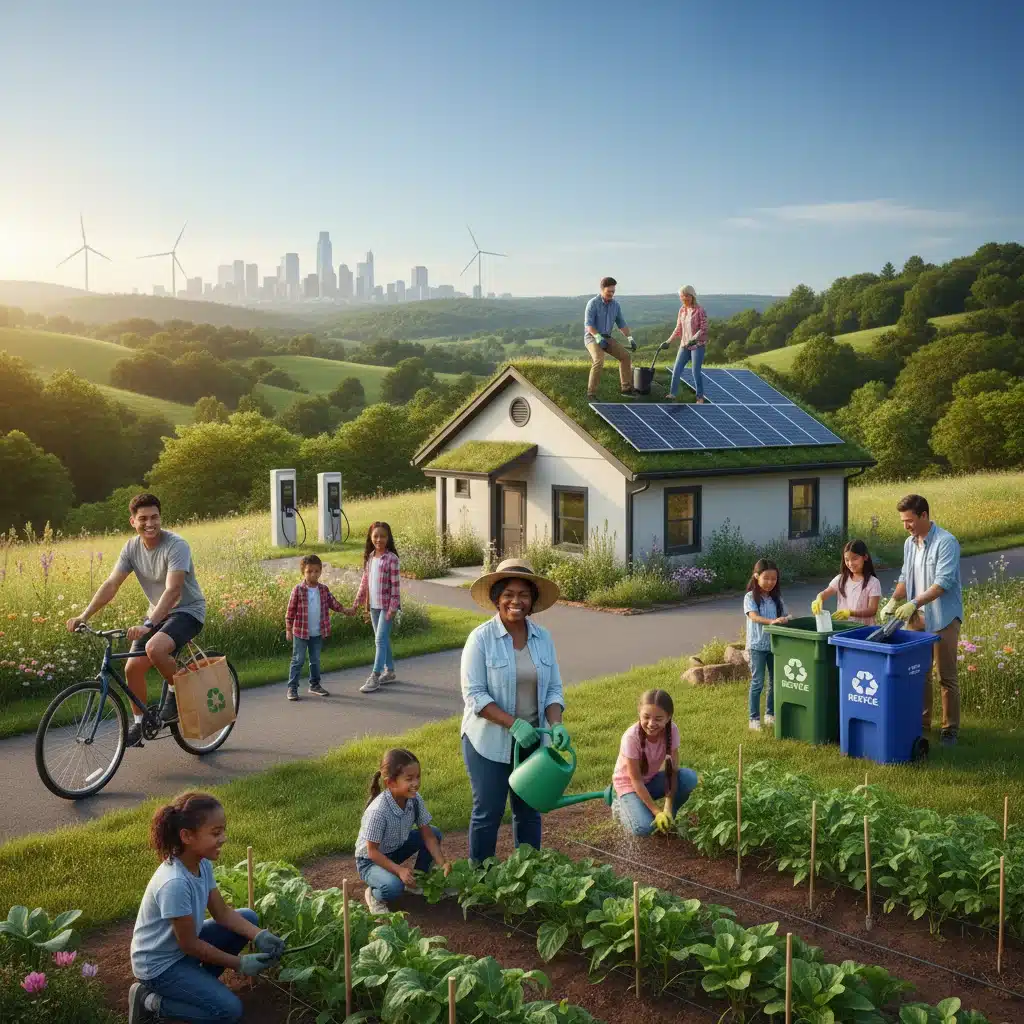
The year is 2026, and the concept of sustainable living in the USA has transcended mere trendiness to become a deeply ingrained cultural movement. More and more Americans are recognizing the urgent need to address climate change, resource depletion, and environmental degradation, leading to a profound shift in consumer behavior, community initiatives, and personal values. This isn’t just about individual choices; it’s about a collective awakening, a recognition that our individual actions, when amplified across millions, can create monumental change. From bustling urban centers to serene rural landscapes, the principles of eco-consciousness are taking root, transforming how we live, work, and interact with the planet. This article will delve into six practical steps Americans are actively embracing to foster a more sustainable future, offering insights and actionable advice for anyone looking to join this vital movement towards sustainable living in the USA.
Understanding the driving forces behind this cultural shift is crucial. It’s a blend of scientific consensus on climate change, increasing awareness through media and education, the economic benefits of sustainable practices (think lower energy bills and reduced waste costs), and a growing desire for a healthier, more fulfilling lifestyle. People are seeking authenticity, connection to nature, and a sense of purpose beyond material consumption. This burgeoning movement of sustainable living in the USA is not just about sacrifice; it’s about discovering new ways of living that are both environmentally responsible and personally enriching. Let’s explore these transformative steps.
1. Embracing the Circular Economy: Reducing, Reusing, and Repairing
The traditional linear economy – take, make, dispose – is rapidly being replaced by the principles of the circular economy, which prioritizes keeping resources in use for as long as possible. This shift is fundamental to sustainable living in the USA. Americans are increasingly challenging the throwaway culture, opting instead for products designed for longevity, repairability, and eventual recycling or composting. This isn’t just about individual consumer choices; it’s also about businesses adopting more sustainable production models.
One of the most visible manifestations of this trend is the significant reduction in single-use plastics. Many states and cities have implemented bans on plastic bags, straws, and Styrofoam, prompting consumers to adopt reusable alternatives. People are now routinely carrying reusable water bottles, coffee cups, and shopping bags. The market for refillable products, from cleaning supplies to personal care items, is booming, allowing consumers to purchase products without contributing to excessive packaging waste.
Beyond reduction, the ‘reuse’ aspect is gaining immense traction. Thrift stores, consignment shops, and online marketplaces for second-hand goods are experiencing a renaissance. The stigma once associated with pre-owned items has largely vanished, replaced by an appreciation for uniqueness, affordability, and environmental responsibility. Furniture, clothing, electronics, and even building materials are finding new life through these channels. Community swap events, where people exchange unwanted items, are also becoming popular, fostering a sense of community while diverting waste from landfills.
The ‘repair’ culture is also making a strong comeback. Instead of immediately replacing broken items, Americans are seeking out repair services or learning DIY repair skills. Repair Cafes, where volunteers help people fix everything from toasters to torn garments, are popping up in communities nationwide. This not only saves money but also instills a greater appreciation for the craftsmanship and longevity of products. Manufacturers are also responding by offering more readily available spare parts and repair guides, moving away from intentionally planned obsolescence. This comprehensive approach to reducing, reusing, and repairing is a cornerstone of the modern sustainable living in the USA movement, significantly impacting waste streams and resource consumption.
2. Shifting to Plant-Based Diets and Local Food Systems
The environmental impact of food production, particularly industrial animal agriculture, has become a major concern for many Americans. Consequently, there’s a significant and growing movement towards plant-based diets and supporting local food systems as integral components of sustainable living in the USA. This shift is driven by a combination of ethical, health, and environmental considerations.
Plant-based eating, ranging from flexitarianism to veganism, is no longer a niche lifestyle but a mainstream dietary choice. The market for plant-based meat and dairy alternatives has exploded, with these products becoming readily available in most supermarkets and restaurants. Consumers are increasingly aware that producing meat, especially beef, requires vast amounts of land, water, and emits significant greenhouse gases. By reducing or eliminating animal products, individuals can dramatically lower their carbon footprint.
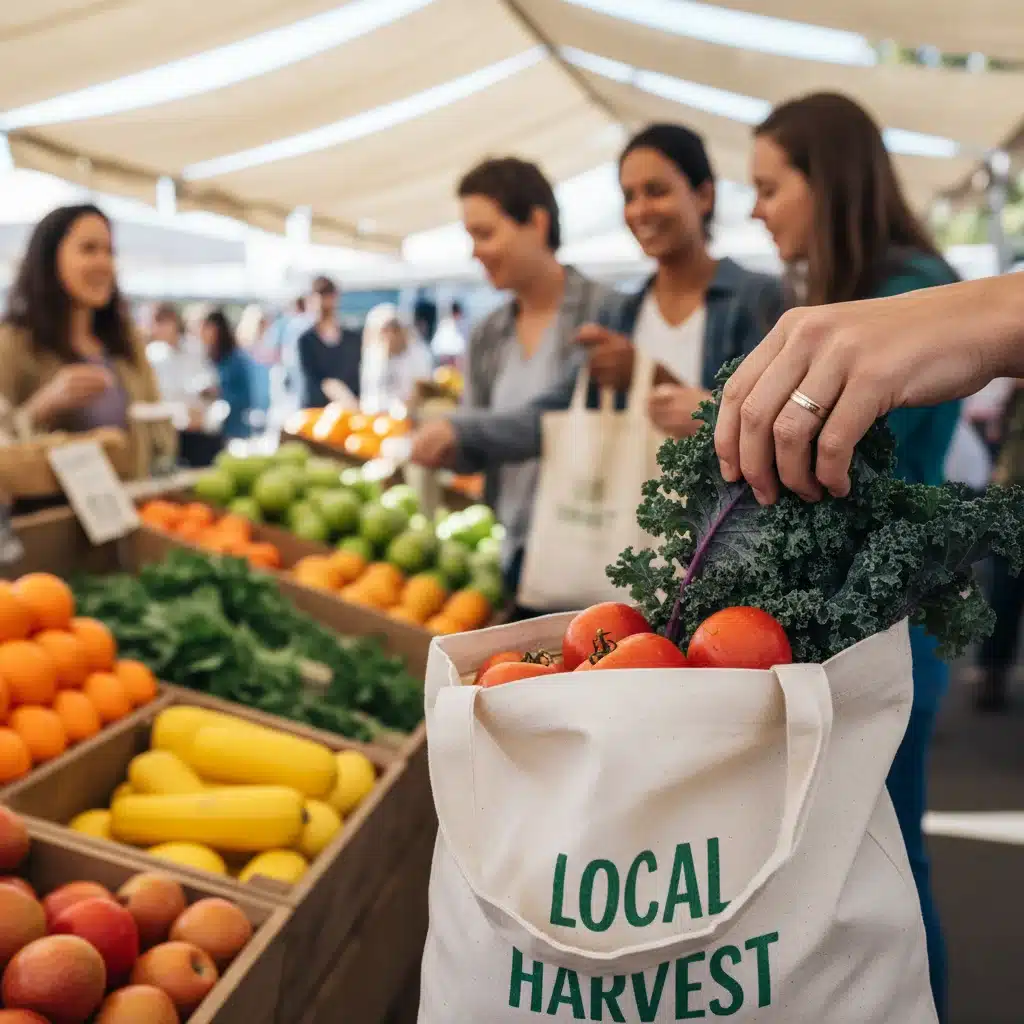
Parallel to this dietary shift is a renewed emphasis on local food systems. Farmers’ markets are thriving, connecting consumers directly with producers. Community Supported Agriculture (CSA) programs, where individuals subscribe to a farm’s harvest, ensure fresh, seasonal produce while supporting local economies and reducing the carbon footprint associated with long-distance food transportation. Urban farming initiatives, including rooftop gardens and community plots, are also transforming cityscapes, making fresh produce accessible in dense areas and fostering community engagement.
Understanding the provenance of food is also paramount. Consumers are demanding transparency about where their food comes from, how it’s grown, and whether it’s ethically produced. This has led to a greater demand for organic, regenerative, and fair-trade certified products. By prioritizing local and plant-based options, Americans are not only making healthier choices for themselves but also contributing to a more resilient, equitable, and environmentally friendly food system, a vital aspect of sustainable living in the USA.
3. Investing in Renewable Energy and Energy Efficiency
The transition away from fossil fuels towards renewable energy sources is perhaps one of the most impactful steps Americans are taking towards sustainable living in the USA. This movement encompasses both large-scale infrastructure changes and individual household adoption of green energy solutions. The goal is to drastically reduce carbon emissions and create a more secure and clean energy future.
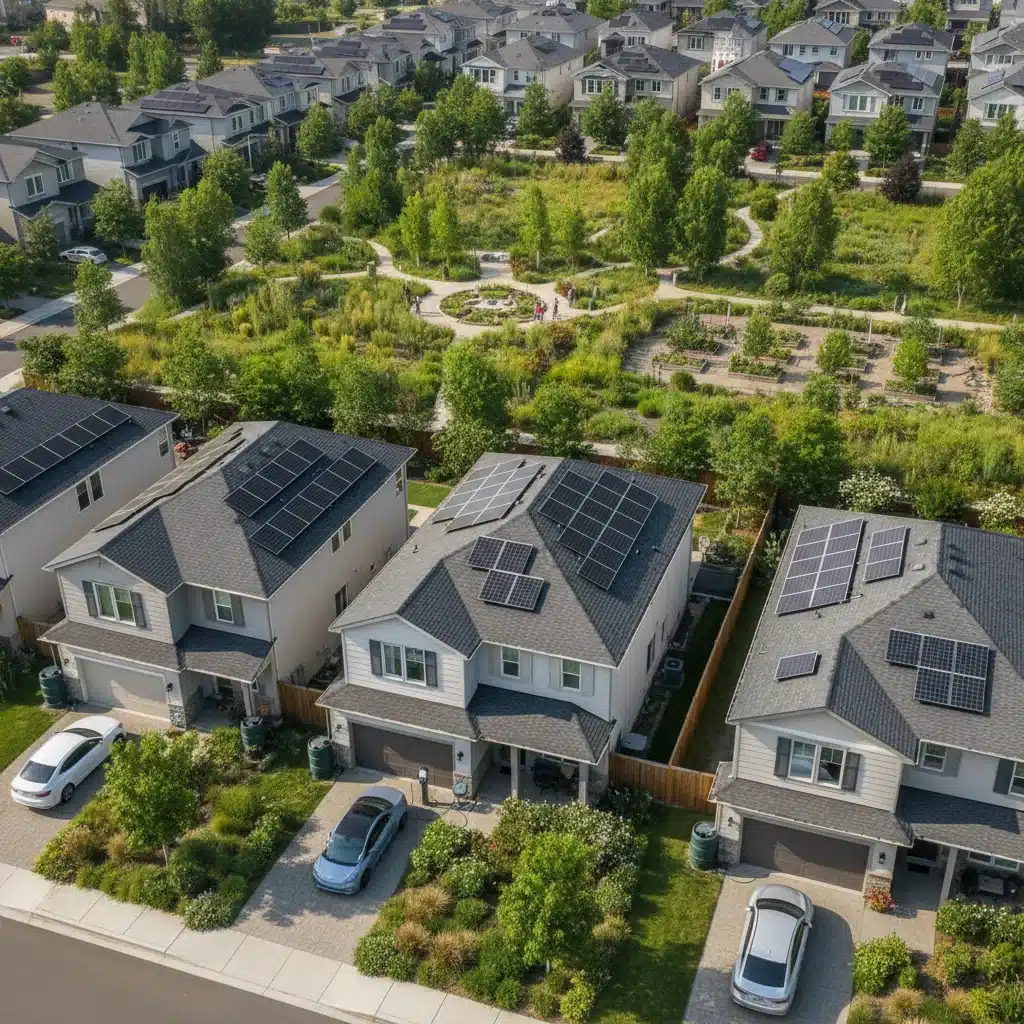
Solar power has become increasingly accessible and affordable for homeowners. Falling installation costs, coupled with government incentives and tax credits, have made rooftop solar panels a common sight in many neighborhoods. Homeowners are not only reducing their electricity bills but also contributing clean energy back to the grid. Community solar projects, which allow individuals to invest in shared solar arrays without installing panels on their own roofs, are also gaining popularity, making solar power accessible to renters and those with unsuitable roof spaces.
Wind energy, while primarily a large-scale utility solution, is also influencing individual energy choices. Many utility companies now offer options for customers to purchase electricity from renewable sources, often at competitive rates. This allows consumers to support the growth of renewable energy even if they cannot install their own systems.
Beyond generation, energy efficiency is a critical component of sustainable living. Americans are upgrading their homes with energy-efficient appliances (Energy Star certified), better insulation, smart thermostats, and LED lighting. These measures not only reduce energy consumption and associated greenhouse gas emissions but also lead to significant long-term savings on utility bills. The adoption of electric vehicles (EVs) is another major trend, with charging stations becoming more widespread and vehicle ranges increasing. This shift away from gasoline-powered cars dramatically reduces transportation emissions, further solidifying the commitment to sustainable living in the USA.
4. Prioritizing Sustainable Transportation and Urban Planning
How Americans move around their cities and towns has a profound impact on their carbon footprint and overall quality of life. Recognizing this, there’s a growing emphasis on sustainable transportation and intelligent urban planning as crucial elements of sustainable living in the USA. The goal is to reduce reliance on single-occupancy vehicles and promote healthier, more eco-friendly alternatives.
Public transportation systems, including buses, subways, and light rail, are being expanded and improved in many urban and suburban areas. Investing in efficient and accessible public transit reduces traffic congestion, air pollution, and the need for extensive parking infrastructure. Cities are also making public transport more attractive through technology, such as real-time tracking apps and integrated payment systems.
Biking and walking are experiencing a renaissance, spurred by the development of dedicated bike lanes, pedestrian-friendly infrastructure, and shared mobility programs (bike-sharing, scooter-sharing). More Americans are choosing to commute or run errands on foot or by bike, enjoying the health benefits and environmental advantages. This shift is not just about individual choice; it’s about urban planners actively designing cities that prioritize active transportation over car dependency.
Furthermore, the concept of "15-minute cities" or "walkable communities" is gaining traction. This urban planning philosophy aims to ensure that most daily necessities and amenities – work, school, shopping, healthcare, parks – are within a 15-minute walk or bike ride from residents’ homes. By reducing the need for long commutes, these designs inherently promote sustainable living, foster stronger community ties, and improve public health. The integration of green spaces, tree planting initiatives, and permeable surfaces also helps manage stormwater and mitigate urban heat island effects, making these communities more resilient and livable. These efforts in sustainable transportation and urban planning are reshaping the landscape of sustainable living in the USA.
5. Practicing Mindful Consumption and Minimalism
At the heart of sustainable living in the USA is a fundamental re-evaluation of consumption habits. The pursuit of more material possessions is giving way to a more mindful approach, where quality, durability, and necessity take precedence over quantity and fleeting trends. Minimalism, a lifestyle centered on owning less, is a powerful expression of this shift.
Mindful consumption involves asking critical questions before making a purchase: Do I truly need this? What is its environmental impact? Was it produced ethically? Can I borrow, rent, or buy second-hand instead? This conscious decision-making process helps consumers avoid impulse buys and invest in products that align with their values. It also encourages supporting businesses that demonstrate transparency and a commitment to sustainability, rather than those engaged in fast fashion or planned obsolescence.
Minimalism, for many, is a natural extension of mindful consumption. By decluttering their lives and focusing on experiences over possessions, individuals can reduce their environmental footprint, simplify their routines, and often find greater personal satisfaction. This doesn’t necessarily mean living with absolutely nothing, but rather intentionally choosing to own only what is truly useful or brings joy, freeing up resources and mental space.
The "buy less, choose well, make it last" mantra is becoming a guiding principle. This includes investing in timeless, high-quality clothing pieces instead of disposable fast fashion, opting for durable goods that can be repaired, and prioritizing experiences like travel or learning new skills over accumulating more stuff. This cultural shift towards mindful consumption and minimalism is not just about environmental benefits; it’s also about fostering a more intentional, less cluttered, and ultimately more fulfilling way of life, integral to sustainable living in the USA.
6. Engaging in Community and Advocacy for Systemic Change
While individual actions are vital, the sustainable living in the USA movement recognizes that systemic change is equally, if not more, important. Therefore, active engagement in community initiatives and advocacy for policy changes are becoming powerful forces for environmental progress. Americans are moving beyond personal habits to collectively push for broader, more impactful solutions.
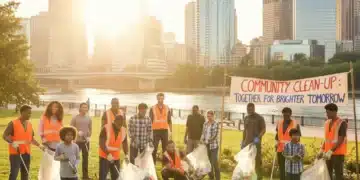
Community gardens, neighborhood clean-up drives, and local recycling initiatives are excellent examples of grassroots efforts that foster a sense of shared responsibility and collective action. These activities not only improve local environments but also build stronger, more connected communities. Workshops on sustainable skills, such as composting, canning, or eco-friendly home maintenance, empower individuals with practical knowledge and create local networks of support.
Beyond local action, many Americans are becoming vocal advocates for environmental policies at municipal, state, and federal levels. This includes supporting legislation that promotes renewable energy, protects natural habitats, regulates pollution, and incentivizes sustainable business practices. Engaging with elected officials, participating in peaceful protests, and supporting environmental organizations are all ways individuals are contributing to this systemic push.
The power of collective voice is also evident in consumer activism. Boycotts of unsustainable companies, support for ethical brands, and shareholder advocacy are putting pressure on corporations to adopt more responsible practices. This combination of individual lifestyle changes and collective advocacy is creating a powerful synergy, driving both personal and policy-level transformation towards a truly sustainable future. This dual approach of individual and collective action is what truly defines the cultural movement of sustainable living in the USA in 2026.
The Road Ahead: Sustaining the Sustainable Living Movement
The journey towards widespread sustainable living in the USA is ongoing, but the momentum is undeniable. The six practical steps outlined above – embracing the circular economy, shifting to plant-based diets and local food systems, investing in renewable energy and energy efficiency, prioritizing sustainable transportation and urban planning, practicing mindful consumption and minimalism, and engaging in community and advocacy – represent a comprehensive approach to fostering a greener, more resilient society. Each step, while impactful on its own, contributes to a larger, interconnected web of sustainable practices that reinforce one another.
The cultural shift towards sustainable living in the USA is not a fleeting trend but a fundamental reorientation of values. It’s about recognizing our interdependence with the natural world and taking responsibility for our collective impact. As individuals, our choices send powerful signals to industries and policymakers. As communities, our collective actions create tangible change and inspire others. As advocates, our voices shape the policies that govern our shared future.
Challenges remain, of course. Overcoming ingrained habits, resisting consumerist pressures, and navigating complex political landscapes require sustained effort and commitment. However, the growing awareness, the innovative solutions emerging, and the increasing sense of urgency provide a strong foundation for continued progress. The future of sustainable living in the USA looks brighter than ever, fueled by a generation of Americans who are determined to build a world that is not only prosperous but also environmentally sound and socially just.
By consciously adopting these practical steps, every American can play a part in accelerating this vital cultural movement. Whether it’s choosing a reusable coffee cup, supporting a local farmer, exploring public transport, or simply engaging in a conversation about environmental responsibility, every action counts. The collective power of these individual choices is what will ultimately define the success of sustainable living in the USA for generations to come. Let us continue to learn, adapt, and innovate, ensuring that our legacy is one of stewardship and sustainability for our planet.