Conscious Consumerism 2026: Sustainability Drives US Purchasing Decisions
The Unstoppable Tide: How 70% of U.S. Consumers Will Prioritize Sustainability by 2026
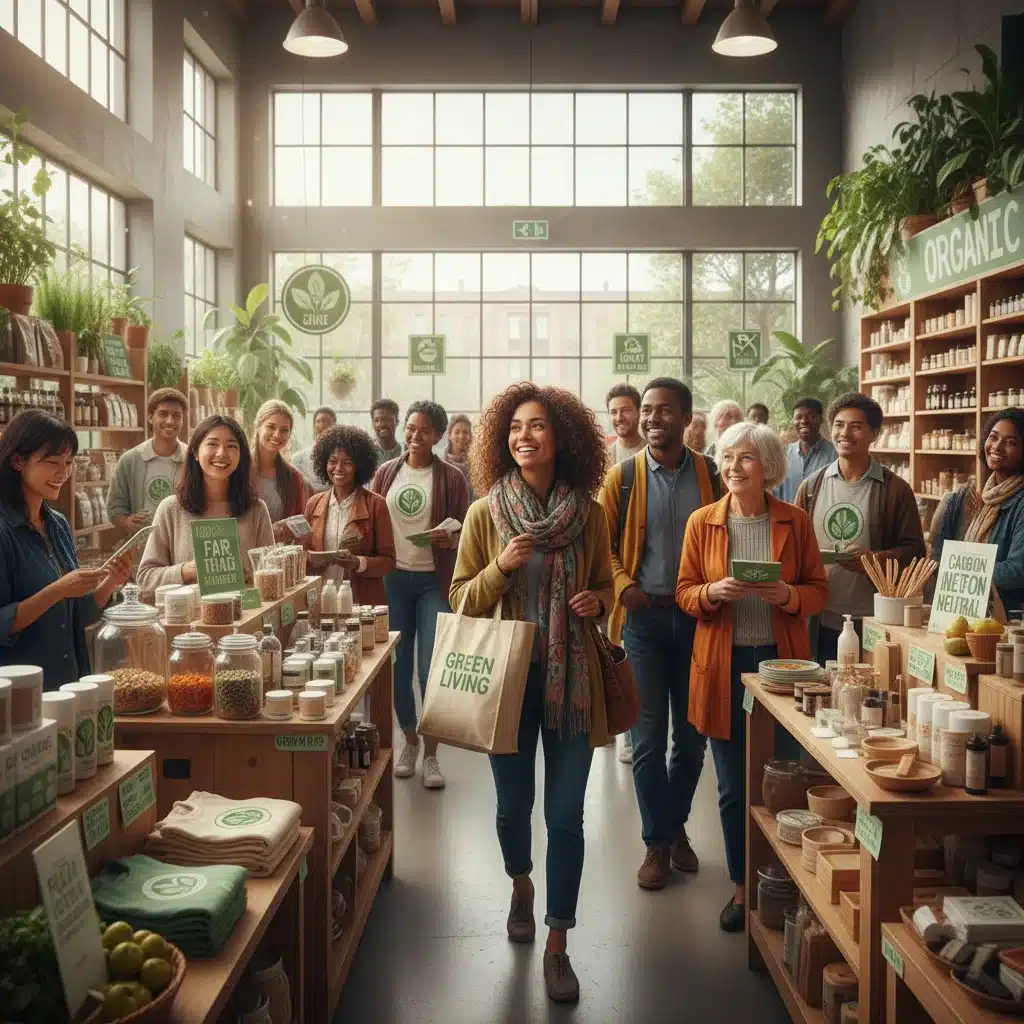
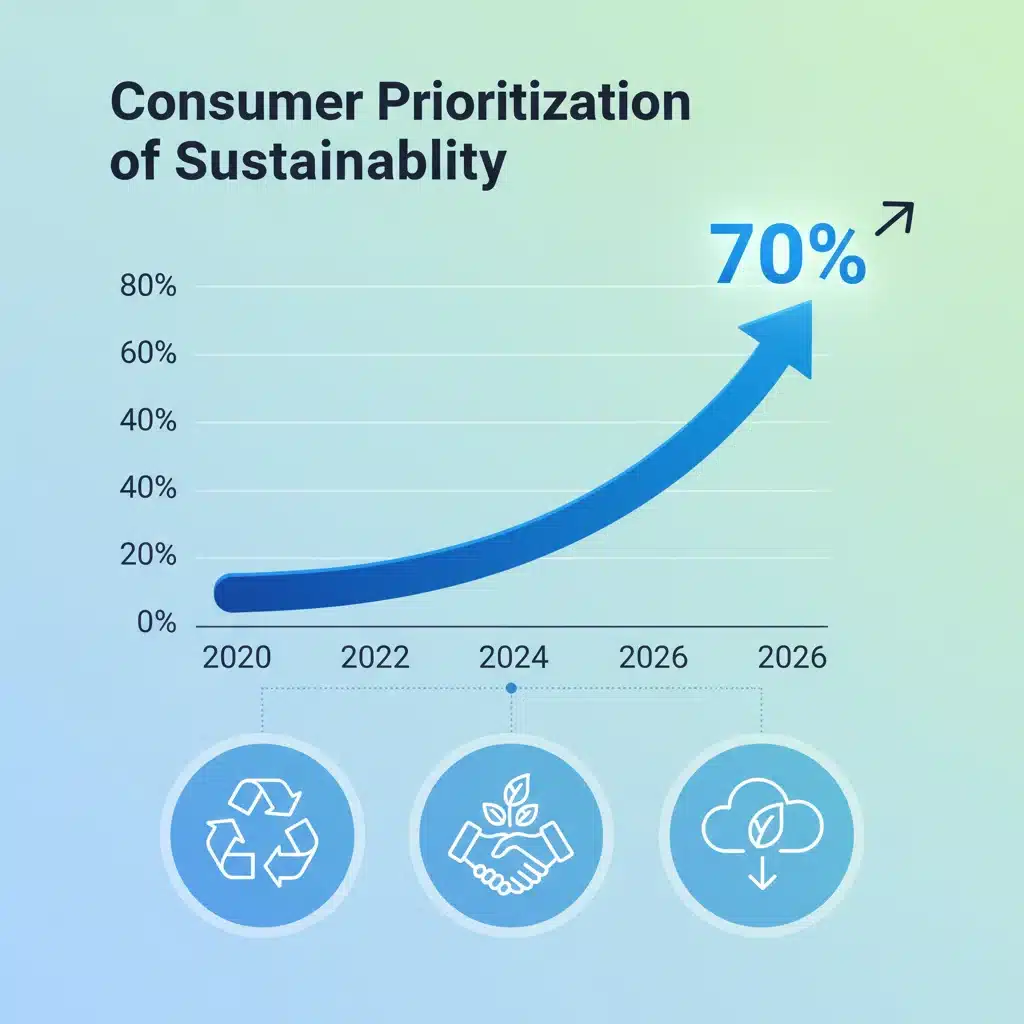
The landscape of consumer behavior is undergoing a profound transformation. What was once a niche concern for a select few has rapidly evolved into a mainstream imperative. We are standing on the precipice of a new era, one where the ethical and environmental footprint of products and brands dictates purchasing decisions more than ever before. Recent projections indicate a monumental shift: by 2026, a staggering 70% of U.S. consumers will actively prioritize sustainability in their buying choices. This isn’t just a trend; it’s a fundamental reorientation of values, a powerful movement dubbed conscious consumerism trends.
This comprehensive article delves deep into the forces driving this change, examining the motivations behind this growing consumer segment, the implications for businesses, and the strategies necessary to thrive in this evolving market. From climate change concerns to social justice issues, consumers are demanding more from the brands they support. Understanding these dynamics is not merely good practice; it is essential for survival and growth in the modern economy.
Defining Conscious Consumerism: More Than Just ‘Green’
To truly grasp the magnitude of this shift, it’s crucial to define what conscious consumerism entails. It extends far beyond simply buying ‘green’ products or recycling. Conscious consumerism is an ethos, a deliberate approach to purchasing decisions that considers the broader impact of those choices. It’s about:
- Environmental Impact: This includes everything from carbon footprint and water usage to waste generation, biodegradability, and the use of renewable resources. Consumers are scrutinizing packaging, manufacturing processes, and supply chain emissions.
- Social Responsibility: Fair labor practices, ethical sourcing, safe working conditions, community engagement, and diversity and inclusion initiatives are paramount. Consumers want to know that the products they buy aren’t produced at the expense of human well-being.
- Economic Impact: Supporting local businesses, fair trade practices, and companies that contribute positively to the economy are also key considerations. This often involves a preference for transparent business models.
- Health and Wellness: The desire for products free from harmful chemicals, toxins, and artificial ingredients often intertwines with sustainability concerns, particularly in food, cosmetics, and household goods.
- Animal Welfare: For many, avoiding products tested on animals or derived from inhumane practices is a significant aspect of their conscious purchasing decisions.
The rise of conscious consumerism trends signifies a move away from purely price-driven or convenience-driven purchasing towards a more holistic evaluation of product value. Consumers are increasingly viewing their purchases as statements of their values, leveraging their spending power to advocate for a better world.
The Driving Forces Behind the 70% Shift
Several interconnected factors are fueling the rapid acceleration of conscious consumerism, pushing that 70% figure within reach by 2026:
1. Growing Environmental Awareness and Climate Anxiety
The undeniable reality of climate change is perhaps the most significant catalyst. Extreme weather events, scientific reports, and widespread media coverage have brought environmental issues to the forefront of public consciousness. Consumers, particularly younger generations, feel a profound sense of urgency and responsibility. They are seeking ways to mitigate their personal impact through their consumption habits. This heightened awareness directly translates into a demand for sustainable alternatives.
2. Increased Transparency and Accessibility of Information
The digital age has empowered consumers with unprecedented access to information. A quick search can reveal a brand’s environmental record, labor practices, or ethical controversies. Social media platforms amplify both positive and negative brand stories, making it difficult for companies to hide unsustainable practices. Apps and websites dedicated to rating products based on their sustainability credentials are also making it easier for consumers to make informed choices. This transparency fuels the conscious consumerism trends by making it easier for individuals to align their purchases with their values.
3. Shifting Demographics: Gen Z and Millennials Leading the Charge
Younger generations, particularly Gen Z and Millennials, are pivotal in this movement. They are digital natives who have grown up with a keen awareness of global challenges. Surveys consistently show that these demographics are more willing to pay a premium for sustainable products and are more likely to boycott brands that don’t align with their values. As their purchasing power grows, so too does the influence of their sustainable preferences. They are not just consumers; they are activists with wallets.
4. Corporate Accountability and Brand Activism
Consumers are increasingly expecting brands to take a stand on social and environmental issues. Silence is often interpreted as complicity. Companies that authentically integrate sustainability into their core business model and communicate their efforts transparently are gaining trust and loyalty. Conversely, those perceived as greenwashing or ignoring these issues face significant backlash. This pressure from consumers is forcing corporations to re-evaluate their practices and embrace more sustainable models, further entrenching conscious consumerism trends.
5. Government Regulations and Policy Changes
While consumer demand is a powerful driver, evolving government regulations also play a role. Policies related to waste reduction, renewable energy, carbon emissions, and ethical supply chains can influence corporate behavior and make sustainable options more prevalent and affordable. While the U.S. regulatory landscape can be complex, there’s a growing push for policies that support a more sustainable economy, which in turn supports conscious consumer choices.
6. The Rise of Social Media and Influencer Culture
Social media platforms are powerful amplifiers of conscious consumerism. Influencers and activists regularly highlight sustainable brands, expose unethical practices, and educate their followers on environmental and social issues. This peer-to-peer influence can rapidly disseminate information and shape purchasing habits, making sustainable living aspirational and accessible to a wider audience, thereby bolstering conscious consumerism trends.
The Impact on Businesses: Adapting to the New Reality
For businesses, the rise of conscious consumerism is not a threat but an immense opportunity for innovation and differentiation. Ignoring these trends, however, comes with significant risks. Here’s how companies are being impacted and what they need to do:
1. Redefining Value Propositions
Price and quality remain important, but they are no longer the sole determinants of value. Consumers are increasingly factoring in a product’s environmental and social impact. Brands must integrate sustainability into their core value proposition, demonstrating how their products benefit both the consumer and the planet. This means moving beyond mere compliance to genuine commitment.
2. Supply Chain Transformation
Transparency and ethical sourcing are non-negotiable. Businesses are under pressure to meticulously map their supply chains, ensuring fair labor practices, sustainable resource extraction, and reduced environmental impact at every stage. This often requires significant investment in traceability technologies and fostering strong, ethical relationships with suppliers. The complexity of global supply chains makes this a daunting but critical task for any business aiming to meet the demands of conscious consumerism trends.
3. Product Innovation and Design
The demand for sustainable products is spurring innovation. Companies are developing biodegradable packaging, circular economy models (where products are designed for reuse and recycling), energy-efficient manufacturing processes, and products made from recycled or sustainably sourced materials. Design thinking is shifting from a linear ‘take-make-dispose’ model to a circular one.
4. Authentic Communication and Marketing
Greenwashing – the practice of making misleading claims about environmental practices – is quickly exposed and severely damages brand reputation. Consumers are sophisticated and demand authenticity. Marketing efforts must be transparent, backed by verifiable data, and genuinely reflect a company’s commitment to sustainability. Storytelling around ethical practices, employee welfare, and community impact resonates deeply with conscious consumers.
5. Employee Attraction and Retention
It’s not just consumers who care about sustainability; employees do too. Companies with strong ethical and environmental credentials are more attractive to top talent, particularly among younger generations who seek purpose-driven work. A commitment to sustainability can foster a positive company culture and boost employee morale and loyalty.
6. Investment and Financial Performance
Sustainable businesses are increasingly seen as better long-term investments. ESG (Environmental, Social, and Governance) factors are now a critical part of investment analysis. Companies with strong ESG performance often demonstrate greater resilience, innovation, and reduced risk, attracting responsible investors. This financial incentive further accelerates the adoption of sustainable practices and strengthens conscious consumerism trends.

Strategies for Businesses to Embrace Conscious Consumerism
To successfully navigate and capitalize on the rise of conscious consumerism, businesses must adopt a multi-faceted approach:
1. Conduct a Comprehensive Sustainability Audit
Before making any claims, companies need to understand their current environmental and social footprint. This involves auditing supply chains, energy consumption, waste generation, labor practices, and product lifecycle. Identify areas for improvement and set measurable goals. Transparency starts with internal accountability.
2. Prioritize Sustainable Sourcing and Production
Shift towards ethically sourced raw materials, renewable energy in manufacturing, and waste reduction strategies. Explore circular economy principles, designing products that can be repaired, reused, or recycled. Certifications (e.g., Fair Trade, B Corp, organic) can provide external validation and build trust with conscious consumers.
3. Innovate for Eco-Friendly Products and Packaging
Invest in R&D to create products that are inherently more sustainable. This could mean developing biodegradable materials, reducing reliance on virgin plastics, offering refillable options, or designing for longevity and repairability. Packaging is a critical area for improvement, with a strong consumer preference for minimal, recyclable, or compostable options.
4. Communicate Authentically and Transparently
Develop clear, honest, and evidence-based communication strategies about your sustainability efforts. Avoid jargon and focus on tangible impacts. Use your website, social media, and product labeling to share your journey, including both successes and challenges. Engage in transparent reporting of your ESG performance. This builds trust and fosters a loyal customer base aligned with conscious consumerism trends.
5. Engage Employees and Stakeholders
Sustainability should be a company-wide initiative. Educate and empower employees to be part of the solution. Engage with suppliers, customers, and local communities to build a collaborative approach to sustainability. Listen to feedback and adapt your strategies accordingly.
6. Support Policy and Advocacy
Where appropriate, businesses can advocate for policies that support sustainable practices and responsible consumption. Joining industry groups focused on sustainability can also amplify impact and share best practices.
7. Measure and Report Progress
Set key performance indicators (KPIs) for your sustainability initiatives and regularly report on your progress. This demonstrates commitment and allows for continuous improvement. Utilize frameworks like the Global Reporting Initiative (GRI) or Sustainability Accounting Standards Board (SASB) for robust reporting.
Challenges and Opportunities for the Future
While the trajectory towards 70% conscious consumerism by 2026 seems clear, challenges remain. The balance between affordability and sustainability is a constant tension. Many sustainable products still carry a price premium, which can be a barrier for some consumers. Education also plays a vital role; not all consumers fully understand the complexities of sustainability or how to identify truly ethical products.
However, these challenges also present opportunities. Innovation in sustainable materials and production methods can drive down costs. Government incentives and economies of scale can make eco-friendly options more accessible. Furthermore, ongoing consumer education by brands and advocacy groups can deepen understanding and empower more informed choices, further accelerating conscious consumerism trends.
The future of retail and consumption is undeniably intertwined with sustainability. Brands that proactively integrate ethical and environmental considerations into their core operations, communicate transparently, and genuinely listen to their customers will be the ones that thrive. Those that resist or merely pay lip service risk being left behind by an increasingly discerning and values-driven consumer base.
The Long-Term Vision: A Sustainable Economy
The projected shift to 70% of U.S. consumers prioritizing sustainability by 2026 is not merely a statistical benchmark; it represents a cultural and economic tipping point. This widespread adoption of conscious consumerism will ripple through every sector, compelling industries to rethink their entire value chains. The long-term vision is an economy where sustainability is not an optional add-on but an intrinsic component of every product, service, and business model. This means a future where:
- Circular Economy Dominates: Products are designed for longevity, repairability, and eventual recycling, minimizing waste and resource depletion. The concept of ‘waste’ itself becomes obsolete as materials are continuously cycled back into production.
- Renewable Energy is Standard: Manufacturing and operations are powered predominantly by clean, renewable energy sources, significantly reducing carbon emissions across industries.
- Ethical Supply Chains are Universal: Exploitative labor practices and environmental degradation in supply chains become relics of the past, replaced by transparent, fair, and responsible sourcing globally.
- Innovation is Green-Centric: Research and development are heavily focused on creating sustainable alternatives, from biotechnologies that replace harmful chemicals to advanced materials that offer superior performance with minimal environmental impact.
- Consumer Education is Integrated: Consumers are inherently informed about the environmental and social impact of their choices, with clear, standardized labeling and accessible information at their fingertips, making conscious consumerism trends an intuitive part of daily life.
- Policy Supports Sustainability: Government regulations and incentives are aligned to encourage and reward sustainable business practices, creating a level playing field and accelerating the transition to a greener economy.
Achieving this long-term vision requires sustained effort from all stakeholders: consumers, businesses, governments, and civil society organizations. The 70% milestone by 2026 is a powerful indicator that society is moving decisively in this direction, driven by a collective understanding that economic prosperity and environmental health are not mutually exclusive but deeply interdependent.
Conclusion: Embracing the Future of Consumption
The rise of conscious consumerism trends is undeniable, with 70% of U.S. consumers poised to make sustainability a priority in their purchasing decisions by 2026. This monumental shift signals a new era for brands, demanding authenticity, transparency, and a genuine commitment to environmental and social responsibility. Businesses that embrace this challenge as an opportunity for innovation, ethical practice, and meaningful engagement will not only survive but thrive in the evolving market. Consumers are no longer passive recipients of goods; they are active participants in shaping a more sustainable and equitable future, one purchase at a time. The time for businesses to adapt, innovate, and lead with purpose is now, as the conscious consumer is rapidly becoming the dominant force in the marketplace.