Blockchain Beyond Crypto: 7 Enterprise-Level Implementations Driving US Supply Chain Transparency in 2026

Blockchain Beyond Crypto: 7 Enterprise-Level Implementations Driving US Supply Chain Transparency in 2026
The term ‘blockchain’ often conjures images of volatile cryptocurrencies, anonymous transactions, and speculative investments. However, to confine blockchain technology to the realm of digital currencies is to overlook its profound and transformative potential across countless industries. In the United States, a quiet revolution is underway, as enterprises increasingly leverage blockchain beyond crypto to address some of the most pressing challenges in their supply chains: transparency, traceability, and efficiency. By 2026, these enterprise-level implementations are poised to redefine how goods move, how data is shared, and how trust is established within complex logistical networks.
The US supply chain, a colossal and intricate web of manufacturers, suppliers, distributors, and retailers, has long grappled with issues ranging from counterfeiting and fraud to product recalls and ethical sourcing concerns. The traditional, siloed approach to data management often leads to information asymmetry, delays, and a lack of real-time visibility, making it difficult to pinpoint the origin of problems or verify claims. This is precisely where the immutable, decentralized, and transparent nature of blockchain technology offers a compelling solution. By providing a shared, secure, and unchangeable ledger of transactions, blockchain enables all participants in a supply chain to access the same verified information, fostering an unprecedented level of trust and accountability.
This article delves into seven pivotal enterprise-level implementations that are driving significant strides in US supply chain transparency by 2026. These aren’t theoretical concepts; they are real-world applications showcasing the practical power of blockchain beyond crypto, addressing critical business needs and setting new industry standards. From enhancing food safety to bolstering pharmaceutical integrity and optimizing logistics, these examples highlight the diverse ways companies are harnessing blockchain’s capabilities to build more resilient, ethical, and efficient supply chains.
1. Enhancing Food Traceability and Safety with Blockchain Supply Chain US Initiatives
Food safety remains a paramount concern for consumers and regulators alike. The ability to quickly and accurately trace food products from farm to fork is critical for preventing outbreaks of foodborne illnesses and for efficient recall management. Traditional methods often involve manual record-keeping and disparate databases, leading to delays and inaccuracies when a crisis strikes. This is where blockchain supply chain US initiatives in the food sector are making a significant impact.
One of the most prominent examples is IBM Food Trust, a blockchain-based platform that connects growers, processors, wholesalers, distributors, and retailers. Participating companies upload data about their products at each stage of the supply chain, including origin, processing dates, shipping information, and temperature logs. This creates an unchangeable record that can be accessed by authorized parties in real-time. For instance, if a batch of contaminated lettuce is identified, retailers can use the platform to trace its exact origin in seconds, rather than days or weeks, allowing for targeted recalls and minimizing consumer exposure.
The benefits extend beyond crisis management. Consumers are increasingly demanding transparency about where their food comes from and how it’s produced. Blockchain enables companies to provide verifiable information about ethical sourcing, organic certifications, and sustainable practices, building greater consumer trust and brand loyalty. By 2026, we anticipate widespread adoption of such platforms across major food distributors and retailers in the US, making food traceability a standard rather than an exception. The implications for public health and brand reputation are enormous, making this a critical area for blockchain supply chain US development.
2. Securing Pharmaceutical Supply Chains and Combating Counterfeiting
The pharmaceutical industry faces a unique set of challenges, including the pervasive threat of counterfeit drugs, which pose significant health risks and financial losses. Ensuring the integrity and authenticity of medications throughout a complex global supply chain is a monumental task. Blockchain technology offers a robust solution by providing an immutable ledger for tracking pharmaceutical products from manufacturing to patient delivery.
The Drug Supply Chain Security Act (DSCSA) in the US mandates enhanced traceability for prescription drugs. Blockchain platforms are emerging as ideal tools to meet these regulatory requirements. By assigning unique identifiers to each drug package and recording its movement on a blockchain, companies can create a verifiable audit trail. This allows for instant verification of a product’s authenticity and origin, making it incredibly difficult for counterfeit drugs to infiltrate the legitimate supply chain.
Companies like MediLedger are developing blockchain networks specifically for the pharmaceutical industry, enabling secure data sharing among manufacturers, distributors, and dispensers. This not only helps combat counterfeiting but also improves inventory management, reduces waste, and streamlines recall processes. By 2026, the adoption of blockchain for pharmaceutical traceability is expected to be a critical component of ensuring patient safety and maintaining the integrity of the US healthcare system. The secure and transparent nature of blockchain supply chain US applications in this sector is literally a matter of life and death.
3. Optimizing Logistics and Freight Management with Decentralized Networks
Logistics and freight management are inherently complex, involving multiple parties, extensive documentation, and numerous handoffs. This complexity often leads to inefficiencies, delays, and disputes. Blockchain is being deployed to streamline these operations by digitizing and securing critical information, creating a single source of truth for all stakeholders.
For example, blockchain can be used to manage bills of lading, customs declarations, and other shipping documents. Instead of relying on paper-based processes or isolated digital systems, all relevant parties—shippers, carriers, customs officials, and receivers—can access and update a shared, tamper-proof record on the blockchain. This reduces administrative overhead, minimizes errors, and accelerates customs clearance.
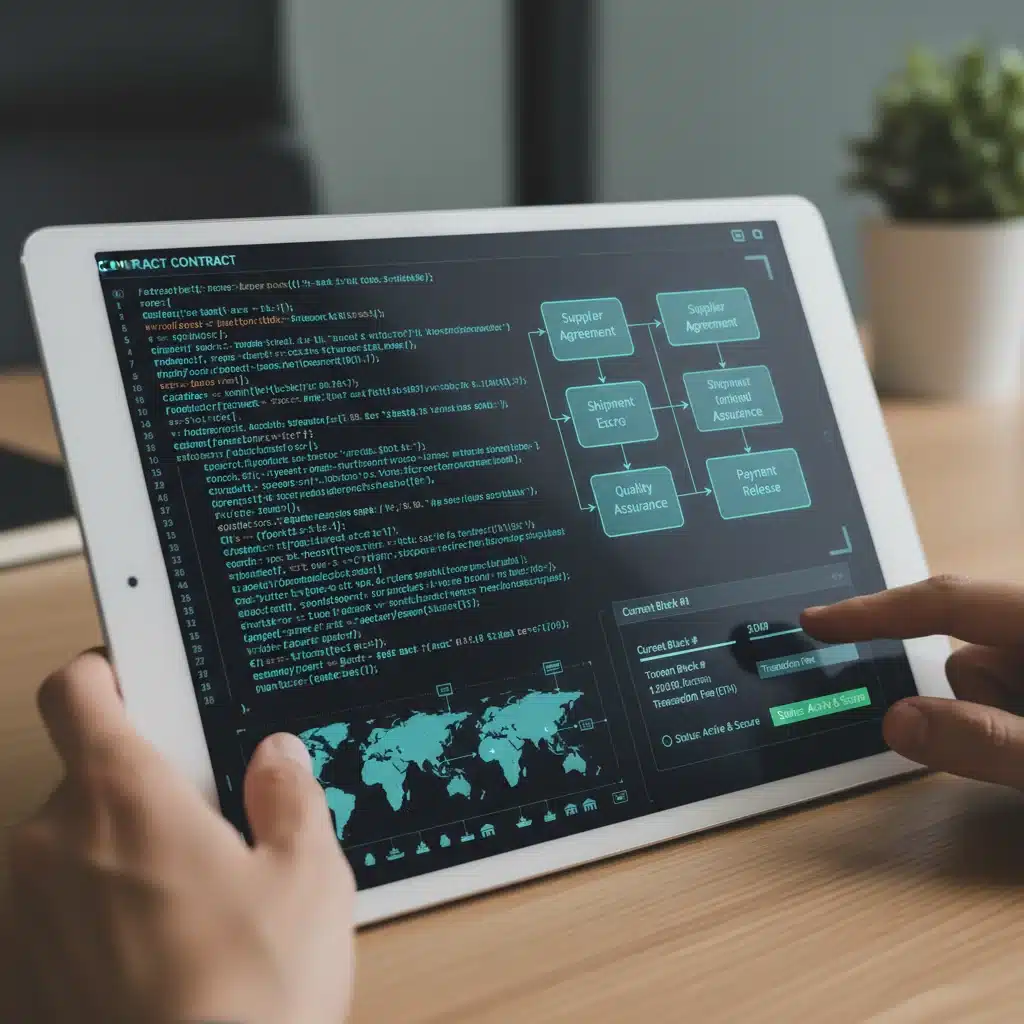
Furthermore, blockchain-enabled platforms can facilitate smart contracts for freight payments. Once goods are delivered and verified at their destination, a smart contract can automatically trigger payment to the carrier, eliminating delays and reducing the need for intermediaries. This level of automation and transparency is transforming how logistics operations are managed, leading to significant cost savings and improved efficiency across the US. The efficiency gains from blockchain supply chain US logistics applications are driving rapid adoption.
4. Ensuring Ethical Sourcing and Sustainability for Consumer Goods
Consumers are increasingly conscious of the ethical and environmental impact of the products they purchase. They want to know that products are sourced responsibly, that labor practices are fair, and that environmental standards are met. However, verifying these claims across intricate global supply chains can be incredibly challenging.
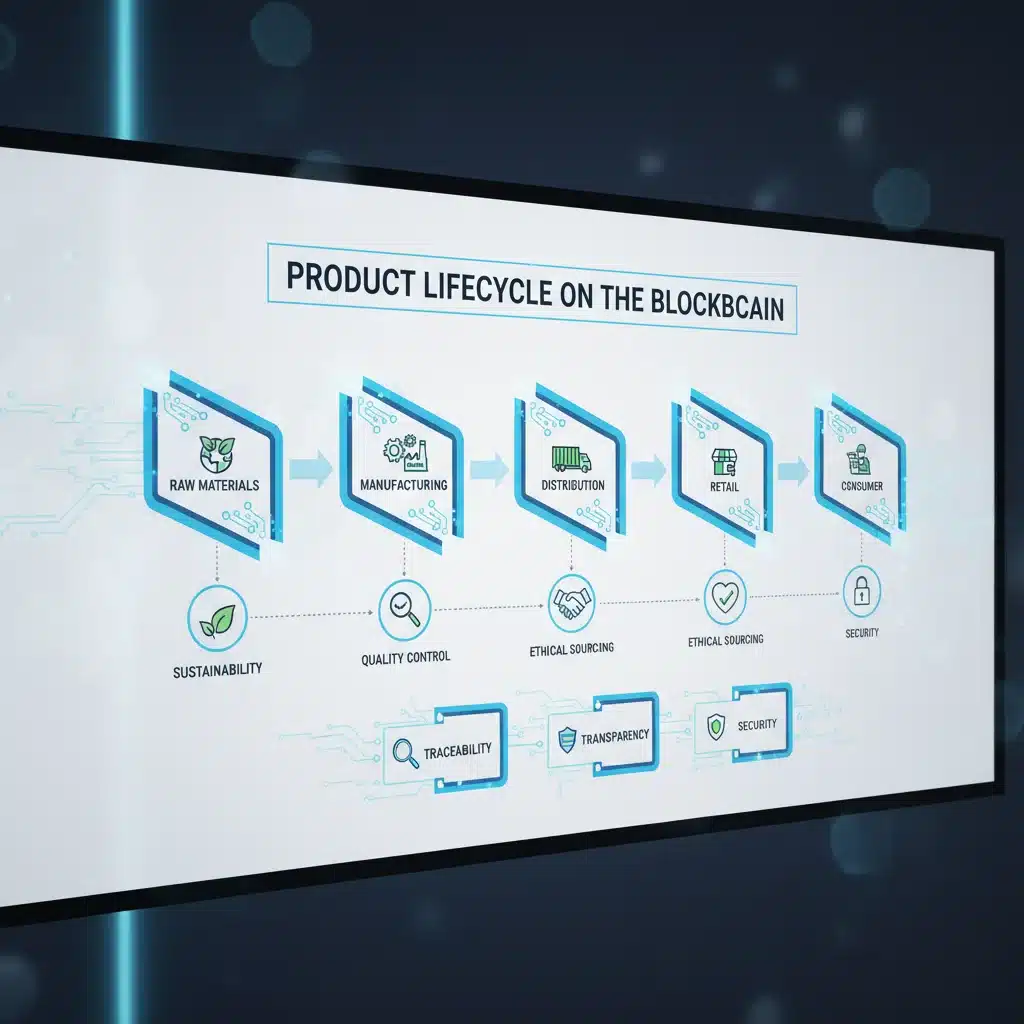
Blockchain provides a powerful tool for establishing verifiable ethical sourcing and sustainability claims. By recording every step of a product’s journey, from the origin of raw materials to manufacturing and distribution, companies can create an immutable record of compliance with ethical and environmental standards. For instance, a clothing brand can track the origin of its cotton to ensure it wasn’t produced using forced labor, or a coffee company can verify fair trade certifications for its beans.
Platforms leveraging blockchain allow brands to share this verifiable information with consumers, often through QR codes on product packaging. Scanning the code can reveal the entire history of the product, including its origin, certifications, and even the story of the artisans or farmers involved. This level of transparency builds trust with consumers and helps brands differentiate themselves in a competitive market. By 2026, ethical sourcing and sustainability powered by blockchain supply chain US initiatives will be a major differentiator for consumer goods companies.
5. Streamlining Automotive Parts Traceability and Recall Management
The automotive industry operates with incredibly complex supply chains, involving thousands of parts from numerous suppliers around the globe. Tracing individual components and managing recalls efficiently are critical for safety, quality, and regulatory compliance. A single faulty part can lead to massive recalls, incurring significant costs and reputational damage.
Blockchain technology offers a solution by enabling granular traceability of automotive parts. Each component can be assigned a unique digital identity on the blockchain, allowing manufacturers to track its journey from the raw material stage through various assembly points to its installation in a vehicle. This creates an unchangeable record of every part’s origin, manufacturing date, quality checks, and even maintenance history.
In the event of a defect or recall, manufacturers can use the blockchain to quickly identify affected vehicles and pinpoint the exact batch of faulty parts and their supplier. This drastically reduces the scope and cost of recalls, improving efficiency and enhancing consumer safety. Furthermore, blockchain can help prevent the proliferation of counterfeit auto parts, which can compromise vehicle performance and safety. The robust nature of blockchain supply chain US applications in the automotive sector is transforming how safety and quality are managed.
6. Enhancing Transparency in the Aerospace and Defense Supply Chain
The aerospace and defense (A&D) industry demands the highest levels of precision, reliability, and security in its supply chain. Components must meet stringent quality standards, and the provenance of every part is critical for safety and national security. The complexity and high value of A&D assets make it a prime candidate for blockchain implementation.
Blockchain can provide an immutable record of every component’s manufacturing process, material composition, maintenance history, and chain of custody. This is particularly valuable for critical parts where authenticity and reliability are paramount. For example, tracking aircraft engine components on a blockchain ensures that only certified, genuine parts are used, reducing the risk of failures and enhancing operational safety.
Beyond traceability, blockchain can also streamline compliance and regulatory reporting. The ability to instantly verify the authenticity and history of parts simplifies audits and reduces the administrative burden on A&D contractors. By 2026, we expect to see increased adoption of blockchain for managing complex repair and overhaul (MRO) processes, ensuring the integrity of maintenance records, and preventing the entry of unapproved parts into the system. The secure and verifiable data provided by blockchain supply chain US applications is revolutionizing this high-stakes industry.
7. Revolutionizing Retail and Consumer Engagement with Product Provenance
In the highly competitive retail sector, brand differentiation and consumer trust are key. As mentioned earlier, consumers are increasingly interested in the story behind their products. Blockchain offers a powerful way for retailers to provide verifiable product provenance, transforming consumer engagement and building stronger brand loyalty.
Beyond ethical sourcing, blockchain can be used to track luxury goods, ensuring their authenticity and preventing counterfeits in the high-value market. For example, a luxury watch or handbag can have its unique serial number recorded on a blockchain at the point of manufacture, along with details of its materials and craftsmanship. This record can then be transferred to subsequent owners, providing irrefutable proof of authenticity and ownership history.
This also opens up new possibilities for customer loyalty programs and personalized experiences. By engaging with blockchain-enabled product information, consumers can gain a deeper connection to the brands they support. By 2026, the integration of blockchain into retail supply chains will not only enhance transparency and combat fraud but also create innovative ways for brands to interact with their customers, fostering a new era of trust and engagement in the US retail landscape. The impact of blockchain supply chain US implementations in retail will be profound, from high-end luxury to everyday consumer goods.
The Future of US Supply Chains: A Blockchain-Enabled Ecosystem by 2026
The examples outlined above represent just a fraction of the potential for blockchain technology to transform US supply chains. What becomes clear is that blockchain is no longer a niche technology confined to cryptocurrency enthusiasts. It is evolving into a foundational technology for enterprises seeking to build more resilient, transparent, and efficient operations.
By 2026, the landscape of US supply chains will be significantly shaped by these advancements. We will see increased interoperability between different blockchain networks, allowing for seamless data exchange across diverse industries. Regulatory frameworks will likely adapt to accommodate and even encourage the use of blockchain for traceability and compliance. Furthermore, the integration of blockchain with other emerging technologies, such as Artificial Intelligence (AI) and the Internet of Things (IoT), will unlock even greater levels of automation and predictive analytics within supply chain management.
The journey towards a fully blockchain-enabled supply chain is not without its challenges. Issues such as scalability, data privacy, and the need for industry-wide collaboration remain critical considerations. However, the benefits in terms of reduced fraud, enhanced safety, improved efficiency, and increased consumer trust are too significant to ignore. Companies that embrace blockchain now are positioning themselves as leaders in a new era of supply chain management.
The imperative for greater transparency and accountability has never been stronger, driven by both consumer demand and regulatory pressures. Blockchain provides the cryptographic security and distributed ledger capabilities necessary to meet these demands head-on. As we approach 2026, expect to see an accelerating trend of enterprises in the US leveraging blockchain beyond crypto, not just as a technology, but as a strategic imperative for competitive advantage and sustainable growth. The future of the blockchain supply chain US ecosystem is bright, promising a new era of trust and efficiency.