Gen Z’s 2026 Buying Habits: Sustainable Tech & Ethical Consumption
The consumer landscape is in a perpetual state of flux, constantly reshaped by emerging generations and their unique values. Among these, Generation Z stands out as a formidable force, poised to exert unprecedented influence on global markets. As we inch closer to 2026, understanding the nuances of Gen Z Buying Habits becomes not just advantageous, but absolutely critical for businesses aiming for sustained growth and relevance. This demographic, born roughly between the mid-1990s and the early 2010s, represents the first true digital natives, a generation that has never known a world without the internet, social media, and instant access to information. Their purchasing decisions are deeply intertwined with their digital literacy, their social consciousness, and a profound awareness of global issues, particularly climate change and social justice.
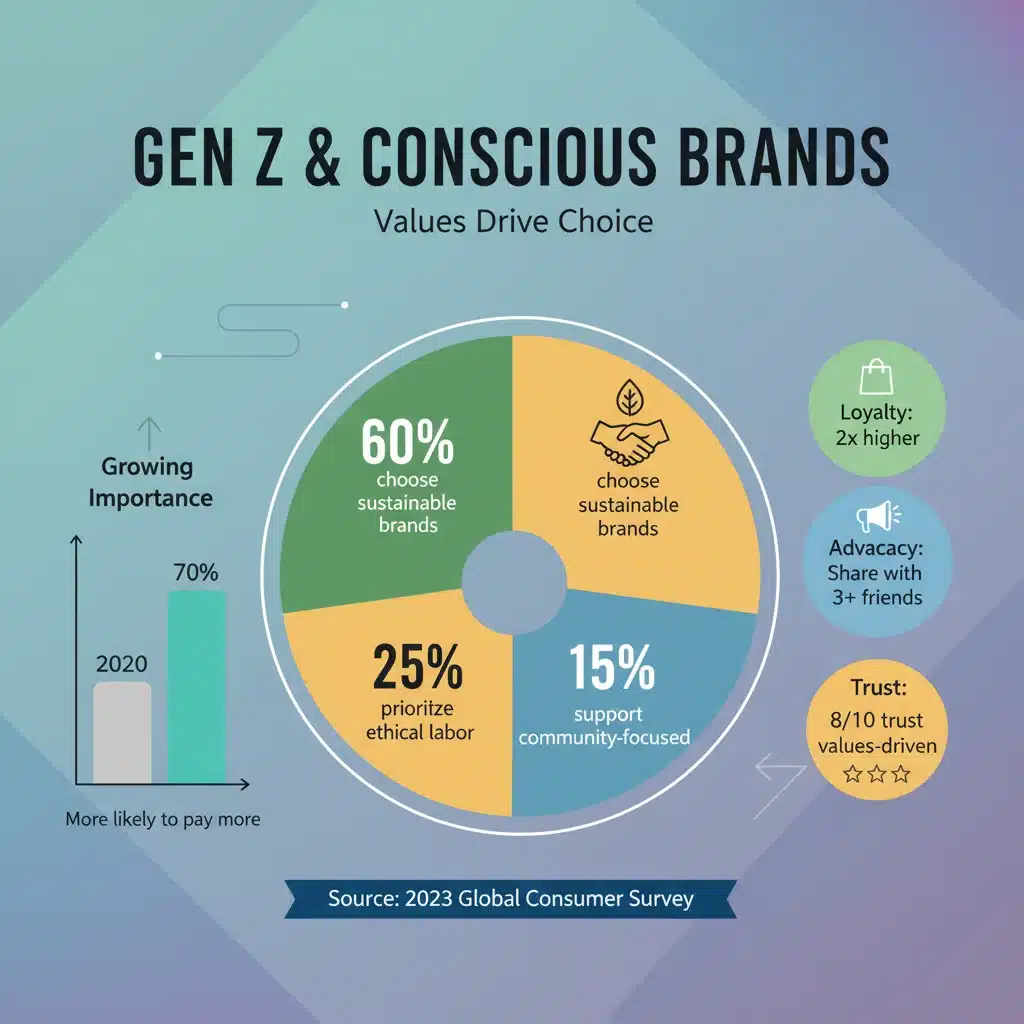
What’s emerging as a dominant trend within their consumption patterns is a significant shift – projected to be around 15% by 2026 – towards sustainable technology and ethically produced goods. This isn’t merely a fleeting preference; it’s a deeply ingrained value system that informs every aspect of their lives, from what they wear to how they communicate, and crucially, what they buy. Companies that fail to recognize and adapt to this seismic shift risk becoming obsolete. Conversely, those that embrace transparency, sustainability, and ethical practices will find themselves in a prime position to capture the loyalty and spending power of this influential generation. This article will delve deep into the multifaceted aspects of Gen Z Buying Habits for 2026, exploring the drivers behind their choices, the impact on various industries, and actionable strategies for businesses to connect authentically with this powerful consumer group.
Understanding the Core Values Driving Gen Z’s Choices
To truly comprehend Gen Z Buying Habits, one must first understand the bedrock of their values. Unlike previous generations, Gen Z has grown up in an era of unprecedented global interconnectedness, constant information flow, and a heightened awareness of societal and environmental challenges. This upbringing has instilled in them a unique set of priorities that directly influence their purchasing decisions. Authenticity is paramount; they can discern genuine brand messaging from superficial greenwashing or performative activism. They value transparency, demanding to know not just what a product is made of, but also how, where, and by whom it was produced. This quest for knowledge is facilitated by their digital prowess, allowing them to quickly research brand ethics, supply chain practices, and environmental impact before making a purchase.
Sustainability is not a buzzword for Gen Z; it’s a non-negotiable. They are acutely aware of climate change and its potential ramifications, leading them to prioritize products and brands that demonstrate a genuine commitment to environmental protection. This includes everything from sustainable sourcing of materials and energy-efficient production processes to biodegradable packaging and responsible waste management. Their environmental consciousness extends beyond just products to the entire lifecycle, often favoring repairability, longevity, and circular economy models over fast fashion and disposable consumerism. This translates into a growing demand for sustainable technology, from gadgets made with recycled materials to energy-efficient appliances that reduce their carbon footprint.
Beyond environmental concerns, ethical consumption plays an equally significant role. Gen Z is deeply concerned with social justice, fair labor practices, and community impact. They want to support brands that treat their employees fairly, pay living wages, and contribute positively to society. This includes a rejection of exploitative labor practices, a demand for diversity and inclusion in marketing and corporate structures, and a preference for companies that actively engage in social good. The rise of social media has given them a platform to voice these concerns and hold brands accountable, making ethical considerations an integral part of their purchasing journey. Ignoring these core values is a surefire way for businesses to alienate this powerful demographic, while aligning with them can foster deep, long-lasting brand loyalty.
The 15% Shift: Sustainable Tech and Its Growing Appeal
The most striking projection for 2026 is the estimated 15% shift in Gen Z Buying Habits towards sustainable technology. This isn’t just about opting for an eco-friendly mobile case; it encompasses a broader demand for tech products that are designed, manufactured, and disposed of with environmental and social responsibility in mind. This includes devices made from recycled or sustainably sourced materials, products with extended lifespans through modular design and repairability, and electronics that are energy-efficient during use and easily recyclable at end-of-life. The trend is driven by a combination of factors: Gen Z’s innate environmental consciousness, their desire for products that reflect their values, and increasing innovation within the sustainable tech sector.
Consider the smartphone market. While performance and features remain important, a growing segment of Gen Z consumers are actively seeking out brands that offer transparent supply chains, use ethically sourced minerals, and provide robust recycling programs. Similarly, in the realm of home electronics, smart devices that optimize energy consumption, utilize renewable energy sources, or are built with biodegradable components are gaining traction. Wearable technology, personal computing, and even gaming consoles are not immune to this shift. Brands that can credibly demonstrate their commitment to sustainability in their tech offerings will gain a significant competitive edge.
This shift also extends to the services surrounding technology. Gen Z is more likely to subscribe to cloud services powered by renewable energy, choose internet providers with strong environmental policies, and support tech companies that invest in carbon offsetting or sustainable innovation. Repair services, refurbished electronics, and device trade-in programs are also highly appealing, as they align with the generation’s preference for circular economy principles over constant upgrades and wasteful disposal. For businesses in the technology sector, this means re-evaluating product design, manufacturing processes, supply chain ethics, and end-of-life solutions to meet the evolving expectations of this influential consumer group. The 15% shift by 2026 signals a critical juncture for the tech industry, demanding a proactive and genuine embrace of sustainability.

The Digital Native Advantage: Research, Influence, and E-commerce
As digital natives, Gen Z’s relationship with technology profoundly shapes their Gen Z Buying Habits. Their purchasing journey often begins and ends online, leveraging a vast array of digital tools for research, comparison, and purchase. Social media platforms are not just for entertainment; they are powerful discovery engines, review aggregators, and direct communication channels with brands. Influencer marketing, particularly from micro-influencers whose authenticity resonates more deeply, plays a significant role in shaping their perceptions and preferences.
Before making a purchase, Gen Z consumers are meticulous researchers. They scour online reviews, watch unboxing videos, compare specifications across multiple websites, and actively seek out information on a brand’s ethical and environmental track record. They are adept at filtering out promotional noise and identifying genuine endorsements. This means that a strong online presence, transparent product information, and readily available sustainability certifications are crucial for any brand looking to engage with them. A brand’s website must be user-friendly, mobile-optimized, and provide comprehensive details about its products and values.
E-commerce is their natural habitat. They expect seamless online shopping experiences, intuitive interfaces, and efficient delivery options. However, their digital savvy also means they are highly sensitive to data privacy concerns. Brands that demonstrate a commitment to protecting user data and offering personalized yet respectful online experiences will gain their trust. Furthermore, the lines between online and offline shopping are increasingly blurred for Gen Z. They appreciate omnichannel experiences that allow them to research online, try in-store, and purchase through their preferred channel, often expecting consistency in brand messaging and values across all touchpoints. Their digital fluency empowers them to be highly informed and selective consumers, making authentic digital engagement a cornerstone of successful marketing strategies.
Brand Authenticity and Transparency: Non-Negotiables for Gen Z
In an era of information overload and widespread skepticism, brand authenticity and transparency are no longer optional but essential for capturing Gen Z Buying Habits. This generation has a finely tuned BS detector and can quickly spot disingenuous marketing or corporate posturing. They demand that brands live up to their stated values, not just through advertising campaigns, but through tangible actions and verifiable practices. This means genuine commitment to sustainability, ethical labor, and social responsibility must be embedded in a company’s DNA, not just tacked on as a marketing gimmick.
Transparency is about opening up the curtains on business operations. Gen Z wants to see the faces behind the brand, understand the supply chain, know where materials come from, and how workers are treated. Companies that provide detailed information about their manufacturing processes, carbon footprint, and social impact initiatives are more likely to earn their trust. Certifications from reputable third-party organizations (like B Corp, Fair Trade, or LEED) can also play a crucial role in validating a brand’s claims and building credibility. Conversely, brands that are opaque or evasive about their practices will quickly face scrutiny and potential backlash from this vocal generation.
Authenticity also extends to a brand’s voice and messaging. Gen Z responds best to brands that communicate in a genuine, relatable, and often informal manner. They appreciate humor, vulnerability, and a willingness to engage in authentic dialogue, rather than top-down corporate pronouncements. This often manifests in successful social media strategies that foster community, encourage user-generated content, and respond directly to customer feedback and concerns. Brands that are willing to admit mistakes, learn from criticism, and evolve their practices based on feedback will resonate more strongly than those that project an image of infallible perfection. Building trust through authenticity and transparency is a long-term investment that yields significant returns in Gen Z loyalty.
The Role of Social Impact and Activism in Purchase Decisions
Gen Z is often referred to as the ‘activist generation,’ and this deeply impacts their Gen Z Buying Habits. They are not passive consumers; they actively seek to align their spending with their values, using their purchasing power as a form of activism. This means they are more likely to support brands that take a stand on social and environmental issues, contribute to charitable causes, or actively work towards a better world. Neutrality is often not an option; they expect brands to have a clear stance on issues that matter to them, whether it’s climate justice, racial equality, LGBTQ+ rights, or mental health awareness.
This doesn’t mean brands need to become political pundits, but rather demonstrate a genuine commitment to social good that is integrated into their business model. For instance, a tech company that actively promotes diversity in its workforce and leadership, or one that partners with non-profits to provide technology access to underserved communities, will resonate strongly. Similarly, brands that implement fair labor practices throughout their global supply chains, ensuring safe working conditions and equitable wages, directly appeal to Gen Z’s ethical sensibilities. Social impact initiatives are not just good PR; they are a fundamental expectation.
Furthermore, Gen Z is influenced by the collective actions of their peers. Social proof, especially when it comes to ethical consumption, is powerful. If their friends, favorite influencers, or online communities endorse a brand for its social impact, they are more likely to consider it. This creates a virtuous cycle where positive brand actions are amplified through digital networks, further solidifying the brand’s reputation among this demographic. Brands that can articulate their social mission clearly, demonstrate measurable impact, and invite their community to be part of the solution will effectively tap into the activist spirit of Gen Z, transforming consumers into brand advocates.
Implications for Businesses: Adapting to the New Consumer Landscape
The evolving Gen Z Buying Habits present both challenges and immense opportunities for businesses across all sectors. Adapting to this new consumer landscape requires more than just superficial changes; it demands a fundamental rethinking of business strategies, from product development and supply chain management to marketing and customer engagement. Ignoring these shifts is a perilous path, while embracing them can unlock significant market share and foster enduring brand loyalty.
For product development, the focus must shift towards sustainability by design. This means incorporating recycled and renewable materials, designing for longevity and repairability, and minimizing environmental impact throughout the product lifecycle. For tech companies, this translates into developing energy-efficient devices, offering software updates that extend product lifespans, and providing transparent information about the environmental footprint of their products. Innovation in sustainable technology will be a key differentiator.
Supply chain transparency is no longer optional. Businesses need to audit their supply chains, ensure ethical labor practices, and communicate these efforts clearly to consumers. This might involve investing in blockchain technology to track product origins or partnering with certified ethical suppliers. Brands must be prepared to answer tough questions about their sourcing and manufacturing processes with verifiable data.
Marketing and communication strategies need to evolve to be authentic, transparent, and value-driven. Generic advertising campaigns will fall flat. Instead, brands should focus on storytelling that highlights their commitment to sustainability and social impact, engage with Gen Z on their preferred digital platforms, and collaborate with authentic influencers who genuinely align with their brand values. User-generated content and community building will be more effective than traditional top-down marketing.
Customer experience must be seamless, personalized, and ethical. This includes intuitive online shopping, responsive customer service, and data privacy policies that respect consumer rights. Offering options for repair, trade-ins, and responsible disposal will also resonate strongly. Ultimately, businesses that embed sustainability, ethics, and authenticity into every facet of their operations will not only meet the expectations of Gen Z but also build a more resilient and responsible business for the future.
Key Strategies for Engaging with Gen Z by 2026
Successfully engaging with Gen Z by 2026 requires a multi-pronged approach that acknowledges their unique values and digital fluency. Here are some actionable strategies for businesses looking to capture the attention and loyalty of this powerful demographic, keeping the Gen Z Buying Habits at the forefront:
- Prioritize Sustainable and Ethical Product Development: Integrate sustainability from the outset of your product design cycle. This includes using recycled, recyclable, and sustainably sourced materials, designing for durability and repairability, and minimizing environmental impact throughout the product lifecycle. For technology, focus on energy efficiency, modular design, and robust recycling programs. Clearly communicate these efforts and ideally, back them up with third-party certifications.
- Embrace Radical Transparency: Be open and honest about your entire supply chain, manufacturing processes, and corporate practices. Provide accessible information about where your products come from, how they are made, and the labor conditions involved. Use your website, social media, and product packaging to share your sustainability reports, ethical sourcing policies, and social impact initiatives. Avoid greenwashing at all costs, as Gen Z will quickly expose any inconsistencies.
- Authentic Digital Engagement: Meet Gen Z where they are – on platforms like TikTok, Instagram, YouTube, and Twitch. Develop an authentic brand voice that is relatable, engaging, and reflective of your values. Partner with micro-influencers and content creators who genuinely align with your brand’s mission, rather than just large celebrities. Encourage user-generated content and actively participate in online conversations, responding to feedback and fostering a sense of community.
- Champion Social Causes: Demonstrate a genuine commitment to social and environmental causes that resonate with Gen Z. This could involve donating a portion of profits to relevant charities, implementing fair labor practices, promoting diversity and inclusion within your organization, or advocating for policy changes. Ensure your social impact initiatives are authentic, measurable, and integrated into your core business strategy, not just one-off campaigns.
- Invest in Circular Economy Models: Gen Z values longevity and waste reduction. Explore offering repair services, trade-in programs for old products, or even subscription models that promote product reuse and recycling. Brands that facilitate a circular economy approach will be highly attractive, as they align with Gen Z’s desire to minimize their environmental footprint and consume more responsibly.
- Personalization and Seamless Experiences: While valuing privacy, Gen Z also expects personalized experiences. Leverage data ethically to offer relevant product recommendations and content. Ensure your online and offline experiences are seamless, user-friendly, and mobile-optimized. Provide multiple convenient payment and delivery options, and offer exceptional customer service that is responsive and empathetic.
- Educate and Empower: Position your brand as a source of information and empowerment. Educate Gen Z about the benefits of sustainable choices, the impact of their consumption, and how your products contribute to a better future. Empower them to make informed decisions by providing clear, concise, and credible information about your products’ sustainability credentials.
By proactively implementing these strategies, businesses can not only adapt to the evolving Gen Z Buying Habits but also build strong, meaningful relationships with this generation, securing their loyalty and contributing to a more sustainable and ethical future for commerce.
The Long-Term Impact of Gen Z’s Ethical Consumption
The shifts in Gen Z Buying Habits, particularly the pronounced move towards sustainable technology and ethical consumption, are not merely short-term trends but represent a fundamental reshaping of the global marketplace. The long-term impact of this generation’s values will be profound, influencing not just consumer spending but also corporate governance, innovation, and even public policy.
First, Gen Z’s demand for transparency and accountability will force companies to re-evaluate their entire value chains. The days of opaque sourcing and exploitative labor practices will increasingly become untenable as consumers demand to know the story behind every product. This pressure will drive greater ethical standards across industries, leading to more fair trade practices, improved working conditions, and responsible resource management globally.
Second, the emphasis on sustainable technology will accelerate innovation in green tech. Companies will invest more heavily in research and development for eco-friendly materials, energy-efficient designs, and circular economy solutions. This will not only lead to more sustainable products but also potentially create entirely new industries and job markets centered around environmental responsibility and resource optimization. The 15% shift towards sustainable tech by 2026 is just the beginning of a much larger transformation.
Third, Gen Z’s influence will extend beyond individual purchases to broader societal expectations. As they age and gain more economic and political power, their values will likely shape corporate social responsibility norms and government regulations. Businesses that proactively embed ESG (Environmental, Social, Governance) principles into their core operations will not only attract Gen Z consumers but also be better positioned for future regulatory landscapes and investor expectations.
Finally, Gen Z’s collective voice, amplified by digital platforms, will continue to hold brands accountable. Their willingness to call out greenwashing or unethical practices will ensure that companies’ commitments to sustainability and ethics are genuine and not just performative. This constant scrutiny will serve as a powerful catalyst for positive change, driving a more conscious and responsible form of capitalism. Understanding and adapting to Gen Z Buying Habits is therefore not just about securing market share; it’s about participating in a movement towards a more ethical and sustainable global economy.
Conclusion: Navigating the Future with Gen Z at the Helm
The landscape of consumer behavior is undeniably shifting, with Generation Z emerging as a pivotal force. Their unique blend of digital savviness, social consciousness, and environmental awareness is fundamentally redefining what it means to be a successful brand. The projected 15% shift towards sustainable technology and ethical consumption by 2026 is a clear indicator that businesses can no longer afford to view sustainability and ethics as optional add-ons; they are core tenets upon which future success will be built.
To thrive in this evolving environment, companies must move beyond superficial gestures and embrace genuine transformation. This means embedding sustainability into every stage of product development, ensuring complete transparency across supply chains, and engaging with consumers on digital platforms with authenticity and purpose. It requires fostering a brand identity that aligns with Gen Z’s values, demonstrating a commitment to social impact, and actively contributing to a better world. The brands that listen, adapt, and innovate with these principles in mind will not only capture the loyalty of this powerful generation but also forge a path towards a more responsible and resilient future for business.
The era of conscious consumption, driven by the discerning choices of Gen Z, is upon us. Businesses that understand and proactively respond to these dynamic Gen Z Buying Habits will be the ones that not only survive but truly flourish in the years to come, shaping a marketplace that prioritizes people and the planet alongside profit.