Micro-Influencers and Niche Communities: 6 Cultural Movements Gaining Traction in 2026
In the ever-evolving digital landscape, the power of influence is shifting. No longer is it solely the domain of mega-celebrities with millions of followers. Instead, a more nuanced, authentic, and deeply engaged form of influence is taking center stage: the rise of micro-influencers within vibrant niche communities. These are the individuals who, despite having smaller followings, boast incredibly high engagement rates and a profound connection with their audience. They are tastemakers, trusted advisors, and authentic voices within specific cultural movements. As we look towards 2026, understanding these micro-influencer cultural movements is paramount for brands seeking genuine connection and impact.
The digital world has fragmented into countless specialized interest groups, each with its own language, values, and preferred content. This fragmentation, far from being a challenge, presents an unparalleled opportunity for brands willing to engage authentically. Micro-influencers are the conduits to these highly engaged, passionate groups. Their recommendations carry weight because they are perceived as peers, experts, or relatable figures rather than distant, aspirational icons. This article delves into the transformative role of micro-influencers and highlights six significant cultural movements that are not only gaining traction but are set to define consumer behavior and social trends by 2026.
The Ascendance of Micro-Influencers: Why Niche is the New Mass
For years, the influencer marketing industry chased follower counts, believing that sheer volume translated directly into impact. However, data consistently shows that engagement rates tend to decrease as follower counts increase. This fundamental shift in understanding has propelled micro-influencers into the spotlight. A micro-influencer, typically defined as someone with 1,000 to 100,000 followers, excels in fostering genuine communities. Their audience often shares highly specific interests, making them invaluable for brands targeting particular demographics or psychographics.
The authenticity inherent in micro-influencer content is a major draw. Unlike macro-influencers who often juggle numerous brand deals, micro-influencers are more selective, ensuring their collaborations align seamlessly with their personal brand and the interests of their community. This selectivity builds trust, a commodity more valuable than ever in an era of information overload and consumer skepticism. When a micro-influencer endorses a product or service, it feels less like an advertisement and more like a personal recommendation from a trusted friend. This is the core of their power and why micro-influencer cultural movements are so potent.
Furthermore, micro-influencers are often more accessible and affordable for brands, democratizing influencer marketing and allowing businesses of all sizes to participate. Their content is frequently more raw and relatable, resonating deeply with an audience tired of overly polished, unattainable lifestyles. This relatability fosters a sense of belonging and shared identity within their niche, making these communities fertile ground for brand engagement. Understanding how these dynamics play out within specific cultural movements is key to unlocking future marketing success.
Decoding Niche Communities: The Future of Consumer Engagement
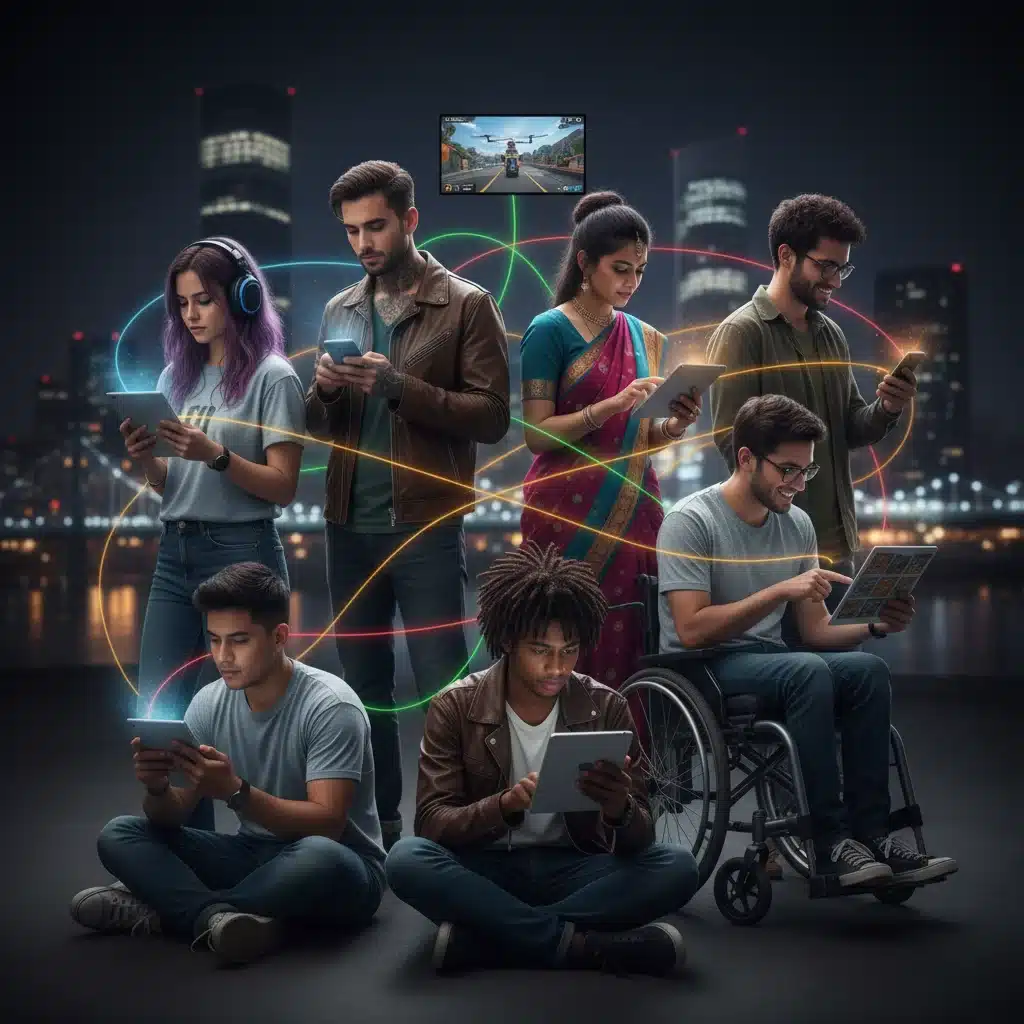
Niche communities are digital gathering places where individuals with shared passions, hobbies, values, or identities connect. These can range from highly specific gaming communities and ethical fashion enthusiasts to sustainable living advocates and digital nomad groups. What defines them is the intensity of shared interest and the high level of interaction among members. These communities are not just passive consumers of content; they are active participants, co-creators, and vocal advocates. Micro-influencers often emerge from within these communities, organically growing their influence by consistently providing valuable content and fostering meaningful conversations.
For brands, engaging with niche communities through micro-influencers offers several advantages. Firstly, it allows for highly targeted marketing efforts, reducing wasted ad spend and increasing conversion rates. Secondly, it provides invaluable insights into consumer preferences, emerging trends, and unmet needs, acting as a direct feedback loop. Thirdly, it enables brands to build authentic relationships with consumers, fostering loyalty and advocacy that goes far beyond a single transaction. These niche communities are incubators for new ideas and cultural shifts, making them essential to monitor for anyone interested in the future of marketing and society.
The strength of these communities lies in their shared identity and purpose. Members often feel a strong sense of belonging and mutual support, leading to a high degree of trust in information shared within the group. Micro-influencers capitalize on this trust, becoming influential because they genuinely understand and embody the values of their community. This deep understanding is what allows them to effectively champion specific cultural movements and drive their adoption.
6 Micro-Influencer Cultural Movements Gaining Traction in 2026
As we head towards 2026, several distinct cultural movements are gaining significant momentum, largely driven by the authentic voices of micro-influencers within their respective niche communities. Brands that align with these movements and engage with their key influencers will be well-positioned for future success.
1. The Conscious Consumption & Ethical Living Movement
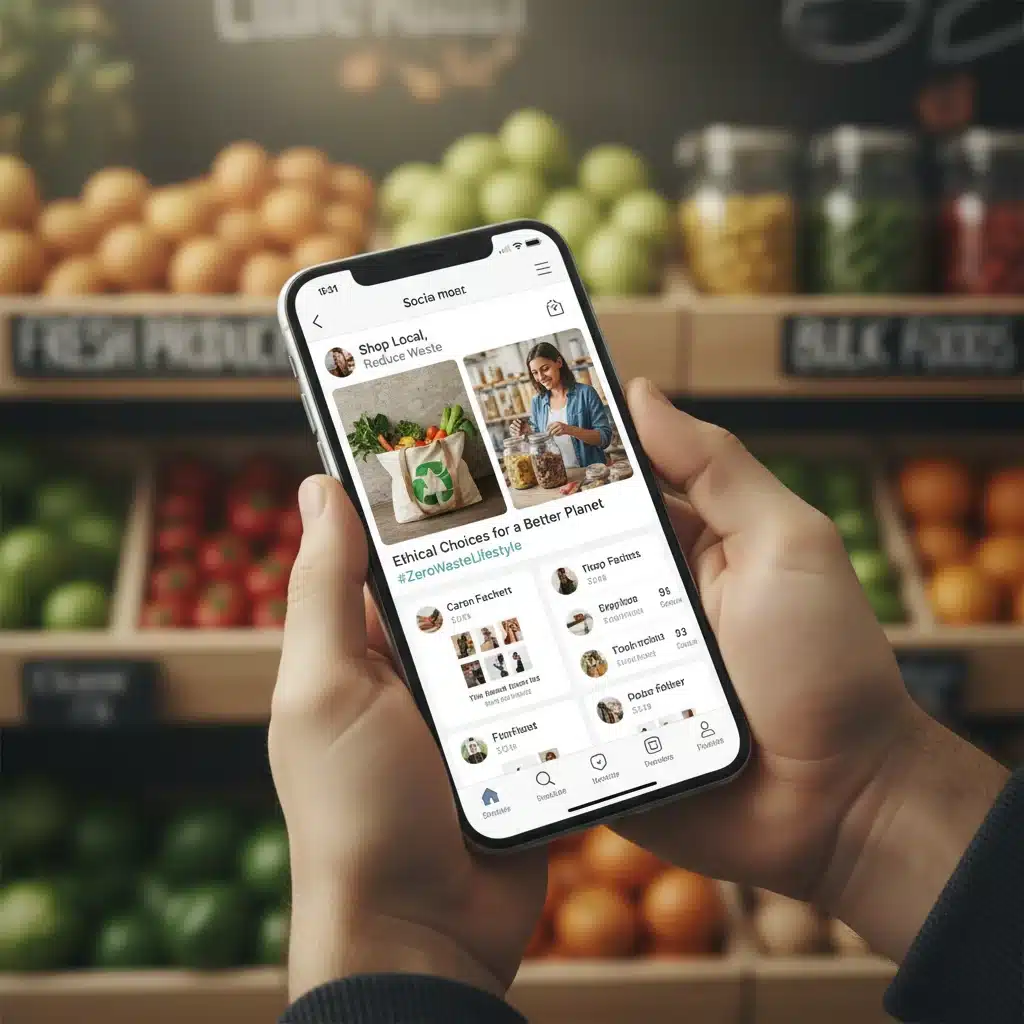
This movement is characterized by a growing consumer demand for products and services that are ethically sourced, environmentally friendly, and socially responsible. Micro-influencers in this space champion everything from sustainable fashion and zero-waste living to fair-trade products and cruelty-free beauty. Their content often features product reviews, DIY sustainable alternatives, and educational pieces on the environmental and social impact of consumer choices. They empower their followers to make informed decisions that align with their values.
By 2026, this movement will be mainstream, with conscious consumption becoming a non-negotiable for a significant portion of consumers. Micro-influencers will be instrumental in educating the public on greenwashing, promoting transparent brands, and inspiring actionable change. Brands that genuinely embrace sustainability and ethical practices, and partner with these authentic voices, will build immense trust and loyalty.
Examples of content from this movement include: tutorials on composting, reviews of eco-friendly home products, guides to thrifting and upcycling clothes, and discussions on supply chain ethics. The community is highly engaged, often sharing tips and holding brands accountable.
2. Digital Detox & Mindful Living
In response to increasing digital fatigue and the always-on culture, a movement towards intentional disconnection and mindful living is flourishing. Micro-influencers in this niche advocate for practices that promote mental well-being, such as meditation, yoga, spending time in nature, and setting boundaries with technology. They share strategies for reducing screen time, cultivating presence, and fostering a balanced lifestyle. This is a critical micro-influencer cultural movement for mental health.
By 2026, as digital tools become even more integrated into our lives, the need for intentional breaks will intensify. Brands that offer products or services supporting mental wellness, outdoor activities, or technology-free experiences will find a highly receptive audience within this community. Micro-influencers will help demystify mindful practices and make them accessible to a wider audience, positioning themselves as guides to inner peace in a chaotic world.
Their content might include: guided meditations, reviews of wellness apps, tips for creating a peaceful home environment, or stories about their own digital detox journeys. The community values authenticity and practices over superficial trends.
3. Hyper-Personalized Wellness & Bio-Hacking
Moving beyond generic health advice, this movement focuses on optimizing individual well-being through data-driven, personalized approaches. Micro-influencers in this space often share their own experiments with diet, exercise, sleep tracking, supplementation, and even advanced bio-hacking techniques. They delve into topics like gut microbiome health, genetics-based nutrition, wearable tech for health monitoring, and nootropics. Their followers are highly analytical and eager to understand the science behind personal optimization.
As technology advances, personalized health data will become even more accessible, fueling this movement. By 2026, consumers will increasingly seek tailored solutions for their health and wellness needs. Brands offering innovative health tech, personalized nutrition plans, or evidence-based supplements will find powerful advocates in these micro-influencers. They act as educators and translators of complex scientific information, making cutting-edge wellness practices understandable and attainable for their communities.
This niche is characterized by detailed reviews of health gadgets, explanations of scientific studies, and personal transformation stories. The community is often highly educated and discerning, valuing factual accuracy and measurable results.
4. The Creator Economy & Skill-Sharing Revolution
This movement celebrates independent creators, entrepreneurs, and the democratization of skills. Micro-influencers here are often experts in a specific craft, digital skill, or business niche, sharing their knowledge, tools, and processes. They inspire their followers to pursue their passions, monetize their skills, and build independent careers. This includes artists, designers, coders, writers, and various other specialists who teach, mentor, and share their journey.
The creator economy is booming, and by 2026, more individuals will seek alternative career paths and ways to leverage their unique talents. Brands providing tools, platforms, educational resources, or services that empower creators will find a highly engaged audience through these micro-influencers. These influencers don’t just promote products; they demonstrate how these products can be used to achieve creative and professional goals, offering tangible value to their communities.
Content examples include: tutorials on specific software, guides to starting an online business, behind-the-scenes glimpses of creative processes, and product recommendations for creative tools. This community thrives on learning and mutual support.

5. Localism & Hyper-Local Community Building
Countering the globalized and often impersonal nature of the internet, this movement emphasizes the importance of local communities, businesses, and experiences. Micro-influencers in this space are deeply embedded in their local areas, highlighting hidden gems, promoting local events, and championing small businesses. They foster a sense of civic pride and encourage their followers to support their immediate surroundings, whether it’s a neighborhood, town, or specific cultural district.
By 2026, as people seek more meaningful connections and a stronger sense of belonging, localism will become increasingly vital. Brands with a physical presence or those offering locally relevant products and services can tap into this movement through hyper-local micro-influencers. These influencers offer an intimate, trustworthy connection to a specific geographic area, making them invaluable for local marketing efforts and community engagement. They help bridge the gap between online discovery and offline experience.
Their content might feature: reviews of local restaurants, showcases of local artisans, updates on community projects, or guides to exploring local attractions. The community is often passionate about supporting their local economy and culture.
6. Retro-Futurism & Nostalgia-Driven Innovation
This intriguing movement looks to the past for aesthetic inspiration and often combines it with modern technology or forward-thinking concepts. Micro-influencers in this niche explore styles, technologies, and cultural touchstones from previous decades (e.g., 80s synthwave, 90s grunge, mid-century modern design) and reinterpret them for the present and future. This isn’t just about simple nostalgia; it’s about re-imagining and innovating with a historical lens.
As society grapples with rapid technological change, a yearning for familiar aesthetics and narratives can provide comfort and inspiration. By 2026, this blending of past and future will influence design, fashion, music, and even technological interfaces. Brands that can creatively integrate retro aesthetics with modern functionality, or those that celebrate specific historical periods, will find a highly engaged audience through these micro-influencers. They act as curators of cool, bridging generational gaps and creating new cultural dialogues.
Content from this movement could include: vintage tech reviews, modern fashion styled with retro elements, discussions on historical design principles, or art inspired by past eras. The community is often highly creative and appreciative of unique aesthetics.
The Strategic Imperative for Brands: Engaging with Micro-Influencer Cultural Movements
For brands navigating the increasingly crowded digital space, simply shouting louder is no longer effective. The future of marketing lies in authentic connection, and that connection is best forged through the trusted voices of micro-influencers within their respective niche communities. Ignoring these micro-influencer cultural movements would be a significant oversight.
To effectively engage, brands must:
- Identify Relevant Movements: Research and understand which of these cultural movements (or others) align with their brand values, products, or services. Authenticity is key; forced connections will be quickly spotted.
- Find Authentic Micro-Influencers: Look beyond follower counts. Prioritize engagement rates, audience demographics, content quality, and a genuine passion for the niche. Tools for influencer discovery can help, but manual vetting is crucial.
- Foster Genuine Relationships: Treat micro-influencers as partners, not just transactional channels. Provide creative freedom, listen to their insights, and build long-term relationships based on mutual respect.
- Co-Create Value: Collaborate with micro-influencers to create content that genuinely resonates with their audience. This means moving beyond prescriptive briefs and allowing for their unique voice and perspective.
- Measure Impact Beyond Vanity Metrics: Focus on metrics like engagement rate, brand sentiment, website traffic from influencer links, and ultimately, conversions, rather than just impressions or follower growth. The depth of engagement is more important than its breadth.
- Be Patient and Consistent: Building trust and seeing results from micro-influencer campaigns takes time. Consistency in engagement and a long-term strategy will yield the best outcomes.
The shift towards micro-influencers and niche communities is not just a trend; it’s a fundamental change in how influence works. As we approach 2026, the brands that understand and adapt to these dynamics will be the ones that truly connect with consumers and drive meaningful impact. The power is in the pockets of the people, amplified by their trusted, relatable peers.
Conclusion: The Future is Niche, Authentic, and Influenced by Many
The digital landscape is a mosaic of diverse interests, passions, and cultural expressions. The six cultural movements discussed – Conscious Consumption & Ethical Living, Digital Detox & Mindful Living, Hyper-Personalized Wellness & Bio-Hacking, The Creator Economy & Skill-Sharing Revolution, Localism & Hyper-Local Community Building, and Retro-Futurism & Nostalgia-Driven Innovation – are just a snapshot of the dynamic shifts occurring. Each of these movements is being propelled forward by the authentic voices of micro-influencers, who have become indispensable guides and trusted sources within their niche communities.
For brands, the message is clear: the era of one-size-fits-all marketing is fading. The future belongs to those who can zoom in, understand the intricacies of specific cultural movements, and engage with them through the genuine connections fostered by micro-influencers. By embracing this approach, brands can move beyond superficial reach to achieve profound resonance, build lasting loyalty, and truly become part of the cultural fabric of tomorrow. The journey to 2026 will be defined by authenticity, community, and the undeniable power of the micro-influencer.