Gen Z’s Pop Culture Revolution: 5 Emerging Trends Shaping 2026
In the dynamic tapestry of American society, few generations have wielded as much transformative power over popular culture as Generation Z. Born roughly between the mid-1990s and the early 2010s, this cohort, often dubbed ‘digital natives,’ is not just consuming culture; they are actively creating, curating, and redefining it. As we approach 2026, understanding the nuances of Gen Z Pop Culture is not merely an academic exercise; it’s a strategic imperative for brands, media houses, artists, and anyone keen on grasping the future trajectory of cultural phenomena. Their digital fluency, coupled with a strong sense of social consciousness and a penchant for authenticity, sets them apart, making their influence both profound and pervasive.
The landscape of pop culture is in a constant state of flux, but Gen Z’s impact accelerates this evolution. They are dismantling traditional gatekeepers, democratizing content creation, and championing a more inclusive and diverse cultural narrative. From the music charts to fashion runways, from the silver screen to the smallest TikTok feed, their fingerprints are everywhere. This generation doesn’t just adapt to technology; they integrate it seamlessly into their identities and expressions, blurring the lines between the physical and digital worlds.
This comprehensive exploration delves into five pivotal emerging trends driven by Gen Z Pop Culture that are poised to dominate the cultural conversation in 2026. These trends are not isolated phenomena but interconnected facets of a larger cultural shift, reflecting Gen Z’s core values, aspirations, and their unique way of engaging with the world. We will analyze how their preferences in music, fashion, technology, social engagement, and personal expression are converging to create a vibrant, sometimes chaotic, but undeniably influential cultural ecosystem.
Understanding these shifts is crucial for anyone looking to connect with this powerful demographic. Gen Z is not just a consumer group; they are cultural architects, and their vision for the future is already taking shape. Prepare to dive deep into the trends that will define the next wave of US pop culture, all through the lens of this remarkable generation.
1. The Hyper-Personalized, Algorithmic Entertainment Ecosystem
The days of passive, mass-market consumption are rapidly fading, replaced by an entertainment landscape meticulously curated by algorithms and personal preferences. Gen Z, having grown up with recommendation engines and endless content libraries, expects nothing less than hyper-personalized experiences. This trend is not just about streaming services; it permeates every aspect of their entertainment consumption, from music discovery to video content and even gaming.
In 2026, we will see an even deeper integration of AI and machine learning into entertainment platforms. Imagine music streaming services that not only recommend songs but also create personalized playlists based on your mood, time of day, and even biometric data. Video platforms will offer interactive narratives where viewer choices genuinely impact the storyline, moving beyond simple ‘choose your own adventure’ formats to truly dynamic storytelling. The rise of virtual influencers and AI-generated content will also accelerate, with Gen Z readily embracing these digital entities as legitimate sources of entertainment and even companionship.
This hyper-personalization extends to niche communities. Gen Z thrives on finding their ‘tribe,’ and entertainment platforms are facilitating this by enabling ultra-specific content creation and consumption. Think of the explosion of micro-genres in music, the proliferation of specialized gaming communities, or the dedicated fan bases built around obscure internet aesthetics. The mainstream will continue to exist, but the power will increasingly shift to the aggregated influence of countless niche interests, each served by sophisticated algorithms designed to keep users engaged and feeling understood. This dynamic is a cornerstone of Gen Z Pop Culture.
Furthermore, the line between creator and consumer will become even blurrier. Gen Z doesn’t just watch; they participate. User-generated content (UGC) will continue to be a dominant force, with platforms offering increasingly sophisticated tools for creation and monetization. This democratic approach to content production means that authenticity and relatability often triumph over high production value, further empowering individual voices and diversifying the cultural landscape. The algorithmic ecosystem isn’t just about what you watch or listen to; it’s about how you contribute to it, making it a truly interactive experience.
2. The Rise of ‘Conscious Consumption’ and Values-Driven Engagement
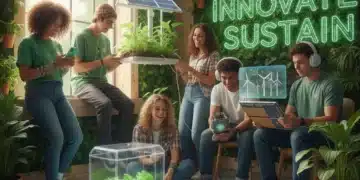
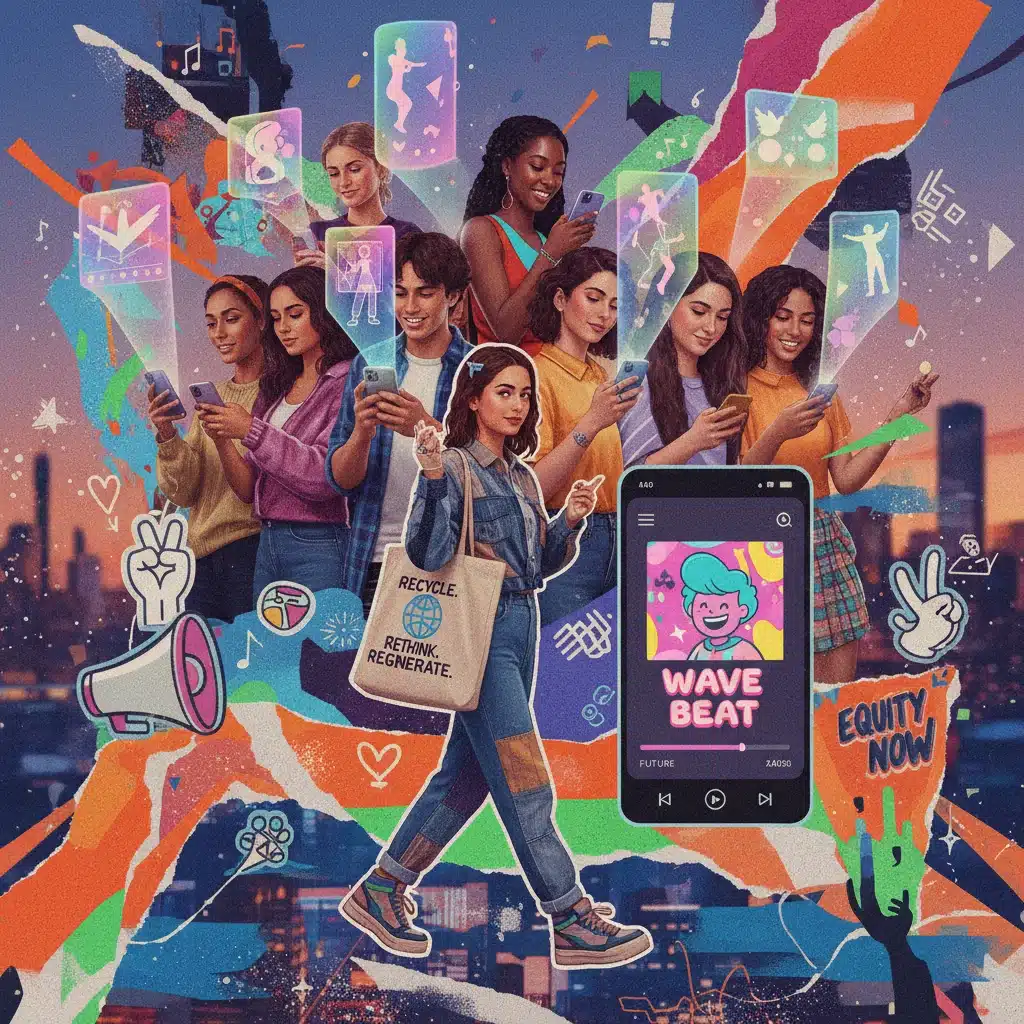
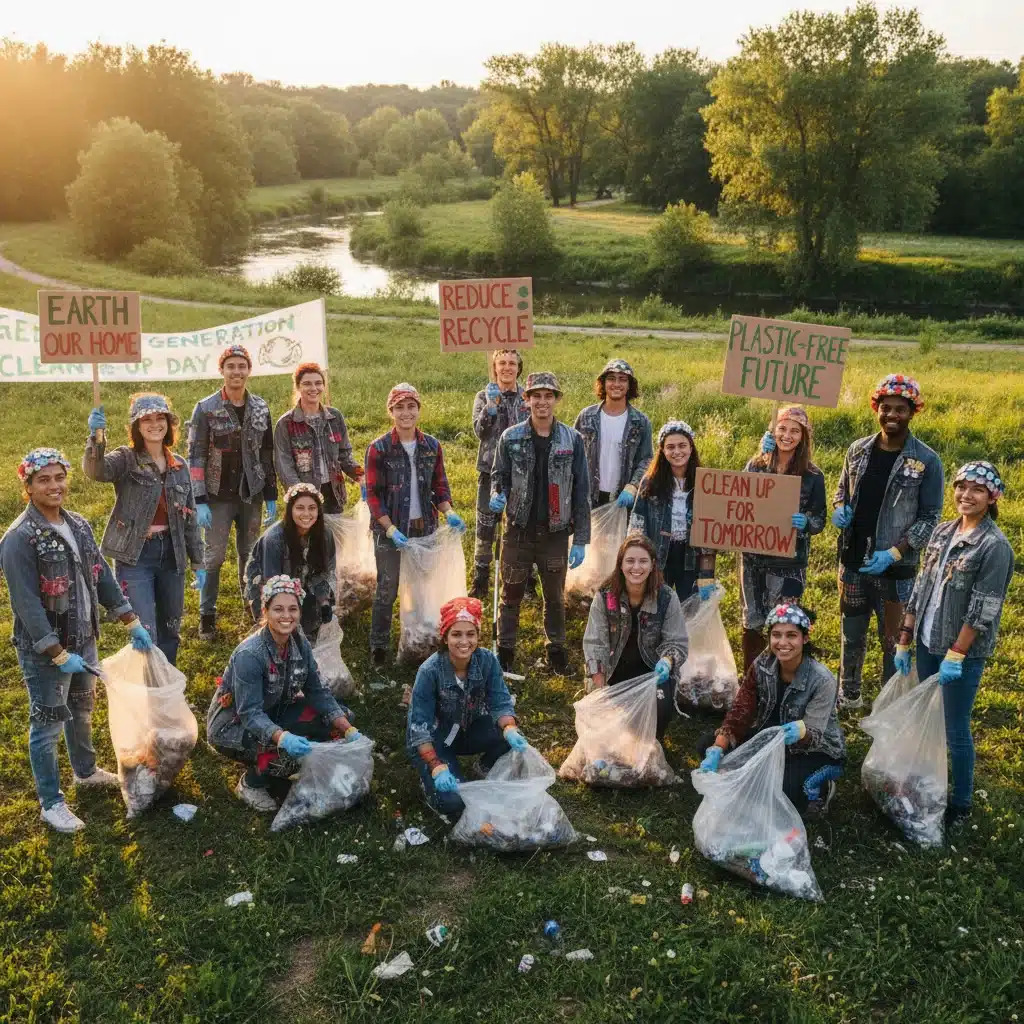
More than any preceding generation, Gen Z is deeply invested in social justice, environmental sustainability, and ethical practices. This inherent consciousness isn’t confined to their activism; it fundamentally shapes their consumption habits and their engagement with pop culture. Brands, artists, and media entities that fail to align with these values risk alienating this powerful demographic. By 2026, ‘conscious consumption’ will evolve from a niche concern to a mainstream expectation within Gen Z Pop Culture.
This trend manifests in several ways. In fashion, expect a continued surge in sustainable brands, upcycling, and thrifting. Fast fashion will increasingly face scrutiny, with Gen Z opting for quality, longevity, and ethical sourcing over fleeting trends. Clothing will also become a canvas for personal expression and political statements, with graphic tees and accessories often carrying messages related to social causes. The aesthetic will lean towards authenticity and individuality, rejecting overt materialism in favor of items that tell a story or support a cause.
In music and entertainment, artists who use their platforms to advocate for social change will gain significant traction. Gen Z gravitates towards musicians, actors, and influencers who are vocal about issues they care about, whether it’s climate change, mental health awareness, or LGBTQ+ rights. Conversely, those perceived as inauthentic or performative in their activism will face backlash. Transparency and genuine commitment to values will be paramount. This generation isn’t just looking for entertainment; they’re looking for purpose and meaning, and they expect their cultural icons to reflect those same ideals.
Moreover, companies and media outlets will be held to higher standards regarding diversity, equity, and inclusion. Gen Z demands representation that accurately reflects the multicultural fabric of society, both on-screen and behind the scenes. Tokenism will be easily spotted and rejected. This pressure will drive more inclusive storytelling, diverse casting, and equitable opportunities within the creative industries, ensuring that a wider range of voices and perspectives are heard and celebrated. This isn’t just a preference; it’s a non-negotiable aspect of their cultural engagement.
3. The Blurring Lines: Digital Identities, Metaverse Experiences, and AI Companionship
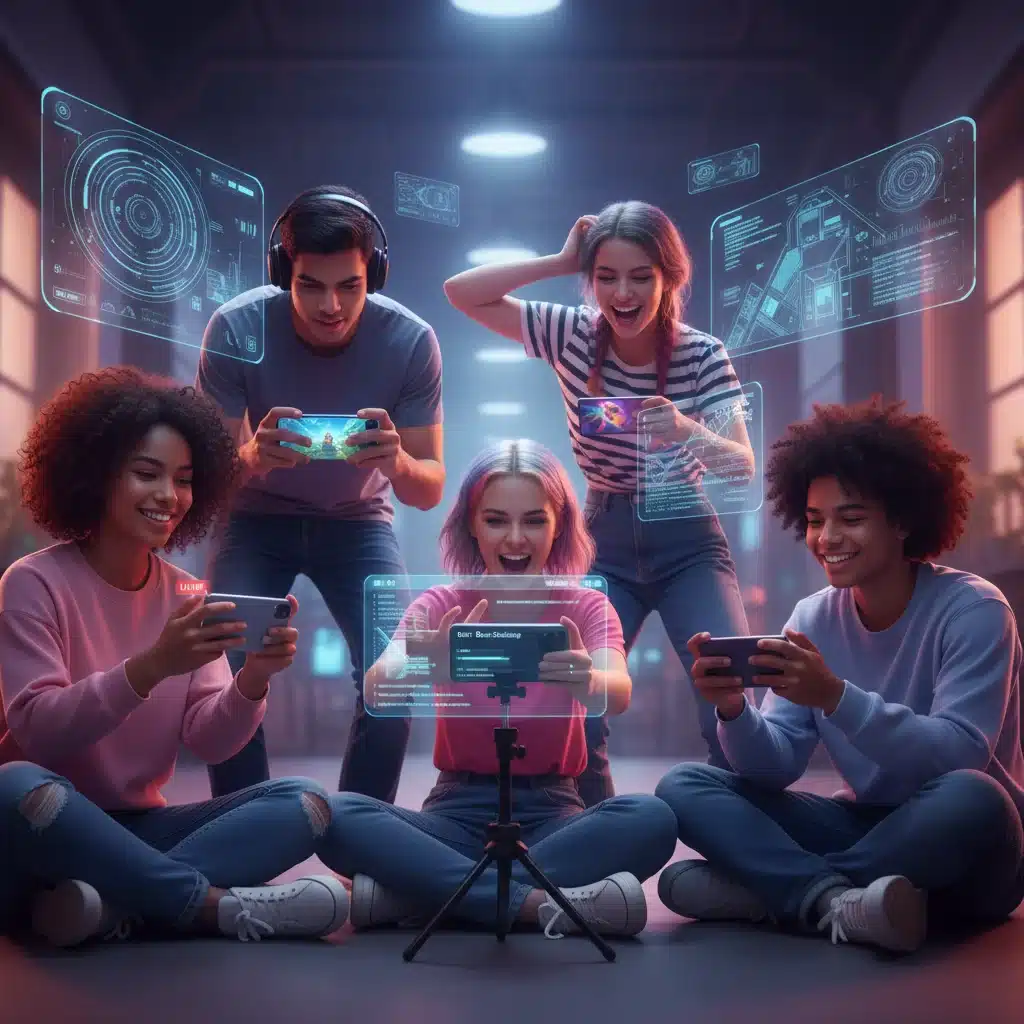
For Gen Z, the digital world is not a separate entity but an interwoven extension of their reality. As we head towards 2026, the lines between physical and digital identities will continue to blur, driven by advancements in the metaverse, augmented reality (AR), and artificial intelligence (AI). This profound integration will redefine social interaction, self-expression, and even the concept of companionship, fundamentally altering the landscape of Gen Z Pop Culture.
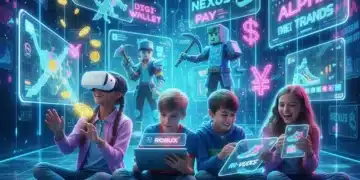
The metaverse, in its nascent stages, is already a playground for Gen Z. By 2026, expect more sophisticated and accessible metaverse platforms where individuals can create highly customizable avatars, attend virtual concerts, shop for digital fashion, and engage in immersive social experiences. These digital spaces will become primary venues for cultural expression and community building. Digital assets, from NFTs representing unique artwork to virtual real estate, will gain further legitimacy and value within these ecosystems. The status symbols of tomorrow might very well be entirely digital.
Augmented reality will also become more ubiquitous, seamlessly blending digital elements with the physical world. Imagine AR filters that do more than just add cat ears – they could transform your entire outfit in real-time for video calls, overlay informational graphics onto real-world objects, or even create interactive art installations in public spaces. This technology will empower new forms of creative expression and interactive storytelling, making everyday life a more dynamic and personalized experience.
Perhaps one of the most intriguing developments is the increasing acceptance and integration of AI companionship. From advanced chatbots that offer emotional support to virtual influencers that feel almost real, Gen Z is more open to forming connections with AI entities. These AI companions could evolve into personalized assistants, creative collaborators, or even friends, offering a unique form of interaction that complements, rather than replaces, human relationships. This acceptance stems from a generation that grew up talking to smart speakers and interacting with sophisticated algorithms, making the leap to more advanced AI less daunting. This trend highlights Gen Z’s comfort with evolving digital relationships.
4. Micro-Trends, Hyper-Niche Aesthetics, and the ‘De-Influencing’ Phenomenon
The traditional cycle of macro-trends dictating fashion, music, and lifestyle is being disrupted by Gen Z’s preference for rapid, hyper-niche aesthetics and the counter-cultural movement of ‘de-influencing.’ This trend signifies a rejection of overt commercialism and a search for authenticity and individual expression within Gen Z Pop Culture. The internet, particularly platforms like TikTok, fuels this accelerated cycle of trends.
Instead of a few dominant fashion styles, 2026 will see an explosion of micro-trends, each with a short lifespan and a dedicated, often online, following. These can range from ‘cottagecore’ and ‘dark academia’ to ‘Y2K revival’ and ‘gorpcore,’ constantly evolving and merging. The emphasis is on personal interpretation and adaptation rather than strict adherence. This fluidity allows for greater individual expression and makes it harder for mainstream brands to keep up, often leading to a ‘trickle-up’ effect where street styles influence high fashion, rather than the other way around.
The ‘de-influencing’ phenomenon is a direct response to oversaturation and perceived inauthenticity in influencer culture. Gen Z, wary of sponsored content and unrealistic portrayals, actively seeks out creators who offer honest reviews, recommend alternatives to popular but overpriced products, or simply encourage mindful consumption. This movement champions practicality, sustainability, and genuine value over fleeting popularity, empowering consumers to make more informed choices and fostering a sense of community around shared skepticism of marketing hype. It’s about pulling back the curtain and valuing genuine experience.
This trend also extends to music and art, where independent artists and creators who cultivate a distinct, often niche, aesthetic gain significant traction. The focus is less on mass appeal and more on cultivating a loyal, engaged audience that appreciates their unique vision. Algorithms play a crucial role here, connecting individuals with niche content they’re likely to enjoy, bypassing traditional media gatekeepers. This creates a cultural landscape that is fragmented yet incredibly diverse, celebrating individuality and the power of subcultures.
5. The Renaissance of Audio Culture: Podcasts, Social Audio, and ASMR
While Gen Z is often associated with visual platforms, their engagement with audio content is experiencing a significant renaissance, driven by innovation in podcasts, social audio, and immersive sound experiences like ASMR. Far from being a background medium, audio is becoming a central component of Gen Z Pop Culture, offering intimacy, convenience, and diverse forms of engagement.
Podcasts have evolved far beyond traditional talk radio. By 2026, expect an even greater proliferation of highly specialized podcasts catering to every conceivable interest, from true crime and investigative journalism to fictional narratives, self-help, and deep dives into specific internet subcultures. Gen Z values the depth and nuanced discussions that podcasts offer, often consuming them during commutes, workouts, or while multitasking. The intimacy of the spoken word, often delivered by relatable voices, fosters a strong sense of connection with creators.
Social audio platforms, which gained traction in the early 2020s, will continue to evolve, offering more interactive and personalized experiences. Think of live audio rooms focused on specific topics, where listeners can participate in real-time discussions, ask questions, and even co-host. This format provides a sense of community and immediacy that visual platforms sometimes lack, allowing for spontaneous and authentic conversations. It’s a return to the campfire storytelling tradition, but with a digital twist.
ASMR (Autonomous Sensory Meridian Response) content, characterized by soothing sounds and visuals designed to induce relaxation, will also become more mainstream. Gen Z, facing high levels of stress and anxiety, actively seeks out content that promotes mental well-being. ASMR videos, audio tracks, and even live streams offer a unique form of sensory escapism and comfort, becoming a go-to for relaxation and focus. This trend underscores Gen Z’s proactive approach to mental health and their willingness to embrace unconventional forms of media for personal benefit.
The convenience of audio – allowing for consumption while engaged in other activities – makes it incredibly appealing to a generation often juggling multiple tasks. Furthermore, the accessibility of audio creation tools means that anyone with a microphone can become a podcaster or social audio host, further democratizing content creation and fostering a diverse audio landscape.
The Enduring Influence of Gen Z
As we peer into 2026, it’s clear that Gen Z Pop Culture is not just a fleeting phase but a powerful, enduring force shaping the cultural zeitgeist. Their digital fluency, coupled with a deep-seated commitment to authenticity, social responsibility, and personalized experiences, is fundamentally altering how culture is created, consumed, and disseminated. These five emerging trends – hyper-personalized entertainment, conscious consumption, blurred digital identities, micro-trends, and the audio renaissance – are merely snapshots of a larger, ongoing transformation.
To truly understand and connect with this generation, it’s essential to move beyond stereotypes and embrace their complexity. Gen Z is diverse, opinionated, and incredibly creative. They are not passive recipients of culture; they are active participants, demanding more from the brands, artists, and platforms they engage with. Their influence extends far beyond their demographic size, setting precedents and norms that will inevitably trickle up to older generations.
For businesses, creators, and marketers, the message is clear: adapt or become irrelevant. Embrace transparency, champion authentic voices, leverage new technologies responsibly, and align with their values. The future of pop culture is being written by Gen Z, one TikTok video, one conscious purchase, and one metaverse experience at a time. Paying attention to these trends isn’t just about staying current; it’s about investing in the cultural future.
The continuous evolution of Gen Z Pop Culture promises an exciting, dynamic, and perhaps unpredictable future. One thing is certain: this generation will continue to challenge norms, innovate relentlessly, and leave an indelible mark on the cultural landscape for years to come. What are your predictions for 2026? How do you see Gen Z continuing to shape the world around us?