
The Unstoppable Rise of Community Influence: 25% of Purchase Decisions by 2026
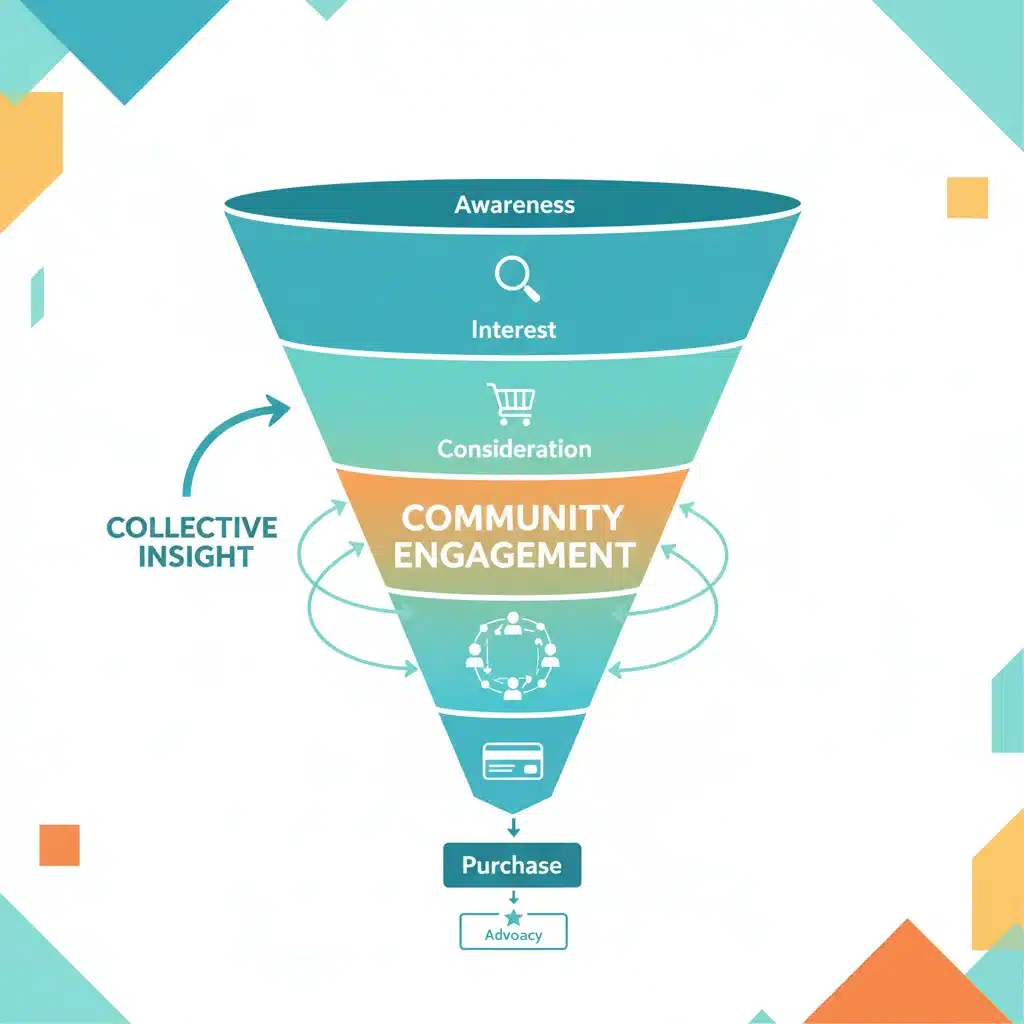
The digital age has fundamentally reshaped how we connect, communicate, and, perhaps most profoundly, how we buy. Gone are the days when a brand’s advertising budget alone dictated consumer choices. Today, trust is paramount, and it’s increasingly found within the vibrant, often bustling, spaces of online communities. A staggering projection suggests that by 2026, a full 25% of all purchase decisions will be directly influenced by these digital collectives. This isn’t just a trend; it’s a paradigm shift, signaling a new era where community purchase decisions hold significant sway over market dynamics.
For businesses, marketers, and even consumers themselves, understanding this seismic shift is no longer optional – it’s imperative. This comprehensive guide will delve deep into the mechanics of this phenomenon, exploring why communities are becoming such powerful arbiters of choice, what it means for various industries, and how to effectively navigate this evolving landscape. Prepare to unlock the secrets behind the growing power of collective wisdom in the marketplace.
The Foundation of Trust: Why Community Matters More Than Ever
At the heart of the burgeoning influence on community purchase decisions lies an inherent human need: trust. In an era saturated with information, often conflicting claims, and an ever-increasing array of choices, consumers are seeking authentic, unbiased guidance. Traditional advertising, while still relevant, often struggles to build the deep level of credibility that peer recommendations effortlessly achieve.
The Erosion of Traditional Authority
For decades, brands wielded immense power through carefully crafted marketing messages delivered via mass media. Television commercials, magazine ads, and radio spots were the primary channels for influencing consumer perceptions. However, the internet has democratized information flow. Consumers now have instant access to reviews, testimonials, and unfiltered opinions from countless individuals who have already experienced a product or service. This accessible, peer-generated content often carries more weight than even the most polished brand campaign.
The Power of Shared Experience
Online communities, whether they are Facebook groups, Reddit forums, specialized interest platforms, or even comment sections on blogs, thrive on shared experiences. When a potential buyer sees others like them discussing a product – detailing its pros and cons, offering usage tips, or even complaining about issues – it creates a powerful sense of relatability and authenticity. This collective experience provides a richer, more nuanced understanding than a simple product description or a celebrity endorsement ever could. It’s about collective validation and the wisdom of the crowd, directly impacting community purchase decisions.
Building Social Capital and Identity
Beyond practical information, communities also fulfill a deeper psychological need: belonging. When individuals identify with a group, their choices often align with the group’s norms and preferences. Purchasing a certain brand or product can become a way to signal membership, reinforce identity, and gain social capital within that community. This intrinsic motivation adds another layer of influence, making the act of buying a social statement as much as a practical one. Brands that successfully tap into this aspect can cultivate fiercely loyal customer bases.
Defining ‘Community Purchase Decisions’ in the Modern Landscape
To fully grasp the 25% projection, it’s crucial to define what constitutes a community purchase decision. It’s not merely about someone seeing an ad and then buying. It encompasses a broader spectrum of influence:
- Direct Recommendations: A friend in a private chat group suggests a specific brand of hiking boots.
- Peer Reviews and Ratings: Reading through dozens of reviews on Amazon or Yelp before committing to a restaurant or gadget.
- Forum Discussions: Participating in or observing conversations on dedicated forums about the best software for a particular task.
- Social Media Engagement: Seeing influencers or trusted peers showcasing products on Instagram, TikTok, or YouTube, leading to curiosity and investigation.
- Shared Expertise: Relying on the collective knowledge of a niche community (e.g., photographers discussing camera lenses, gamers debating console performance).
- User-Generated Content (UGC): Engaging with content created by other users (unboxing videos, tutorials, style guides) that features products.
The key takeaway is that the influence stems from a collective, often informal, network of individuals rather than a top-down, brand-controlled message. This organic, peer-driven validation is what makes these decisions so powerful and contributes significantly to the 25% forecast.
The Mechanics of Influence: How Communities Shape Buying Behavior
The process by which communities sway community purchase decisions is multi-faceted, involving psychological, social, and technological elements. Understanding these mechanisms is vital for both businesses aiming to leverage community power and consumers seeking to make informed choices.
Information Asymmetry Reduction
One of the primary roles of communities is to reduce information asymmetry. Before the internet, consumers often had limited information about products and services, relying heavily on brand claims. Now, communities serve as vast repositories of user-generated data, real-world experiences, and practical advice. This wealth of information empowers consumers, allowing them to make more informed decisions based on collective wisdom rather than isolated marketing messages.
Social Proof and Validation
Humans are inherently social creatures, and we often look to others to guide our behavior, especially in uncertain situations. This phenomenon, known as social proof, is amplified within online communities. When a product or service receives widespread endorsement, positive reviews, and enthusiastic discussion within a trusted group, it acts as a powerful signal of quality and desirability. This collective validation significantly reduces perceived risk, making potential buyers more confident in their community purchase decisions.
Emotional Connection and Belonging
Beyond rational evaluation, communities foster emotional connections. When individuals feel a sense of belonging and shared identity with a group, they are more likely to trust recommendations from within that group. This emotional resonance can be more potent than any logical argument, leading to purchases driven by a desire to align with the community’s values, express group identity, or simply support fellow members. Brands that successfully cultivate this emotional bond often find themselves with fiercely loyal advocates.
Accelerated Word-of-Mouth
Online communities act as superchargers for word-of-mouth marketing. A positive (or negative) experience shared by one member can rapidly propagate through a network, reaching hundreds or thousands of potential customers in a short period. This rapid dissemination of information, fueled by personal anecdotes and trusted opinions, can create viral trends or, conversely, swiftly damage a brand’s reputation. The speed and scale of this accelerated word-of-mouth make it an indispensable factor in modern community purchase decisions.

The Impact Across Industries: Who’s Feeling the Community Effect?
While the influence of communities is pervasive, some industries are experiencing its effects more acutely than others. Understanding these specific impacts can help businesses tailor their strategies.
Technology and Gadgets
This sector has long been a hotbed for community-driven decisions. Tech enthusiasts flock to forums like Reddit’s r/buildapc, specialized tech review sites, and YouTube channels to dissect specifications, compare performance, and recommend products. A new smartphone, a gaming console, or a specific piece of software can rise or fall based on the collective verdict of these highly engaged communities. Brands that ignore these voices do so at their peril.
Fashion and Beauty
From makeup tutorials on TikTok to style advice in fashion subreddits, the beauty and fashion industries are heavily influenced by peer recommendations. Consumers increasingly rely on real-world examples, user-generated content, and trusted influencers (who often cultivate their own micro-communities) to guide their choices. The authenticity of a product being worn or used by ‘real people’ in a community setting often outweighs glossy advertisements.
Travel and Hospitality
Planning a trip? Chances are you’re consulting reviews on TripAdvisor, asking for recommendations in travel groups, or checking out destination vlogs. The collective experience of past travelers – from hotel reviews to restaurant suggestions and activity ratings – plays a crucial role in shaping itineraries and booking decisions. The shared wisdom of the travel community minimizes risk and maximizes enjoyment, directly impacting community purchase decisions in this sector.
Health and Wellness
When it comes to health, trust is paramount. Online communities centered around specific health conditions, fitness goals, or dietary preferences often become trusted sources of information and product recommendations. While professional medical advice remains critical, peer experiences with supplements, exercise equipment, or wellness programs can significantly influence consumer choices, highlighting the sensitive nature of community purchase decisions in this domain.
Home Goods and DIY
Whether it’s choosing the best paint color, recommending a durable appliance, or sharing tips for a home renovation project, communities like Houzz, Pinterest groups, and dedicated DIY forums are invaluable. Members share project successes, warn against pitfalls, and offer practical advice, directly guiding purchases of tools, materials, and furnishings.
Strategies for Businesses: Harnessing the Power of Community
For brands and businesses, the 25% projection isn’t a threat; it’s an immense opportunity. By strategically engaging with and fostering communities, companies can transform potential customers into loyal advocates and drive significant growth. Here’s how:
1. Listen Actively and Engage Authentically
The first step is to listen. Monitor online conversations related to your brand, industry, and competitors. Understand what people are saying, what problems they’re trying to solve, and what they value. Then, engage authentically. Don’t just promote; participate. Offer helpful advice, respond to feedback (both positive and negative), and show that there’s a human behind the brand. This builds trust and positions your brand as a valuable member of the community, not just an advertiser. This active listening directly informs better community purchase decisions.
2. Foster Your Own Brand Community
Consider creating and nurturing your own dedicated community space. This could be a forum, a private social media group, or a dedicated platform on your website. Provide a space for customers to connect with each other, share experiences, and get support. Empower super-users and brand advocates. A thriving brand community can become a powerful engine for word-of-mouth marketing and significantly influence future purchase decisions.
3. Encourage User-Generated Content (UGC)
UGC is gold. Actively encourage customers to share their experiences with your products or services. Run contests, create dedicated hashtags, and feature customer content on your own channels. Real people showcasing your products in real-world settings is incredibly powerful and believable, fueling positive community purchase decisions.
4. Collaborate with Micro-Influencers and Brand Advocates
While mega-influencers can be effective, micro-influencers often have more engaged and niche communities. They are seen as more authentic and trustworthy by their followers. Identify individuals who genuinely love your brand and empower them to share their stories. These organic endorsements within trusted networks are far more impactful than traditional ads.
5. Provide Exceptional Customer Service and Support
A positive customer experience is the bedrock of good community relations. When customers feel heard, supported, and valued, they become natural advocates. Conversely, poor service can quickly lead to negative sentiment spreading through communities like wildfire. Invest in responsive, empathetic customer service that resolves issues efficiently and turns detractors into potential promoters.
6. Integrate Community Feedback into Product Development
Show your community that their opinions matter by actively incorporating their feedback into product development and service improvements. When users see their suggestions implemented, it reinforces their sense of belonging and ownership, further strengthening their loyalty and willingness to advocate for the brand. This closed-loop feedback system is crucial for long-term success in community-driven markets.
7. Be Transparent and Authentic
In the world of online communities, authenticity is non-negotiable. Be honest about your brand’s values, mission, and even its shortcomings. Transparency builds trust, and trust is the currency of community influence. Avoid overly promotional language and focus on providing value and fostering genuine connections. This sincerity directly influences the likelihood of positive community purchase decisions.
The Challenges and Pitfalls: Navigating the Community Landscape
While the opportunities are vast, businesses must also be aware of the challenges inherent in community influence. Managing online communities requires finesse and a proactive approach.
The Speed of Negative Feedback
Just as positive word-of-mouth can spread rapidly, so too can negative experiences. A single dissatisfied customer can articulate their grievances to a large audience, potentially damaging a brand’s reputation in a very short time. Businesses need robust social listening tools and rapid response protocols to address issues before they escalate.
Maintaining Authenticity
Consumers are highly adept at identifying inauthentic engagement. Brands that attempt to infiltrate communities with overt sales pitches or artificial conversations will likely be met with skepticism and rejection. The challenge lies in contributing genuinely and adding value without appearing to manipulate the conversation, which is critical for influencing community purchase decisions positively.
Moderation and Management
Fostering a healthy community requires active moderation. This means setting clear guidelines, addressing conflicts, and ensuring that the space remains constructive and welcoming. Unmanaged communities can quickly devolve into negativity or become breeding grounds for misinformation, which can harm the brand they are meant to support.
Measuring ROI
Quantifying the direct return on investment for community engagement can be challenging. While metrics like engagement rates, sentiment analysis, and referral traffic can be tracked, directly attributing a specific number of sales to community influence requires sophisticated attribution models. However, the long-term benefits of brand loyalty, reduced customer acquisition costs, and enhanced reputation often outweigh the immediate, easily measurable gains.
The Future is Collective: Preparing for 2026 and Beyond
The projection that 25% of all purchase decisions will be influenced by online communities by 2026 is a powerful indicator of where the market is heading. This isn’t a temporary shift; it’s a fundamental reordering of consumer power dynamics. Brands that recognize this and adapt their strategies will be the ones that thrive in the coming years.
The future of commerce is increasingly collective. It’s about shared experiences, trusted recommendations, and the wisdom of the crowd. Businesses that embrace transparency, foster genuine connections, and empower their customers to be part of their brand story will unlock unprecedented levels of loyalty and advocacy. The era of the community purchase decisions is not just coming; it’s already here, and its influence is only set to grow.
Conclusion: Embracing the Community-Centric Marketplace
The digital transformation has moved beyond mere connectivity; it has fostered interconnectedness that directly impacts economic activity. The statistic that 25% of purchase decisions will be influenced by online communities by 2026 is a clarion call for businesses to re-evaluate their marketing and engagement strategies. It highlights a shift from brand-centric monologues to customer-centric dialogues.
For consumers, this trend means more informed choices, greater transparency, and the power to collectively shape market offerings. For businesses, it signifies the imperative to build genuine relationships, cultivate authentic communities, and prioritize customer advocacy. Brands that successfully integrate community engagement into their core strategy will not only meet the 2026 projection but will also forge deeper, more resilient connections with their audience, ensuring sustained success in an increasingly social marketplace. The power of collective influence is undeniable, and those who harness it will lead the way into the next era of commerce.
Key Takeaways for Businesses
- Invest in Community Building: Create platforms and opportunities for customers to connect with each other and your brand.
- Prioritize Authenticity: Genuine engagement and transparency are crucial for earning trust within communities.
- Empower Advocates: Identify and support your most enthusiastic customers to become brand champions.
- Listen and Adapt: Use community feedback to inform product development, marketing, and customer service.
- Measure Impact Holistically: Look beyond immediate sales to understand the long-term ROI of community loyalty and advocacy.
The journey towards a community-centric marketplace is ongoing. By understanding and actively participating in this evolution, businesses can transform the challenge of evolving community purchase decisions into a powerful engine for growth and innovation.