Decoding Post-Pandemic Loyalty: Why 60% of US Consumers Switched Brands
Decoding Post-Pandemic Loyalty: Why 60% of US Consumers Switched Brands Last Year
The global landscape of consumer behavior has undergone an unprecedented transformation in recent years. The COVID-19 pandemic, a seismic event that reshaped nearly every facet of human existence, left an indelible mark on how people live, work, and, crucially, how they shop and interact with brands. A striking statistic that underscores this profound shift is the revelation that a staggering 60% of U.S. consumers switched brands last year. This isn’t merely a minor fluctuation; it represents a fundamental re-evaluation of priorities, values, and expectations among consumers, forcing businesses to confront a new reality where traditional notions of post-pandemic brand loyalty are being challenged like never before.
For decades, brand loyalty was a cornerstone of marketing strategy. Companies invested heavily in building brand recognition, fostering emotional connections, and delivering consistent experiences, all with the aim of cultivating a loyal customer base that would return time and again. However, the pandemic introduced a perfect storm of disruption: supply chain breakdowns, accelerated digital adoption, heightened awareness of social and environmental issues, and a general sense of uncertainty that prompted consumers to reconsider their choices. This article will delve deep into the multifaceted reasons behind this dramatic shift in post-pandemic brand loyalty, analyze its implications for businesses, and offer actionable strategies for navigating this new, dynamic consumer landscape.
The Great Brand Migration: Unpacking the 60% Shift
The statistic that 60% of U.S. consumers switched brands is not just a number; it’s a symptom of a much larger phenomenon. This widespread brand migration can be attributed to several interconnected factors, each playing a significant role in eroding established loyalties and opening doors for new contenders. Understanding these drivers is the first step toward formulating effective strategies for regaining or building new post-pandemic brand loyalty.
1. Supply Chain Disruptions: The Availability Imperative
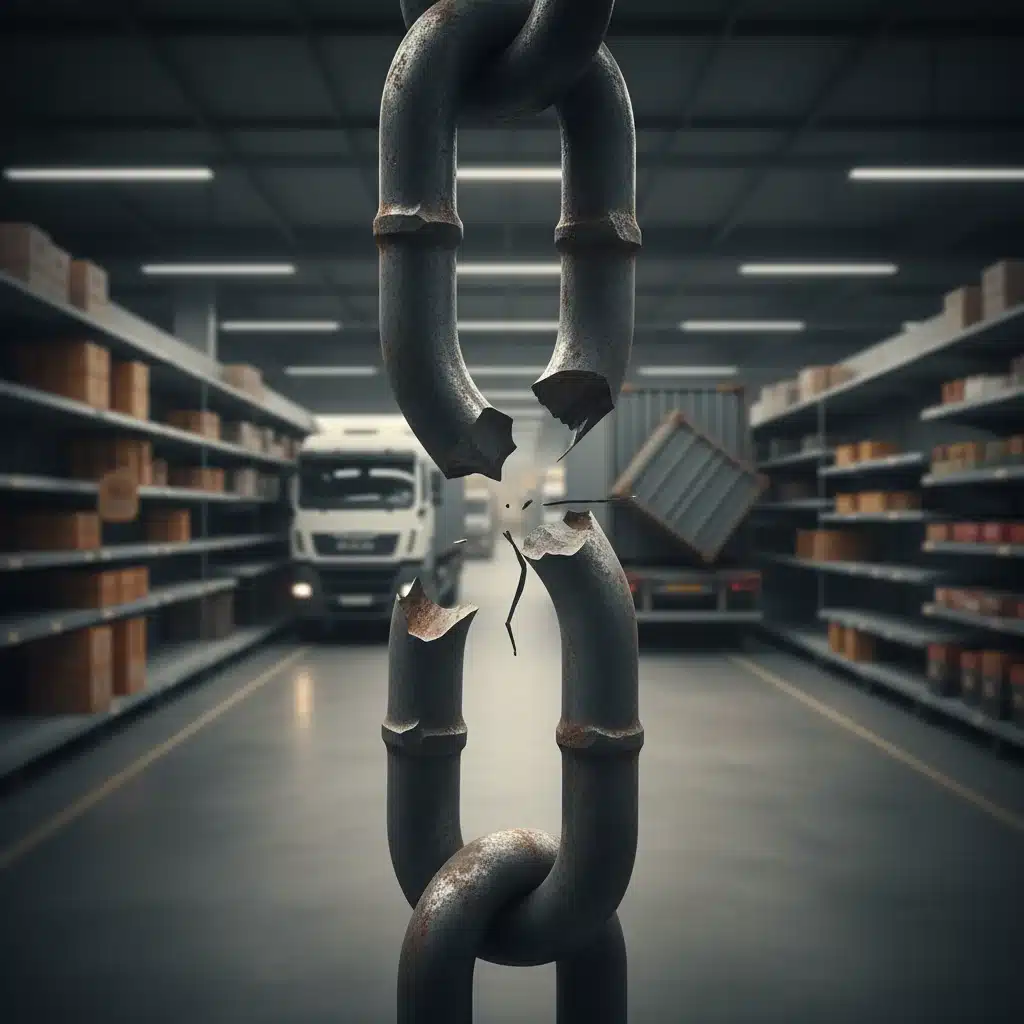
Perhaps the most immediate and tangible impact of the pandemic was the widespread disruption of global supply chains. Lockdowns, factory closures, labor shortages, and logistical bottlenecks led to unprecedented product scarcity. Consumers, faced with empty shelves or interminable waiting lists for their preferred brands, were often forced to seek alternatives. This wasn’t a choice driven by dissatisfaction, but by necessity. If a consumer couldn’t get their usual brand of coffee, toilet paper, or electronics, they would simply buy what was available. This forced experimentation often led to the discovery of new brands that, in many cases, met or even exceeded their expectations. Once a new habit is formed, especially under duress, it can be remarkably difficult to revert to old patterns, thus directly impacting post-pandemic brand loyalty.
The ripple effects of these disruptions continue to be felt. Even as supply chains stabilize, consumers remain wary of potential shortages. Brands that demonstrate resilience and transparency in their supply chain management are likely to gain an edge, as reliability has become a highly valued attribute. The inability to consistently deliver products became a critical vulnerability for many established brands, inadvertently pushing consumers towards competitors who could fulfill immediate needs.
2. The Acceleration of Digital Adoption and E-commerce
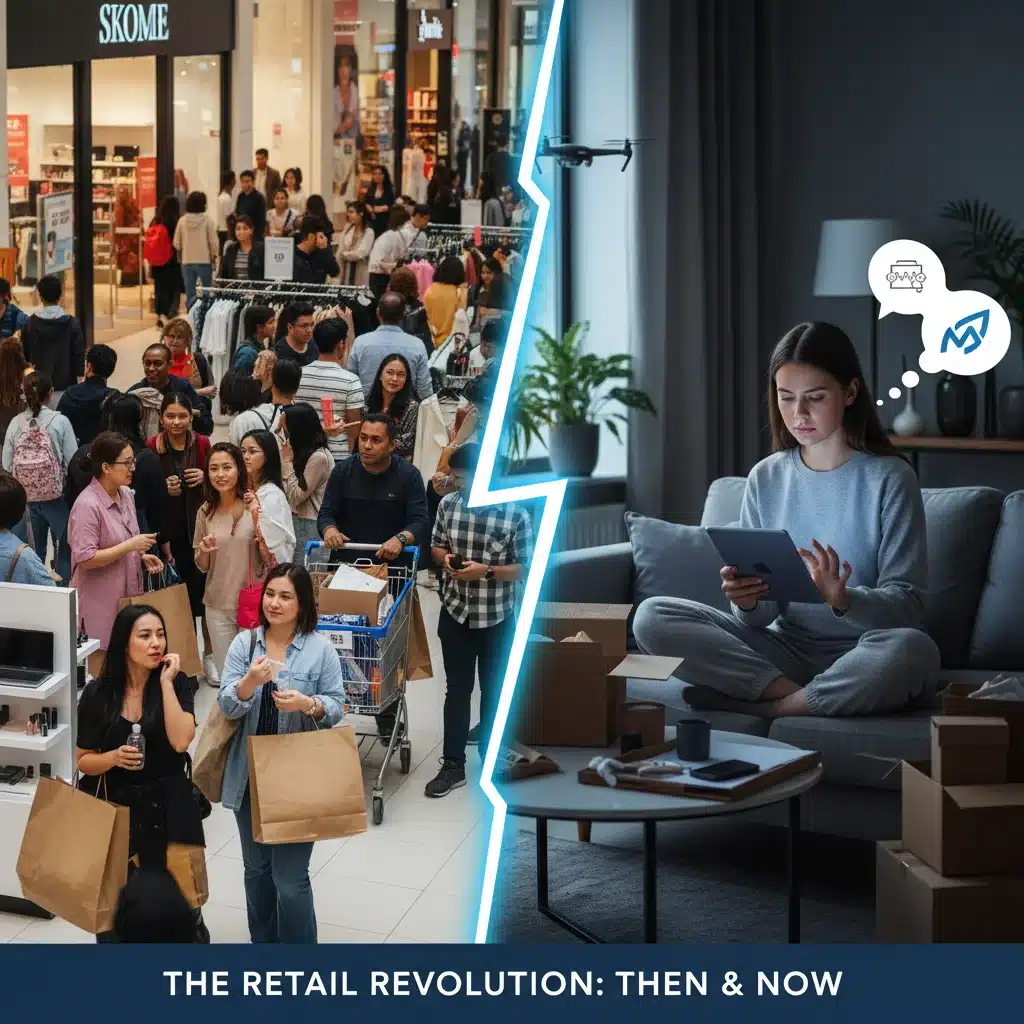
The pandemic acted as a powerful catalyst for digital transformation, particularly in the realm of retail. Forced to stay home, consumers flocked to e-commerce platforms, many for the first time. This surge in online shopping created an environment ripe for brand switching. The digital marketplace offers unparalleled access to a vast array of brands, often with competitive pricing, detailed reviews, and convenient delivery options. Consumers were no longer limited by the inventory of their local brick-and-mortar stores; the entire global market was at their fingertips.
The ease of comparing products, reading peer reviews, and discovering niche brands online meant that loyalty built on habit or convenience in a physical store quickly dissolved. New digital-native brands, often unburdened by legacy infrastructure and adept at online marketing, capitalized on this shift. They offered seamless user experiences, personalized recommendations, and efficient delivery, effectively luring customers away from traditional brands that were slower to adapt their digital presence. This digital pivot has fundamentally altered the path to purchase and the factors influencing post-pandemic brand loyalty.
3. Shifting Consumer Values and Priorities
The pandemic prompted a period of profound introspection for many individuals. Health, well-being, community, and purpose took on new significance. This shift in personal values inevitably translated into changing consumer priorities. Brands that aligned with these evolving values – emphasizing sustainability, ethical sourcing, social responsibility, or employee welfare – gained favor. Conversely, brands perceived as lacking in these areas, or whose practices came under scrutiny during the crisis, faced a backlash.
Consumers became more discerning, moving beyond mere product features or price points. They sought brands that resonated with their personal ethics and contributed positively to society. This trend is particularly pronounced among younger generations but has permeated across demographics. For businesses, this means that building post-pandemic brand loyalty now requires more than just a good product; it demands authenticity, transparency, and a demonstrated commitment to values that extend beyond profit margins.
4. Economic Pressures and Price Sensitivity
The economic fallout from the pandemic, including job losses, reduced incomes, and rising inflation, made many consumers more price-sensitive. While some consumers were willing to pay a premium for brands that aligned with their new values, others were simply looking for the best value for their money. This led to increased experimentation with private labels, discount brands, and promotions. The perceived value proposition of a brand became even more critical, as consumers weighed cost against quality, availability, and their newfound priorities.
For brands, this means a delicate balancing act. While cutting prices might attract new customers, it can also devalue the brand and make it difficult to regain premium positioning. The challenge lies in demonstrating superior value, whether through enhanced features, exceptional customer service, or a compelling brand story, to justify their price point and maintain post-pandemic brand loyalty in an economically constrained environment.
5. The Quest for Novelty and Experience
After prolonged periods of lockdown and routine, many consumers emerged with a desire for novelty, discovery, and enhanced experiences. This desire extended to their purchasing habits. Trying new brands became a way to break monotony and explore new possibilities. Brands that offered innovative products, unique experiences, or engaging digital content were well-positioned to capture this newfound consumer curiosity.
The ‘experience economy‘ that was already gaining traction before the pandemic has only accelerated. Consumers are not just buying products; they are buying solutions, feelings, and connections. Brands that can deliver these intangible benefits, whether through personalized services, immersive digital interactions, or a strong sense of community, are more likely to foster strong post-pandemic brand loyalty. The mere act of consumption is no longer enough; it must be enriched by a memorable and meaningful experience.
Rebuilding and Reinforcing Post-Pandemic Brand Loyalty: Strategies for Success
Given the significant shifts in consumer behavior, businesses can no longer rely on pre-pandemic strategies to cultivate brand loyalty. A proactive and adaptive approach is essential. Here are key strategies for businesses to not only stem the tide of brand switching but to actively build and reinforce post-pandemic brand loyalty in this new era.
1. Prioritize Customer Experience (CX) Above All Else
In a world where choice is abundant, exceptional customer experience is the ultimate differentiator. This goes beyond just polite service; it encompasses every touchpoint a customer has with a brand, from initial discovery to post-purchase support. A seamless, intuitive, and personalized experience can transform a one-time purchaser into a loyal advocate.
- Personalization: Leverage data to understand individual customer preferences and tailor communications, product recommendations, and offers. This makes customers feel seen and valued.
- Seamless Omnichannel Experience: Ensure a consistent and integrated experience across all channels – online, in-store, mobile app, social media. Customers expect to move effortlessly between platforms without losing context.
- Proactive Support: Anticipate customer needs and provide timely, effective support. This includes clear communication about orders, proactive problem-solving, and easy access to customer service.
- Feedback Loops: Actively solicit and act upon customer feedback. Showing that you listen and respond to concerns builds trust and demonstrates a commitment to continuous improvement.
2. Enhance Digital Presence and E-commerce Capabilities
The digital acceleration is here to stay. Brands that haven’t fully embraced e-commerce and a robust digital presence will continue to struggle with post-pandemic brand loyalty. This isn’t just about having an online store; it’s about creating a compelling digital ecosystem.
- Optimized E-commerce Platform: Ensure your website or app is fast, user-friendly, mobile-responsive, and secure. A clunky or slow digital experience is a guaranteed way to lose customers.
- Engaging Content Strategy: Beyond product listings, create valuable content that educates, entertains, and inspires. This could include blog posts, video tutorials, social media campaigns, or interactive tools that enhance the customer journey.
- Leverage Social Commerce: Integrate shopping experiences directly into social media platforms where your audience spends their time.
- Data Analytics: Utilize analytics to understand online customer behavior, identify pain points, and optimize the digital experience.

3. Demonstrate Transparency and Authenticity
In an era of skepticism and increased social awareness, transparency and authenticity are non-negotiable for building post-pandemic brand loyalty. Consumers want to know what a brand stands for and how it operates.
- Ethical Sourcing and Sustainability: Clearly communicate your commitment to ethical labor practices, sustainable materials, and environmental responsibility. Back up claims with verifiable actions.
- Corporate Social Responsibility (CSR): Showcase your involvement in community initiatives and social causes. Consumers are more likely to support brands that align with their values.
- Honest Communication: Be transparent about challenges, such as supply chain issues or product delays. Honest communication, even about difficulties, builds trust more effectively than silence or misleading statements.
- Brand Storytelling: Share your brand’s unique story, mission, and values. This helps create an emotional connection with consumers who resonate with your narrative.
4. Innovate and Adapt to Evolving Needs
The pandemic highlighted the importance of agility and innovation. Consumer needs and preferences are constantly evolving, and brands that fail to adapt risk becoming obsolete. To secure post-pandemic brand loyalty, continuous innovation is key.
- Product Innovation: Continuously improve existing products and introduce new ones that address emerging consumer needs or pain points.
- Service Innovation: Explore new ways to deliver value, whether through subscription models, personalized services, or unique delivery options.
- Anticipate Trends: Stay attuned to emerging trends in technology, consumer behavior, and societal values. Proactively adapt your offerings to meet future demands.
- Embrace New Technologies: Experiment with AI, AR/VR, and other emerging technologies to enhance the customer experience and create novel interactions.
5. Re-evaluate Loyalty Programs and Incentives
Traditional loyalty programs, often based on simple points accumulation, may no longer be sufficient to foster deep post-pandemic brand loyalty. It’s time to rethink what truly incentivizes and rewards customers.
- Experiential Rewards: Offer exclusive experiences, early access to new products, or personalized services rather than just discounts.
- Community Building: Create a sense of belonging through exclusive online communities, forums, or events where loyal customers can connect with each other and the brand.
- Tiered Programs: Design tiered loyalty programs that offer increasing benefits as customers engage more with the brand, providing a clear path for progression.
- Value-Added Benefits: Integrate benefits that align with current consumer priorities, such as free shipping, extended warranties, or access to expert advice.
6. Strengthen Local Connections
While digital interactions have surged, the pandemic also fostered a renewed appreciation for local communities and businesses. Brands that can balance their global reach with a strong local presence may find a unique advantage in building post-pandemic brand loyalty.
- Support Local Initiatives: Engage with and support local charities, events, or causes. This demonstrates a commitment to the communities where your customers live.
- Local Personalization: Tailor marketing messages and product offerings to reflect local tastes and preferences.
- Brick-and-Mortar Evolution: If you have physical stores, transform them into experience hubs rather than just transaction points. Offer workshops, events, or personalized consultations.
The Future of Post-Pandemic Brand Loyalty
The shift in consumer loyalty is not a temporary blip; it represents a fundamental recalibration of the relationship between consumers and brands. The 60% statistic serves as a stark reminder that the old rules no longer apply. Brands that acknowledge this new reality and proactively adapt their strategies will be the ones that not only survive but thrive in the years to come.
Building post-pandemic brand loyalty now requires a holistic approach that prioritizes authentic connections, exceptional experiences, ethical practices, and continuous innovation. It demands a deep understanding of evolving consumer values and a willingness to meet customers where they are, both physically and digitally. The brands that emerge victorious from this era of change will be those that view loyalty not as a given, but as a hard-earned privilege, constantly nurtured through trust, value, and genuine engagement.
In conclusion, the post-pandemic landscape is challenging but also brimming with opportunities. By focusing on customer-centricity, embracing digital transformation, upholding strong values, and fostering continuous innovation, businesses can transform fleeting interest into enduring post-pandemic brand loyalty, ensuring their relevance and success in a perpetually changing world. The brands that adapt and listen to their customers will be the ones that not only retain their existing base but also attract the next generation of loyal consumers.