Brand Loyalty Shift: Why 40% of Consumers Are Open to New Brands in 2026
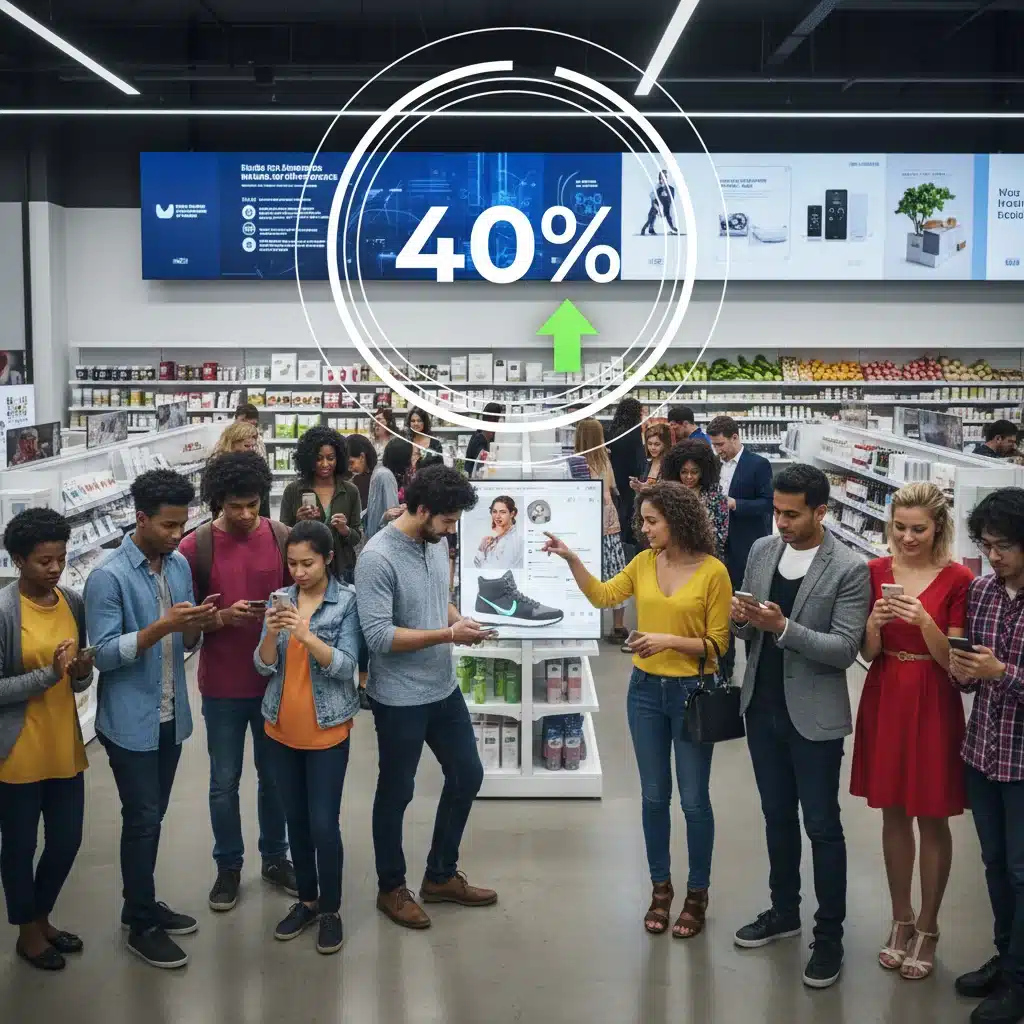
The Shifting Landscape of Brand Loyalty: Why 40% of Consumers Are Open to New Brands in 2026
In an increasingly competitive and interconnected global market, the concept of brand loyalty is undergoing a profound transformation. For decades, businesses have relied on building strong, enduring connections with their customers, fostering a sense of allegiance that often transcended mere product satisfaction. However, recent trends and projections paint a different picture: by 2026, a staggering 40% of consumers are expected to be open to trying new brands. This significant brand loyalty shift presents both formidable challenges and unprecedented opportunities for businesses across all sectors.
Understanding the drivers behind this seismic shift is crucial for any brand aiming not just to survive, but to thrive in the coming years. This comprehensive guide will delve into the multifaceted reasons for this evolving consumer behavior, explore the implications for businesses, and outline actionable strategies to adapt and build resilience in an era of fluid consumer preferences. From the rise of digital natives to the growing importance of values and personalized experiences, we will uncover the key elements shaping the future of brand-consumer relationships.
The Erosion of Traditional Loyalty: What’s Driving the Brand Loyalty Shift?
The notion of a loyal customer, once a cornerstone of business success, is becoming more complex. Several interconnected factors are contributing to this erosion, pushing consumers to explore beyond their traditional brand affiliations.
Digital Empowerment and Information Overload
The internet has fundamentally reshaped how consumers discover, evaluate, and purchase products and services. With a few taps or clicks, individuals can access an unprecedented amount of information: product reviews, price comparisons, brand stories, and social media discussions. This digital empowerment means consumers are no longer reliant on limited advertising or word-of-mouth from a small circle. They can quickly research alternatives, compare features, and identify brands that better align with their evolving needs or values.
The sheer volume of choices available online also plays a significant role. Niche brands, once confined to local markets, can now reach a global audience, increasing competition and offering consumers a wider array of options than ever before. This constant exposure to new brands and innovations naturally fosters a willingness to experiment.

Changing Consumer Expectations: Experience, Values, and Personalization
Modern consumers, particularly younger generations, demand more than just a functional product. They seek holistic experiences, brands that resonate with their personal values, and offerings that feel tailored to their individual needs. This shift in expectations is a powerful catalyst for the brand loyalty shift.
- Experience Over Product: Consumers are increasingly valuing the entire customer journey, from initial discovery to post-purchase support. A seamless, enjoyable, and efficient experience can often outweigh long-standing brand allegiance. Brands that falter in this area risk losing customers to competitors who prioritize superior service and engagement.
- Values Alignment: Ethical sourcing, environmental sustainability, social responsibility, and diversity and inclusion are no longer niche concerns; they are mainstream drivers of purchasing decisions. Consumers are more likely to support brands whose values align with their own, and conversely, are quick to abandon those perceived as falling short. This moral compass often overrides historical loyalty.
- Personalization as a Standard: Generic marketing and one-size-fits-all approaches are becoming obsolete. Consumers expect brands to understand their preferences, anticipate their needs, and offer personalized recommendations, communications, and even product customizations. Brands that fail to deliver this level of individual attention risk being seen as out of touch and less appealing.
Economic Pressures and Price Sensitivity
While not the sole driver, economic factors undeniably influence consumer choices. Inflation, fluctuating incomes, and the desire for greater value for money can make consumers more price-sensitive and willing to switch brands to save money or get a better deal. Loyalty programs, once powerful tools for retention, are now often viewed through a transactional lens, with consumers seeking immediate tangible benefits rather than long-term emotional connection.
The rise of discount retailers and private labels also plays a role, offering comparable quality at lower price points, further challenging established brands to justify their premium or maintain their value proposition.
The Power of Social Influence and Community
Social media platforms and online communities have amplified the impact of peer recommendations and influencer marketing. Consumers are often more swayed by authentic reviews from individuals they trust or identify with than by traditional advertising. A positive recommendation from an influencer or a compelling story shared within an online community can quickly introduce consumers to new brands and erode prior loyalties.
These platforms also provide spaces for consumers to voice dissatisfaction, which can spread rapidly and damage a brand’s reputation, making it easier for customers to seek alternatives.
Implications for Businesses: Navigating the New Brand Loyalty Landscape
The brand loyalty shift demands a fundamental rethinking of marketing, customer relationship management, and product development strategies. Businesses that fail to adapt risk stagnation and decline.
Increased Competition and the Need for Differentiation
With consumers more open to switching, every brand is effectively competing for attention and allegiance in every transaction. This intensifies the need for clear differentiation, not just in product features but in brand purpose, values, and the overall customer experience. Brands must articulate what makes them unique and why a consumer should choose them over a plethora of alternatives.
The Imperative of Continuous Innovation
Stagnation is a death knell in this new landscape. Brands must continuously innovate, not just in their product offerings but also in their service delivery, engagement models, and communication strategies. Meeting evolving consumer expectations requires agility and a commitment to staying ahead of trends.
Data-Driven Customer Understanding
Understanding the customer has always been important, but in an environment of shifting loyalties, it becomes critical. Businesses need robust data analytics capabilities to track consumer behavior, identify emerging preferences, predict churn risks, and personalize interactions at scale. This data-driven approach allows for proactive engagement and tailored offerings.
Rethinking Customer Acquisition vs. Retention
While customer acquisition remains vital, the cost of acquiring new customers is often significantly higher than retaining existing ones. The brand loyalty shift means retention strategies must be more sophisticated and continuously evaluated. It’s no longer enough to simply offer a product; brands must actively cultivate relationships and demonstrate ongoing value.
Strategies for Building Resilience in an Era of Fluid Loyalty
Despite the challenges, the changing landscape also presents opportunities for brands willing to innovate and prioritize customer-centricity. Here are key strategies to foster new forms of loyalty and thrive.
1. Hyper-Personalization at Scale
Moving beyond basic segmentation, brands must strive for true hyper-personalization. This involves leveraging data to offer highly relevant product recommendations, tailored content, customized offers, and personalized communication across all touchpoints. AI and machine learning are becoming indispensable tools for achieving this at scale.
Consider personalized loyalty programs that offer flexible rewards, experiences, or exclusive access based on individual preferences and purchase history, rather than generic points systems.
2. Cultivating Authentic Brand Purpose and Values
In a world where consumers vote with their wallets, a strong, authentic brand purpose is a powerful differentiator. Brands must clearly articulate their mission, values, and commitment to social and environmental responsibility. This isn’t about token gestures; it’s about embedding these values into the core of the business and demonstrating them through actions, not just words. Transparency and accountability are paramount.
3. Elevating the Customer Experience (CX)
The entire customer journey must be seamless, intuitive, and delightful. This includes everything from the ease of website navigation and purchase processes to efficient delivery, responsive customer service, and hassle-free returns. Investing in omnichannel strategies ensures a consistent and high-quality experience whether a customer interacts online, in-store, or via mobile app.
Proactive customer service, using AI-powered chatbots for instant support alongside human agents for complex issues, can significantly enhance satisfaction and prevent churn.

4. Building and Nurturing Communities
Beyond transactional relationships, brands can foster deeper loyalty by building communities around their products or values. This could involve online forums, social media groups, exclusive events, or user-generated content campaigns. When consumers feel part of something larger, they develop a stronger emotional connection to the brand and are more likely to advocate for it.
Encouraging user-generated content and actively engaging with customers on social media can transform passive consumers into active brand ambassadors.
5. Prioritizing Trust and Transparency
In an age of misinformation and skepticism, trust is a precious commodity. Brands must be transparent about their practices, from product sourcing and manufacturing to data privacy policies. Open communication, honest marketing, and quick resolution of issues can build and maintain trust, even when mistakes happen. This is particularly crucial as consumers become more aware of how their data is used.
6. Embracing Agility and Continuous Feedback Loops
The market is constantly evolving, and consumer preferences are fluid. Brands must embrace an agile mindset, continuously gathering feedback, analyzing performance, and iterating on their strategies. This involves A/B testing marketing campaigns, soliciting customer reviews, conducting surveys, and monitoring social media sentiment to quickly adapt to changing dynamics.
Establishing clear KPIs for customer satisfaction, retention rates, and brand sentiment is essential for measuring the effectiveness of these efforts.
7. Strategic Partnerships and Ecosystems
Collaborating with complementary brands or joining existing ecosystems can introduce a brand to new audiences and enhance its value proposition. For example, a fitness apparel brand partnering with a health app or a food delivery service integrating with a local restaurant network. These partnerships can create more comprehensive solutions for consumers and strengthen brand presence.
8. Investing in Employee Experience (EX)
Happy employees lead to happy customers. Brands that prioritize their internal culture, invest in employee training, and empower their staff to deliver exceptional service are better positioned to build strong customer relationships. Employees are often the first point of contact for customers, and their engagement directly impacts the overall customer experience.
The Future of Brand Loyalty: Moving Beyond Transactional to Relational
The prediction that 40% of consumers will be open to new brands by 2026 is not a harbinger of doom for established players, but rather a call to action. It signifies a profound shift from transactional loyalty, based primarily on repeat purchases, to a more relational loyalty, built on shared values, exceptional experiences, and genuine connection.
Brands that understand this distinction and proactively adapt their strategies will be the ones that not only retain their existing customer base but also attract new, highly engaged consumers. The focus must shift from merely selling products to building sustained relationships and becoming an indispensable part of consumers’ lives.
This new era of brand loyalty requires a holistic approach, integrating data analytics, personalized marketing, ethical practices, and an unwavering commitment to customer experience. Brands that embrace these principles will not only survive the brand loyalty shift but will emerge stronger, more relevant, and more resilient in the dynamic market of tomorrow.
The challenge is significant, but the rewards for those who successfully navigate this evolving landscape are immense: a loyal customer base, positive brand advocacy, and sustainable growth in a world where customer choice reigns supreme.