Web3 for Business Leaders: A Practical Guide to Adoption & Benefits in 2026

In the rapidly evolving digital landscape, the term ‘Web3’ has moved from esoteric tech jargon to a strategic imperative for forward-thinking organizations. For business leaders, understanding and strategically adopting Web3 is no longer optional; it’s a critical step toward future-proofing their enterprises and unlocking unprecedented opportunities. As we look towards 2026, the decentralized web promises to redefine how businesses operate, interact with customers, and create value. This comprehensive guide aims to demystify Web3 for business leaders, offering a practical roadmap for adoption and highlighting the transformative benefits awaiting those who embrace this paradigm shift.
Understanding the Web3 Paradigm Shift
To grasp the significance of Web3 Business Adoption, it’s essential to first understand what Web3 entails and how it differs from its predecessors, Web1 and Web2. Web1, the ‘read-only’ web, was characterized by static websites and limited user interaction. Web2, the ‘read-write’ web, introduced dynamic content, social media, and user-generated content, but centralized platforms dominated, leading to concerns about data ownership, privacy, and censorship.
Web3, often referred to as the ‘read-write-own’ web, represents a fundamental shift towards decentralization. Built on blockchain technology, it empowers users with greater control over their data, digital assets, and online identities. Instead of relying on central authorities, Web3 leverages distributed networks, cryptography, and tokenization to create a more transparent, secure, and equitable internet. For businesses, this translates into new models for value creation, enhanced customer engagement, and a redefinition of traditional power structures.
Key Pillars of Web3
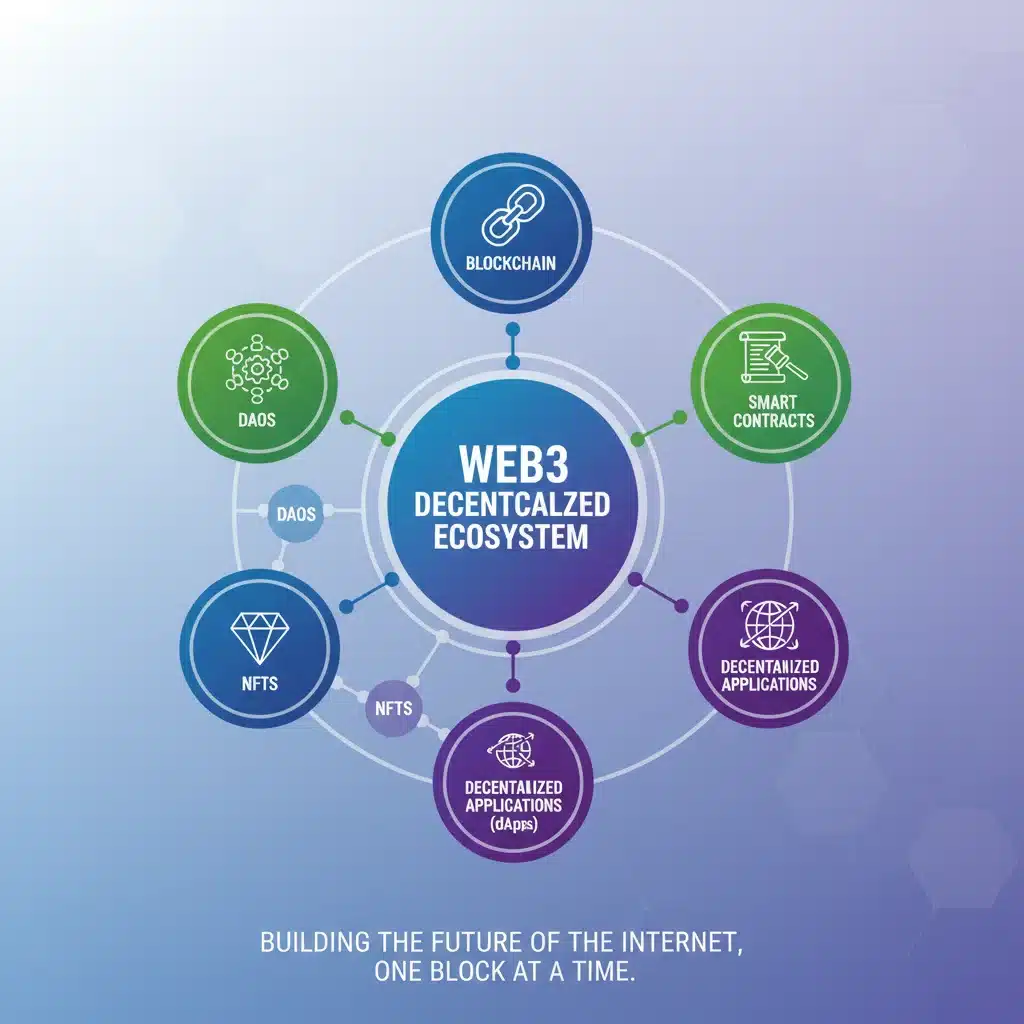
- Blockchain Technology: The foundational layer of Web3, blockchain is a distributed, immutable ledger that records transactions across a network of computers. This inherent transparency and security eliminate the need for intermediaries.
- Decentralized Applications (dApps): These applications run on a decentralized network (like a blockchain) rather than a centralized server, offering enhanced censorship resistance and user control.
- Smart Contracts: Self-executing contracts with the terms of the agreement directly written into code. They automate processes, reduce fraud, and ensure trustless execution.
- Cryptocurrencies and Tokens: Digital assets that facilitate transactions, incentivize participation, and represent ownership or utility within Web3 ecosystems. NFTs (Non-Fungible Tokens) are a prime example, representing unique digital or physical assets.
- Decentralized Autonomous Organizations (DAOs): Organizations governed by rules encoded as smart contracts on a blockchain, enabling community-driven decision-making.
Why Web3 Business Adoption is Crucial for 2026 and Beyond
The pace of technological change is accelerating, and businesses that fail to adapt risk obsolescence. Web3 isn’t just a fleeting trend; it’s a foundational shift that will reshape industries. Here’s why Web3 Business Adoption should be a top priority for leaders:
Enhanced Trust and Transparency
In an era of increasing skepticism, Web3’s inherent transparency and immutability can rebuild trust with customers, partners, and stakeholders. Blockchain-based systems provide verifiable records, reducing fraud and fostering accountability across supply chains, financial transactions, and data management.
New Revenue Streams and Business Models
Web3 opens up entirely new avenues for monetization. From tokenized economies and fractional ownership of assets to play-to-earn gaming and metaverse experiences, businesses can explore innovative models that reward users, creators, and participants directly, fostering deeper engagement and loyalty.
Improved Data Ownership and Privacy
With Web3, users regain control over their data. This shift moves away from centralized data silos, offering businesses opportunities to build privacy-preserving solutions and engage with customers in a more ethical and transparent manner, potentially leading to stronger customer relationships and compliance with evolving data regulations.
Increased Efficiency and Automation
Smart contracts automate complex processes, reducing manual effort, minimizing errors, and accelerating transaction speeds. This can lead to significant operational efficiencies across various business functions, from logistics and legal agreements to financial settlements.
Community Building and Decentralized Governance
DAOs enable businesses to foster highly engaged communities, allowing stakeholders to participate in decision-making and contribute to the platform’s evolution. This decentralized governance model can lead to more resilient, adaptable, and user-centric products and services.
Practical Strategies for Web3 Business Adoption
Embarking on the Web3 journey requires a strategic and phased approach. Here are practical steps for business leaders to consider for successful Web3 Business Adoption:
1. Education and Awareness
The first step is to educate your leadership team and key stakeholders. Organize workshops, bring in experts, and foster an environment of continuous learning about blockchain, cryptocurrencies, NFTs, and DAOs. Understanding the fundamentals is crucial before making strategic decisions.
2. Identify Use Cases and Pilot Projects
Don’t try to overhaul your entire business at once. Instead, identify specific pain points or opportunities where Web3 technologies can offer a distinct advantage. Start with small, manageable pilot projects. Examples include:
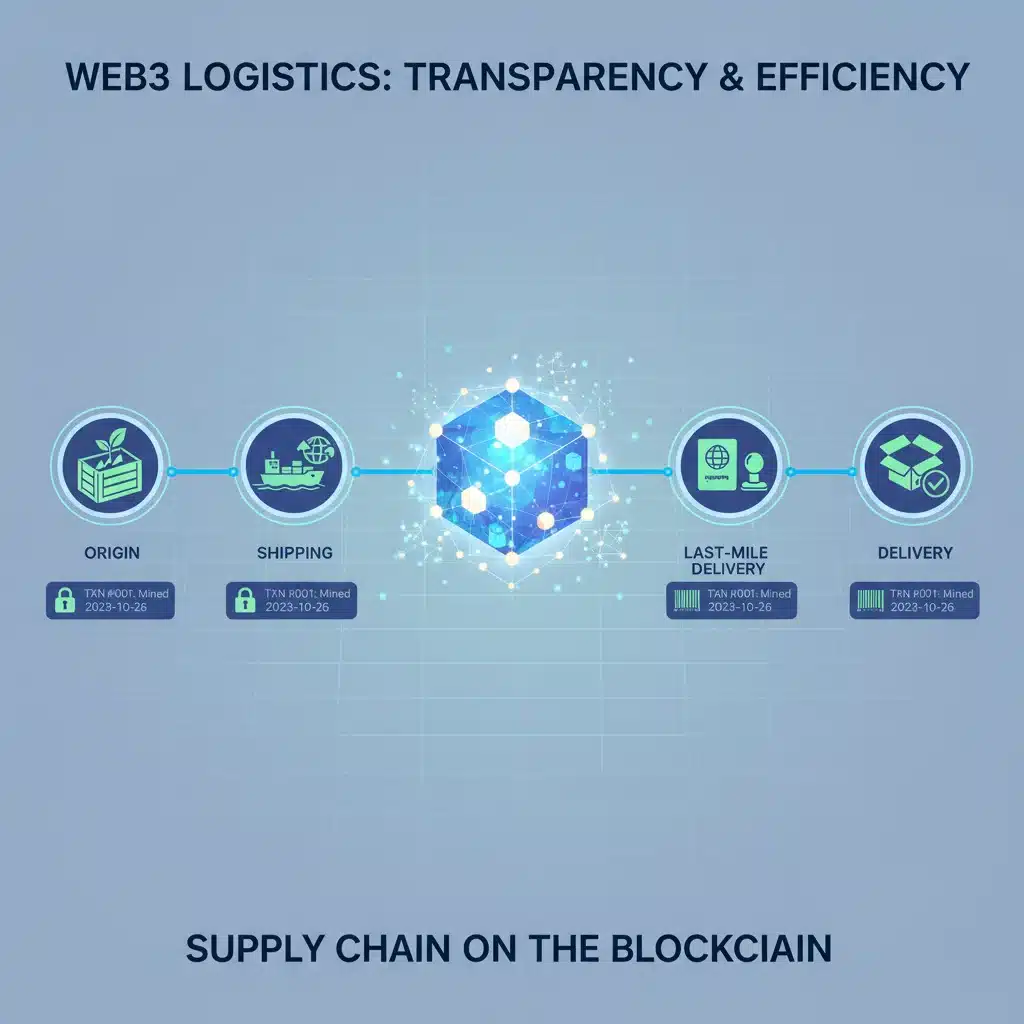
- Supply Chain Transparency: Track goods from origin to consumer using blockchain to enhance traceability and combat counterfeiting.
- Loyalty Programs: Create token-based loyalty programs where customers own their rewards and can trade them.
- Digital Collectibles/NFTs: For brands, NFTs can offer exclusive content, membership access, or digital merchandise, fostering brand loyalty and creating new revenue streams.
- Decentralized Finance (DeFi) Integration: Explore how DeFi protocols can streamline financial operations, offer new lending/borrowing opportunities, or enhance payment systems.
3. Build or Partner with Web3 Expertise
Web3 development requires specialized skills. Businesses can either invest in upskilling their existing teams, hire Web3 native talent, or partner with established blockchain development firms and consultancies. Strategic partnerships can accelerate your adoption process and mitigate risks.
4. Focus on User Experience (UX)
While Web3 offers powerful backend capabilities, the frontend user experience must be intuitive and seamless. Many Web3 applications still suffer from complex interfaces. Businesses should prioritize designing user-friendly dApps and platforms that abstract away the underlying blockchain complexities, making them accessible to a broader audience.
5. Consider Tokenomics and Governance Models
If your Web3 strategy involves creating a token or a DAO, carefully design its tokenomics (the economic model of the token) and governance structure. This includes defining utility, distribution, incentives, and voting mechanisms to ensure sustainability and community engagement.
6. Address Security and Regulatory Compliance
Security is paramount in Web3. Implement robust security measures for smart contracts, wallets, and private keys. Furthermore, the regulatory landscape for Web3 is still evolving. Businesses must stay informed about relevant regulations (e.g., KYC/AML, data privacy) and ensure compliance to avoid legal pitfalls.
Industry-Specific Web3 Business Adoption Examples for 2026
The impact of Web3 will be felt across virtually every industry. Here are some sector-specific examples of how Web3 Business Adoption could manifest by 2026:
Finance and Banking
- Decentralized Finance (DeFi): Traditional banks could integrate DeFi protocols for faster cross-border payments, fractionalized asset ownership, and new lending/borrowing products.
- Tokenized Securities: Issuing tokenized stocks, bonds, and real estate, allowing for greater liquidity, faster settlement, and broader investor access.
- Central Bank Digital Currencies (CBDCs): Exploring the use of national digital currencies for efficient monetary policy and financial inclusion.
Retail and E-commerce
- NFTs for Brand Engagement: Luxury brands offering NFTs as digital certificates of authenticity, exclusive access to customer experience, or unique digital wearables for the metaverse.
- Tokenized Loyalty Programs: Customers earning and owning loyalty tokens that can be traded, spent across various brands, or used for governance within a brand’s ecosystem.
- Decentralized Marketplaces: Creating peer-to-peer marketplaces that cut out intermediaries, reducing fees for sellers and offering more transparent pricing for buyers.
Media and Entertainment
- Creator Economy Empowerment: Artists and creators directly monetizing their work through NFTs, bypassing traditional intermediaries and retaining a larger share of revenue.
- Fan Engagement and Ownership: Sports teams and entertainment franchises issuing fan tokens that grant voting rights on team decisions, exclusive content, or unique experiences.
- Metaverse Experiences: Developing immersive virtual worlds where users can interact, create, and own digital assets, opening new avenues for advertising, gaming, and social experiences.
Supply Chain and Logistics
- Enhanced Traceability: Using blockchain to track products from manufacturing to consumption, ensuring authenticity, ethical sourcing, and compliance.
- Automated Payments: Smart contracts automating payments upon delivery or completion of milestones, reducing delays and disputes.
- Digital Twins: Creating digital representations of physical assets on a blockchain to manage their lifecycle, maintenance, and ownership history.
Challenges and Considerations for Web3 Business Adoption
While the opportunities are vast, Web3 Business Adoption also comes with its share of challenges that business leaders must address:
Scalability Issues
Many blockchain networks currently face scalability limitations, impacting transaction speeds and costs. While solutions like Layer 2 networks are emerging, this remains a key consideration for high-volume applications.
Regulatory Uncertainty
The regulatory landscape for Web3 is still in its nascent stages and varies significantly across jurisdictions. Businesses need to navigate this uncertainty carefully and be prepared for evolving legal frameworks, especially concerning token classifications, data privacy, and financial regulations.
Technical Complexity and Talent Gap
Developing and integrating Web3 solutions requires specialized technical expertise (e.g., Solidity for smart contracts, blockchain architecture). There’s a significant talent gap in this area, making it challenging for businesses to build in-house capabilities.
Security Risks
While blockchain is inherently secure, smart contract vulnerabilities, private key management issues, and phishing attacks remain significant risks. Robust auditing, security protocols, and user education are crucial.
User Education and Adoption
For Web3 to achieve mainstream adoption, users need to understand its benefits and feel comfortable interacting with decentralized technologies. Businesses must invest in educating their customer base and simplifying the user experience.
The Future of Business with Web3 in 2026
By 2026, we anticipate a significant maturation of the Web3 ecosystem. Blockchain infrastructure will become more robust, scalable, and user-friendly. Interoperability between different blockchains will improve, creating a more seamless digital experience. We will see:
- Ubiquitous Digital Identity: Self-sovereign digital identities will become more prevalent, giving users control over their personal data and allowing for seamless, privacy-preserving interactions across various platforms.
- Mainstream Metaverse Integration: The metaverse will evolve beyond gaming into a vital platform for commerce, collaboration, and social interaction, with businesses leveraging NFTs and tokens for ownership and engagement within these virtual worlds.
- Decentralized Autonomous Organizations (DAOs) as Standard: More businesses will experiment with or fully adopt DAO structures for internal governance, community management, and even investment vehicles, fostering greater transparency and stakeholder participation.
- Increased Institutional Adoption: Major corporations and financial institutions will deepen their involvement in Web3, integrating blockchain solutions into their core operations and offering new decentralized products and services.
- Evolving Regulatory Clarity: While challenges will persist, governments globally will likely establish clearer regulatory frameworks, providing greater certainty for businesses looking to innovate in the Web3 space.
Building Your Web3 Roadmap
For business leaders, the journey into Web3 should begin now. Here’s a high-level roadmap to guide your Web3 Business Adoption efforts:
- Phase 1: Research and Education (Current – 6 months)
- Conduct internal workshops and external consultations.
- Identify key Web3 trends and technologies relevant to your industry.
- Assess potential risks and opportunities.
- Phase 2: Pilot and Experimentation (6 – 18 months)
- Define specific, low-risk pilot projects with clear KPIs.
- Formulate a dedicated Web3 innovation team.
- Explore partnerships with Web3 startups or experts.
- Gather feedback and iterate on initial implementations.
- Phase 3: Strategic Integration and Scaling (18 – 36 months and beyond)
- Integrate successful pilot projects into core business operations.
- Develop a long-term Web3 strategy aligned with overall business goals.
- Invest in talent development and continuous innovation.
- Actively participate in Web3 communities and contribute to ecosystem growth.
Conclusion: Embracing the Decentralized Future
Web3 represents a profound evolution of the internet, promising a more open, equitable, and user-centric digital world. For business leaders, the call to action is clear: understand, explore, and strategically adopt Web3 technologies. By embracing Web3 Business Adoption, organizations can unlock new growth opportunities, build stronger customer relationships, enhance operational efficiency, and establish themselves as innovators in the decentralized economy of 2026 and beyond. The future is decentralized, and the time to build for it is now.