Cultural Identity in the Metaverse: Shaping New Social Norms by 2026
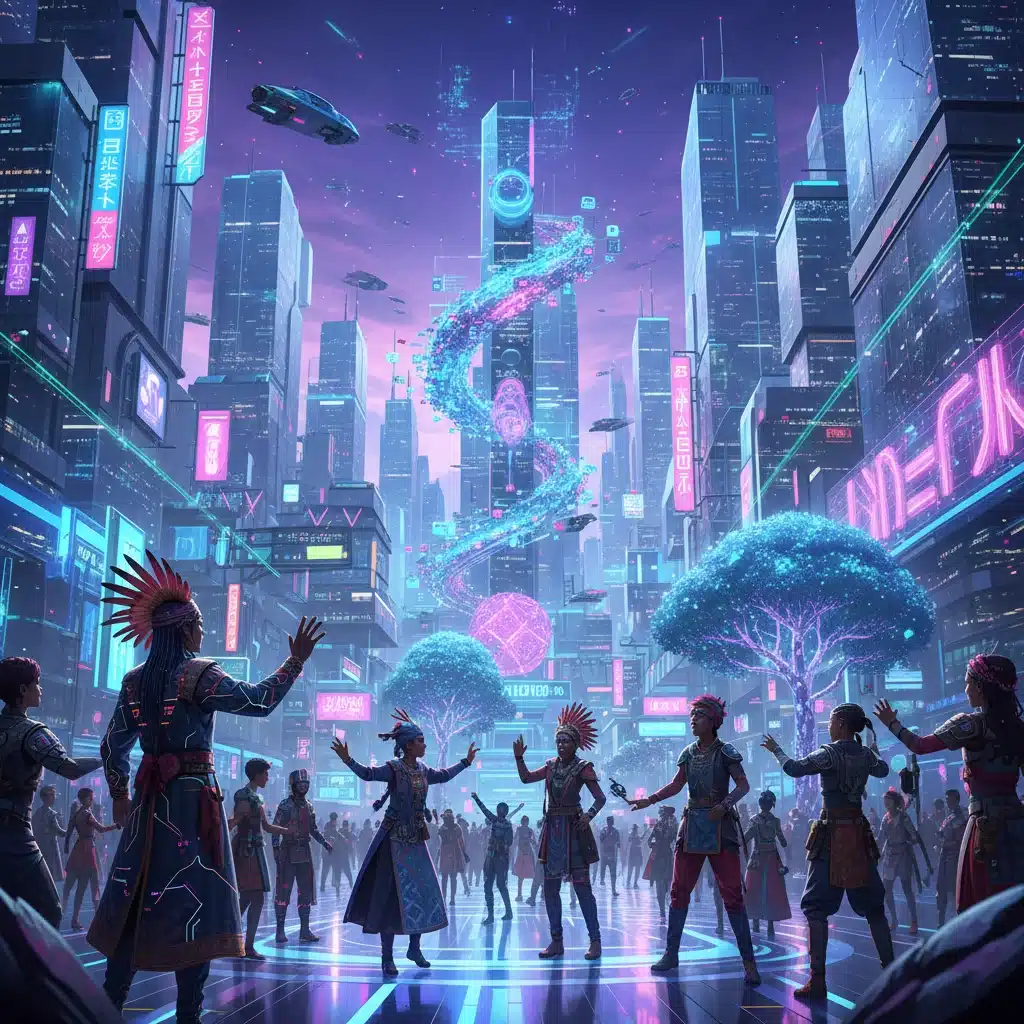
The dawn of the metaverse is not just about advanced graphics and immersive experiences; it’s a profound societal shift, fundamentally altering how we perceive and express our cultural identity. As we hurtle towards 2026, these virtual worlds are rapidly becoming crucibles where new social norms are forged, traditional boundaries are blurred, and self-expression reaches unprecedented levels. The concept of metaverse cultural identity is no longer a futuristic fantasy but a present reality that demands our attention and understanding.
Cultural Identity in the Metaverse: New Social Norms Forming in 2026
The metaverse, a persistent, interconnected set of virtual spaces, promises to revolutionize human interaction. This digital frontier offers a unique opportunity for individuals to explore and construct their identities in ways that might be constrained in the physical world. By 2026, we anticipate a significant evolution in how cultural identity is shaped, shared, and celebrated within these immersive environments, leading to the emergence of entirely new social codes and behaviors.
Understanding this transformation is crucial for individuals, businesses, and policymakers alike. The metaverse is not merely a game; it is a burgeoning ecosystem where real social capital, economic value, and cultural significance are being established. The interplay between our physical world identities and our digital avatars is complex, creating a rich tapestry of experiences that reflect a rapidly evolving human condition.
Defining Cultural Identity in a Digital Realm
Before diving into the specifics of the metaverse, let’s briefly revisit the concept of cultural identity. Traditionally, cultural identity is understood as the feeling of belonging to a group. It is part of a person’s self-conception and self-perception and is related to nationality, ethnicity, religion, social class, generation, locality, or any kind of social group that has its own distinct culture. In the physical world, these identities are often shaped by geographical location, shared history, common language, and collective traditions.
The metaverse, however, introduces a new dimension. Here, individuals can transcend physical limitations and geographical boundaries. An avatar can be a canvas for boundless self-expression, allowing users to experiment with different facets of their identity, or even adopt entirely new ones. This fluidity challenges conventional notions of cultural belonging and opens up possibilities for new forms of community based on shared digital experiences rather than shared physical origins.
By 2026, the digital self, or avatar, will likely become as significant as, if not more significant than, the physical self in certain social contexts. This shift implies that the construction of metaverse cultural identity will be a dynamic, ongoing process, influenced by digital interactions, virtual communities, and the unique affordances of the metaverse itself.
The Rise of Digital Subcultures and Communities
One of the most evident ways the metaverse is impacting cultural identity is through the proliferation of digital subcultures. Just as the internet fostered online communities around shared interests, the metaverse amplifies this phenomenon by providing immersive, interactive spaces for these groups to flourish. These subcultures can be built around anything from niche gaming interests and digital art movements to specific fashion aesthetics and philosophical discussions.
These digital subcultures often develop their own unique norms, languages, and even economies. For example, a community centered around a particular NFT collection might develop its own jargon, social hierarchies, and rituals for displaying and trading digital assets. These emergent behaviors contribute directly to the formation of new social norms within the broader metaverse. The collective experience of building, sharing, and interacting within these digital spaces strengthens the bonds between members, creating a powerful sense of belonging.
By 2026, we anticipate these subcultures will diversify further, becoming more specialized and interlinked. The ability to seamlessly jump between different metaverse platforms will allow individuals to belong to multiple digital communities, each contributing to a multifaceted metaverse cultural identity. This fluidity contrasts sharply with the often more rigid and singular cultural affiliations in the physical world.
Avatar as an Extension of Self and Cultural Expression
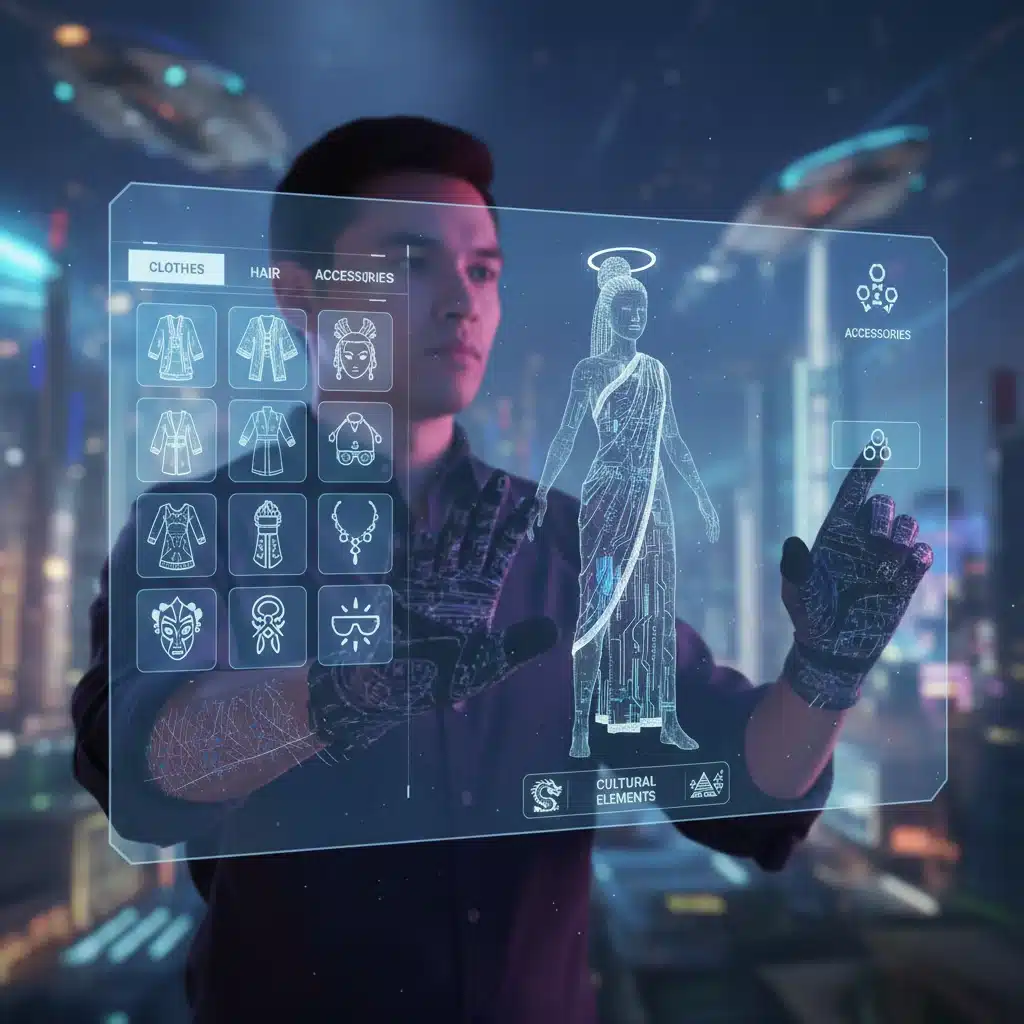
The avatar is the primary vehicle for self-expression in the metaverse. It’s more than just a digital representation; it’s an extension of one’s identity, a carefully crafted persona that can reflect aspirations, values, and cultural affiliations. The level of customization available in many metaverse platforms allows for an unprecedented degree of control over one’s appearance, far beyond what is typically possible in real life.
Users can choose to represent their physical world cultural identity through their avatars, perhaps by wearing digital versions of traditional clothing, displaying specific cultural symbols, or participating in virtual events that celebrate their heritage. However, the metaverse also offers the freedom to experiment. An individual might choose an avatar that embodies a fantastical creature, a futuristic warrior, or a gender-fluid entity, exploring aspects of their identity that might be suppressed or unrecognized in their daily lives.
This freedom of expression has profound implications for metaverse cultural identity. It allows for a continuous process of self-discovery and reinvention. By 2026, the digital fashion industry within the metaverse is expected to boom, offering an even wider array of options for cultural expression through clothing, accessories, and even virtual tattoos and body modifications. This will further solidify the avatar’s role as a dynamic representation of identity.
New Social Norms: Etiquette, Empathy, and Interaction
As millions flock to the metaverse, new social norms are inevitably forming. These norms dictate how users interact, what constitutes polite behavior, and how conflicts are resolved in virtual spaces. Unlike the physical world, where social etiquette has evolved over centuries, metaverse norms are being established at an accelerated pace, often through trial and error, and through the collective consensus of early adopters.
For example, how does one approach another avatar in a virtual space? Is it acceptable to ‘teleport’ into someone’s personal space, or is there an unwritten rule about maintaining a respectful distance? What are the implications of ‘griefing’ (harassing other users) in a space where avatars can be deeply personal extensions of self? These questions are actively being answered by user behavior and platform moderation.
By 2026, we expect to see more formalized codes of conduct and community guidelines emerging across major metaverse platforms. These will likely draw parallels with real-world etiquette but will also incorporate elements unique to digital interaction. The development of ‘metaverse empathy’ – the ability to understand and share the feelings of others in a virtual context – will be crucial for fostering positive and inclusive digital societies. This will directly influence the development of cultural identity within these spaces, as respectful interaction becomes a cornerstone of digital citizenship.
Economic and Commercial Influences on Cultural Identity
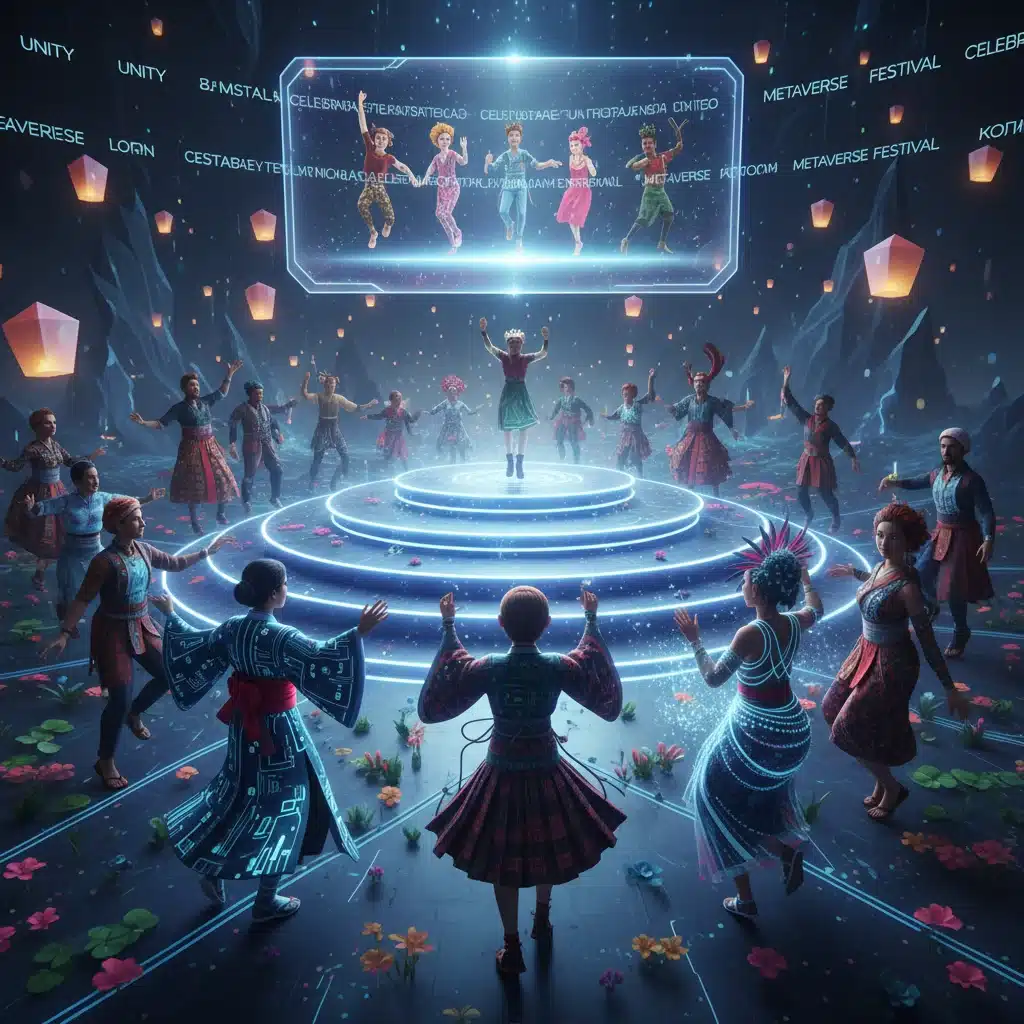
The economic landscape of the metaverse is inextricably linked to the formation of metaverse cultural identity. Virtual goods, NFTs, and digital currencies are not just tools for commerce; they are also symbols of status, belonging, and cultural affiliation. Owning a rare NFT from a particular collection, for instance, can signify membership in a specific digital elite or artistic movement.
Brands are rapidly entering the metaverse, creating virtual stores, experiences, and digital products. This commercialization will undoubtedly influence cultural norms and identities. The ability to purchase and display digital luxury items, for example, could create new forms of conspicuous consumption and social stratification within virtual worlds. Conversely, brands might also play a role in promoting diverse cultural expressions by collaborating with digital artists and designers from various backgrounds.
By 2026, the metaverse economy will have matured significantly, with more sophisticated systems for digital ownership and trade. This will lead to a deeper integration of economic activity with cultural expression. The very act of earning, spending, and investing in the metaverse will contribute to an individual’s digital persona and their perceived cultural identity within these spaces.
The Role of Language and Communication
Language is a fundamental pillar of cultural identity. In the metaverse, communication takes on new forms, blending traditional text and voice chat with spatial audio, gestures, and even non-verbal cues from avatar animations. The development of AI-powered translation tools could bridge linguistic divides, allowing for more fluid cross-cultural interactions than ever before.
However, the metaverse also has the potential to foster the emergence of new digital dialects and slang, unique to specific communities or platforms. These linguistic innovations will become markers of identity, allowing members of a particular subculture to recognize and connect with one another. The way we communicate in these virtual spaces will evolve, creating new forms of expression that reflect the unique characteristics of digital interaction.
By 2026, we might see the rise of ‘meta-languages’ – hybrid forms of communication that combine elements from various real-world languages with metaverse-specific terminology and gestures. This linguistic evolution will play a critical role in shaping metaverse cultural identity, fostering both global interconnectedness and distinct digital cultural niches.
Challenges and Ethical Considerations
While the metaverse offers exciting opportunities for cultural exploration, it also presents significant challenges and ethical considerations. Issues such as digital inequality, cultural appropriation, and the potential for identity manipulation need careful attention.
Digital inequality could exacerbate existing social divides, as access to high-quality metaverse experiences might be limited to those with advanced technology and stable internet connections. This could create a ‘digital divide’ in cultural participation, where certain groups are excluded from shaping or experiencing the evolving cultural identity of the metaverse.
Cultural appropriation is another concern. The ease with which users can adopt elements from different cultures for their avatars or virtual environments raises questions about respectful representation versus superficial adoption. Platforms and communities will need to develop mechanisms to address these issues, fostering an environment of cultural exchange rather than exploitation.
Furthermore, the fluidity of identity in the metaverse, while empowering, also carries risks. The potential for ‘catfishing’ or creating deceptive personas could lead to distrust and harm. Establishing robust identity verification systems and fostering a culture of accountability will be vital for building safe and trustworthy digital societies.
By 2026, these ethical frameworks will be under active development, guided by a combination of platform policies, community self-governance, and potentially even regulatory oversight. The responsible evolution of metaverse cultural identity will depend on our ability to navigate these complex issues thoughtfully.
The Intersection of Real and Virtual Identities
Perhaps one of the most fascinating aspects of the metaverse’s impact on cultural identity is the blurring line between real and virtual selves. For many, their avatar is not just a temporary persona but a genuine extension of who they are. The experiences, relationships, and achievements garnered in the metaverse can have a tangible impact on an individual’s self-esteem, social standing, and even their mental well-being in the physical world.
This intersection creates a continuous feedback loop. Our real-world cultural backgrounds influence how we choose to represent ourselves in the metaverse, and in turn, our metaverse experiences can shape our understanding and expression of our cultural identity in the physical world. For example, someone who finds a strong sense of community and belonging in a digital subculture might bring aspects of that identity back into their real-world interactions.
By 2026, this convergence will be even more pronounced. The concept of a singular, fixed identity may give way to a more fluid, multi-faceted understanding of self, where an individual’s metaverse cultural identity is an integral and equally valid part of their overall personal narrative. This will necessitate a broader societal acceptance of digital identities as legitimate forms of self-expression and cultural belonging.
Educational and Preservational Opportunities
Beyond individual expression, the metaverse also offers immense potential for cultural education and preservation. Imagine virtual museums where ancient artifacts can be explored in 3D, or historical sites can be virtually reconstructed, allowing people from anywhere in the world to experience them. This could democratize access to cultural heritage, transcending geographical and economic barriers.
Indigenous cultures, often underrepresented or at risk of diminishing in the physical world, could find new platforms in the metaverse to share their stories, languages, and traditions. Virtual spaces could become vibrant hubs for cultural exchange, fostering greater understanding and appreciation among diverse global communities. This role in cultural preservation could be a powerful driver for the positive evolution of cultural identity in the digital age.
By 2026, we anticipate numerous initiatives leveraging the metaverse for cultural education and immersive learning. These platforms will not only preserve existing cultures but also contribute to the ongoing evolution of metaverse cultural identity by fostering cross-cultural dialogue and collaboration on a global scale.
The Future of Cultural Identity in the Metaverse
Looking ahead, the evolution of metaverse cultural identity is poised to be one of the most compelling aspects of this new digital frontier. By 2026, we will likely witness a more mature and diverse metaverse ecosystem, where cultural expression is not only tolerated but actively encouraged and celebrated. The boundaries between real-world cultures and digital subcultures will become increasingly permeable, leading to a richer, more complex understanding of what it means to belong.
The social norms that govern interaction in the metaverse will continue to solidify, reflecting a collective desire for inclusive, respectful, and engaging digital spaces. As technology advances, offering even more immersive and personalized experiences, the connection between our avatars and our sense of self will deepen. This will empower individuals to explore and express their identities in ways previously unimaginable, pushing the boundaries of creativity and self-discovery.
The journey of cultural identity in the metaverse is just beginning. It promises to be a dynamic, transformative process, shaping not only how we interact within digital realms but also how we understand ourselves and our place in an increasingly interconnected world. The formation of these new social norms and the vibrant tapestry of digital cultures will undoubtedly leave an indelible mark on human society, long past 2026.
Conclusion
The metaverse is more than just a technological advancement; it’s a social and cultural revolution in the making. By 2026, the concept of metaverse cultural identity will be deeply ingrained in our understanding of self and community. New social norms will have emerged, guiding interactions and fostering a unique blend of global interconnectedness and distinct digital subcultures. As we continue to build and explore these virtual worlds, it is imperative that we do so with an awareness of the profound impact they will have on our identities, our societies, and our shared human experience. The future of culture is not just physical; it’s profoundly digital, and it’s happening now.