Experience Economy: Key Drivers of Consumer Spending in 2026

In an increasingly saturated marketplace, the traditional focus on product features and price points is yielding to a more profound and impactful paradigm: the ‘Experience Economy’. This isn’t a new concept, but its evolution, particularly as we look towards 2026, is accelerating at an unprecedented pace. Consumers are no longer just buying goods or services; they are investing in the feelings, memories, and transformations these interactions provide. Understanding the ‘Experience Economy’ and its key drivers is paramount for any business aiming not just to survive, but to thrive in the coming years.
The shift is fundamental. Instead of merely acquiring possessions, individuals are seeking meaningful engagements, personalized journeys, and interactions that resonate deeply with their values and aspirations. This comprehensive guide will delve into the three pivotal drivers that are shaping consumer spending in 2026, offering actionable insights for businesses to recalibrate their strategies and foster lasting connections with their audience.
The Evolution of Consumer Expectations: Why Experiences Reign Supreme
Before we dissect the core drivers, it’s crucial to grasp the underlying shift in consumer psychology. Decades ago, Maslow’s hierarchy of needs placed basic physiological and safety needs at its base, with self-actualization at the pinnacle. Today’s consumers, particularly in developed economies, often have their foundational needs met. This allows them to ascend the hierarchy, prioritizing higher-order needs like personal growth, community, and self-expression. Experiences, by their very nature, are uniquely positioned to fulfill these elevated desires.
The digital age has also played a significant role. The sheer volume of information and choices available online has made transactional purchases feel less special. What stands out are interactions that are unique, memorable, and shareable. Social media platforms, for instance, are essentially experience-sharing platforms, where individuals curate and present their lives through the lens of their experiences. This constant exposure to others’ curated experiences fuels a desire for similar, or even better, engagements.
Moreover, the pandemic years, with their enforced isolation and restrictions, amplified the yearning for connection, novelty, and sensory engagement. As the world reopens, there’s a pent-up demand for experiences that offer escape, joy, and a sense of normalcy, albeit with new expectations regarding safety, convenience, and ethical considerations. The ‘Experience Economy’ is not just a trend; it’s a reflection of evolving human desires in a rapidly changing world.
Driver 1: Hyper-Personalization – The Tailored Journey
In a world of infinite choices, generic offerings simply don’t cut it anymore. Consumers in 2026 will demand, and expect, experiences that are meticulously tailored to their individual preferences, behaviors, and even their emotional states. This goes far beyond basic segmentation; it’s about understanding the individual at a granular level and crafting every interaction to feel uniquely made for them. This is the essence of hyper-personalization, a cornerstone of the ‘Experience Economy’.
Data-Driven Insights for Individualized Experiences
The foundation of hyper-personalization lies in sophisticated data analytics. Businesses must move beyond collecting demographic data to understanding psychographics, real-time behavior, past interactions, and even predictive analytics. AI and machine learning are indispensable here, enabling companies to process vast amounts of data and identify patterns that inform truly individualized experiences.
- Behavioral Tracking: Analyzing website clicks, app usage, purchase history, and even time spent on certain content allows businesses to understand what truly interests a customer.
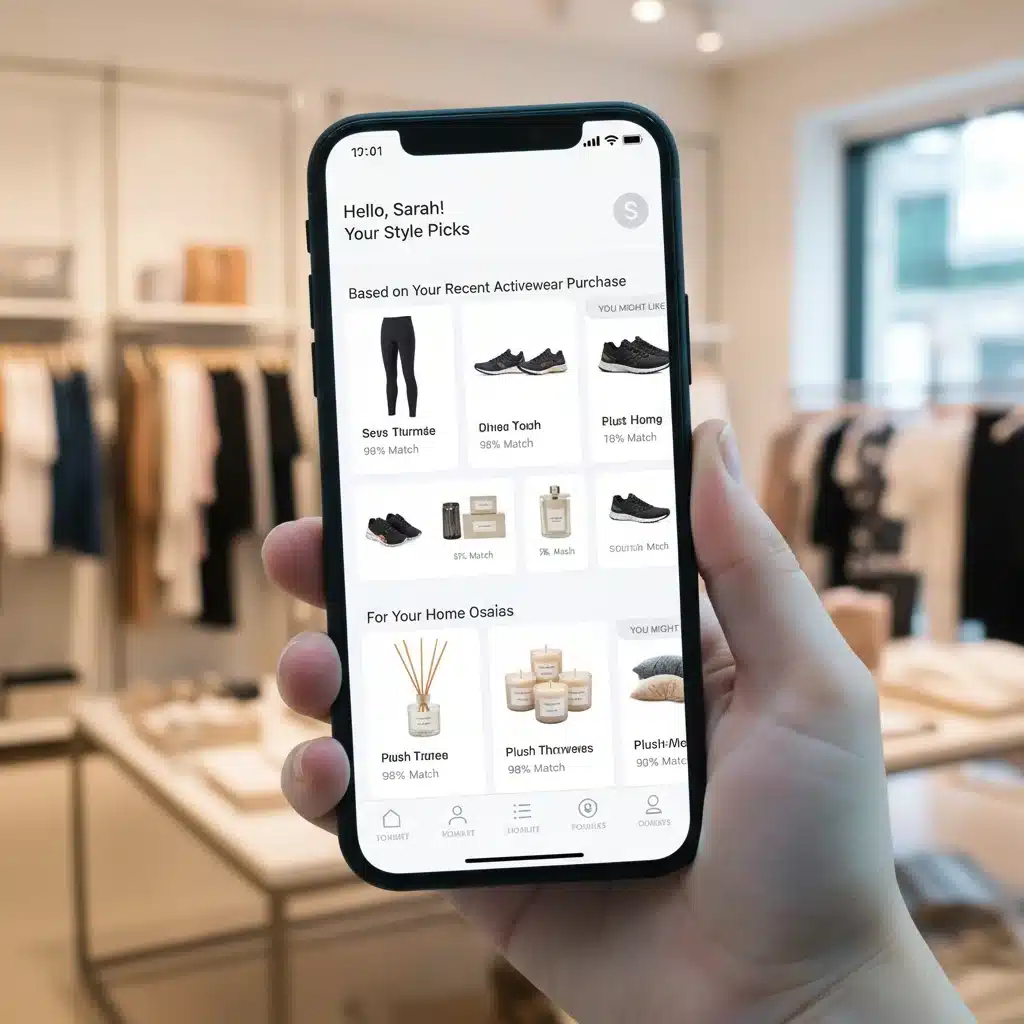
- AI-Powered Recommendations: From streaming services suggesting movies to e-commerce sites recommending products, AI algorithms are becoming incredibly adept at anticipating desires. In 2026, this will extend to recommending entire experiential packages, such as personalized travel itineraries or bespoke learning paths.
- Real-Time Adaptation: The ability to adapt an experience in real-time based on a customer’s current interaction is crucial. This could mean adjusting website content, offering immediate assistance based on detected frustration, or dynamically changing pricing based on demand and individual purchasing power.
Personalization Across All Touchpoints
Hyper-personalization isn’t just for digital interactions. It must permeate every touchpoint, creating a seamless and consistent experience whether online or offline.
- In-Store Experiences: Imagine smart retail environments that recognize loyal customers upon entry, greet them by name, and guide them to products they’ve shown interest in online. Augmented reality (AR) can allow customers to virtually try on clothes or visualize furniture in their homes, making the physical shopping trip more engaging and personalized.
- Service Delivery: Customer service will evolve from reactive problem-solving to proactive, personalized support. AI-powered chatbots can handle routine queries, freeing human agents to focus on complex, emotionally resonant interactions. Agents will have a complete 360-degree view of the customer, enabling them to offer truly personalized solutions and anticipate needs.
- Content and Communication: Marketing messages will be hyper-targeted, not just segmenting by demographics, but by individual interests, past engagement, and even preferred communication channels and times. Emails will feel less like mass mailings and more like personal letters.
Challenges and Ethical Considerations
While the benefits of hyper-personalization are clear, businesses must navigate challenges related to data privacy and ethical boundaries. Consumers are increasingly wary of how their data is used. Transparency, clear consent mechanisms, and a commitment to data security will be critical for building trust. The line between helpful personalization and intrusive surveillance is fine, and businesses must always prioritize the customer’s comfort and autonomy.
Driver 2: Ethical Consumption and Purpose-Driven Experiences
The modern consumer is not just a buyer; they are a citizen of the world. Growing awareness of social, environmental, and ethical issues has profoundly impacted purchasing decisions. In 2026, businesses that demonstrate a genuine commitment to purpose beyond profit will resonate deeply with consumers. Ethical consumption is no longer a niche; it’s a mainstream expectation, driving significant shifts in the ‘Experience Economy’.
Sustainability as a Core Value
Environmental concerns are at the forefront of many consumers’ minds. Businesses that integrate sustainability into their core operations and offer eco-friendly experiences will gain a significant competitive advantage. This goes beyond mere greenwashing; it requires genuine commitment and transparency.
- Eco-Conscious Products and Services: From sustainable sourcing and production to recyclable packaging and energy-efficient operations, consumers will seek out brands that walk the talk. This extends to experiences, such as eco-tourism, farm-to-table dining, or workshops on sustainable living.
- Transparency and Traceability: Consumers want to know the origin of their products and the impact of their experiences. Blockchain technology and detailed reporting can provide the transparency needed to build trust.
- Circular Economy Models: Businesses adopting circular economy principles – reducing waste, reusing materials, and recycling – will appeal to environmentally conscious consumers. This could involve subscription models for products, repair services, or buy-back programs.
Social Impact and Community Engagement
Beyond environmental concerns, consumers are increasingly seeking brands that contribute positively to society and support local communities. Experiences that have a social impact or foster a sense of belonging will be highly valued.
- Fair Labor Practices: Ethical sourcing extends to ensuring fair wages and safe working conditions throughout the supply chain. Businesses that champion human rights will earn consumer loyalty.
- Community Support: Brands that invest in local communities, support charitable causes, or offer opportunities for volunteering will create powerful emotional connections. Experiences that facilitate community engagement, like local festivals or collaborative art projects, tap into this desire.
- Diversity, Equity, and Inclusion (DEI): Consumers expect brands to reflect and champion DEI values in their marketing, workforce, and product offerings. Inclusive experiences that cater to diverse audiences will be essential.
The Power of Storytelling and Authenticity
In the realm of ethical consumption, authenticity is paramount. Consumers are adept at spotting performative activism. Businesses must genuinely embed their values into their brand DNA and communicate their efforts transparently. Storytelling that highlights their purpose, challenges, and successes can build a powerful narrative that resonates with consumers who share similar values.
Purpose-driven experiences offer more than just a transaction; they offer a chance for consumers to align their spending with their personal ethics, contributing to a greater good. This creates a deeper, more meaningful connection than any mere product can achieve.
Driver 3: Immersive Digital and Phygital Engagement
The line between the physical and digital worlds has blurred irrevocably. In 2026, the ‘Experience Economy’ will be characterized by sophisticated immersive digital experiences and seamlessly integrated ‘phygital’ (physical + digital) interactions. This driver is about leveraging technology to enhance, extend, and even create entirely new forms of engagement.
The Rise of the Metaverse and Virtual Experiences
While the full realization of the metaverse is still unfolding, its foundational technologies are already creating compelling virtual experiences. Consumers are increasingly comfortable with digital spaces for entertainment, social interaction, and even commerce.
- Virtual Events and Concerts: Beyond basic live streams, virtual events offer interactive elements, personalized avatars, and opportunities to connect with others in a shared digital space.
- Gaming as an Experience Platform: Video games are evolving into rich social platforms where brands can engage with consumers through in-game advertising, virtual product placements, or even by hosting brand-specific events.
- Augmented Reality (AR) Enhancements: AR overlays digital information onto the real world, enhancing physical experiences. This could be anything from virtual try-ons in retail to interactive museum exhibits or guided tours that provide real-time information and historical context.
Seamless Phygital Journeys
The most powerful experiences in 2026 will often bridge the gap between the physical and digital, creating a cohesive and effortless journey for the consumer. This ‘phygital’ approach recognizes that consumers move fluidly between these realms and expect businesses to do the same.
- Click-and-Collect with a Twist: Beyond simple order pickup, phygital click-and-collect might involve personalized recommendations upon arrival, interactive displays, or even a brief, curated brand experience while waiting.
- Smart Stores and Connected Devices: IoT devices in physical spaces can gather data to personalize experiences (e.g., smart mirrors offering styling advice) or streamline processes (e.g., automated checkout). Connected products can offer ongoing digital engagement even after purchase.
- Hybrid Events: Conferences, workshops, and even entertainment events will blend in-person attendance with robust virtual participation, offering different levels of engagement and accessibility.
Personalized Digital Engagement
Even purely digital experiences will need to be highly personalized to stand out. This means more than just a custom homepage; it involves dynamic content, interactive elements, and responsive interfaces that adapt to individual user behavior and preferences. AI will play a crucial role in creating these fluid and engaging digital environments.
The key to successful immersive digital and phygital engagement is not just about adopting new technologies, but about strategically integrating them to create added value and deeper connection for the consumer. It’s about designing experiences that are not only technologically advanced but also intuitive, enjoyable, and meaningful.

Strategies for Businesses Navigating the ‘Experience Economy’ in 2026
For businesses looking to thrive in the ‘Experience Economy’ of 2026, understanding these drivers is just the beginning. Strategic implementation and a customer-centric mindset are crucial. Here are key strategies to consider:
1. Invest in Data and Analytics Infrastructure
To achieve true hyper-personalization, robust data collection, storage, and analytical capabilities are non-negotiable. This means investing in CRM systems, AI/ML tools, and data scientists who can translate raw data into actionable insights. Ensure data privacy and ethical use are at the core of your data strategy.
2. Embrace Purpose-Driven Marketing and Operations
Identify your brand’s core values and integrate them into every aspect of your business, from product development to marketing and customer service. Communicate your commitments transparently and authentically. Engage in initiatives that demonstrate genuine social and environmental responsibility. This builds trust and resonates with the ethical consumer.
3. Design Seamless Phygital Journeys
Map out the entire customer journey, identifying all physical and digital touchpoints. Look for opportunities to integrate technology to enhance physical experiences and add human connection to digital ones. The goal is to create a fluid, intuitive, and consistent experience across all channels, eliminating friction points.
4. Foster Creativity and Innovation in Experience Design
Think beyond traditional product and service offerings. How can you transform a mundane transaction into a memorable event? How can you use technology to create novel forms of engagement? Encourage experimentation and a culture of continuous improvement in experience design.
5. Empower Employees as Experience Curators
Your employees are on the front lines of experience delivery. Invest in training that equips them to provide personalized service, understand customer needs, and embody your brand’s values. Empower them to go above and beyond to create exceptional moments for customers.
6. Build Communities, Not Just Customer Bases
The ‘Experience Economy’ thrives on connection. Create opportunities for customers to connect with your brand and with each other. This could be through online forums, exclusive events, loyalty programs that offer unique experiences, or even co-creation initiatives where customers contribute to product or service development.
7. Prioritize Agility and Adaptability
The landscape of consumer expectations is constantly shifting. Businesses must be agile enough to adapt to new technologies, emerging trends, and evolving ethical considerations. Continuous listening to customer feedback and market signals is essential for staying relevant.
The Future is Experiential
The ‘Experience Economy’ is not a passing fad; it is the dominant force shaping consumer spending in 2026 and beyond. Hyper-personalization, ethical consumption, and immersive digital and phygital engagement are not isolated trends but interconnected drivers that collectively define the new consumer landscape. Businesses that recognize and strategically respond to these shifts will be the ones that capture hearts, minds, and market share.
By moving beyond transactional thinking and embracing a holistic approach to experience design, companies can build deeper customer loyalty, foster stronger brand advocacy, and unlock new avenues for growth. The future belongs to those who understand that in the modern marketplace, it’s not just what you sell, but the experience you deliver, that truly matters.