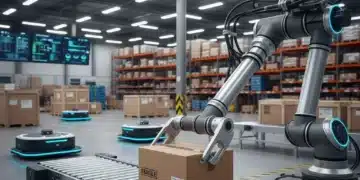
Digital Twins Revolutionize US Industry: Predicting & Optimizing by 2026
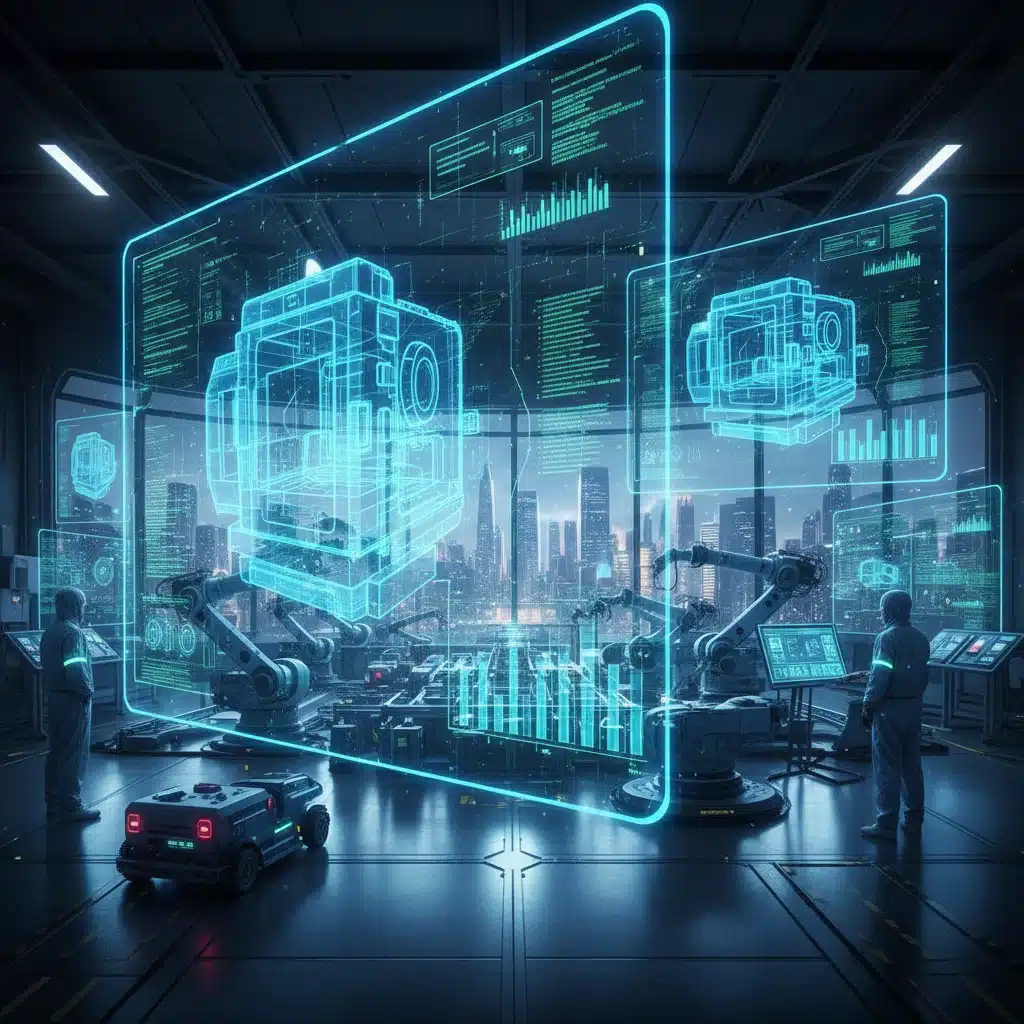
The Rise of Digital Twins: Predicting and Optimizing US Industrial Operations by 2026
The landscape of US industrial operations is on the cusp of a profound transformation, driven by an innovative technology known as the digital twin. Far from being a mere buzzword, the concept of a digital twin represents a paradigm shift in how industries design, operate, and maintain their assets and processes. By 2026, these virtual replicas are projected to be an indispensable component of the US industrial fabric, offering unparalleled capabilities in prediction, optimization, and efficiency. This comprehensive article will explore the burgeoning impact of digital twins on US industry, dissecting their core functionalities, diverse applications, and the monumental benefits they promise to deliver.
At its heart, a digital twin is a virtual model designed to accurately reflect a physical object, system, or process. This isn’t just a static 3D model; it’s a dynamic, living replica that receives real-time data from its physical counterpart through sensors, IoT devices, and other data sources. This constant stream of information allows the digital twin to simulate the physical entity’s behavior, performance, and condition with remarkable precision. The power of this technology lies in its ability to provide insights that were previously unattainable, enabling proactive decision-making, predictive maintenance, and continuous optimization across various industrial sectors.
Understanding the Core Mechanics of Digital Twins
To fully grasp the transformative potential of digital twins in US industry, it’s crucial to understand their underlying components and how they interact. A robust digital twin ecosystem typically comprises several key elements:
- Physical Asset: The real-world object, system, or process being replicated. This could be anything from a single machine on a factory floor to an entire power plant or a complex supply chain.
- Sensors and IoT Devices: These are the eyes and ears of the digital twin, collecting vast amounts of data from the physical asset. Data points can include temperature, pressure, vibration, operational status, energy consumption, and more.
- Connectivity: A reliable and secure network (e.g., 5G, industrial Ethernet, cloud platforms) is essential to transmit data from the physical asset to its digital counterpart in real-time.
- Digital Model: This is the virtual representation itself, often incorporating CAD models, simulation software, and sophisticated algorithms. It’s designed to mimic the physical asset’s geometry, physics, and operational logic.
- Data Analytics and AI/ML: Advanced analytics, artificial intelligence (AI), and machine learning (ML) algorithms process the incoming data, identify patterns, predict future behavior, and generate actionable insights.
- User Interface: A dashboard or visualization tool allows human operators to interact with the digital twin, view its status, analyze data, and initiate commands or simulations.
The seamless integration of these components creates a feedback loop: data from the physical asset feeds the digital twin, which then processes this information to provide insights that can be used to optimize the physical asset’s performance. This continuous cycle of data collection, analysis, and action is what makes digital twins so powerful for predicting and optimizing US industrial operations.
Key Applications Across US Industrial Sectors
The versatility of digital twins means their applications are incredibly diverse, spanning a multitude of US industrial sectors. By 2026, we anticipate seeing widespread adoption in:
Manufacturing and Production
In manufacturing, digital twins are revolutionizing factory floors. They enable manufacturers to create virtual models of entire production lines, individual machines, and even the products themselves. This allows for:
- Predictive Maintenance: By continuously monitoring the health of machinery, digital twins can predict equipment failures before they occur, scheduling maintenance proactively and minimizing costly downtime. This is a game-changer for production efficiency.
- Process Optimization: Simulating different production scenarios allows manufacturers to identify bottlenecks, optimize workflows, and improve overall throughput without disrupting actual operations.
- Quality Control: Digital twins can monitor product quality throughout the manufacturing process, identifying deviations and ensuring consistency.
- Factory Layout and Design: Before investing in physical infrastructure, companies can use digital twins to simulate and optimize factory layouts, ensuring efficient material flow and worker safety.
Energy and Utilities
The energy sector, particularly in the US, is embracing digital twins to enhance the reliability and efficiency of critical infrastructure. This includes:
- Power Grid Management: Digital twins of power grids can simulate energy flow, predict demand fluctuations, and optimize distribution, leading to more stable and efficient energy delivery.
- Renewable Energy Optimization: For wind farms and solar arrays, digital twins can monitor performance, predict maintenance needs, and optimize energy generation based on environmental conditions.
- Asset Performance Management: From oil rigs to nuclear power plants, digital twins provide real-time insights into the condition of complex assets, preventing costly failures and extending operational lifespans.
Aerospace and Defense
The aerospace and defense industries have been early adopters, leveraging digital twins for highly complex systems:
- Aircraft Design and Testing: Digital twins allow engineers to virtually test aircraft components and entire systems under various conditions, significantly reducing the need for expensive physical prototypes and accelerating development cycles.
- Fleet Management: Monitoring the health and performance of an entire fleet of aircraft enables predictive maintenance, optimizing flight schedules and ensuring safety.
- Mission Planning and Simulation: For defense applications, digital twins can simulate mission scenarios, allowing for better strategic planning and training.
Healthcare and Life Sciences
While often associated with heavy industry, digital twins are also making inroads into healthcare:
- Hospital Operations: Optimizing patient flow, resource allocation, and equipment utilization within a hospital setting.
- Personalized Medicine: Creating ‘digital twins’ of individual patients to simulate treatment responses and personalize care plans.
- Pharmaceutical Manufacturing: Optimizing drug production processes and ensuring quality control.
Construction and Infrastructure
From smart cities to complex building projects, digital twins are transforming how infrastructure is planned, built, and managed:
- Building Information Modeling (BIM) Integration: Digital twins extend BIM by adding real-time operational data, allowing for continuous monitoring and optimization of buildings post-construction.
- Urban Planning: Simulating traffic flows, energy consumption, and environmental impacts for smart city initiatives.
- Predictive Maintenance for Infrastructure: Monitoring bridges, roads, and utilities to predict maintenance needs and prevent failures.
The breadth of these applications underscores why digital twins are not just a technological fad but a fundamental shift in industrial operations that will define efficiency and competitiveness in the coming years.
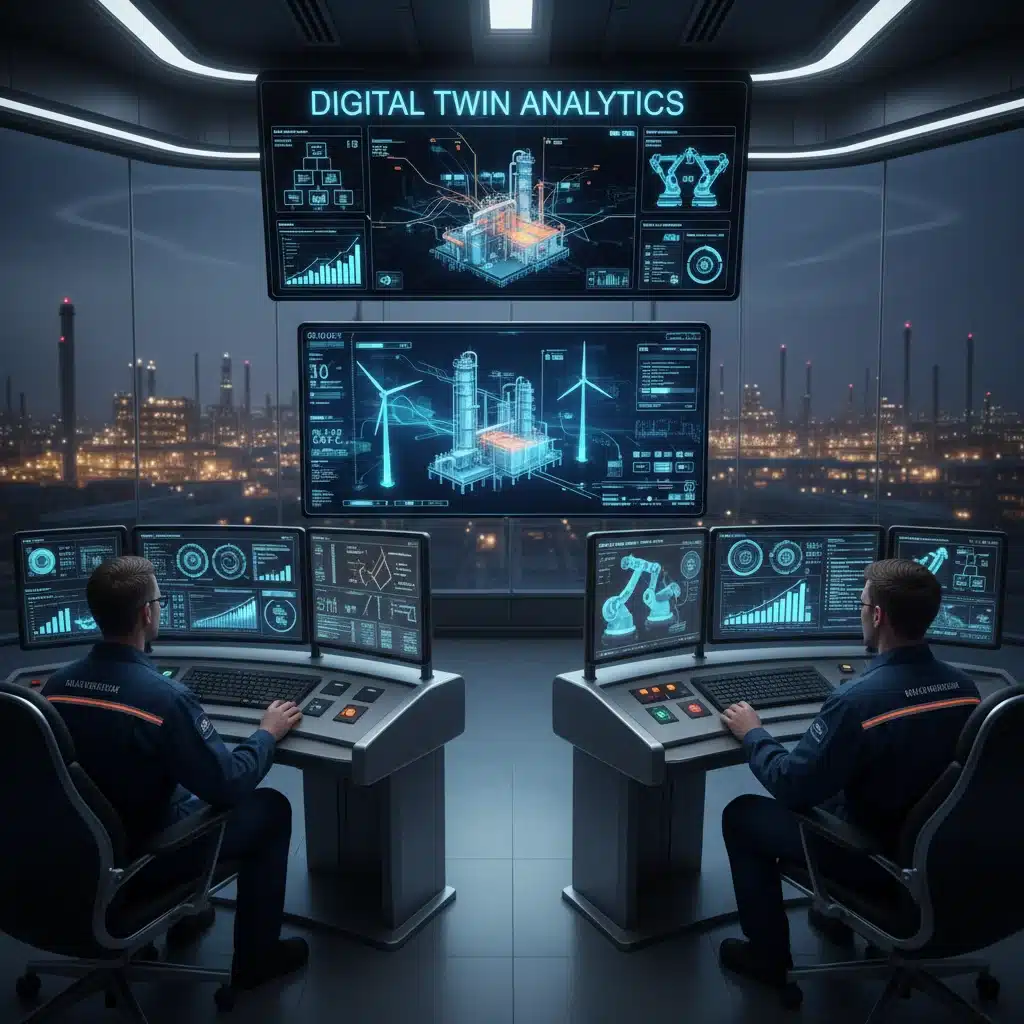
The Unparalleled Benefits of Embracing Digital Twins
The widespread adoption of digital twins in US industry by 2026 is driven by the significant, measurable benefits they offer. These advantages extend beyond mere technological advancement, directly impacting profitability, sustainability, and operational resilience.
Enhanced Predictive Capabilities
Perhaps the most compelling benefit is the ability to predict future outcomes with unprecedented accuracy. By analyzing real-time data and historical trends, digital twins can forecast:
- Equipment Failures: Moving from reactive to proactive maintenance, significantly reducing unplanned downtime and associated costs.
- Performance Degradation: Identifying when an asset’s efficiency is declining, allowing for timely intervention.
- Supply Chain Disruptions: Simulating potential bottlenecks or failures in the supply chain to build resilience.
- Market Demand: For certain products, digital twins can help predict demand fluctuations, optimizing production schedules.
This predictive power translates directly into cost savings, improved safety, and increased operational continuity.
Optimized Operations and Efficiency
Digital twins provide a sandbox for experimentation without real-world risks. Companies can simulate various scenarios, test different parameters, and identify the most efficient operational strategies. This leads to:
- Reduced Waste: Optimizing resource consumption, from energy to raw materials, minimizing environmental impact and operational costs.
- Increased Throughput: Streamlining processes and eliminating bottlenecks to maximize production capacity.
- Improved Quality: Consistent monitoring and adjustment based on real-time data ensure higher product quality and fewer defects.
- Faster Time-to-Market: Accelerating design, prototyping, and testing phases, particularly in product development.
Cost Reduction
The financial implications of digital twin adoption are substantial. By preventing failures, optimizing processes, and extending asset lifespans, businesses can achieve significant cost reductions in areas such as:
- Maintenance Costs: Shifting from costly emergency repairs to planned, predictive maintenance.
- Energy Consumption: Identifying inefficiencies and optimizing energy usage across facilities.
- Inventory Management: Better forecasting and production planning reduce the need for excessive inventory.
- Warranty Claims: Improved product quality leads to fewer returns and warranty-related expenses.
Enhanced Safety and Risk Management
In industries with inherent risks, digital twins offer a crucial layer of safety. By simulating hazardous scenarios, monitoring critical equipment, and predicting potential failures, they can:
- Prevent Accidents: Early detection of anomalies can avert catastrophic equipment failures or operational incidents.
- Train Personnel: Virtual environments allow for realistic training on complex machinery or emergency procedures without putting staff at risk.
- Assess Environmental Impact: Simulating the environmental footprint of operations and identifying areas for improvement.
Innovation and Competitive Advantage
For US industries, adopting digital twins isn’t just about catching up; it’s about leading. Companies that effectively implement this technology will gain a significant competitive edge by:
- Accelerating Product Development: Rapid prototyping and testing in a virtual environment.
- Fostering Continuous Improvement: Data-driven insights enable ongoing optimization and innovation.
- Attracting Talent: Operating at the cutting edge of technology appeals to top engineering and data science professionals.
The cumulative effect of these benefits positions digital twins as a cornerstone of industrial excellence in the coming years.
Challenges and Considerations for Adoption
While the promise of digital twins is immense, their widespread adoption in US industry is not without challenges. Addressing these considerations will be crucial for successful implementation by 2026.
Data Management and Integration
Digital twins thrive on data, meaning companies must grapple with collecting, storing, processing, and integrating vast amounts of data from disparate sources. This requires robust IT infrastructure, data governance strategies, and interoperability standards.
Cybersecurity Concerns
Connecting physical assets to digital replicas creates new attack vectors. Protecting sensitive operational data and ensuring the integrity of the digital twin system from cyber threats is paramount. Strong cybersecurity protocols and continuous monitoring are essential.
Initial Investment and ROI Justification
Implementing digital twin technology often requires a significant upfront investment in sensors, software, infrastructure, and skilled personnel. Businesses need to clearly articulate the return on investment (ROI) and demonstrate the long-term value to stakeholders.
Talent Gap and Skill Development
The successful deployment and management of digital twins require a workforce with specialized skills in areas like IoT, data science, AI/ML, cloud computing, and industrial engineering. Bridging this talent gap through training and recruitment will be vital.
Scalability and Complexity
While creating a digital twin for a single asset might be straightforward, scaling this to an entire factory or a complex supply chain introduces considerable complexity. Managing multiple interconnected digital twins and ensuring their accuracy and relevance will be an ongoing challenge.
Standardization
The lack of universal standards for digital twin development and integration can lead to fragmentation and hinder interoperability between different systems and vendors. Industry-wide collaboration on standards will be beneficial for broader adoption.
Despite these hurdles, the momentum behind digital twins is undeniable. Forward-thinking US industrial leaders are actively investing in overcoming these challenges, recognizing that the long-term benefits far outweigh the initial complexities.
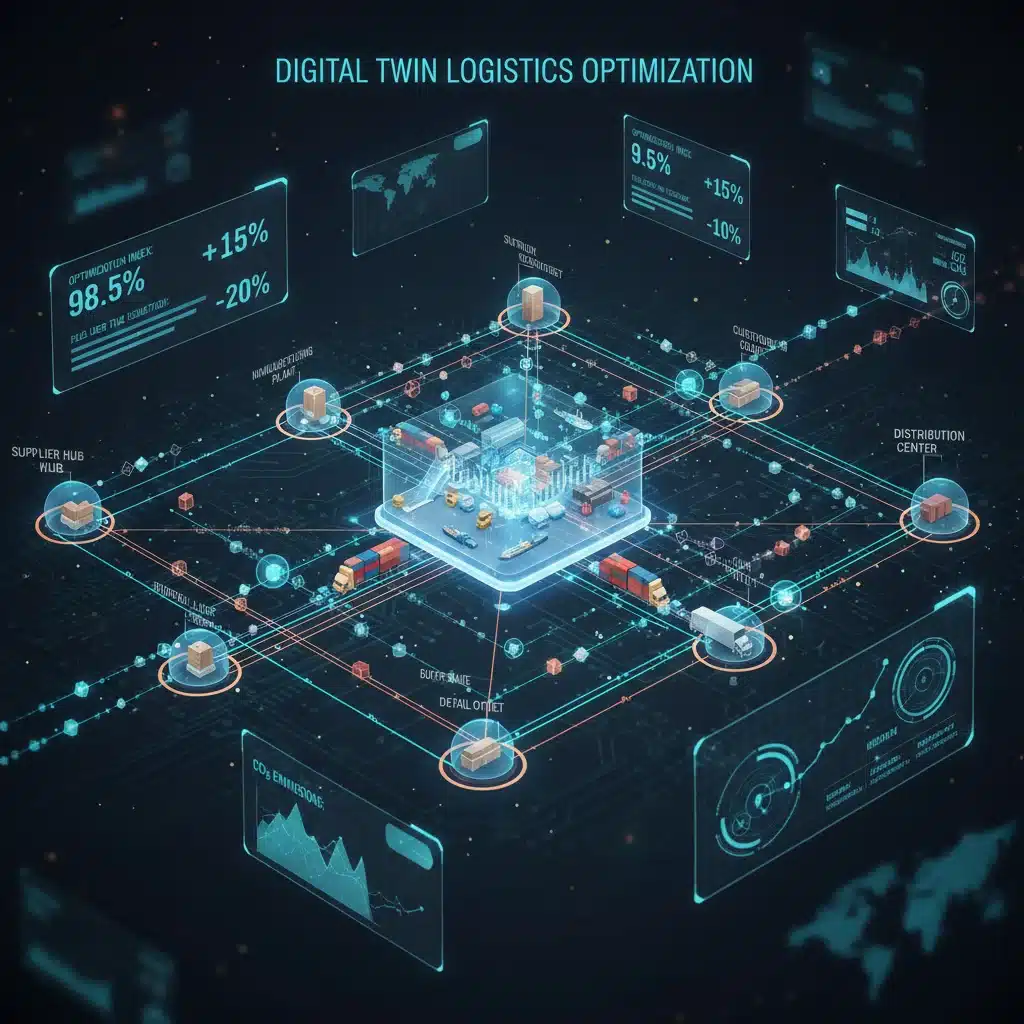
The Future Landscape: Digital Twins by 2026 and Beyond
As we approach 2026, the trajectory for digital twins in US industry is one of accelerated growth and deeper integration. We can expect several key trends to emerge and solidify:
Increased Interoperability and Ecosystems
The isolated digital twin will become a rarity. Instead, we will see interconnected ecosystems of digital twins, where models of individual machines communicate with those of production lines, factories, and even entire supply chains. This will enable holistic optimization and end-to-end visibility.
Greater Accessibility and Democratization
As the technology matures, the tools and platforms for creating and managing digital twins will become more user-friendly and accessible, moving beyond the exclusive domain of large enterprises. Smaller and medium-sized businesses will increasingly leverage digital twin capabilities.
Advanced AI and Machine Learning Integration
The role of AI and ML will become even more central. Digital twins will evolve to be more autonomous, capable of learning, adapting, and even initiating corrective actions based on predictive insights, further reducing human intervention in routine operations.
The Rise of the ‘Human Digital Twin’ (for specific applications)
While primarily focused on physical assets, the concept of a ‘human digital twin’ is gaining traction in niche areas like healthcare (patient monitoring, personalized treatment) and even workplace safety (simulating human interaction with hazardous environments). By 2026, these applications will see early, specialized deployments.
Sustainability as a Driving Force
With growing environmental concerns, digital twins will be instrumental in achieving sustainability goals. By optimizing resource consumption, reducing waste, and monitoring emissions, they will help US industries meet regulatory requirements and improve their environmental footprint.
Cyber-Physical Systems Integration
Digital twins are a critical component of cyber-physical systems (CPS), where the physical and digital worlds are seamlessly merged. This integration will lead to smarter, more autonomous industrial processes, paving the way for truly intelligent factories and infrastructure.
The journey towards a fully digitized and optimized US industrial sector is well underway, with digital twins serving as a pivotal technology. Their capacity to predict, simulate, and optimize offers a competitive edge that no industry can afford to ignore.
Conclusion
The prognostications for digital twins in US industrial operations by 2026 are not merely optimistic; they are grounded in the tangible benefits and rapid advancements observed today. From enhancing predictive maintenance and optimizing complex manufacturing processes to revolutionizing energy management and critical infrastructure, digital twins are proving to be an indispensable tool for efficiency, sustainability, and innovation.
While challenges related to data management, cybersecurity, and skill development persist, the strategic advantages offered by digital twins compel industries to invest in overcoming these hurdles. The future of US industry is undeniably intertwined with the intelligent capabilities of these virtual replicas, ushering in an era where foresight and precision become the cornerstones of operational excellence. As we move closer to 2026, the digital twin will not just be a technology; it will be the operational heartbeat of a smarter, more resilient, and highly optimized industrial landscape across the United States.