Bridging the Divide: 2026 Digital Communication Trends & US Family Dynamics
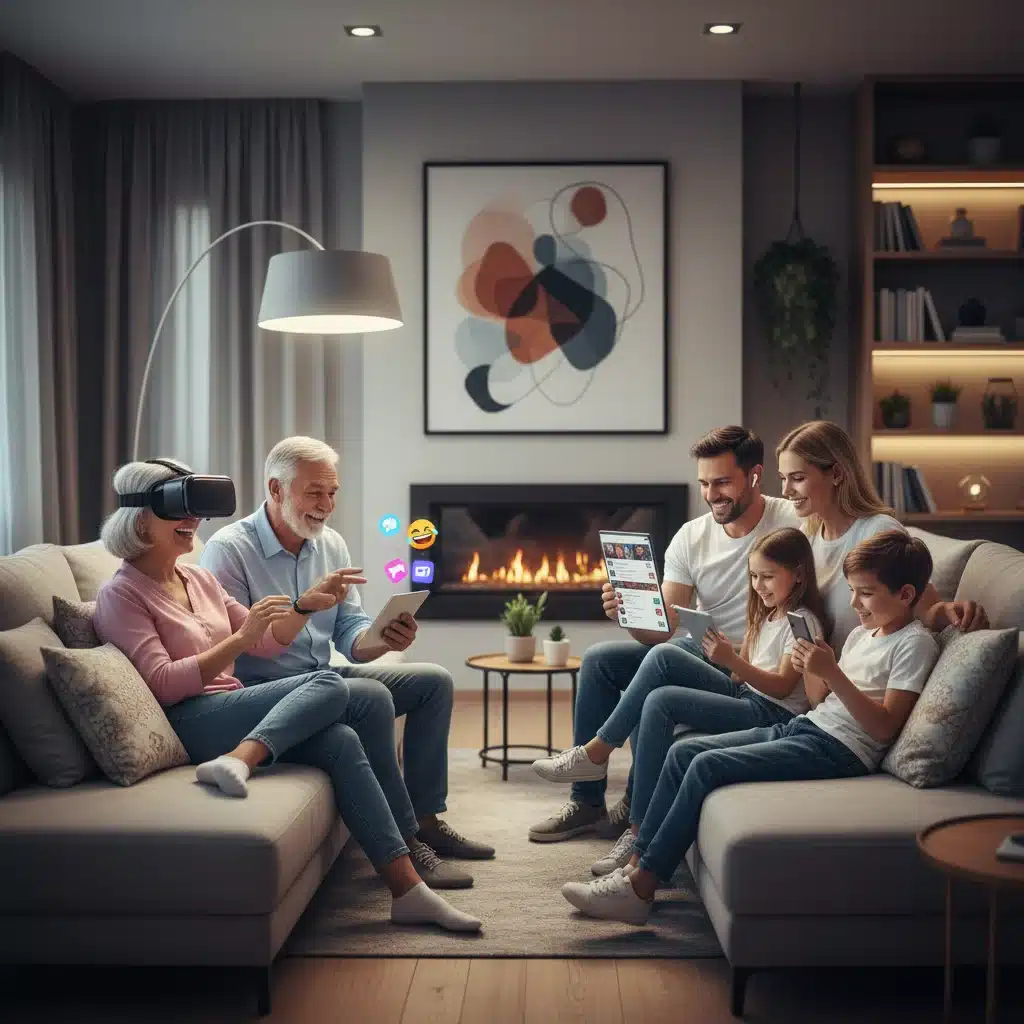
The year 2026 marks a fascinating inflection point in how families in the United States communicate. The rapid evolution of digital technologies has not only transformed our individual lives but has profoundly reshaped the very fabric of family interactions. The concept of family digital communication has moved beyond simple text messages and video calls, evolving into a complex tapestry of immersive experiences, AI-driven assistance, and ever-present connectivity. This blog post delves deep into the 2026 trends in digital communication and analyzes how they are impacting, and often challenging, traditional US family dynamics.
For decades, family communication has been a delicate balance of shared meals, phone calls, and holiday gatherings. While these foundational elements remain, the digital layer has added new dimensions, complexities, and opportunities. The generational divide, once primarily about differing values or life experiences, is now inextricably linked to digital fluency and preferred communication channels. Understanding these shifts is crucial for fostering stronger, more connected families in an increasingly digital world.
The Accelerating Pace of Digital Transformation in Family Life
The trajectory of digital communication has been steep. From the early days of email and instant messaging to the current era of ubiquitous smartphones and social media, each technological leap has altered how families interact. By 2026, we are seeing the maturation of several key technologies that are further embedding themselves into daily family routines. These aren’t just tools; they are becoming integral parts of the family ecosystem, influencing everything from how we share news to how we resolve conflicts.
AI-Powered Communication Assistants: A New Family Member?
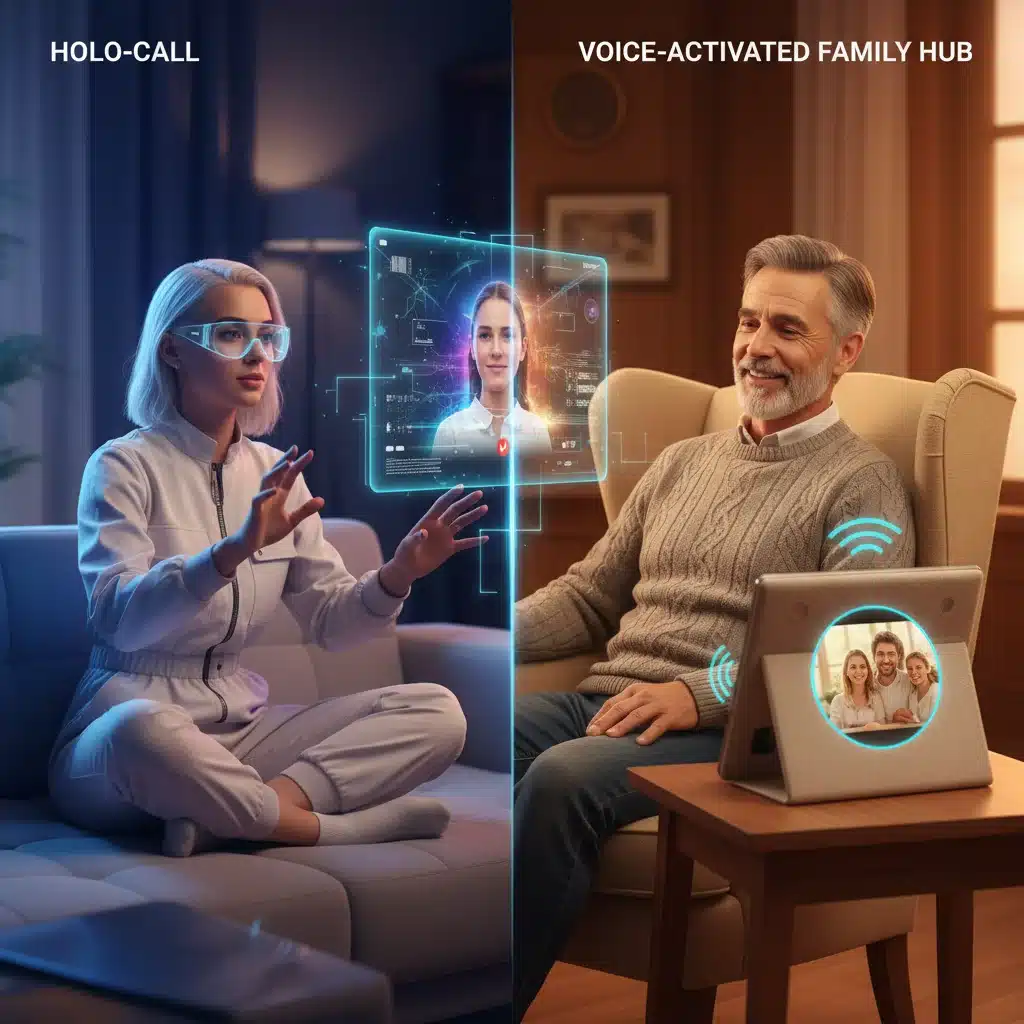
One of the most significant trends by 2026 is the widespread adoption of AI-powered communication assistants. These assistants, integrated into smart home devices, smartphones, and even wearable tech, are becoming more sophisticated. They can schedule family events, send automated reminders, facilitate group video calls across different time zones, and even translate conversations in real-time for multilingual families. For instance, a grandparent might use a voice command to send a personalized video message to a grandchild, which the AI then optimizes for delivery on the child’s preferred platform.
While incredibly convenient, the rise of these AI assistants also raises questions about the authenticity and spontaneity of family digital communication. Are we outsourcing emotional labor? Are these tools enhancing connection or simply streamlining logistics, potentially at the expense of genuine human interaction? The answers are nuanced and vary greatly depending on how families choose to integrate these technologies.
Immersive Communication: Beyond the Screen
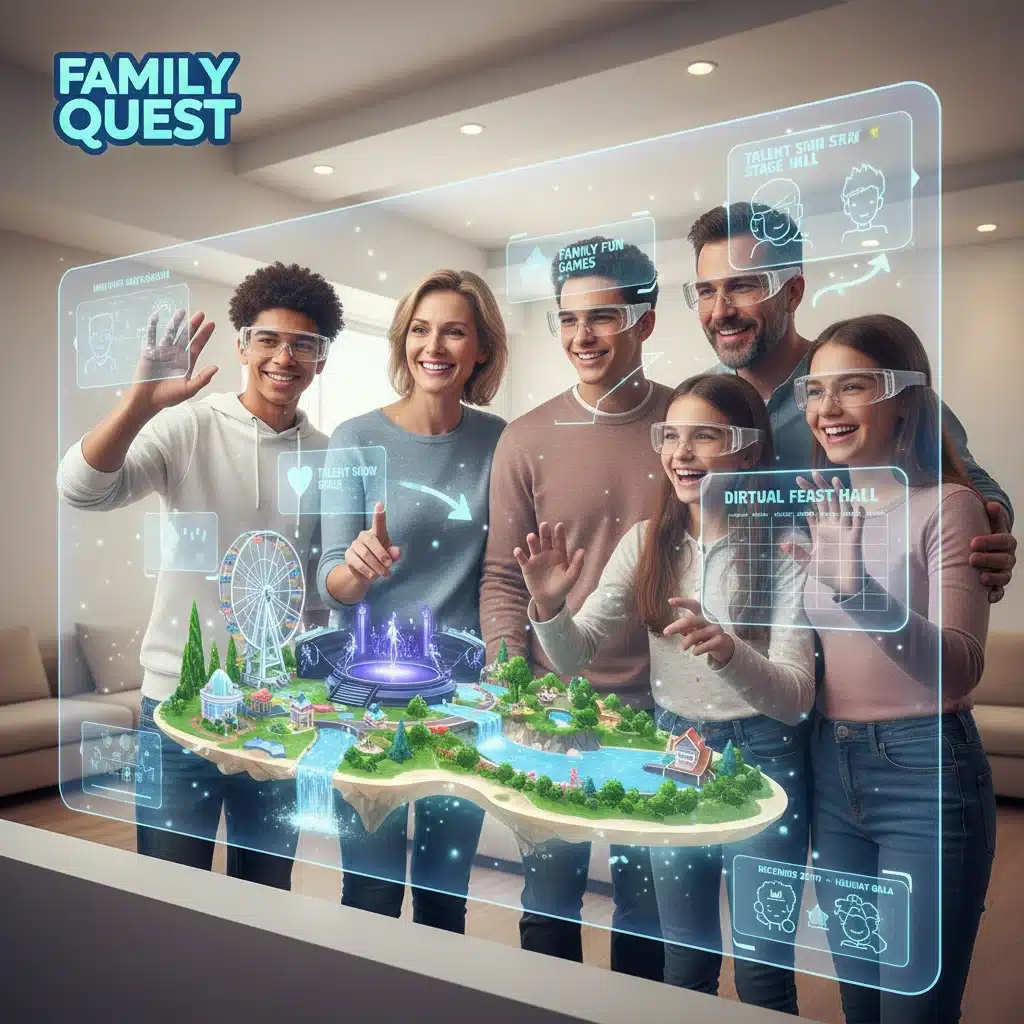
Virtual Reality (VR) and Augmented Reality (AR) are no longer niche technologies in 2026; they are becoming increasingly accessible and integrated into family life. Imagine a family living thousands of miles apart gathering for a ‘virtual dinner’ in a shared VR space, feeling as though they are in the same room. Or teenagers using AR filters not just for fun selfies, but to create shared interactive experiences with their younger siblings or grandparents, bridging playstyles and interests across generations.
These immersive technologies offer unprecedented opportunities for connection, especially for geographically dispersed families. However, they also present challenges. The cost of entry, while decreasing, can still be a barrier. More importantly, the line between the virtual and the real can blur, leading to concerns about screen time, digital addiction, and the potential for these experiences to replace, rather than supplement, in-person interactions. Finding a healthy balance is a key theme for family digital communication in this era.
Navigating the Generational Divide in Digital Communication
The generational chasm in digital communication preferences and proficiencies is perhaps the most defining characteristic of 2026 family dynamics. Each generation, from the Silent Generation to Gen Alpha, approaches digital tools with a unique set of expectations, habits, and comfort levels. This divide isn’t necessarily a barrier, but rather a landscape that requires thoughtful navigation.
Gen Z and Alpha: Digital Natives Redefining Connection
For Gen Z (born roughly 1997-2012) and Gen Alpha (born 2010-2024), digital communication is as natural as breathing. They are fluent in a myriad of platforms, from ephemeral messaging apps to collaborative gaming environments that double as social spaces. Their communication style is often visual, concise, and highly adaptive. They expect instant responses and are comfortable with a multi-modal approach, seamlessly switching between text, video, voice notes, and interactive content.
For these generations, family digital communication isn’t just about sharing information; it’s about co-presence, shared experiences, and digital intimacy. They might prefer a quick meme exchange or a co-op gaming session as a form of bonding over a lengthy phone call. Parents and grandparents often struggle to keep up with the rapid evolution of these platforms and the nuanced social codes that govern them.
Millennials: The Digital Bridge Builders
Millennials (born 1981-1996) often find themselves as the ‘digital bridge builders’ within families. Having grown up with the internet but before its full ubiquity, they are adept at using both traditional and emerging digital communication tools. They are comfortable with text, email, video calls, and social media, and often serve as interpreters between older and younger generations.
As parents, Millennials are grappling with how to raise digital natives while maintaining their own communication habits and managing the digital footprint of their children. They are often the ones introducing grandparents to new apps or helping teenagers understand the permanence of online content. Their role in facilitating effective family digital communication is pivotal.
Gen X and Baby Boomers: Adapting to the New Frontier
Gen X (born 1965-1980) and Baby Boomers (born 1946-1964) represent the generations that have had to adapt most significantly to the digital revolution. While many are now proficient users of smartphones, social media, and video calls, their communication preferences often lean towards more traditional methods. They may prefer a phone call to a text, or a detailed email to an emoji-laden message.
For these generations, family digital communication can sometimes feel overwhelming or impersonal. They value depth and nuance, which can be challenging to convey in fast-paced digital exchanges. The key for families is patience and understanding, with younger generations offering support and guidance, and older generations expressing their preferred communication styles clearly.
The Impact on US Family Dynamics: Challenges and Opportunities
The trends in 2026 digital communication are not merely changing how families talk; they are fundamentally altering the dynamics of family relationships. This brings both significant challenges and unparalleled opportunities for connection.
Challenges: The Digital Strain
- Information Overload and Digital Fatigue: With constant notifications and multiple platforms, families can experience information overload. The pressure to be always available can lead to digital fatigue and burnout, paradoxically making people less inclined to communicate.
- Miscommunication and Misinterpretation: The nuances of tone, body language, and context are often lost in digital exchanges. This can lead to misunderstandings, especially across generations with different digital communication norms. A sarcastic text from a teenager might be taken literally by a grandparent, causing unintended offense.
- Privacy Concerns and Digital Footprint: Sharing family moments online can be joyful, but it also raises significant privacy concerns. Parents grapple with how much to share about their children, while teenagers navigate the complexities of their own digital footprint. The potential for data breaches and misuse of personal information is a constant worry.
- Screen Time and Disengagement: Excessive screen time remains a major concern, potentially leading to family members being physically present but digitally absent. The allure of individual digital worlds can sometimes overshadow the desire for collective family time.
- The Digital Divide: Despite advancements, not all families have equal access to the latest technologies or reliable internet. This digital divide can exacerbate existing inequalities and create communication barriers for those without the necessary resources.
Opportunities: Building Stronger Bonds
- Enhanced Connectivity Across Distances: For families spread across states or even countries, digital communication is a lifeline. High-quality video calls, shared photo albums, and virtual reality experiences allow for a degree of connection that was unimaginable just a few decades ago.
- Shared Experiences and Interests: Digital platforms provide new avenues for shared family experiences. From multiplayer online games that grandparents play with grandchildren to collaborative virtual travel experiences, technology can create common ground and foster new traditions.
- Increased Accessibility and Inclusion: For family members with disabilities or those who are homebound, digital communication offers invaluable access to social interaction and family events. AI-powered tools can also assist those with communication challenges, such as hearing impairments or language barriers.
- Documentation and Preservation of Family History: Digital platforms allow families to easily document and share their lives. Shared cloud albums, family blogs, and digital scrapbooks become living archives of family history, accessible to all generations.
- Flexibility and Spontaneity: The ability to send a quick text, photo, or video message means that families can connect spontaneously throughout the day, sharing small moments that might otherwise go uncommunicated. This constant, light-touch connection can strengthen bonds over time.
Strategies for Effective Family Digital Communication in 2026
Navigating the complex landscape of 2026 family digital communication requires intentional effort and adaptable strategies. Here are some approaches families can adopt to maximize the benefits and mitigate the challenges:
1. Establish Clear Communication Norms and Expectations
Open dialogue about communication preferences is paramount. Families should discuss:
- Preferred Platforms: Which apps or tools does each family member prefer for different types of communication (e.g., text for quick updates, video calls for longer conversations, shared albums for photos)?
- Response Times: Set realistic expectations for response times. Not everyone can or wants to be instantly available.
- Boundaries: Discuss ‘digital-free’ times or zones (e.g., no phones at the dinner table, specific hours for family group chats).
- Content Sharing: Agree on what kind of content is appropriate to share in family groups and publicly online, especially concerning children.
2. Embrace Multi-Modal Communication
Recognize that different situations and different family members may call for different communication methods. A quick text might suffice for a logistical update, but a video call is better for sharing important news or providing emotional support. Encourage a flexible approach to family digital communication.
3. Foster Digital Empathy and Patience
Younger generations should be patient and understanding with older family members who may be less tech-savvy, offering help and guidance without judgment. Conversely, older generations can express their needs and preferences clearly, and try to appreciate the communication styles of the younger members. Digital literacy is a two-way street.
4. Prioritize In-Person Interactions
While digital tools are powerful, they should ideally complement, not replace, face-to-face interactions. Make a conscious effort to schedule regular in-person family gatherings, even if they are less frequent due to distance. These moments are crucial for building deeper connections that digital communication can then sustain between visits.
5. Engage in Shared Digital Experiences
Instead of merely observing each other’s digital lives, actively participate in shared digital activities. This could be playing a video game together, watching a movie simultaneously while video chatting, collaborating on a digital family tree, or exploring a virtual museum. These shared experiences can bridge generational gaps and create new bonding opportunities.
6. Educate on Digital Citizenship and Safety
Continuous education on online safety, privacy settings, and responsible digital citizenship is vital for all family members, especially children and teenagers. Discuss issues like cyberbullying, misinformation, and the permanence of online content. Empowering families with knowledge helps them navigate the digital world more securely and confidently.
7. Leverage AI for Connection, Not Replacement
When using AI-powered communication assistants, focus on how they can enhance human connection rather than diminish it. Use them to streamline logistics, remind you of important family dates, or facilitate communication with family members who have busy schedules. The goal is to free up time and mental energy for more meaningful interactions, not to automate the interactions themselves.
8. Create Digital ‘Third Spaces’ for Family
Just as families used to gather in physical ‘third spaces’ (like a park or a community center), consider creating digital equivalents. This could be a private family social network, a shared digital journal, or a dedicated family gaming server. These spaces can foster a sense of belonging and provide a comfortable environment for ongoing interaction.
The Future of Family Digital Communication: Beyond 2026
Looking beyond 2026, the evolution of family digital communication shows no signs of slowing. We can anticipate even more sophisticated AI, increasingly realistic immersive experiences, and perhaps even brain-computer interfaces that allow for thought-based communication (though this is likely further down the line). The core challenge will remain the same: how to harness these powerful technologies to strengthen human bonds rather than dilute them.
The emphasis will continue to be on balance – balancing digital presence with physical presence, convenience with authenticity, and individual digital worlds with collective family experiences. Families that can adapt, communicate openly about their digital habits, and intentionally integrate technology into their lives in a meaningful way will be the ones that thrive in this ever-evolving landscape.
Conclusion
The year 2026 presents a dynamic and complex picture of family digital communication in the US. From the pervasive influence of AI assistants to the burgeoning reality of immersive experiences, technology is undeniably reshaping how families connect. The generational divide, while posing challenges, also highlights the diverse ways different age groups engage with the digital world.
By understanding these trends, acknowledging the unique communication styles of each generation, and implementing thoughtful strategies, US families can navigate the digital age successfully. The goal is not to resist technology, but to embrace it wisely, ensuring that our digital tools serve to amplify love, understanding, and connection, rather than create distance. The future of family bonds depends on our ability to communicate effectively, both on and offline, in a world that is increasingly interconnected.