Future of US Festivities: Adapting Holiday Traditions for 2026
The Evolution of US Festivities: 4 Ways Holiday Traditions Are Adapting to Modern Lifestyles in 2026 (Practical Solutions)
The festive season has always been a cornerstone of American culture, a time for reflection, connection, and celebration. Yet, as society progresses, so too do our customs. The year 2026 finds us at a fascinating crossroads, where deeply cherished holiday traditions are not disappearing, but rather undergoing a significant metamorphosis. This isn’t just about minor adjustments; it’s about a fundamental shift in how we approach and experience our most beloved celebrations. The driving forces behind this evolution are multifaceted, ranging from rapid technological advancements and a heightened awareness of sustainability to an ever-growing emphasis on inclusivity and the changing dynamics of family structures. Understanding these shifts and, more importantly, proactively adapting to them, is key to ensuring that our holiday experiences remain meaningful, joyous, and relevant for generations to come. This article will explore four critical ways holiday traditions adapting to modern lifestyles in 2026, offering practical solutions for embracing these changes and fostering even richer, more vibrant festivities.
Gone are the days when holiday celebrations were rigidly defined and universally practiced. Today, the modern American family is a tapestry of diverse backgrounds, beliefs, and preferences. Economic pressures, geographical distances, and a globalized world have all played a role in reshaping how we gather, what we prioritize, and even what we consider traditional. From the widespread adoption of smart home technology to the increasing popularity of plant-based diets, contemporary life is influencing every aspect of our celebrations. The challenge, and indeed the opportunity, lies in finding innovative ways to honor the spirit of the holidays while simultaneously integrating these new realities. This isn’t about abandoning the past, but rather about building upon it, creating new traditions that resonate with our current values and circumstances. Let’s delve into the specific areas where we see significant shifts and how we can navigate them effectively, ensuring our holiday traditions continue to bring joy and unity.
1. Embracing Digital Connectivity for Extended Family & Friends
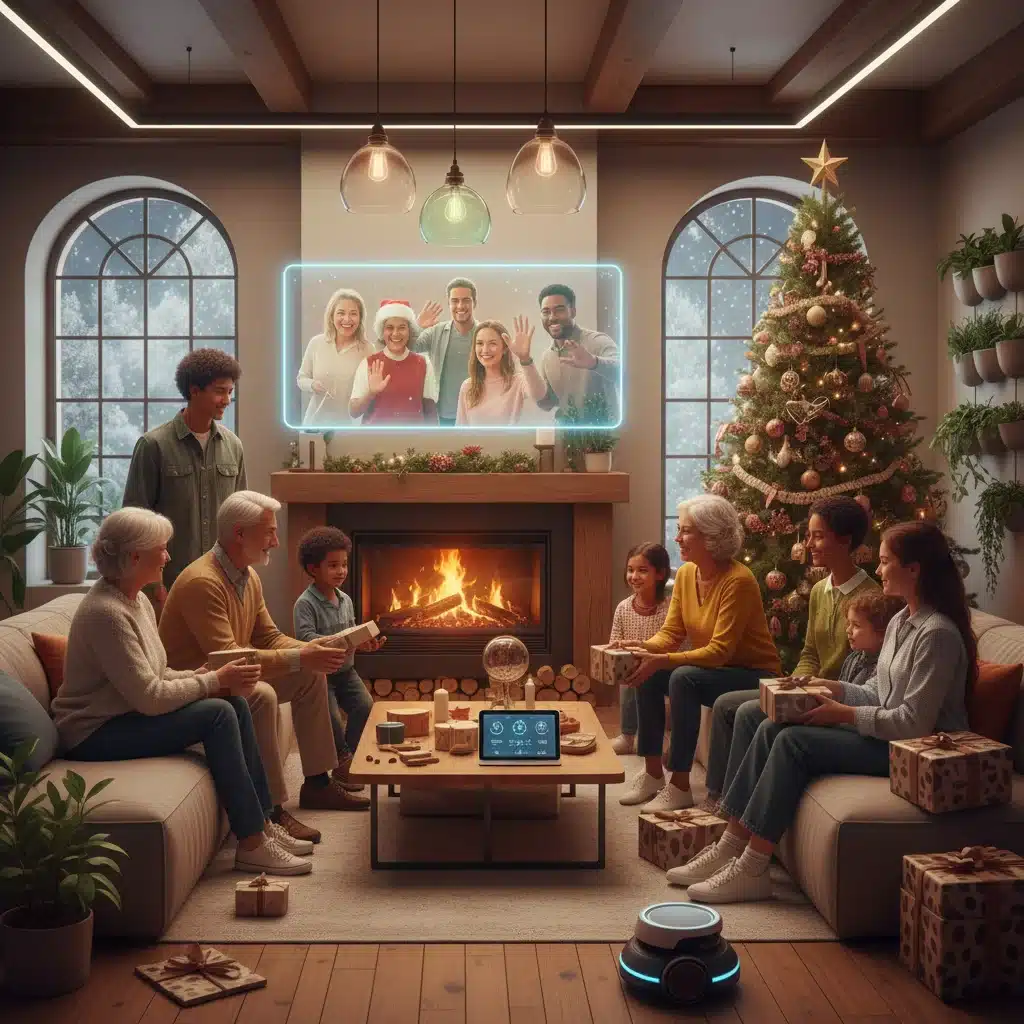
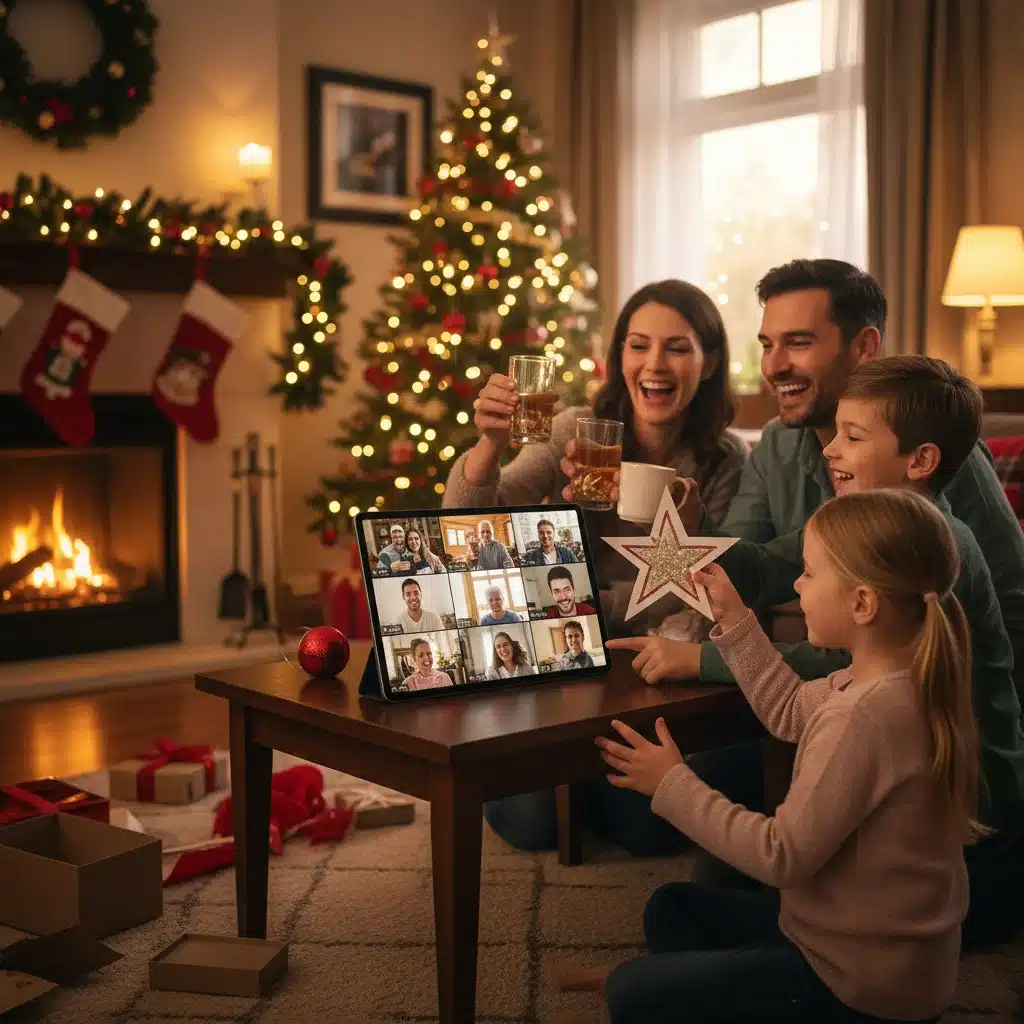
One of the most profound ways holiday traditions adapting in 2026 is through the integration of digital technology to bridge geographical gaps. While in-person gatherings remain ideal, the reality of dispersed families, busy schedules, and even international living makes it challenging for everyone to be together physically. The pandemic accelerated the adoption of virtual tools, but by 2026, these are no longer just last-resort alternatives; they are integral components of many holiday celebrations. This isn’t merely about a quick video call; it’s about creating immersive, interactive digital experiences that foster genuine connection and shared joy, making digital connectivity a core aspect of how holiday traditions adapting.
Practical Solutions for Digital Connectivity:
- Synchronized Virtual Gatherings: Move beyond simple video calls to more structured virtual events. Schedule a specific time for a family talent show, a virtual cooking session where everyone prepares the same dish simultaneously, or even a digital scavenger hunt. Platforms with integrated games, shared whiteboards, and breakout rooms can enhance engagement.
- Interactive Digital Storytelling: Create a shared digital photo album or video montage that everyone can contribute to throughout the year, culminating in a festive virtual viewing party. Encourage family members to record short video messages sharing holiday memories or hopes for the coming year.
- Hybrid Celebrations: For families with some members present and others remote, invest in high-quality audio-visual equipment. Position cameras strategically to give remote participants a good view of the activities, and ensure dedicated individuals facilitate interaction with those online. This ensures everyone feels like an active part of the celebration, even if not physically present.
- Personalized Digital Greetings: Instead of generic e-cards, encourage creating personalized video messages or animated greetings that can be shared across family networks. These personal touches can make a significant difference in fostering connection.
- Virtual Gift Exchanges: Utilize online platforms for secret Santa or gift exchanges, where participants can list preferences and gifts are shipped directly. Consider adding a virtual unwrapping session to share the excitement.
The goal is to make virtual participation feel as close to being there as possible, transforming what might have been a passive experience into an active, shared one. This approach allows holiday traditions adapting to the modern reality of global families, ensuring that distance doesn’t diminish the warmth of the season.
2. Prioritizing Sustainability and Eco-Conscious Celebrations
As environmental awareness continues to grow, sustainability is no longer a niche concern but a mainstream priority influencing consumer choices and lifestyle practices. By 2026, this consciousness has deeply permeated holiday celebrations, transforming how we decorate, gift, and even dine. The pressure to reduce waste, minimize carbon footprints, and make ethical choices is driving significant changes in how holiday traditions adapting. This shift reflects a collective desire to celebrate responsibly, ensuring that our festivities don’t come at the expense of the planet.
Practical Solutions for Sustainable Celebrations:
- Thoughtful Gifting: Move away from excessive consumerism. Prioritize experiences over material possessions (e.g., concert tickets, cooking classes, weekend getaways). Opt for ethically sourced, durable, or handmade gifts. Encourage homemade gifts, regifting, or charitable donations in someone’s name. Consider a ‘one gift’ rule or a ‘no new gifts’ challenge within families.
- Eco-Friendly Decorations: Ditch single-use plastic decorations. Embrace natural elements like pinecones, dried oranges, and fresh greenery. Invest in durable, reusable decorations that can be cherished for years. Consider LED lights for energy efficiency. Organize a decoration swap within your community to refresh your decor without new purchases.
- Sustainable Feasting: Plan meals to minimize food waste. Prioritize locally sourced, seasonal ingredients. Explore plant-based options or reduce meat consumption. Compost food scraps where possible. Use reusable tableware instead of disposables. Encourage guests to bring their own reusable containers for leftovers.
- Reducing Waste: Be mindful of packaging. Opt for gifts with minimal or recyclable packaging. Use reusable fabric gift bags, scarves, or recycled paper for wrapping. Set up recycling stations during gatherings to make it easy for guests to sort waste.
- Energy-Efficient Practices: Be conscious of energy consumption. Unplug lights and electronics when not in use. Use smart plugs to automate holiday lighting schedules. Lower thermostats when guests are active, and consider carpooling for gatherings to reduce transportation emissions.
These practices not only reduce environmental impact but can also lead to more meaningful and creative celebrations. By integrating sustainability, we ensure our holiday traditions adapting to a greener future, fostering a sense of responsibility and connection to the environment.
3. Redefining Family & Inclusive Gatherings
The traditional nuclear family model is just one of many forms family takes in 2026. Blended families, chosen families, single-parent households, and multi-generational living arrangements are increasingly common. This diversity necessitates a reevaluation of holiday gatherings to ensure they are inclusive, welcoming, and reflective of everyone’s unique circumstances. The focus has shifted from rigid adherence to ‘the way things have always been done’ to creating flexible, adaptable celebrations that honor all relationships and backgrounds. This is a crucial aspect of how holiday traditions adapting to modern societal structures.
Practical Solutions for Inclusive Gatherings:
- Flexible Scheduling: Acknowledge that not everyone can celebrate on specific dates. Offer multiple smaller gatherings or schedule celebrations on weekends surrounding the actual holiday. This flexibility accommodates varied work schedules, co-parenting arrangements, and travel needs.
- Diverse Dietary Options: Cater to a range of dietary preferences and restrictions (vegetarian, vegan, gluten-free, allergies). Label dishes clearly and ensure there are appealing options for everyone. Potluck-style meals can be a great way to incorporate diverse culinary traditions.
- Celebrating Chosen Family: Recognize that ‘family’ extends beyond blood relatives. Actively invite friends, neighbors, and chosen family members who may not have other plans or who enrich your life. Create an environment where everyone feels valued and belongs.
- Incorporating Diverse Cultural Traditions: If your gathering includes people from different cultural backgrounds, consider incorporating elements from their holiday traditions. This could be a specific dish, a piece of music, or a storytelling session, enriching the overall experience and broadening everyone’s understanding of how holiday traditions adapting globally.
- Shared Responsibilities: Distribute tasks and responsibilities among guests. This reduces the burden on any single host and allows everyone to feel invested in the celebration. It also acknowledges that not everyone has the time or resources to host a large event.
- Creating Accessible Environments: Consider the physical accessibility of your gathering space for guests with mobility challenges. Ensure there are quiet spaces for those who might get overstimulated, and provide activities suitable for various age groups and interests.
By consciously creating inclusive environments, we strengthen bonds and ensure that the joy of the holidays is accessible to everyone. This evolution ensures that holiday traditions adapting to reflect the beautiful diversity of modern society.
4. Personalized Experiences Over Standardized Rituals
The era of one-size-fits-all holiday celebrations is fading. In 2026, there’s a strong trend towards personalizing experiences, crafting celebrations that genuinely reflect individual and family values, interests, and personalities. This means moving away from feeling obligated to perform certain rituals simply because ‘that’s what we always do’ and instead, intentionally choosing activities and traditions that bring authentic joy and meaning. This shift towards personalization is a key indicator of how holiday traditions adapting to the contemporary emphasis on individuality and bespoke experiences.
Practical Solutions for Personalized Experiences:
- Co-Creation of Traditions: Involve all family members, especially younger generations, in deciding which traditions to keep, modify, or create anew. Hold a family meeting to discuss what aspects of the holidays are most meaningful to everyone and brainstorm new ideas. This fosters a sense of ownership and excitement.
- Theme-Based Celebrations: Instead of focusing solely on a specific holiday, consider creating a themed celebration that aligns with family interests. For example, a ‘Winter Wonderland’ theme could incorporate elements of various winter holidays, or a ‘Giving Back’ theme could center around volunteering and charitable acts.
- Experiences as the Core: Prioritize shared experiences over material gifts or elaborate meals. This could involve a family trip, a joint class (e.g., pottery, baking), a community volunteering day, or simply dedicated time for a favorite family activity like board games or movie marathons.
- Mindful Consumption & Presence: Encourage a focus on being present and enjoying the company of loved ones rather than getting caught up in the commercial aspects. Implement ‘no phone zones’ during meals or specific activities to foster deeper connection. Practice gratitude and mindfulness together.
- Annual Reflection & Goal Setting: Integrate a tradition of reflection and forward-looking discussions. This could involve writing down achievements and challenges from the past year and setting intentions or goals for the next. This adds a layer of personal growth and shared vision to the festivities.
- Rotating Hosting Duties: If feasible, rotate hosting responsibilities among different family units. This allows each household to infuse their unique style and preferences into the celebration, leading to varied and fresh experiences year after year.
By embracing personalization, our holiday traditions adapting to become more authentic and resonant, creating memories that are truly cherished because they are tailor-made for those celebrating.
The Enduring Spirit of Holiday Traditions Adapting
The evolution of US festivities in 2026 is not a sign of decline, but rather a testament to the enduring human need for connection, celebration, and meaning. As our world changes, so too must our customs, ensuring they remain relevant and enriching. The four areas discussed – digital connectivity, sustainability, inclusivity, and personalization – represent significant pathways through which holiday traditions adapting to modern lifestyles. These aren’t just trends; they are reflections of deeper societal values and practical responses to contemporary challenges.
Embracing these changes doesn’t mean abandoning the past. Instead, it involves a thoughtful integration of new practices with cherished old ones. It’s about finding creative ways to honor the spirit of the holidays – joy, generosity, gratitude, and togetherness – while simultaneously making them more accessible, responsible, and personally meaningful. Whether it’s a virtual toast with family across continents, a plant-based feast with locally sourced ingredients, a gathering that celebrates chosen family, or a new tradition born from a family brainstorming session, the holidays of 2026 are vibrant, dynamic, and deeply personal.
The key takeaway is flexibility and intentionality. By being open to new ideas, communicating openly with loved ones, and prioritizing what truly brings joy and connection, we can ensure that our holiday traditions continue to thrive and evolve. The beauty of these adaptations lies in their ability to make our celebrations more resilient, more reflective of our diverse society, and ultimately, more profound. So, as you plan your next festive season, consider how you can incorporate these modern approaches, allowing your holiday traditions adapting to create even more cherished memories for years to come.
Looking Ahead: The Future of Festivities
The trajectory of how holiday traditions adapting suggests an exciting future. We can anticipate further innovations in augmented reality (AR) and virtual reality (VR) making virtual gatherings even more immersive. Imagine a shared VR space where family members from around the world can ‘sit’ together around a virtual fireplace, exchange digital gifts, and interact with holographic projections of each other. This level of immersion could redefine digital connectivity, making it an even more powerful tool for maintaining family bonds despite geographical distances.
Furthermore, the focus on hyper-personalization is likely to intensify. AI-driven tools might help individuals and families curate bespoke holiday experiences based on their preferences, values, and even mood. This could range from personalized festive playlists and recipe recommendations to AI-assisted planning for sustainable activities that align with local environmental initiatives. The goal will be to reduce the stress often associated with holiday planning, allowing more time for genuine connection and enjoyment.
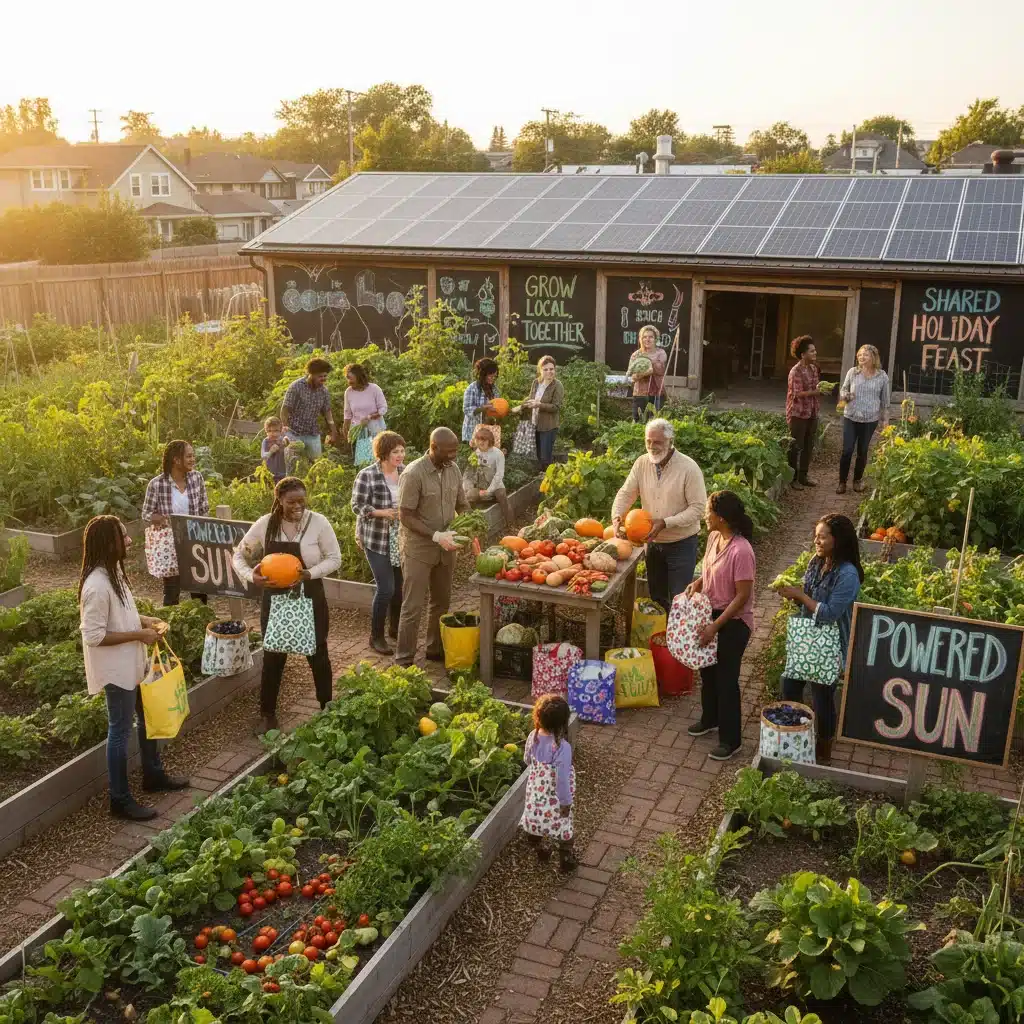
The emphasis on community and shared experiences will also grow. Beyond individual family units, we might see a resurgence of community-wide celebrations that blend diverse cultural practices and promote local economies. Think of neighborhood-organized sustainability challenges, shared meal preparation events using community garden produce, or interfaith holiday celebrations that foster understanding and unity. These communal efforts will reinforce the idea that holidays are not just about individual families but about the collective well-being of society.
Finally, the intersection of health and holidays will become even more prominent. Wellness-focused holiday traditions, such as communal walks, mindful meditation sessions, or healthy cooking workshops, could become more common. The idea of ‘gifting’ health and well-being, both to oneself and to others, aligns perfectly with the evolving values of a society increasingly prioritizing holistic wellness. The way holiday traditions adapting is a continuous process, reflecting the ever-changing tapestry of human experience.
In essence, the future of US festivities points towards celebrations that are more conscious, connected, and customized. They will be less about rigid adherence to historical norms and more about creating meaningful moments that resonate with contemporary values. The adaptability of these traditions is their strength, ensuring that the spirit of the holidays remains vibrant and relevant, continuing to bring joy, comfort, and connection to all.