Mastering Post-Purchase Behavior: Drive Repeat Business in 2026
Mastering Post-Purchase Behavior: Drive Repeat Business in 2026
In the dynamic landscape of modern commerce, the transaction itself is merely the beginning of a customer’s journey with your brand. The period immediately following a purchase, known as post-purchase behavior, is arguably the most critical phase for fostering long-term customer relationships and securing repeat business. In an increasingly competitive market, where customer acquisition costs continue to soar, understanding and optimizing this phase is not just beneficial, it’s essential for sustainable growth in 2026 and beyond.
Think about it: a customer has just shown trust in your brand by exchanging their hard-earned money for your product or service. This initial act of faith opens a golden window of opportunity to convert a one-time buyer into a loyal advocate. Neglecting post-purchase behavior is akin to running a marathon and stopping just before the finish line; all the effort put into attracting and converting the customer goes to waste if they don’t return. This comprehensive guide will delve into five key factors driving repeat business through effective management of post-purchase behavior, offering actionable strategies to ensure your brand thrives in the coming years.
The Shifting Paradigm of Customer Loyalty: Why Post-Purchase Behavior Matters More Than Ever
The traditional marketing funnel often emphasized acquisition above all else. However, with the rise of digital commerce, social media, and instant gratification, customer expectations have evolved. Today’s consumers are not just looking for products; they’re seeking experiences, value, and a sense of connection with the brands they choose. This shift has placed an unprecedented emphasis on post-purchase behavior as the bedrock of true customer loyalty.
In 2026, brands that prioritize the entire customer lifecycle, especially the moments after a sale, will be the ones that win. Why? Because satisfied customers become repeat customers, and repeat customers are often the most profitable. They require less marketing spend, are more likely to try new offerings, and critically, they become brand advocates, spreading positive word-of-mouth – a marketing asset more powerful than any paid advertisement.
Ignoring post-purchase behavior can lead to high churn rates, negative reviews, and a tarnished brand reputation. Conversely, mastering this phase can create a virtuous cycle of customer satisfaction, loyalty, and organic growth. Let’s explore the five pivotal factors that will define success in optimizing post-purchase behavior for repeat business in 2026.
Factor 1: Exceptional Onboarding and Product Utilization Support
The moment a customer receives their product or gains access to a service, their journey truly begins. The initial experience with the product and the support they receive in utilizing it effectively profoundly impacts their perception of its value and their overall satisfaction. This is where exceptional onboarding and product utilization support become paramount in shaping positive post-purchase behavior.
For physical products, this might involve clear, easy-to-understand instructions, intuitive packaging, and accessible assembly guides (digital or physical). For software or service-based businesses, it means a streamlined onboarding process, interactive tutorials, and readily available customer success resources. The goal is to minimize friction and frustration, allowing the customer to quickly and successfully integrate the purchase into their life or workflow.
Strategies for Superior Onboarding:
- Personalized Welcome Flows: Don’t just send a generic ‘thank you.’ Tailor welcome emails or messages based on the specific product purchased, offering relevant tips, resources, and next steps.
- Comprehensive Knowledge Bases: Create easily searchable FAQs, troubleshooting guides, and video tutorials that empower customers to find answers independently.
- Proactive Communication: Anticipate common questions or challenges and address them before the customer even has to ask. This could be through automated emails or in-app messages.
- Dedicated Customer Success Teams: For higher-value products or services, assign a dedicated customer success manager to guide users through the initial stages and ensure they achieve their desired outcomes.
- Feedback Loops: Implement mechanisms to gather feedback on the onboarding process itself. Are there pain points? What could be clearer? Use this information for continuous improvement.
When customers feel supported and empowered to get the most out of their purchase, their satisfaction skyrockets, laying a strong foundation for positive post-purchase behavior and increasing the likelihood of future purchases. A customer who struggles to use a product, no matter how good it is, is unlikely to buy from you again.
Factor 2: Proactive and Personalized Communication
Once the initial excitement of a new purchase fades, maintaining engagement through thoughtful and personalized communication is crucial. Generic, one-size-fits-all messages can feel intrusive or irrelevant, but well-timed, personalized communication can reinforce the customer’s decision and deepen their connection with your brand. This is a powerful driver of positive post-purchase behavior.
Effective communication extends beyond transactional emails. It involves understanding the customer’s journey, anticipating their needs, and providing value at every touchpoint. Leveraging data to segment your audience and tailor messages based on their purchase history, preferences, and engagement levels is key.
Tactics for Personalized Communication:
- Order and Shipping Updates: Beyond the basics, offer detailed tracking, estimated delivery times, and proactive notifications about any delays. Transparency builds trust.
- Post-Purchase Check-ins: A few days or weeks after purchase, send a friendly email asking how they’re enjoying the product. Offer tips for optimal use or suggest complementary items.
- Exclusive Content and Offers: Provide access to exclusive content (e.g., how-to guides, advanced tips) or special discounts on related products. This makes customers feel valued.
- Birthday and Anniversary Messages: Personalize communications for special occasions, reinforcing the relationship beyond just transactions.
- Solicit Feedback (and Act on It): Actively ask for product reviews, surveys, or suggestions. More importantly, demonstrate that you listen and act on their input.
The goal is to move from a transactional relationship to a relational one. By showing that you care about their experience even after the sale, you cultivate trust and loyalty, which are direct determinants of positive post-purchase behavior and repeat purchases. In 2026, customers expect brands to know them and engage with them on a personal level.
Factor 3: Seamless Customer Support and Issue Resolution
No matter how perfect your product or service, issues will occasionally arise. How a brand handles these moments can make or break a customer relationship, significantly influencing their future post-purchase behavior. Excellent customer support isn’t just about solving problems; it’s about turning potentially negative experiences into opportunities to build trust and demonstrate commitment.
In 2026, customers expect quick, efficient, and empathetic support across multiple channels. Long wait times, unhelpful agents, or convoluted resolution processes are surefire ways to alienate customers and prevent repeat business. Conversely, a smooth and positive support experience can transform a frustrated customer into a loyal advocate.
Pillars of Seamless Customer Support:
- Multi-Channel Availability: Offer support through preferred channels – live chat, email, phone, social media, and even self-service options.
- Swift Response Times: Prioritize rapid responses, especially for urgent inquiries. Set clear expectations for response times and meet them.
- Empathetic and Knowledgeable Agents: Train your support team not just on product knowledge but also on active listening, empathy, and problem-solving skills.
- Proactive Problem Solving: Identify potential issues before they escalate. For instance, if a product batch has a known defect, communicate proactively with affected customers.
- Easy Returns and Exchanges: While not ideal, a hassle-free return or exchange policy can salvage a customer relationship and encourage them to try another product.
- Closed-Loop Feedback: After resolving an issue, follow up to ensure satisfaction and learn from the experience to prevent similar problems in the future.
A brand that stands by its products and provides exceptional support when things go wrong earns immense goodwill. This positive experience directly impacts post-purchase behavior, reinforcing the customer’s decision to choose your brand again and again.
Factor 4: Cultivating Community and Brand Advocacy
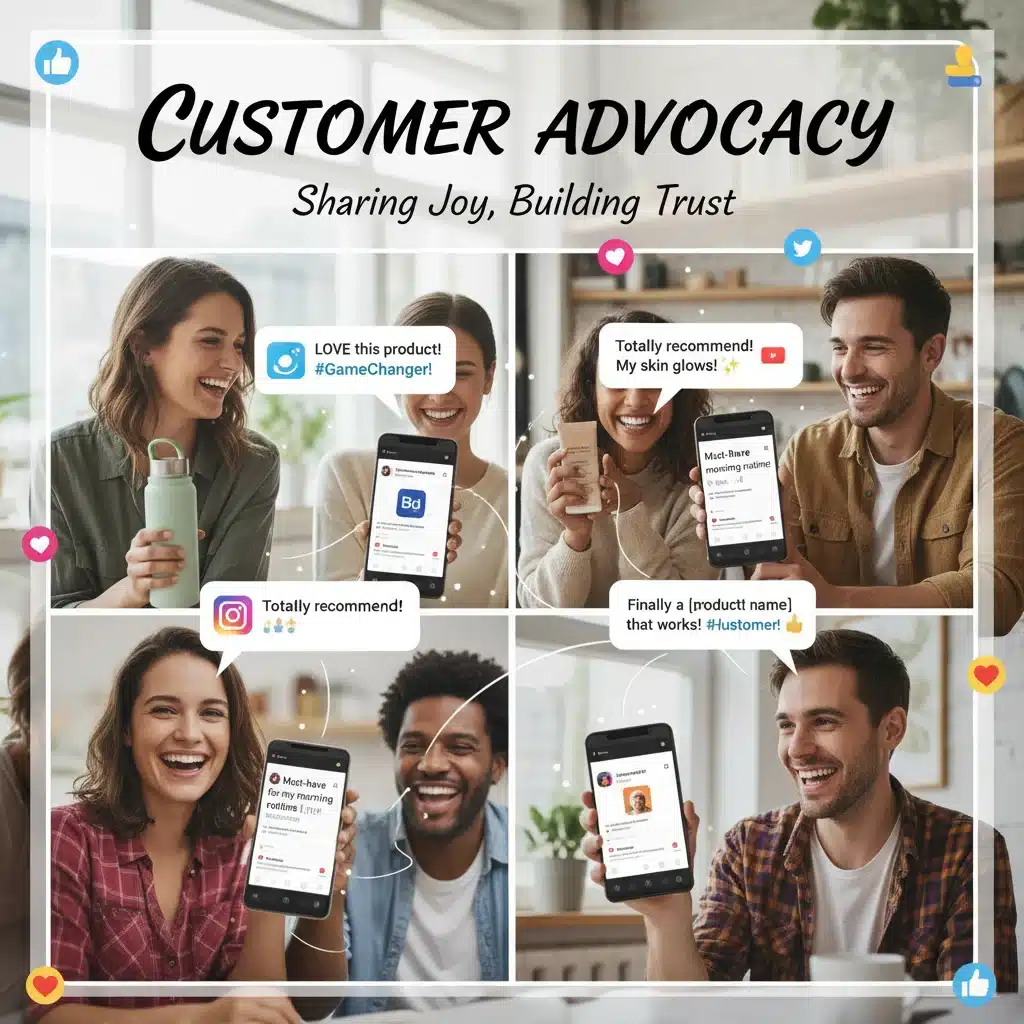
Beyond individual interactions, fostering a sense of community around your brand can be a powerful engine for repeat business. When customers feel like they belong to something larger than just a transaction, their loyalty deepens, and they become more likely to advocate for your brand. This collective positive post-purchase behavior can lead to exponential growth.
In 2026, social proof and peer recommendations carry immense weight. Creating platforms and opportunities for customers to connect with each other and with your brand can amplify positive experiences and generate organic buzz. This extends the influence of post-purchase behavior far beyond the individual customer.
Strategies for Community Building:
- Online Forums and Groups: Create dedicated spaces (e.g., Facebook groups, Reddit subreddits, brand forums) where customers can share tips, ask questions, and interact.
- User-Generated Content Campaigns: Encourage customers to share photos, videos, or reviews of your products using specific hashtags. Feature the best content on your official channels.
- Loyalty Programs with Experiential Rewards: Go beyond discounts. Offer exclusive access to new products, VIP events, or opportunities to co-create future offerings.
- Brand Ambassadors and Influencers: Identify loyal customers who are passionate about your brand and empower them to share their experiences authentically.
- Host Events and Workshops: Organize online or offline events that bring your community together, providing value and strengthening connections.
When customers become part of a community, their investment in your brand grows. They become not just buyers, but advocates who actively promote your products and services, driving new acquisitions and reinforcing the positive post-purchase behavior of existing customers. This organic amplification is invaluable.
Factor 5: Continuous Value Delivery and Innovation
To truly sustain repeat business, a brand cannot rest on its laurels. The market is constantly evolving, and customer needs and expectations shift. Therefore, continuous value delivery and a commitment to innovation are critical factors influencing long-term post-purchase behavior. Customers will return if they believe your brand continues to offer the best solutions and is always striving for improvement.
This factor transcends the initial product purchase; it’s about the ongoing relationship and the perceived future value a customer can expect from your brand. In 2026, companies that are stagnant will quickly be overtaken by those that are agile, responsive, and forward-thinking.
Approaches for Sustained Value and Innovation:
- Regular Product Updates and Enhancements: For software, this means new features and bug fixes. For physical products, it could be accessories, complementary items, or improved versions.
- Educational Content: Provide ongoing educational resources related to your products or industry, positioning your brand as a thought leader and a source of valuable information.
- Subscription Models: For suitable products, subscription services can provide recurring value and predictable revenue, fostering continuous engagement.
- Personalized Recommendations: Leverage data to offer highly relevant product recommendations based on past purchases, browsing history, and expressed preferences.
- Act on Feedback for Product Development: Use customer feedback from surveys, reviews, and support interactions to inform your product roadmap and innovation efforts.
- Monitor Market Trends: Stay ahead of the curve by understanding emerging technologies, competitor offerings, and shifting consumer demands to ensure your brand remains relevant.
By consistently delivering new value and demonstrating a commitment to innovation, you give customers compelling reasons to return. They know that investing in your brand means investing in a future where their needs will continue to be met and exceeded. This forward-looking approach to post-purchase behavior is what builds true brand champions.
Measuring Success in Post-Purchase Behavior
Understanding and implementing these five factors is only half the battle. To truly master post-purchase behavior, you must also be able to measure its impact. Key metrics to track include:
- Repeat Purchase Rate: The percentage of customers who make more than one purchase.
- Customer Lifetime Value (CLTV): The total revenue a business can reasonably expect from a single customer account throughout their relationship.
- Customer Churn Rate: The rate at which customers stop doing business with your company.
- Net Promoter Score (NPS): A measure of customer loyalty and willingness to recommend your brand to others.
- Customer Satisfaction Score (CSAT): A direct measure of how satisfied customers are with a specific interaction or overall experience.
- Product Adoption Rate: How quickly and effectively customers begin using your product.
- Support Ticket Volume and Resolution Time: Indicators of support efficiency and customer pain points.
Regularly analyzing these metrics will provide invaluable insights into the effectiveness of your post-purchase behavior strategies and highlight areas for improvement. Data-driven decisions are essential for optimizing the customer journey and maximizing repeat business.
The Future of Post-Purchase Behavior: AI and Hyper-Personalization
Looking ahead to 2026 and beyond, the role of artificial intelligence (AI) and hyper-personalization in shaping post-purchase behavior will become even more pronounced. AI-powered analytics can process vast amounts of customer data to predict future needs, recommend highly relevant products, and even anticipate potential issues before they arise. Chatbots and virtual assistants will offer instant, intelligent support, further streamlining the customer experience.
Hyper-personalization, driven by AI, will move beyond simple segmentation to deliver truly unique experiences for each customer. Imagine receiving a product update email that not only addresses you by name but also highlights features you haven’t fully utilized yet, based on your usage data, and offers tailored tips to get more value. This level of personalized engagement will redefine expectations for post-purchase behavior.
Brands that embrace these technological advancements will be best positioned to create deeply satisfying, long-lasting customer relationships that fuel repeat business and brand advocacy for years to come. The human touch, however, will remain irreplaceable. The synergy between advanced technology and genuine human connection will be the ultimate differentiator.
Conclusion: The Imperative of Post-Purchase Excellence
In conclusion, the journey of a customer doesn’t end at the point of sale; it merely transforms. Mastering post-purchase behavior is no longer an optional extra but a fundamental imperative for any business aiming for sustained success and repeat business in 2026. By focusing on exceptional onboarding, proactive and personalized communication, seamless customer support, community building, and continuous value delivery, brands can cultivate a loyal customer base that not only returns but also champions their products and services to others.
The investment in optimizing post-purchase behavior yields significant returns: reduced customer acquisition costs, increased customer lifetime value, and a powerful network of brand advocates. As the competitive landscape intensifies, those who truly understand and prioritize the customer experience after the purchase will be the ones that build enduring relationships and achieve remarkable growth. Start refining your post-purchase behavior strategies today, and watch your business flourish.