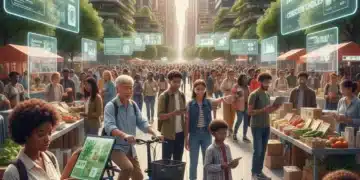
Social Commerce Trends 2026: Shaping US Consumer Behavior

The Evolving Role of Social Commerce: 5 Trends Shaping U.S. Consumer Behavior in Early 2026
The landscape of retail is in a constant state of flux, but few areas are evolving as rapidly as social commerce. What began as a nascent integration of social media and online shopping has blossomed into a formidable force, fundamentally reshaping how consumers discover, evaluate, and purchase products. As we stride into early 2026, the U.S. market, always at the forefront of digital innovation, is witnessing a profound transformation in consumer behavior driven by a confluence of technological advancements and changing social norms. Businesses that fail to recognize and adapt to these shifts risk being left behind in an increasingly competitive digital marketplace. Understanding these critical social commerce trends is not merely an advantage; it’s a necessity for survival and growth.
Social commerce isn’t just about selling on social platforms; it’s about creating an integrated, seamless, and engaging shopping experience that leverages the inherent social dynamics of these platforms. It blurs the lines between entertainment, communication, and transaction, making shopping a more interactive and personalized journey. From live-streamed product launches to AI-powered personalized recommendations, the ways in which brands connect with their audience are becoming more sophisticated and impactful. This article delves into the top 5 social commerce trends that are poised to dominate the U.S. consumer landscape in early 2026, offering insights into their mechanisms, impacts, and strategic implications for businesses.
1. The Ascendancy of Live Shopping and Shoppable Content
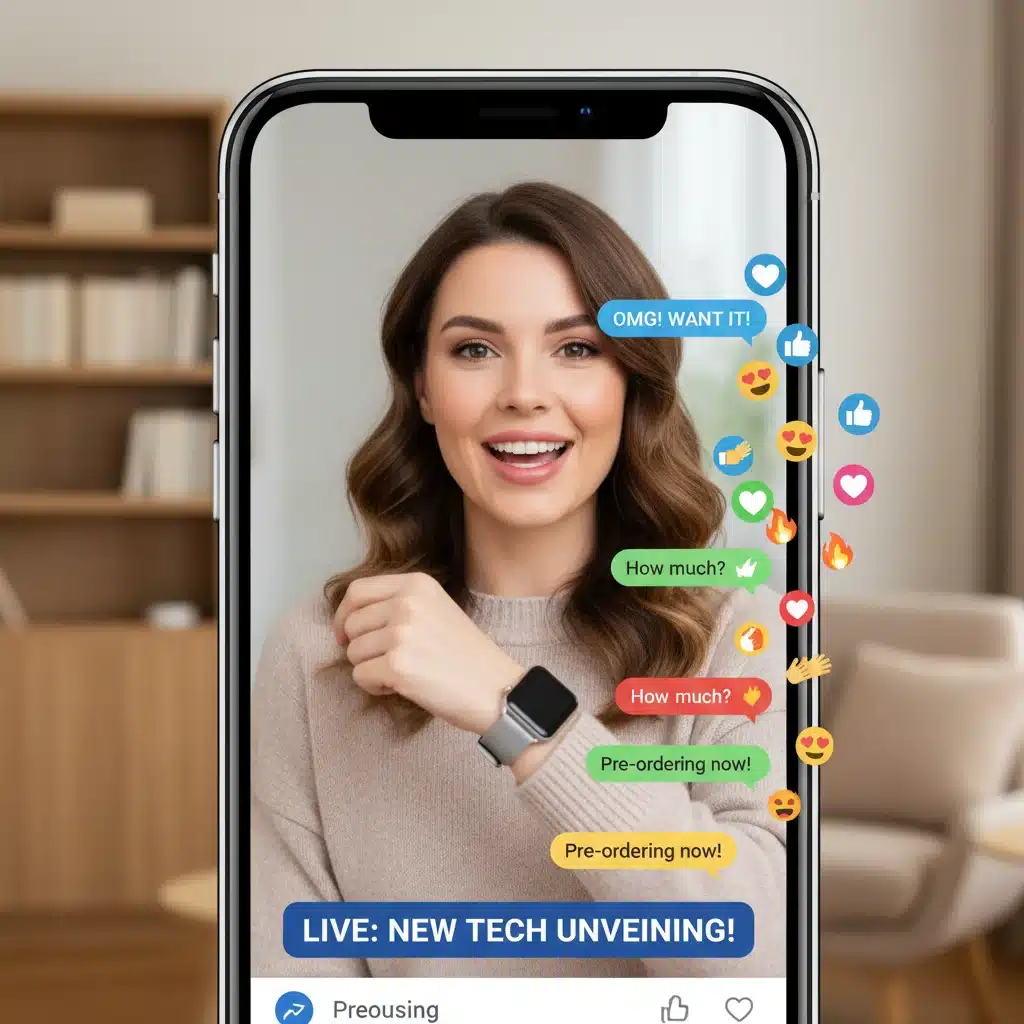
Live shopping, a phenomenon that gained significant traction during the pandemic, is far from a fleeting trend. In early 2026, it has cemented its position as a cornerstone of U.S. social commerce. Consumers are increasingly seeking authentic, real-time interactions with brands and influencers, and live shopping delivers precisely that. It combines the immediacy of television home shopping with the interactivity of social media, allowing viewers to ask questions, receive instant feedback, and make purchases without ever leaving the live stream.
The appeal of live shopping lies in its ability to foster a sense of community and urgency. Limited-time offers, exclusive product reveals, and direct engagement with hosts create an exciting, event-like atmosphere that encourages impulse purchases. Platforms like Instagram, TikTok, and Facebook have heavily invested in enhancing their live shopping capabilities, offering integrated checkout processes, product tagging, and interactive features like polls and Q&A sessions. This trend is further fueled by the rise of nano- and micro-influencers who host smaller, more intimate live sessions, building deep trust with their niche audiences.
For businesses, mastering live shopping means more than just broadcasting; it requires strategic planning, engaging hosts, and seamless logistical support. Brands are experimenting with different formats, from celebrity endorsements to behind-the-scenes factory tours, all designed to build transparency and connection. The data generated from live shopping sessions—such as viewer engagement, popular questions, and conversion rates—provides invaluable insights into consumer preferences, allowing for rapid iteration and optimization of marketing strategies. This dynamic environment makes live shopping one of the most compelling social commerce trends to watch and participate in.
2. Hyper-Personalization Driven by AI and Machine Learning
Personalization has long been a buzzword in e-commerce, but in early 2026, Artificial Intelligence (AI) and Machine Learning (ML) are taking it to an unprecedented level within social commerce. Gone are the days of generic product recommendations; consumers now expect highly tailored experiences that anticipate their needs and desires. AI algorithms are analyzing vast amounts of data—including browsing history, purchase patterns, social media interactions, demographic information, and even emotional responses to content—to create hyper-personalized shopping journeys.
This includes dynamic product feeds that adapt in real-time to a user’s scrolling behavior, personalized ads delivered through social platforms that feel less like advertising and more like helpful suggestions, and even AI-powered chatbots that offer personalized customer service and styling advice. The integration of AI extends to predicting future purchasing behavior, allowing brands to proactively offer relevant products or promotions before the consumer even realizes they need them. This predictive capability is a game-changer for inventory management and targeted marketing campaigns.
The ethical implications of data privacy and algorithmic transparency are also becoming more prominent conversations around this trend. Brands that can demonstrate responsible data usage and provide clear value through personalization will build stronger trust with their audience. As consumers become more comfortable with AI-driven interactions, the ability to deliver a truly 1:1 shopping experience through social channels will be a significant differentiator. This advanced personalization is a core pillar among the leading social commerce trends, promising higher conversion rates and enhanced customer loyalty.
3. The Rise of Augmented Reality (AR) Shopping Experiences
Augmented Reality (AR) is no longer a futuristic concept; it’s an integral part of the early 2026 social commerce experience, particularly in the U.S. market. AR allows consumers to virtually try on clothes, test makeup, place furniture in their homes, or visualize products in their real-world environment, all through their smartphone cameras. This technology significantly reduces uncertainty and friction in the online purchasing process, especially for items where tactile experience is traditionally crucial.
Social media platforms are embedding AR capabilities directly into their apps, making it easy for brands to create immersive shopping filters and experiences. Imagine trying on a new pair of virtual sneakers via an Instagram filter before making a purchase, or seeing how a new shade of lipstick looks on your face in real-time on TikTok. This interactive and playful approach to shopping transforms the consumer journey from a passive browsing activity into an active, engaging, and often entertaining experience.
The benefits for businesses are manifold: reduced return rates (as consumers have a clearer idea of the product before buying), increased engagement, and a higher likelihood of conversion. AR also provides a unique opportunity for brands to showcase their products in innovative and memorable ways, creating shareable content that naturally amplifies their reach. As AR technology becomes more sophisticated and accessible, its integration into social commerce will only deepen, making it an indispensable tool for brands aiming to captivate the modern consumer. This transformative power positions AR as a pivotal element of current social commerce trends.
4. Community-Driven Commerce and Social Proof Amplification
In an era of information overload, consumers increasingly rely on the opinions and experiences of their peers. Early 2026 sees community-driven commerce and the amplification of social proof as a dominant force in U.S. social commerce. This trend is about leveraging the power of user-generated content (UGC), peer reviews, and authentic community interactions to drive sales.
Brands are actively encouraging customers to share their product experiences on social media, whether through unboxing videos, outfit-of-the-day posts, or detailed reviews. These authentic endorsements are far more persuasive than traditional advertising. Social platforms are facilitating this by making it easier to tag products, create shoppable posts from UGC, and integrate review systems directly into the shopping experience. Group buying features, where discounts are unlocked as more people commit to a purchase, are also gaining traction, fostering a sense of collective action and shared benefit.
Beyond explicit reviews, the subtle cues of social proof—like seeing how many friends have purchased an item, or viewing popular products within a community—play a significant role in influencing purchasing decisions. Brands are building dedicated online communities around their products, where customers can share tips, ask questions, and celebrate their purchases. This not only builds loyalty but also generates a continuous stream of valuable content that serves as powerful social proof. Nurturing these communities and actively integrating UGC into the sales funnel is a key strategy for capitalizing on these social commerce trends.

5. Seamless Integration of Payments and Frictionless Checkout
The final, yet equally crucial, trend shaping U.S. social commerce in early 2026 is the relentless pursuit of seamless payment integration and frictionless checkout experiences. The moment a consumer decides to purchase, any obstacle in the checkout process can lead to abandonment. Social platforms and payment providers are collaborating to create embedded payment solutions that allow transactions to occur with minimal clicks, often without leaving the social app.
This includes features like one-click purchases, saved payment methods, and integration with popular digital wallets (e.g., Apple Pay, Google Pay, PayPal) directly within the social commerce interface. Buy Now, Pay Later (BNPL) options are also becoming standard offerings, providing consumers with greater financial flexibility and further reducing friction at the point of sale. The emphasis is on speed, security, and convenience, ensuring that the path from discovery to purchase is as smooth and intuitive as possible.
The psychological impact of a frictionless checkout cannot be overstated. It reduces cognitive load, minimizes opportunities for second-guessing, and aligns with the instant gratification culture prevalent in social media. For businesses, this means higher conversion rates, fewer abandoned carts, and ultimately, increased revenue. Investing in robust, secure, and integrated payment solutions is no longer an option but a requirement for any brand serious about succeeding in the social commerce space. This focus on efficiency and ease of transaction is a defining characteristic of modern social commerce trends.
Strategic Implications for Businesses in Early 2026
Navigating these dynamic social commerce trends requires a proactive and adaptive approach from businesses. Here are some key strategic implications:
- Invest in Creator Partnerships: Collaborate with influencers across various tiers (nano, micro, macro) for live shopping, product reviews, and authentic content creation. Authenticity trumps polished ads.
- Leverage AI for Insights and Personalization: Implement AI tools for analyzing customer data, predicting trends, and delivering highly personalized product recommendations and customer service.
- Embrace AR for Product Visualization: Integrate AR filters and virtual try-on features into your social commerce strategy to enhance product engagement and reduce returns.
- Foster and Engage Communities: Build dedicated brand communities on social platforms, encourage user-generated content, and actively respond to feedback to build loyalty and social proof.
- Optimize for Frictionless Transactions: Ensure your social commerce channels offer integrated, secure, and multi-option payment solutions for a seamless checkout experience.
- Omnichannel Integration: Social commerce should not operate in a silo. Integrate it seamlessly with your broader e-commerce strategy, physical stores, and customer service channels for a cohesive brand experience.
- Data-Driven Decision Making: Continuously monitor analytics from social commerce activities. Understand what content resonates, which products sell best through social channels, and optimize your strategy accordingly.
- Experiment with New Formats: The social media landscape is constantly evolving. Be open to experimenting with new features, platforms, and content formats as they emerge.
- Prioritize Mobile Experience: Given that the vast majority of social commerce occurs on mobile devices, ensure your content, product pages, and checkout processes are impeccably optimized for mobile.
- Build Trust and Transparency: In an increasingly digital and sometimes skeptical environment, transparency about product sourcing, business practices, and data usage can build significant consumer trust.
The Future is Social: Adapting to New Consumer Realities
The rapid evolution of social commerce is not just about new technologies; it’s about a fundamental shift in consumer expectations and behaviors. U.S. consumers in early 2026 are looking for more than just products; they seek engaging experiences, authentic connections, and personalized journeys that integrate seamlessly into their digital lives. The five social commerce trends outlined above—live shopping, hyper-personalization, AR experiences, community-driven commerce, and frictionless checkout—are not isolated phenomena but interconnected forces shaping this new retail paradigm.
For businesses, the challenge and opportunity lie in embracing these trends not as fleeting fads but as foundational elements of their future commercial strategy. Brands that can authentically engage, intelligently personalize, and seamlessly facilitate transactions within the social sphere will be the ones that capture the attention and loyalty of the modern consumer. The future of shopping is undeniably social, and those who adapt swiftly and strategically will reap the greatest rewards in this dynamic and exciting new era of commerce.
Staying ahead in this fast-paced environment means continuous learning, agile strategy development, and a willingness to innovate. The digital storefront is no longer a static website but a living, breathing, interactive social ecosystem. By understanding and proactively responding to these key social commerce trends, businesses can not only survive but thrive, building stronger connections with their audience and driving sustainable growth in the years to come.