AI-Driven Personalization: Boost E-commerce Engagement by 20% in 2026
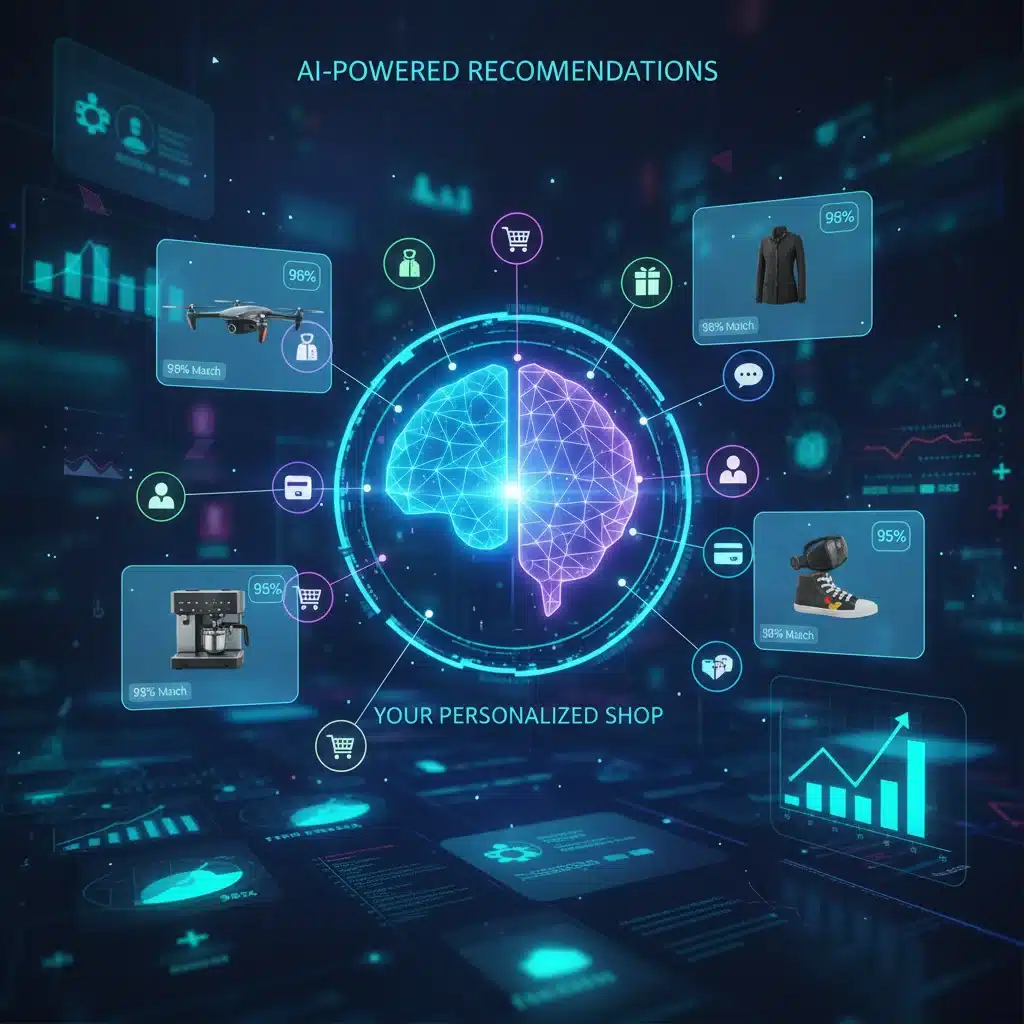
AI-Driven Personalization: Achieving a 20% Increase in Customer Engagement for E-commerce in 2026
The e-commerce landscape is an ever-evolving ecosystem, a vibrant marketplace where consumer expectations are perpetually on the rise. In this dynamic environment, standing out from the competition requires more than just competitive pricing or a broad product catalog. It demands a profound understanding of each customer, a foresight into their desires, and the ability to deliver experiences so tailored they feel uniquely crafted. This is where AI E-commerce Personalization steps into the spotlight, not as a futuristic concept, but as a present-day imperative. We are on the cusp of a significant transformation, where businesses leveraging AI for personalization are projected to achieve an astounding 20% increase in customer engagement by 2026.
This article will delve deep into the transformative power of AI in personalizing the e-commerce journey. We’ll explore the mechanisms, benefits, and strategic implementations necessary to harness this technology effectively. Our goal is to provide a comprehensive guide for e-commerce businesses aiming to not only meet but exceed customer expectations, fostering loyalty and driving substantial growth through intelligent, data-driven personalization.
The Imperative of Personalization in Modern E-commerce
In an age saturated with choices, generic shopping experiences are no longer sufficient. Consumers crave relevance. They expect brands to understand their preferences, anticipate their needs, and present them with products and content that resonate on a personal level. A recent study indicated that 80% of consumers are more likely to make a purchase from a brand that provides personalized experiences. Conversely, a lack of personalization can lead to frustration, abandonment, and ultimately, lost revenue.
Traditional personalization methods, often reliant on basic segmentation or rule-based systems, fall short in today’s complex digital environment. These methods struggle to keep pace with rapidly changing consumer behaviors, new product introductions, and the sheer volume of data generated daily. This is precisely where AI E-commerce Personalization offers a revolutionary solution, capable of processing vast datasets, identifying intricate patterns, and delivering hyper-personalized experiences at scale.
Understanding the Shift: From Mass Marketing to Micro-Moments
The paradigm has shifted from broadcasting a single message to a broad audience to engaging individuals in their unique ‘micro-moments’ – those critical instances when consumers turn to a device to act on a need. AI enables e-commerce platforms to identify these moments and deliver precisely what the customer is looking for, whether it’s a product recommendation, a relevant piece of content, or a timely offer. This real-time, context-aware interaction is the hallmark of advanced personalization.
How AI Fuels Hyper-Personalization: The Mechanics Behind the Magic
At its core, AI E-commerce Personalization leverages sophisticated algorithms and machine learning models to analyze vast quantities of customer data. This data includes browsing history, purchase patterns, search queries, demographic information, geographic location, social media interactions, and even real-time behavioral signals like time spent on a page or mouse movements. By processing this information, AI can construct a comprehensive, dynamic profile for each individual customer.
Key AI Technologies Driving Personalization:
- Machine Learning (ML): ML algorithms are the backbone, learning from data to identify patterns and make predictions. Supervised learning can predict future purchases based on past behavior, while unsupervised learning can discover hidden customer segments.
- Natural Language Processing (NLP): NLP allows AI to understand and process human language, crucial for analyzing customer reviews, feedback, and search queries to gauge sentiment and intent.
- Deep Learning (DL): A subset of ML, deep learning, particularly neural networks, excels at recognizing complex patterns in unstructured data, such as images and text, enabling more nuanced recommendations.
- Reinforcement Learning (RL): RL systems learn by trial and error, optimizing recommendations over time based on user responses, continuously improving their accuracy and relevance.
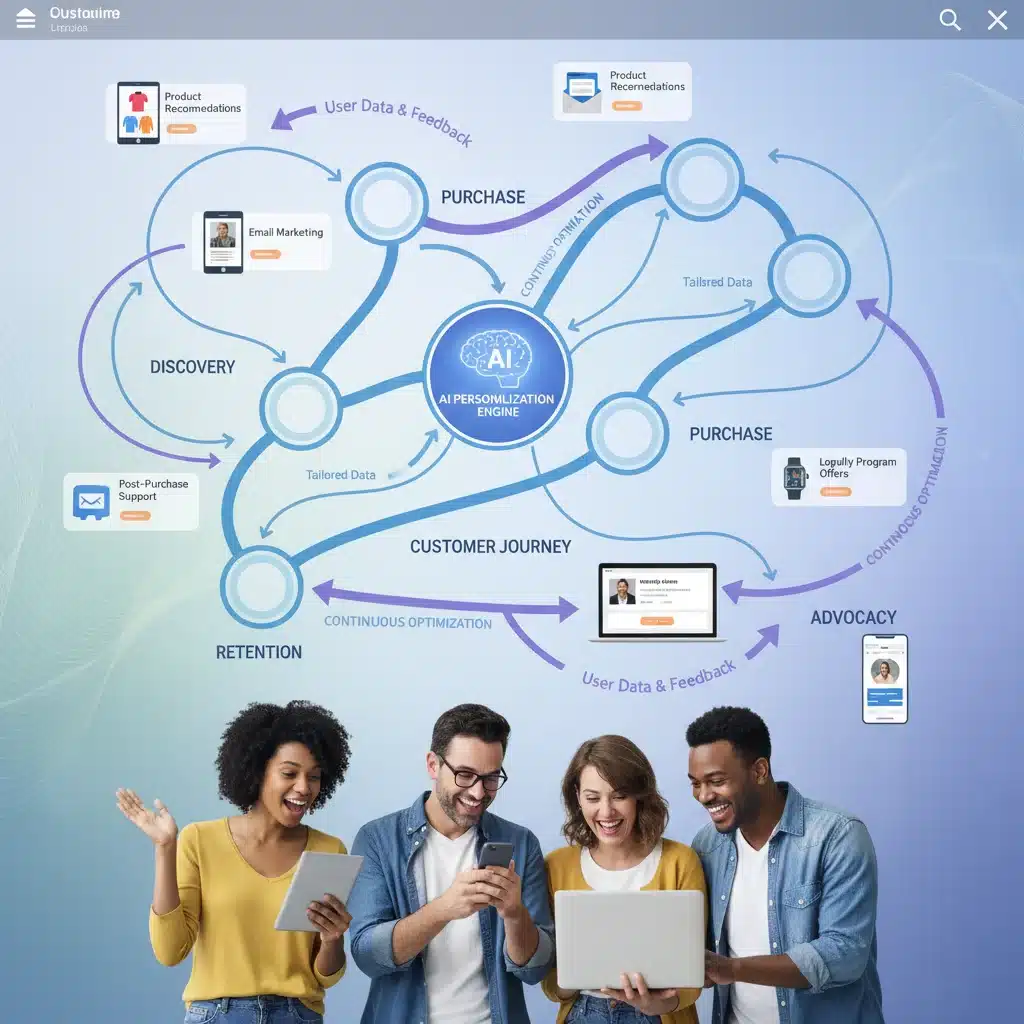
These technologies work in concert to create a feedback loop: customer interactions generate data, AI analyzes this data to refine its understanding, and then delivers even more precise personalized experiences. This continuous optimization is what sets AI apart from traditional methods.
Strategies for Implementing AI-Driven Personalization to Boost Engagement
Achieving a 20% increase in customer engagement by 2026 isn’t just a lofty goal; it’s an attainable reality with the right strategies. Here’s how e-commerce businesses can effectively deploy AI E-commerce Personalization:
1. Dynamic Product Recommendations
Beyond simple ‘customers who bought this also bought that,’ AI-powered recommendation engines analyze a multitude of factors to suggest products. This includes real-time browsing behavior, past purchases, items viewed but not purchased, similar customer profiles, and even external factors like trending products or seasonal demand. This leads to highly relevant suggestions on product pages, homepages, and during the checkout process, significantly increasing conversion rates and average order value.
2. Personalized Website Content and Layout
Imagine a website that literally reshapes itself for each visitor. AI can dynamically alter homepage banners, promotional offers, category displays, and even the overall layout based on individual preferences. A first-time visitor might see popular items, while a returning customer who frequently buys electronics might see the latest gadgets prominently featured. This creates a highly intuitive and engaging browsing experience.
3. AI-Powered Email Marketing and Push Notifications
Generic email blasts are a relic of the past. AI can personalize email content, subject lines, send times, and even the frequency of communications. Abandoned cart reminders become more effective when they suggest complementary products. Promotional emails can highlight items a customer is likely to purchase, rather than general sales. Push notifications can be triggered based on real-time location or browsing behavior, offering timely and relevant incentives.
4. Intelligent Search and Navigation
AI enhances on-site search capabilities by understanding natural language queries, correcting typos, and providing predictive search results. It can also personalize search results based on past user behavior, ensuring that the most relevant products appear at the top. This significantly reduces friction in the customer journey, making it easier for users to find what they need.
5. Personalized Pricing and Promotions
While ethically sensitive, AI can optimize pricing and promotional offers for individual customers or segments. This doesn’t necessarily mean charging different prices for the same item, but rather offering personalized discounts, bundles, or loyalty rewards that resonate most with each customer’s value perception and purchase history. This can drive conversions for price-sensitive customers without devaluing products for others.
6. AI-Driven Customer Service and Support
Chatbots and virtual assistants powered by AI can provide instant, personalized support 24/7. They can answer common questions, guide customers through their purchase journey, troubleshoot issues, and even offer product recommendations based on the conversation context. This not only improves customer satisfaction but also frees up human agents to handle more complex inquiries.
7. Predictive Analytics for Proactive Engagement
AI can predict future customer behavior, such as the likelihood of churn, the next probable purchase, or the optimal time to re-engage. This allows businesses to proactively reach out with targeted campaigns, loyalty incentives, or personalized content to prevent churn and foster long-term relationships. For example, if AI predicts a customer might be looking for a replacement for a product they bought a year ago, it can trigger a timely reminder or offer.
Measuring the Impact: KPIs for AI-Driven Personalization
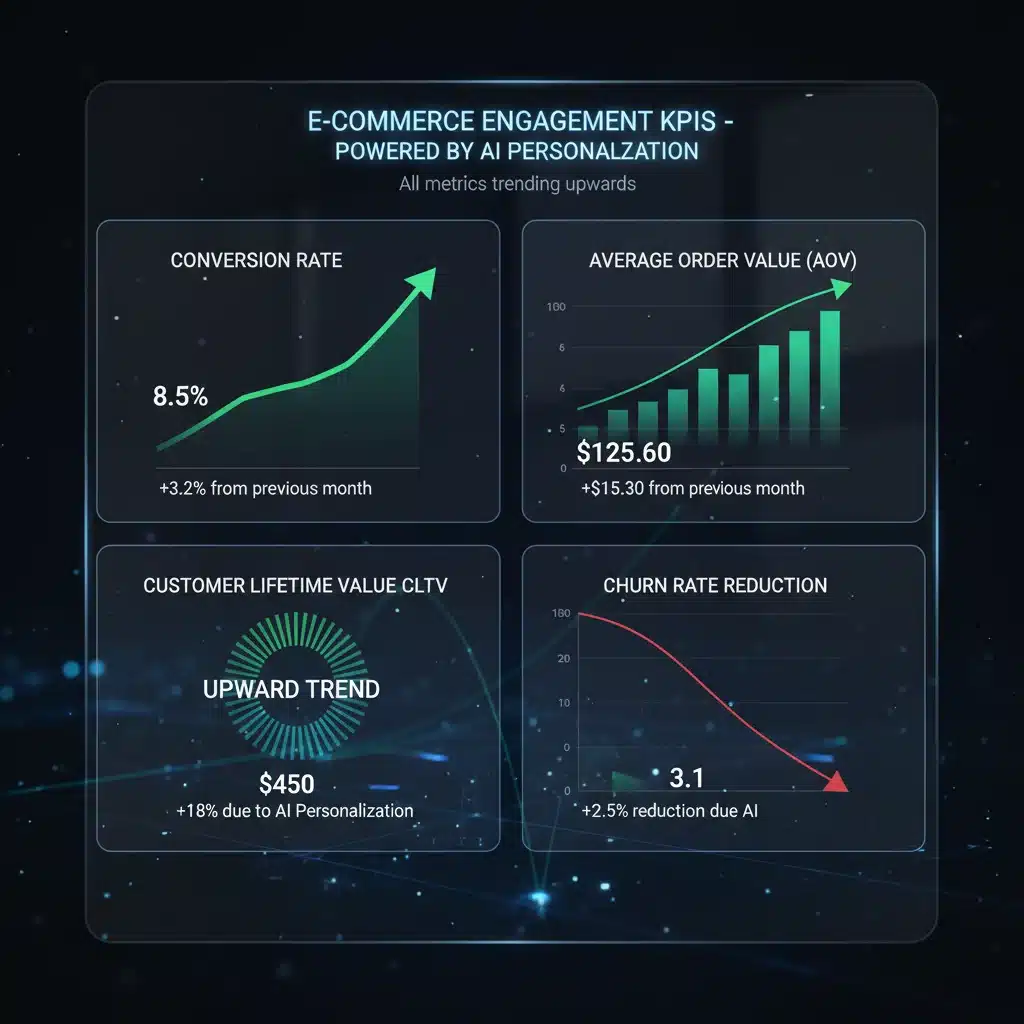
To confirm that your AI E-commerce Personalization efforts are indeed driving a 20% increase in customer engagement, it’s crucial to track the right Key Performance Indicators (KPIs). These metrics provide tangible evidence of the effectiveness of your strategies:
- Conversion Rate: A direct measure of how many visitors complete a desired action (e.g., make a purchase). Personalization should lead to a significant uplift.
- Average Order Value (AOV): Personalized recommendations and bundles can encourage customers to spend more per transaction.
- Customer Lifetime Value (CLTV): By fostering loyalty and repeat purchases, AI personalization directly contributes to a higher CLTV.
- Bounce Rate: A lower bounce rate indicates that visitors are finding the content and products relevant and engaging.
- Time Spent on Site: More time spent browsing relevant content and products signifies higher engagement.
- Click-Through Rate (CTR) for Recommendations: Measures the effectiveness of your AI-powered recommendation engines.
- Email Open and Click-Through Rates: Personalized emails should see higher engagement metrics.
- Customer Satisfaction (CSAT) and Net Promoter Score (NPS): Indirect but crucial indicators that improved experiences are leading to happier, more loyal customers.
- Reduced Cart Abandonment Rate: Timely and relevant reminders, coupled with personalized offers, can bring customers back to complete their purchases.
Regularly analyzing these KPIs allows businesses to refine their AI models, optimize their personalization strategies, and ensure they are on track to meet their engagement goals.
Challenges and Considerations for Successful AI Personalization
While the benefits of AI E-commerce Personalization are immense, implementing these strategies is not without its challenges. Addressing these proactively is key to success:
1. Data Quality and Quantity
AI models are only as good as the data they are fed. Poor quality, incomplete, or siloed data can lead to inaccurate recommendations and ineffective personalization. Businesses must invest in robust data collection, cleaning, and integration strategies.
2. Privacy Concerns and Trust
As personalization becomes more sophisticated, so do consumer concerns about data privacy. Transparency in data usage, adherence to regulations like GDPR and CCPA, and giving customers control over their data are paramount to building and maintaining trust.
3. Algorithmic Bias
If the training data contains biases, the AI models will perpetuate them, leading to unfair or non-inclusive personalization. Regular auditing of algorithms and diverse data sets are necessary to mitigate bias.
4. Integration Complexity
Integrating AI personalization tools with existing e-commerce platforms, CRM systems, and marketing automation tools can be complex. Choosing scalable, API-friendly solutions is crucial.
5. Talent and Expertise
Implementing and managing AI solutions requires specialized skills in data science, machine learning, and AI engineering. Businesses may need to invest in training existing staff or hiring new talent.
6. Over-Personalization and Creepiness Factor
There’s a fine line between helpful personalization and intrusive ‘creepiness.’ AI systems should be designed to offer value without making customers feel surveilled. Opt-out options and clear communication can help manage this perception.
The Future of E-commerce: Beyond 2026 with AI
The journey towards hyper-personalization doesn’t end in 2026. As AI continues to advance, we can expect even more sophisticated applications in e-commerce:
- Predictive Shopping: AI anticipating needs so precisely that it can suggest products before customers even realize they need them.
- Voice and Visual Commerce Personalization: AI enhancing shopping experiences through voice assistants and image recognition, offering personalized suggestions based on spoken queries or uploaded images.
- Immersive AR/VR Shopping: Personalized virtual showrooms and try-on experiences powered by AI, making online shopping feel more tangible and tailored.
- Proactive Customer Service: AI systems identifying potential issues before they arise and proactively offering solutions or support.
The businesses that embrace AI E-commerce Personalization now will not only achieve significant engagement boosts by 2026 but will also be better positioned to lead the next wave of innovation in online retail.
Conclusion: Embrace AI for Unprecedented E-commerce Engagement
The promise of achieving a 20% increase in customer engagement for e-commerce by 2026 through AI-driven personalization is not merely aspirational; it’s a strategic imperative for survival and growth in the competitive digital marketplace. By understanding the mechanisms of AI, strategically implementing personalized experiences across various touchpoints, and diligently measuring the impact, businesses can unlock unprecedented levels of customer satisfaction, loyalty, and revenue.
The time to invest in AI E-commerce Personalization is now. Those who lead the charge will not just participate in the future of e-commerce; they will define it, creating richer, more meaningful connections with every customer, one personalized experience at a time.