Global Cultures Shaping US Identity: 5 Key Integrations by 2026
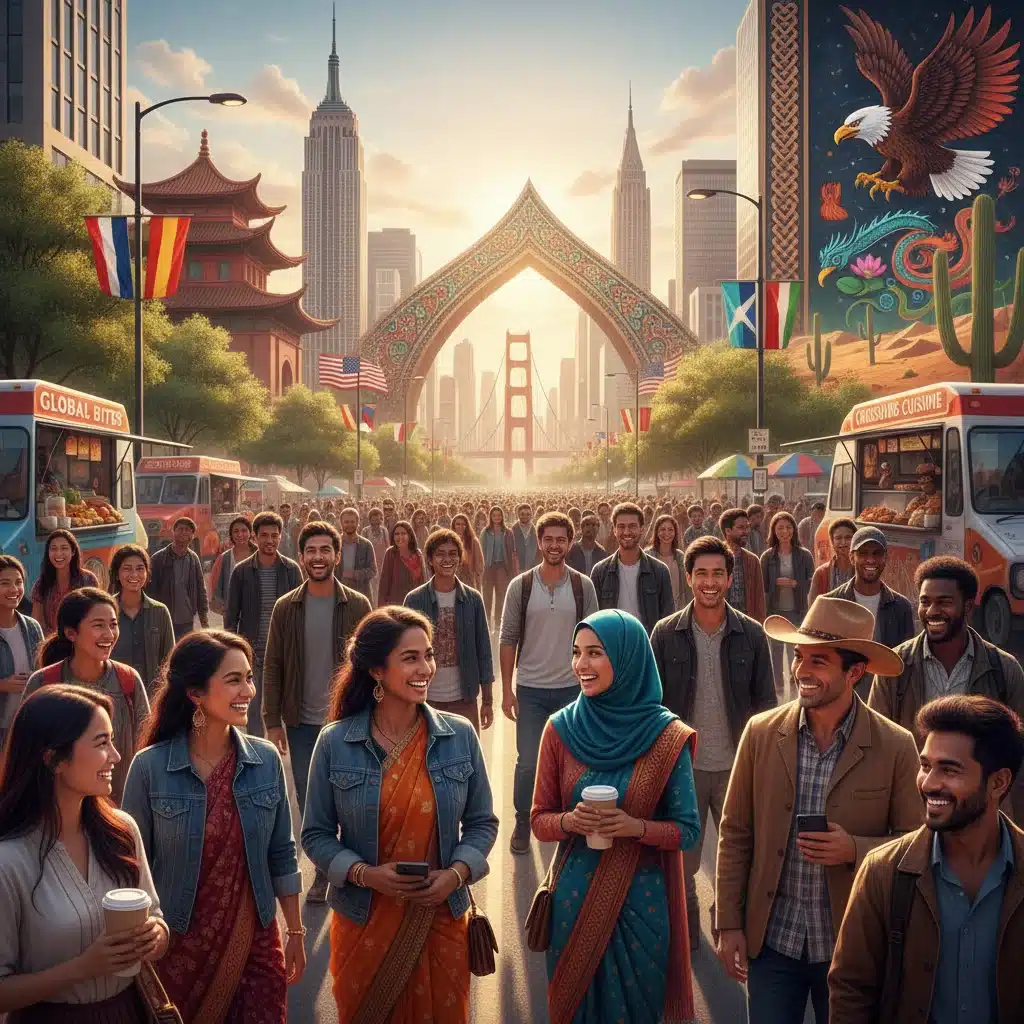
The United States has always been a melting pot, a nation forged from the contributions of people from every corner of the globe. However, the pace and depth of cultural integration are accelerating, leading to a profound reshaping of what it means to be ‘American.’ By 2026, we anticipate five key areas where global cultures will have significantly integrated into and influenced US identity, creating a richer, more complex, and truly globalized society. This isn’t just about immigration statistics; it’s about the subtle yet powerful ways traditions, languages, cuisines, and philosophies from around the world are becoming intrinsically woven into the fabric of daily American life.
Understanding these shifts is crucial for businesses, policymakers, educators, and indeed, every citizen. It helps us appreciate the dynamic nature of our society and prepare for an even more interconnected future. The concept of Global Cultures US Identity is not static; it’s an ongoing evolution, a testament to the nation’s capacity for adaptation and absorption. Let’s delve into these transformative integrations.
The Evolving Culinary Landscape: A Global Food Revolution
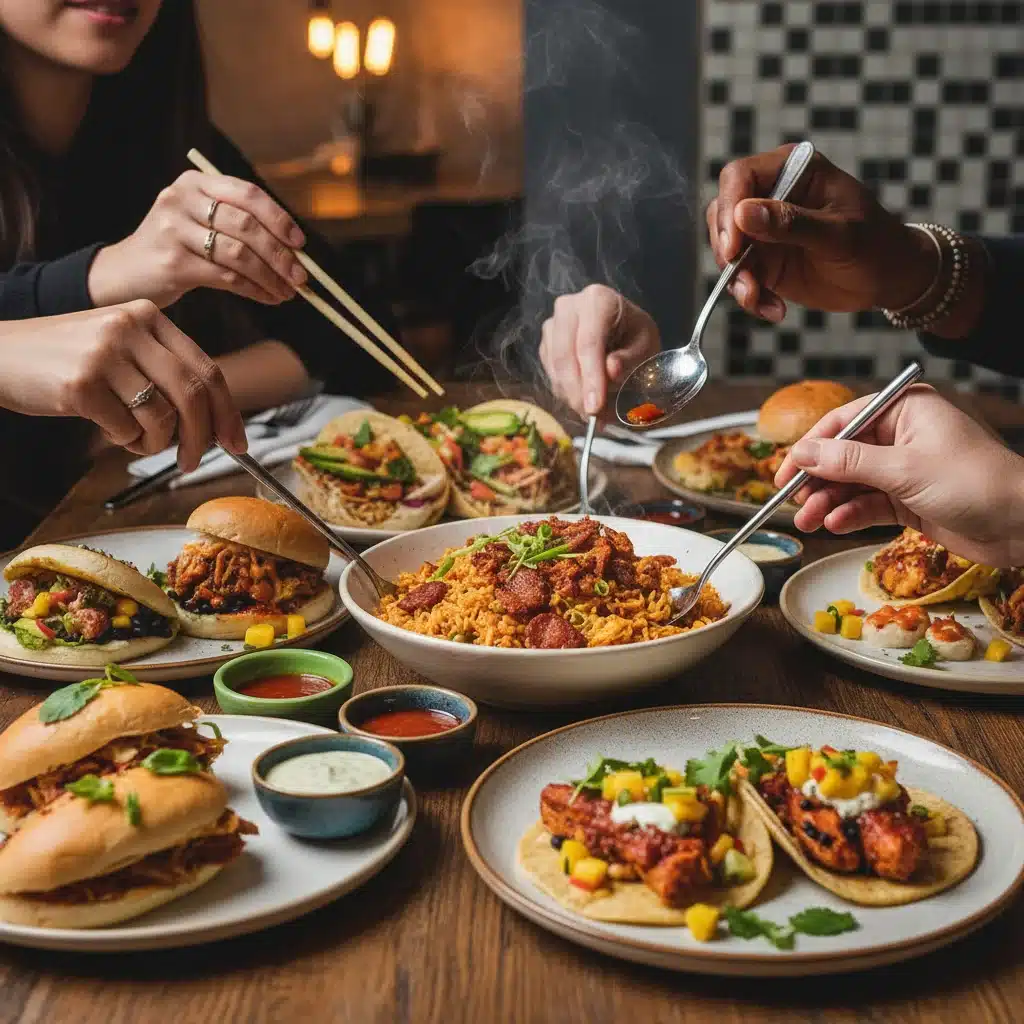
Food has always been a powerful gateway to culture. What began as ‘ethnic’ restaurants catering to specific immigrant communities has blossomed into a full-fledged global food revolution that has fundamentally altered the American palate. By 2026, the integration of global cuisines will be so deep that many dishes once considered foreign will be staples in American homes and mainstream restaurants, blurring the lines between ‘American food’ and ‘international food.’
Consider the rise of Asian street food, Latin American fusion, and African-inspired dishes. Tacos, once a regional Mexican specialty, are now ubiquitous, with endless variations reflecting local American tastes and other global influences. Sushi, once exotic, is now found in supermarkets nationwide. Korean BBQ, Vietnamese pho, Ethiopian injera, and Indian curries are no longer niche but are increasingly part of the everyday dining experience for a broader American demographic. This trend is driven by several factors: increased travel, the influence of food media, and a growing adventurousness among American consumers. Furthermore, the availability of diverse ingredients in mainstream grocery stores makes it easier for home cooks to experiment with global recipes, leading to a natural integration into daily meals.
Beyond just new dishes, the very approach to food preparation and consumption is changing. The farm-to-table movement, while seemingly American, often incorporates techniques and philosophies from cultures valuing fresh, local ingredients. Spice profiles are becoming more complex and nuanced, moving beyond simple salt and pepper to embrace the rich aromatics of Indian, Middle Eastern, and Southeast Asian cooking. Even breakfast, a traditionally American meal, is seeing influences, with items like shakshuka, congee, and açai bowls gaining popularity. This culinary integration isn’t just about taste; it reflects an openness to new experiences and a recognition of the rich diversity of global food traditions. This continuous evolution in food habits significantly contributes to the shaping of Global Cultures US Identity.
Linguistic Pluralism: Beyond English Dominance
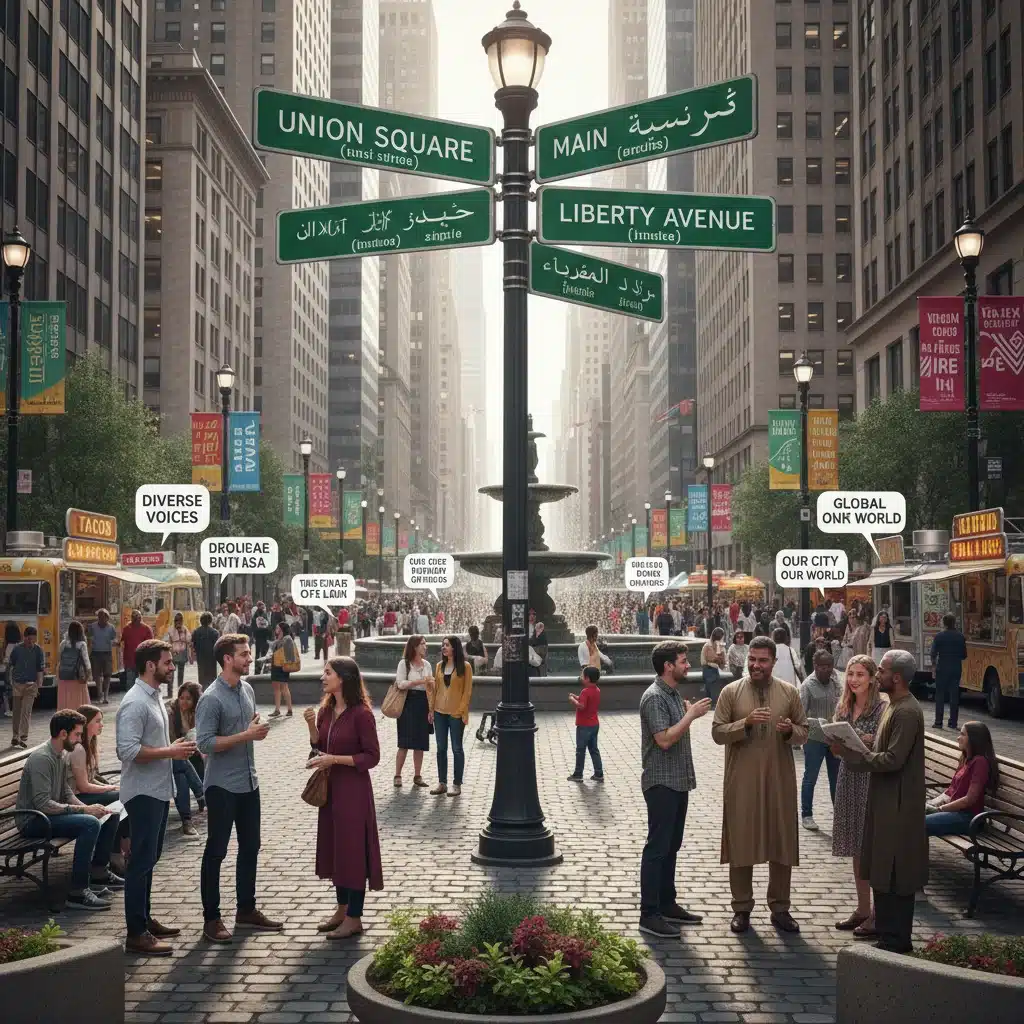
While English remains the dominant language in the United States, the linguistic landscape is becoming increasingly pluralistic. By 2026, the presence and influence of other languages, particularly Spanish, Mandarin, Hindi, and Tagalog, will be even more pronounced, impacting everything from education and business to media and public services.
The growth of bilingualism and multilingualism is a significant marker of this integration. Many American children are now growing up in households where multiple languages are spoken, or they are exposed to them through dual-language immersion programs in schools. This isn’t just about convenience; there’s a growing recognition of the cognitive benefits of multilingualism and the economic advantages it offers in a globalized world. Businesses are increasingly seeking employees who can communicate in multiple languages, and public services are adapting to serve a linguistically diverse population, often providing documents and support in several languages.
Media also plays a crucial role. Spanish-language television networks, radio stations, and online publications have long been established, but now we see a rise in content in other languages, often accessible through streaming platforms. Hollywood films and TV shows are also increasingly incorporating foreign languages, sometimes with subtitles, reflecting a broader audience’s comfort with and interest in linguistic diversity. This shift challenges the historical monolingual norm and fosters an environment where linguistic diversity is seen as an asset rather than a barrier. This growing acceptance and integration of multiple languages are pivotal in defining the future of Global Cultures US Identity.
Arts and Entertainment: A Kaleidoscope of Global Expression
The American arts and entertainment scene has always drawn inspiration from around the world, but by 2026, this influence will be more direct, pervasive, and celebrated. From music and film to visual arts and literature, global expressions are not just being consumed but are actively shaping American creative output and audience preferences.
In music, genres like K-Pop, Afrobeats, and Latin trap have exploded in popularity, topping US charts and influencing American artists. Collaborations between American and international musicians are commonplace, leading to hybrid sounds that transcend traditional genre boundaries. Music festivals feature diverse international lineups, exposing wider audiences to global rhythms and melodies. Similarly, foreign films and television series, particularly from Asia, Europe, and Latin America, are gaining significant traction on streaming platforms, demonstrating a growing American appetite for diverse storytelling and perspectives. The success of films like ‘Parasite’ and series like ‘Squid Game’ are just recent examples of this trend.
Visual arts are also becoming more globalized. American galleries and museums are increasingly featuring international artists, and American artists are incorporating global techniques and themes into their work. Public art installations often reflect the diverse cultural heritage of local communities. Literature, too, sees a rise in translated works and authors from diverse backgrounds gaining prominence in the American literary landscape, offering new narratives and viewpoints. This cross-pollination in the arts enriches the creative tapestry of the US, making it a true reflection of Global Cultures US Identity. It helps foster empathy, understanding, and a broader worldview among the American public.
Social Norms and Values: A Blended Ethos
Perhaps the most subtle, yet profound, area of integration is in social norms and values. While core American values persist, they are being subtly reinterpreted and expanded through interaction with global cultures. By 2026, we will see a more nuanced understanding of concepts like family, community, individuality, and even time, influenced by diverse cultural perspectives.
For instance, the traditional nuclear family structure, while still prevalent, is being complemented by broader definitions of family that include extended relatives, fictive kin, and chosen families, reflecting influences from many non-Western cultures where communal bonds are paramount. The emphasis on individual achievement, a hallmark of American identity, is increasingly balanced with a greater appreciation for collective well-being and social responsibility, echoing values common in Asian and African societies. Concepts of hospitality, respect for elders, and community engagement are also being reinforced and reinterpreted through the lens of diverse immigrant communities.
Even workplace cultures are evolving. The traditional American emphasis on direct communication and efficiency is being tempered by an understanding of more indirect communication styles and relationship-building approaches prevalent in other cultures. This leads to a more inclusive and globally competent workforce. The ongoing discourse around diversity, equity, and inclusion is itself a recognition of the need to integrate and respect a wider range of social norms and values. This continuous dialogue and adaptation are central to the evolving definition of Global Cultures US Identity.
Economic and Business Landscapes: Global Interdependence
The economic and business landscapes of the United States are inextricably linked to global cultures, a trend that will intensify by 2026. This integration goes beyond mere trade and investment; it involves the adoption of international business practices, the growth of multicultural workforces, and the influence of global consumer demands on American markets.
Many American companies now operate on a global scale, requiring their employees to be culturally competent and adaptable. This means understanding different negotiation styles, marketing approaches, and legal frameworks from around the world. The US workforce itself is becoming more diverse, bringing with it a wealth of linguistic skills, cultural insights, and varied problem-solving approaches that are invaluable in a global economy. Entrepreneurship among immigrant communities is also a significant driver, leading to new businesses that cater to specific cultural needs while also introducing new products and services to the mainstream market.
Furthermore, consumer preferences in the US are increasingly shaped by global trends. Products and brands that originate internationally are gaining market share, and American companies are tailoring their offerings to appeal to a more globally aware and culturally diverse consumer base. The rise of e-commerce has made international goods more accessible than ever, further accelerating this trend. Financial markets are also deeply interconnected, with global events having immediate impacts on the US economy. This economic interdependence fosters a more outward-looking and globally integrated US identity, where success is often linked to understanding and collaborating with diverse international partners. This economic integration is a powerful force in shaping Global Cultures US Identity.
Challenges and Opportunities in Cultural Integration
While the integration of global cultures offers immense benefits, it also presents challenges. Issues such as cultural misunderstandings, language barriers, and the potential for xenophobia or cultural appropriation can arise. However, these challenges are often opportunities for growth and deeper understanding. Education plays a critical role in fostering cultural competency and empathy, helping individuals navigate a complex multicultural environment. Dialogue and exchange between different cultural groups can break down stereotypes and build bridges.
The opportunities far outweigh the challenges. A more globally integrated US identity means a more resilient, innovative, and dynamic society. It fosters creativity in the arts, diverse perspectives in problem-solving, and a richer human experience. It also positions the United States as a global leader not just economically or politically, but culturally, demonstrating how a diverse population can thrive and contribute to a unified national identity that is constantly evolving.
The Future of American Identity: A Tapestry, Not a Melting Pot
The traditional metaphor of the ‘melting pot,’ where distinct cultures blend into a single, undifferentiated American identity, is increasingly being replaced by the idea of a ‘tapestry’ or ‘salad bowl.’ In this new vision, individual cultural threads retain their unique colors and textures while contributing to a beautiful, cohesive whole. By 2026, this tapestry of Global Cultures US Identity will be more vibrant and intricate than ever before.
This shift implies a greater emphasis on celebrating and preserving cultural distinctiveness while simultaneously fostering a shared sense of American belonging. It means that an individual can embrace their heritage – be it Mexican, Indian, Chinese, Nigerian, or European – and still feel fully and authentically American. This dual identity enriches both the individual and the nation, providing a broader range of perspectives, traditions, and innovations.
The evolution of US identity is not about abandoning its foundational principles but about expanding them to encompass a wider array of human experiences and contributions. It’s about recognizing that strength comes from diversity and that the American story is continuously being written by people from all walks of life, bringing with them a wealth of global cultural heritage. The five key integrations discussed – culinary, linguistic, artistic, social, and economic – are all interconnected, each reinforcing the other to create a society that is truly global in its outlook and local in its expression.
Conclusion: Embracing a Dynamic Future
The United States stands at an exciting juncture, continually redefining its identity through the lens of global cultures. By 2026, the five key integrations we’ve explored will have solidified, making the American experience more diverse, nuanced, and globally interconnected than ever before. From the food on our tables to the languages we hear, the art we consume, the values we uphold, and the businesses we build, global influences are not just present; they are becoming integral to the very definition of what it means to be American.
Embracing this dynamic evolution is not just a matter of cultural appreciation but a strategic imperative for the nation’s continued prosperity and relevance in an increasingly globalized world. The future of Global Cultures US Identity is one of continuous growth, mutual influence, and a rich, ever-expanding cultural tapestry that reflects the best of humanity from every corner of the planet. It’s a journey of discovery, learning, and adaptation, promising a more vibrant and inclusive America for generations to come.