Consumer Sentiment Towards Inflation: 60% of US Households Adjusting Budgets in Q1 2026
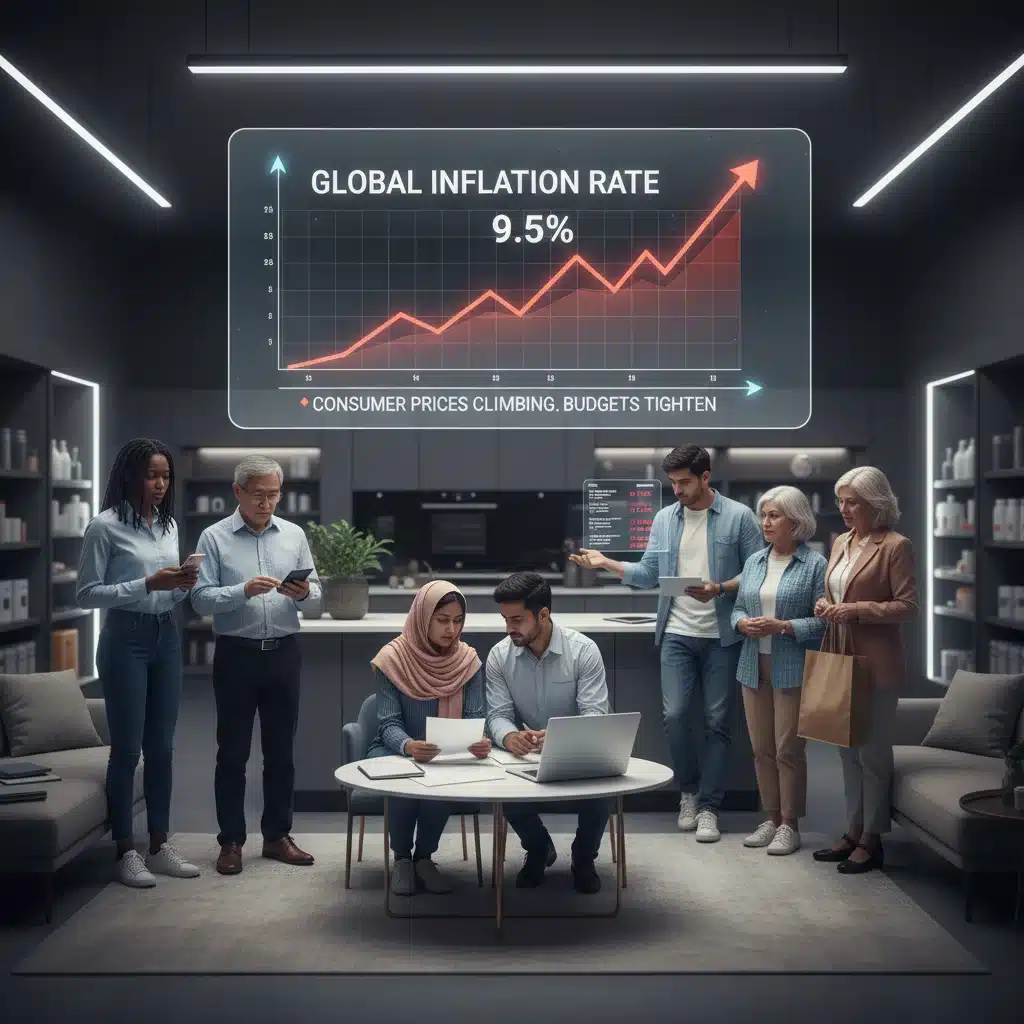
The economic landscape of the United States continues to be shaped by persistent inflationary pressures, profoundly influencing the financial decisions and overall well-being of its citizens. As we delve into the first quarter of 2026, a striking majority of American households, approximately 60%, are actively engaged in significant budget adjustments. This widespread response to rising costs underscores a critical shift in consumer inflation sentiment, reflecting not just immediate financial strain but also a recalibration of long-term spending and saving habits. Understanding this dynamic is crucial for policymakers, businesses, and individuals alike, as it offers a window into the evolving economic narrative and its potential ramifications.
Inflation, often described as the silent tax, erodes purchasing power and necessitates difficult choices for families. While economic indicators might suggest a cooling or stabilization in certain sectors, the lived experience for many Americans tells a different story. The decision by 60% of households to adjust their budgets is not merely a statistical anomaly; it represents millions of individual stories of adaptation, sacrifice, and strategic financial planning in the face of economic uncertainty. This article aims to unpack the multifaceted nature of this consumer inflation sentiment, examining the specific areas where households are making cuts, the psychological impact of these adjustments, and the broader implications for the US economy in Q1 2026 and beyond.
The Pervasive Impact of Inflation on Household Finances
The current inflationary environment is characterized by a complex interplay of factors, including supply chain disruptions, geopolitical tensions, and robust consumer demand in certain sectors. These elements collectively contribute to the elevated prices observed across a spectrum of goods and services, from everyday necessities like groceries and fuel to larger discretionary purchases. For the average American household, this translates into a tangible decrease in disposable income and a heightened awareness of financial vulnerability.
The 60% figure is a powerful indicator of how deeply inflation has permeated the financial fabric of the nation. It suggests that these are not isolated incidents but rather a systemic response to a sustained period of rising costs. Households are not just passively observing price increases; they are actively responding, making conscious decisions to alter their spending patterns. This proactive approach, while necessary for financial stability, often comes at the cost of reduced quality of life or deferred aspirations.
One of the primary areas witnessing significant adjustments is discretionary spending. Luxuries, non-essential entertainment, and dining out are often the first to be curtailed. However, the impact extends far beyond these categories, touching upon essential expenditures such as housing, transportation, and even healthcare. The balancing act between maintaining a reasonable standard of living and managing rising costs has become a daily challenge for many.
Moreover, the psychological toll of inflation cannot be overstated. Constant vigilance over prices, the stress of making ends meet, and the uncertainty about future economic conditions can lead to increased anxiety and a diminished sense of financial security. This emotional aspect of consumer inflation sentiment is an important, though often overlooked, dimension of the current economic climate.
Areas of Budget Adjustment: Where Households Are Cutting Back
To understand the depth of these adjustments, it’s essential to pinpoint the specific categories where households are making changes. Data from various surveys and economic reports indicate several key areas:
- Groceries and Food: Food prices have been a significant driver of inflation, directly impacting every household. Consumers are responding by opting for store brands, buying in bulk, reducing meat consumption, and cooking more at home. Meal planning has become more rigorous, with a focus on cost-effective ingredients and minimizing waste.
- Transportation: Fuel costs, while fluctuating, have remained a concern. Households are consolidating trips, utilizing public transport more often, carpooling, and even postponing vehicle maintenance or purchases to save money. The rise of remote work has also played a role in reducing commuting expenses for some.
- Housing and Utilities: Rent increases and rising utility bills (electricity, gas, water) put immense pressure on household budgets. While less flexible than other categories, some families are seeking smaller living spaces, delaying home repairs, or adopting energy-saving measures to mitigate costs.
- Discretionary Spending: This is often the first line of defense against inflation. Entertainment, dining out, vacations, and non-essential retail purchases are being significantly cut back. Consumers are prioritizing needs over wants, leading to a noticeable slowdown in these sectors.
- Clothing and Personal Care: While not as dramatically impacted as food or fuel, consumers are becoming more selective with clothing purchases, opting for durability and necessity over fashion trends. Personal care products are also subject to more careful consideration, with a preference for value brands.
- Savings and Investments: Alarmingly, some households are forced to draw from savings or reduce their contributions to retirement accounts to cover essential expenses. This trend has long-term implications for individual financial security and broader economic stability.
These adjustments are not uniform across all demographics. Lower-income households, naturally, bear a disproportionately heavier burden, as a larger percentage of their income is already allocated to essentials. However, even middle-income families are feeling the pinch, indicating the broad reach of the current inflationary environment.
The Psychology Behind Consumer Inflation Sentiment
Beyond the raw numbers, the psychological aspect of consumer inflation sentiment is a critical factor influencing economic behavior. When prices rise consistently, it erodes consumer confidence and fosters a sense of uncertainty about the future. This can lead to a more cautious approach to spending and investment, even among those who may not be immediately financially distressed.
The phenomenon of ‘inflationary psychology’ suggests that when consumers expect prices to continue rising, they may alter their behavior in ways that can exacerbate inflation. For example, some might rush to purchase items now, anticipating higher prices later, thereby increasing demand. Conversely, prolonged periods of high inflation can lead to a more conservative mindset, where delayed gratification and frugality become ingrained habits.

The media’s portrayal of inflation also plays a significant role in shaping public perception. Constant headlines about rising costs can amplify anxieties, making individuals more sensitive to price changes in their daily lives. This heightened awareness, while rational, can contribute to a more pessimistic consumer inflation sentiment, even if economic data points to a gradual improvement.
Furthermore, the perceived fairness of pricing heavily influences consumer reactions. If consumers believe that price increases are unjustified or that businesses are exploiting the situation, it can lead to resentment and a further reduction in spending on those perceived ‘unfairly priced’ goods or services. Trust in economic institutions and corporate responsibility thus becomes an important, albeit indirect, factor in shaping consumer inflation sentiment.
Strategic Responses from Businesses and Policymakers
The widespread budget adjustments by households are not going unnoticed by businesses and policymakers. Companies are facing the dual challenge of managing their own rising input costs while also responding to a more price-sensitive consumer base. This has led to various strategic responses:
- Shrinkflation: A subtle but effective strategy where the size or quantity of a product is reduced while its price remains the same, or even increases slightly. This allows companies to maintain profit margins without overtly raising prices, though consumers are increasingly aware of this tactic.
- Value Offerings: Many businesses are emphasizing value-oriented products, promotions, and loyalty programs to attract and retain budget-conscious consumers. This includes offering bundles, discounts, and private-label alternatives.
- Operational Efficiencies: Companies are looking inward to reduce their own operational costs, through automation, supply chain optimization, and energy conservation, to minimize the need for passing on higher costs to consumers.
- Diversification of Product Lines: Some businesses are diversifying their product offerings to include both premium and more affordable options, catering to a wider range of consumer budgets.
Policymakers, on the other hand, are grappling with the delicate balance of controlling inflation without stifling economic growth. Central banks typically respond by adjusting interest rates, aiming to cool demand. However, the effectiveness and timing of these measures are constantly debated, especially given the various contributing factors to current inflation.
Government programs aimed at providing targeted relief to vulnerable households, such as food assistance or energy subsidies, also play a role in cushioning the blow of inflation. However, the scale and scope of such interventions are often limited and may not fully address the pervasive nature of the issue. The long-term goal for policymakers is to foster an environment of price stability, which is essential for sustained economic prosperity and stable consumer inflation sentiment.
The Long-Term Implications of Sustained Budget Adjustments
The fact that 60% of US households are adjusting their budgets in Q1 2026 has significant long-term implications for both individual financial health and the broader economy.
For Individuals and Households:
- Reduced Savings and Wealth Accumulation: If households are consistently forced to dip into savings or reduce contributions to retirement funds, it can severely impact their long-term financial security and ability to withstand future economic shocks.
- Increased Debt: Some households may resort to borrowing, either through credit cards or loans, to cover essential expenses, leading to an accumulation of debt that can be difficult to repay, especially if interest rates remain high.
- Delayed Major Life Purchases: Significant life events such as buying a home, starting a family, or funding higher education may be delayed or scaled back as financial resources are redirected to immediate needs.
- Changes in Lifestyle and Consumption Patterns: A prolonged period of budget adjustments can lead to permanent shifts in lifestyle, with a greater emphasis on frugality and conscious consumption, even after inflationary pressures subside.
For the Economy:
- Slower Economic Growth: Reduced consumer spending, particularly in discretionary categories, can lead to slower economic growth, impacting sectors reliant on consumer demand.
- Business Adaptation and Innovation: Businesses will continue to innovate and adapt their strategies to cater to a more price-sensitive consumer base, potentially leading to new product offerings and business models.
- Labor Market Dynamics: The need for households to make ends meet might drive more individuals into the workforce or encourage those already employed to seek additional income streams, influencing labor participation rates and wage demands.
- Policy Challenges: Policymakers will face ongoing challenges in managing inflation while supporting economic growth and ensuring social welfare. The balancing act will require careful consideration of monetary and fiscal policies.
The sustained efforts by a majority of households to adjust their budgets highlight a resilient yet challenged consumer base. Their actions are a direct reflection of the economic realities they face, and their collective behavior will undoubtedly shape the trajectory of the US economy in the coming years.
Navigating the Current Economic Climate: Tips for Households
For those 60% of households actively adjusting their budgets, and indeed for all consumers, navigating this inflationary environment requires strategic financial planning and disciplined execution. Here are some actionable tips:
- Create a Detailed Budget: The first step is always to understand where your money is going. Track all income and expenses to identify areas where cuts can be made.
- Prioritize Needs Over Wants: Differentiate between essential expenses (housing, food, utilities) and discretionary spending (entertainment, dining out). Focus on covering needs first.
- Shop Smart: Compare prices, look for sales, use coupons, and consider generic or store-brand alternatives for groceries and household items. Buying in bulk for non-perishables can also offer savings.
- Reduce Energy Consumption: Implement energy-saving measures at home, such as adjusting thermostats, unplugging electronics, and using energy-efficient appliances.
- Review Subscriptions and Memberships: Cancel unused streaming services, gym memberships, or other recurring expenses that are not essential.
- Explore Additional Income Streams: If possible, consider part-time work, freelancing, or selling unused items to supplement income.
- Build an Emergency Fund: Even small contributions to an emergency fund can provide a buffer against unexpected expenses and reduce the need to incur debt.
- Seek Professional Financial Advice: A financial advisor can offer personalized strategies for budgeting, saving, and investing during inflationary periods.
- Advocate for Yourself: Don’t hesitate to negotiate prices where possible, whether for services, insurance, or even large purchases.
- Stay Informed: Keep abreast of economic news and inflation trends to make informed financial decisions. Understanding the broader picture can help in planning.

These strategies, while requiring effort and discipline, can empower households to regain a sense of control over their finances and mitigate the adverse effects of inflation. The collective resilience of American consumers in adapting to these challenges is a testament to their ability to navigate complex economic conditions.
The Future Outlook for Consumer Inflation Sentiment
Looking ahead, the trajectory of consumer inflation sentiment will largely depend on how effectively inflationary pressures are managed and communicated. If inflation begins to subside and wages keep pace with or outstrip price increases, we can expect a gradual improvement in consumer confidence and a potential easing of budget restrictions.
However, if inflation remains stubbornly high or if economic growth falters significantly, the current trends of budget adjustment could become more entrenched, leading to longer-term shifts in consumer behavior and potentially impacting the overall structure of the economy. The role of central banks in guiding monetary policy will be critical, as will fiscal policies aimed at supporting economic stability and growth.
Furthermore, global economic factors, such as commodity prices, international trade relations, and geopolitical stability, will continue to exert influence. A more stable global environment could contribute to easing supply chain issues and reducing imported inflation, thereby positively impacting domestic prices and consumer inflation sentiment.
The Q1 2026 data revealing that 60% of US households are adjusting their budgets is a stark reminder of the ongoing economic challenges posed by inflation. It underscores the need for continued vigilance, adaptive financial strategies, and responsive policymaking to ensure a stable and prosperous economic future for all Americans. The resilience and adaptability of households in the face of these pressures provide a foundation, but sustained support and favorable economic conditions are essential for a full recovery in consumer inflation sentiment.