Gen Z Values: Reshaping Consumer Behavior by 2027 (Insider Analysis)
Understanding Gen Z’s Shifting Values: How 3 Key Cultural Trends Are Redefining Consumer Behavior by 2027 (INSIDER KNOWLEDGE)
The consumer landscape is in a constant state of flux, but perhaps no generation has wielded as much transformative power in such a short span as Generation Z. Born roughly between 1997 and 2012, this cohort is not just another demographic group; they are a force reshaping the very foundations of how businesses operate, interact, and deliver value. By 2027, their influence will be undeniable, driven by a unique set of values forged in an era of unprecedented digital connectivity, global challenges, and a heightened sense of social consciousness. For brands and marketers, understanding these shifts is not merely advantageous, it’s existential. This deep dive into Gen Z consumer trends offers insider knowledge to navigate the evolving market.
The world Gen Z inherited is one characterized by rapid technological advancement, economic uncertainty, and a pervasive awareness of global issues, from climate change to social justice. These formative experiences have instilled in them a distinct worldview that translates directly into their purchasing decisions and brand loyalties. They are digital natives who have never known a world without the internet, social media, and instant information. This constant access has cultivated a generation that is informed, discerning, and deeply skeptical of traditional advertising and corporate platitudes. They demand authenticity, transparency, and a genuine commitment to values that resonate with their own.
As we look towards 2027, three pivotal cultural trends stand out as primary drivers of Gen Z’s redefined consumer behavior. These trends are interconnected, reinforcing each other and creating a complex, yet predictable, pattern of consumption that brands must master. Ignoring these shifts is akin to steering a ship blindfolded in a storm. Embracing them, however, offers an unparalleled opportunity to forge deeper connections, build lasting loyalty, and secure a significant share of a market segment that will soon be the largest and most influential.
This article will dissect these three key cultural trends, providing actionable insights and shedding light on the strategic imperatives for businesses aiming to thrive in the Gen Z-dominated future. From their approach to sustainability to their demand for hyper-personalization and their unique relationship with digital communities, we will explore the nuances that define the modern Gen Z consumer trends.
Trend 1: The Ascendance of Ethical and Sustainable Consumption
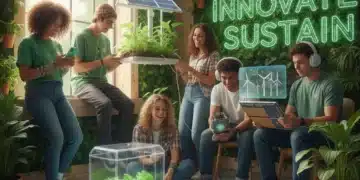
Perhaps the most profound shift in Gen Z consumer trends is their unwavering commitment to ethical and sustainable consumption. Unlike previous generations who might have paid lip service to environmental concerns, Gen Z integrates these values into the very fabric of their purchasing decisions. They are not just aware of global issues; they feel a personal responsibility to address them through their choices. This isn’t a fleeting fad; it’s a fundamental reorientation of consumer priorities that will only intensify by 2027.
The Drivers Behind Sustainable Choices
Several factors fuel Gen Z’s push for sustainability. Firstly, they have grown up witnessing the tangible effects of climate change and social inequality. Documentaries, news reports, and social media feeds constantly remind them of the urgency of these issues. Secondly, their digital fluency grants them unprecedented access to information. They can easily research a brand’s supply chain, labor practices, and environmental footprint. Greenwashing—the deceptive practice of making a product or company appear more environmentally friendly than it is—is quickly exposed and severely punished by this discerning generation.
Thirdly, social media amplifies their voices and creates a collective consciousness around ethical consumption. Influencers and peers often champion sustainable brands and call out those that fall short. This peer pressure, combined with a genuine desire to make a difference, translates into tangible changes in spending habits.
What Gen Z Demands from Brands
- Transparency: Gen Z wants to know where products come from, how they are made, and what impact they have. Brands must be transparent about their supply chains, sourcing, and manufacturing processes. This includes clear labeling, accessible information on websites, and honest communication about challenges and progress.
- Authentic Commitment: It’s not enough to simply have a ‘green’ product line. Gen Z looks for brands that demonstrate a holistic and authentic commitment to sustainability across their entire operation. This means fair labor practices, reduced carbon footprints, circular economy initiatives, and genuine corporate social responsibility.
- Purpose-Driven Brands: Brands that align with a greater purpose beyond profit resonate deeply with Gen Z. They are more likely to support companies that actively contribute to social good, advocate for causes they believe in, and demonstrate a clear mission statement that goes beyond commercial success.
- Durability and Longevity: The ‘fast fashion’ and ‘disposable culture’ ethos is increasingly rejected by Gen Z. They value products that are built to last, can be repaired, and have a longer lifecycle. This also extends to services that promote sharing, renting, and second-hand markets.
For businesses, this trend necessitates a fundamental reevaluation of their operational models and marketing strategies. Brands that fail to adapt risk being deemed irrelevant or, worse, unethical, by a generation that is quickly becoming the dominant consumer force. Investing in sustainable practices, communicating them transparently, and genuinely embodying a purpose-driven approach are no longer options; they are imperatives for survival and growth in the era of Gen Z consumer trends.
Trend 2: The Pursuit of Authenticity and Hyper-Personalization
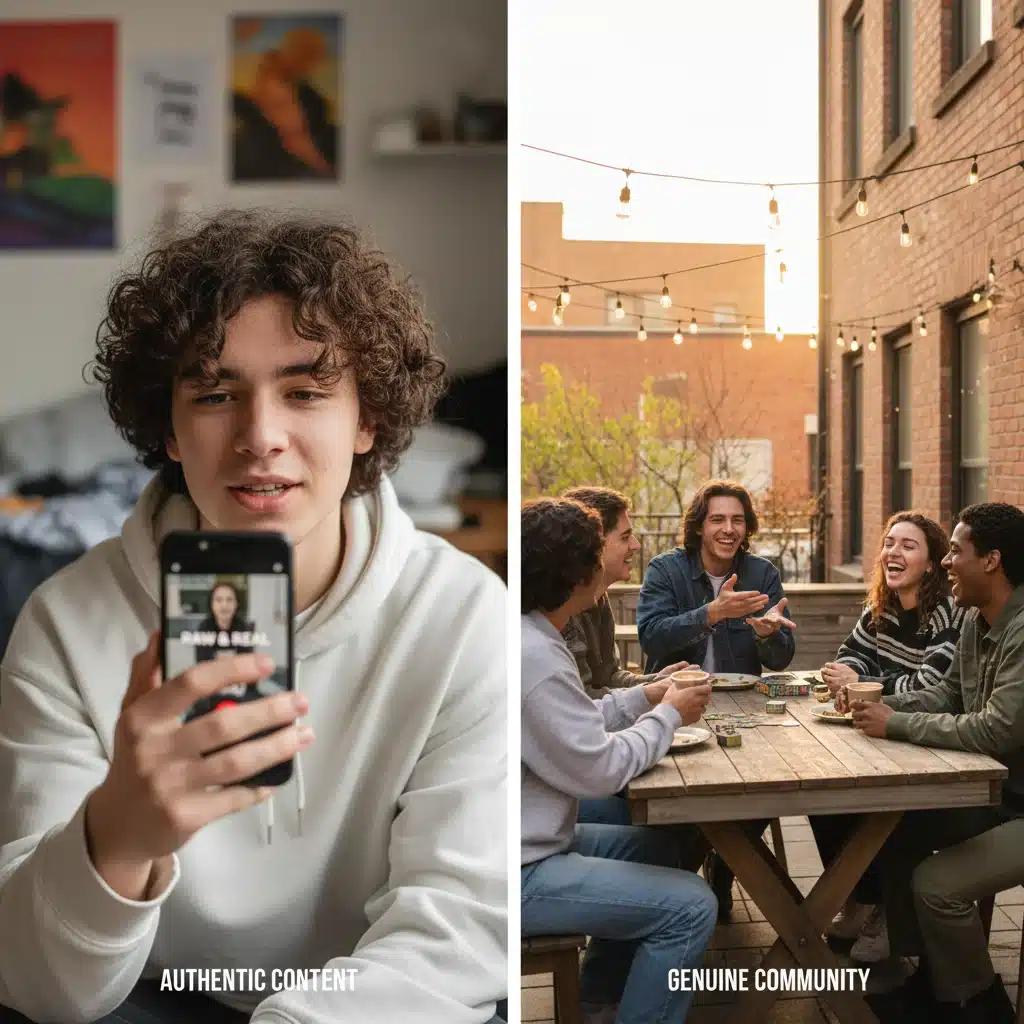
In a world saturated with carefully curated social media feeds and polished advertisements, Gen Z craves authenticity above all else. They possess a finely tuned BS detector and are quick to dismiss anything that feels inauthentic, manufactured, or overly commercial. This desire for genuine connection extends to their interactions with brands, demanding a level of personalization and realness that goes beyond superficial customization. This is a critical aspect of understanding Gen Z consumer trends.
The Authenticity Imperative
Gen Z has grown up with social media, witnessing both its curated perfection and its raw, unfiltered moments. They understand that what they see online isn’t always reality, and this awareness has made them skeptical. They value transparency and honesty from individuals and brands alike. This means:
- Real People, Real Stories: They respond better to user-generated content (UGC), micro-influencers, and everyday people sharing their experiences rather than highly produced celebrity endorsements. UGC is seen as more trustworthy and relatable.
- Behind-the-Scenes Access: Brands that show the human side of their operations, the challenges they face, and the people behind the products create a stronger bond. Authenticity is about being vulnerable and relatable, not just perfect.
- Values Alignment: Authenticity also means aligning actions with stated values. If a brand claims to be socially conscious, Gen Z will scrutinize its practices to ensure consistency. Hypocrisy is a major turn-off.
The Demand for Hyper-Personalization
Beyond authenticity, Gen Z expects experiences and products that feel tailor-made for them. They have grown up in an era of personalized streaming services, customized social media feeds, and algorithm-driven recommendations. This has set a high bar for personalization, moving beyond simple name recognition to truly understanding their individual preferences, needs, and aspirations. This is where Gen Z consumer trends truly diverge from previous generations.

Hyper-personalization for Gen Z means:
- Tailored Product Recommendations: Leveraging data to offer products and services that genuinely match their unique tastes and past behaviors, not just generic bestsellers.
- Customizable Products and Services: The ability to personalize products, from sneaker designs to subscription box contents, gives Gen Z a sense of ownership and individuality.
- Contextualized Marketing: Messages that are relevant to their current situation, location, or even emotional state, delivered through their preferred channels. This requires sophisticated data analytics and a deep understanding of their digital footprint.
- Personalized Experiences: From customized in-store experiences to unique digital journeys, Gen Z values interactions that feel curated specifically for them, making them feel seen and understood.
The synergy between authenticity and hyper-personalization is crucial. Gen Z wants brands to know them intimately, but they also want that knowledge to be used responsibly and genuinely, not in a way that feels intrusive or manipulative. Brands that master this balance will build deep, lasting relationships with this powerful consumer group, solidifying their position in the market by 2027 and beyond.
Trend 3: The Rise of Community-Driven Commerce and Participatory Culture
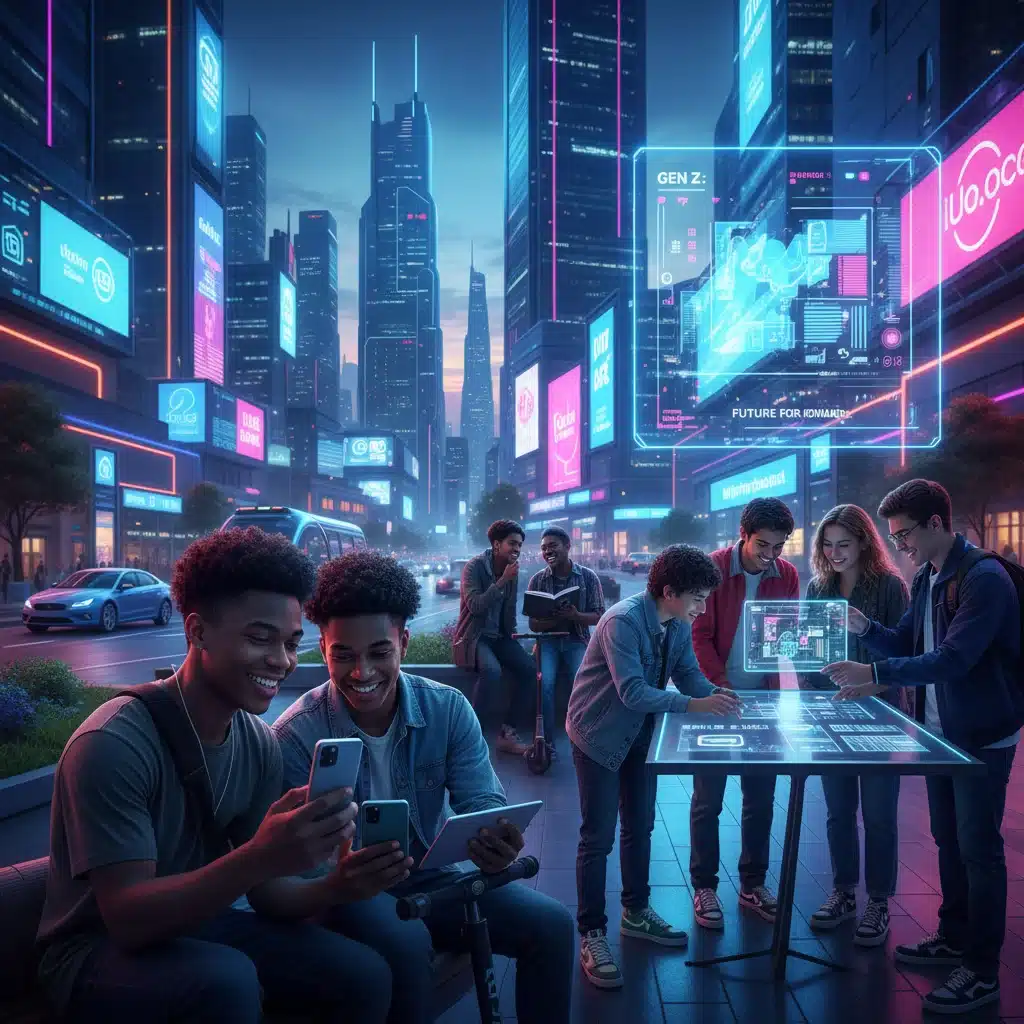
Gen Z thrives in communities, both online and offline. Their digital upbringing has fostered a strong sense of belonging to various digital tribes, from gaming communities to fan groups and social cause movements. This deeply ingrained community focus is profoundly impacting Gen Z consumer trends, transforming how they discover, evaluate, and purchase products and services. By 2027, brands that fail to integrate into these communities or facilitate their formation will find themselves increasingly isolated.
From Consumers to Co-Creators
Gen Z doesn’t just want to buy products; they want to be part of the brand’s story. They are active participants, not passive recipients. This participatory culture manifests in several ways:
- Co-creation and Collaboration: Brands that invite Gen Z to contribute to product design, marketing campaigns, or content creation are highly valued. This could involve crowdsourcing ideas, running design contests, or collaborating with community members on special projects.
- User-Generated Content (UGC) as Marketing: As mentioned, UGC is king for Gen Z. Brands that successfully encourage and leverage their community’s content become more credible and relatable. This includes encouraging reviews, testimonials, unboxing videos, and creative uses of products.
- Brand as a Platform: Smart brands are evolving beyond simply selling products to becoming platforms that facilitate connections among their customers. This could be through online forums, exclusive community events, or social media groups where members can interact and share.
The Power of Digital Communities and Social Commerce
For Gen Z, the line between social interaction and commerce is increasingly blurred. Social media platforms are not just for connecting with friends; they are also powerful discovery and purchasing channels. This has given rise to social commerce, where buying and selling happen directly within social networks, often driven by peer recommendations and community influence. This is a defining characteristic of Gen Z consumer trends.
Key aspects of community-driven commerce include:
- Influencer Marketing (with a twist): While celebrity influencers still exist, Gen Z places more trust in micro- and nano-influencers who feel more authentic and relatable. These individuals often have highly engaged niche communities, and their recommendations carry significant weight.
- Live Shopping and Interactive Experiences: Live streams on platforms like TikTok, Instagram, and YouTube, where creators showcase products and interact with viewers in real-time, are highly effective. These create a sense of urgency, community, and entertainment.
- Discord and Niche Platforms: Beyond mainstream social media, Gen Z congregates on niche platforms like Discord, Reddit, and private forums. Brands that can authentically engage with these communities, providing value rather than just pushing sales, will gain significant traction.
- Gamification and Loyalty Programs: Gen Z enjoys interactive experiences. Loyalty programs that incorporate gamification, exclusive community access, and opportunities for co-creation are more appealing than traditional point-based systems.
By 2027, businesses must view their customer base not just as individual transactions, but as a vibrant, interconnected community. Fostering this community, empowering its members, and allowing them to participate in the brand’s journey will be paramount for unlocking loyalty and driving sales among Gen Z consumer trends. Brands that successfully build a strong community around their values and offerings will create a powerful, self-sustaining ecosystem of advocates and customers.
The Interplay of Trends: A Holistic View of Gen Z Consumer Behavior
It’s crucial to understand that these three cultural trends—ethical consumption, authenticity/personalization, and community-driven commerce—do not operate in isolation. They are deeply intertwined, forming a complex tapestry that defines Gen Z consumer trends. A Gen Z consumer might choose a sustainable brand (Trend 1) because a trusted micro-influencer (Trend 3) authentically recommended it (Trend 2), and the brand’s personalized offering (Trend 2) makes them feel understood and valued within that community (Trend 3).
For instance, a sustainable fashion brand that uses eco-friendly materials (Trend 1) gains credibility by showcasing behind-the-scenes footage of its ethical production process (Trend 2). It further builds loyalty by engaging its community in designing limited-edition pieces (Trend 3) and offering personalized styling advice based on individual preferences (Trend 2). This holistic approach is what will truly resonate with Gen Z.
Challenges and Opportunities for Businesses
Adapting to these Gen Z consumer trends presents both significant challenges and immense opportunities:
- Challenge: Resource Intensive Transformation: Shifting to sustainable practices, developing hyper-personalization engines, and building robust community platforms requires substantial investment in technology, processes, and talent.
- Challenge: Maintaining Authenticity at Scale: As brands grow, maintaining a genuine, authentic voice and personalized approach can become difficult. The risk of appearing corporate or disingenuous increases.
- Challenge: Navigating Digital Noise: Gen Z is bombarded with information. Cutting through the digital noise and capturing their attention with meaningful content is a constant struggle.
- Opportunity: Deep Brand Loyalty: Brands that successfully align with Gen Z’s values can cultivate incredibly strong, long-lasting loyalty. This generation is willing to pay a premium for brands they trust and believe in.
- Opportunity: Organic Growth through Advocacy: A satisfied Gen Z consumer is a powerful brand advocate. Their willingness to share experiences within their communities can lead to exponential organic growth.
- Opportunity: Innovation and Differentiation: The demands of Gen Z push brands to innovate in product development, marketing, and customer experience, leading to unique selling propositions and market differentiation.
Strategic Imperatives for 2027 and Beyond
To successfully engage with Gen Z consumer trends by 2027, businesses must adopt a forward-thinking, integrated strategy:
- Embed Sustainability and Ethics into Core Strategy: This cannot be an afterthought or a marketing gimmick. It must be a fundamental part of the business model, from sourcing to production to end-of-life product management. Brands need to be able to prove their claims.
- Invest in Data-Driven Personalization Technologies: Leverage AI and machine learning to understand individual preferences and deliver truly customized experiences across all touchpoints, while respecting privacy.
- Prioritize Authenticity in All Communications: Move away from overly polished, corporate messaging. Embrace raw, real, and relatable content. Empower employees and customers to tell your story.
- Build and Nurture Digital Communities: Create spaces where Gen Z can connect with each other and with the brand. Facilitate conversations, encourage co-creation, and reward participation.
- Embrace Social Commerce and New Digital Channels: Meet Gen Z where they are. Experiment with live shopping, interactive content, and engaging with niche platforms they frequent.
- Cultivate a Purpose-Driven Brand Identity: Clearly articulate your brand’s mission and values. Show how you are contributing to a better world, and ensure your actions consistently align with your stated purpose.
Conclusion
The rise of Gen Z as a dominant consumer force represents a monumental shift in the market. Their values, shaped by a digitally native upbringing and a heightened awareness of global challenges, are redefining what it means to be a successful brand. The three key cultural trends discussed—ethical and sustainable consumption, the pursuit of authenticity and hyper-personalization, and the rise of community-driven commerce—are not merely passing fads. They are fundamental shifts in Gen Z consumer trends that will continue to gain momentum, fundamentally altering the competitive landscape by 2027.
For businesses willing to listen, adapt, and genuinely connect with this generation, the future is ripe with opportunity. Those who cling to outdated strategies and fail to understand the profound impact of these cultural currents risk being left behind. The time to act is now, to integrate these insights, evolve strategies, and build brands that are not just transactional, but truly resonate with the values and aspirations of Generation Z. The future of commerce is here, and it’s being shaped by the most informed, connected, and purpose-driven generation yet.