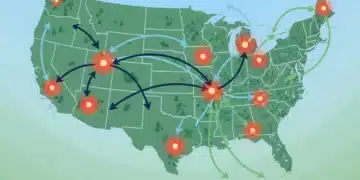
Climate Migration: Financial Impact & Community Adaptation in the U.S. by 2026
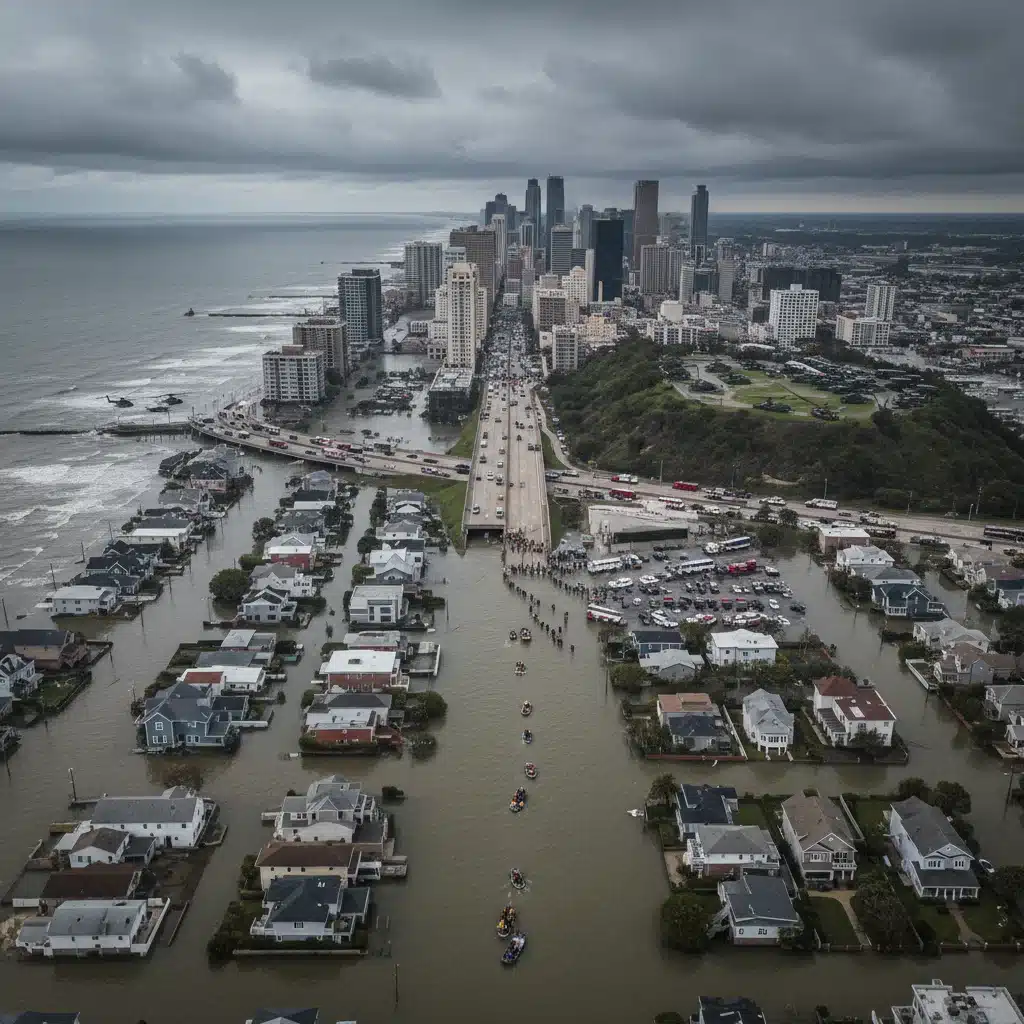
The Financial Impact of Climate Migration: How U.S. Communities Are Adapting to Environmental Shifts by 2026
The United States is no stranger to migration, a nation built on the movement of people seeking new opportunities and better lives. However, a new, increasingly urgent driver for migration is emerging: climate change. As environmental shifts accelerate, from rising sea levels and intensified hurricanes to prolonged droughts and rampant wildfires, an unprecedented wave of internal displacement, commonly referred to as climate migration, is reshaping the demographic and economic landscape of the nation. Understanding the Climate Migration Financial Impact is paramount for policymakers, urban planners, and communities across the U.S. as we look towards 2026 and beyond. This article delves into the multifaceted financial implications of this phenomenon, exploring how U.S. communities are not just reacting, but proactively adapting to these profound environmental shifts.
The concept of climate migration is complex, encompassing both voluntary and involuntary movements. Individuals and families are increasingly choosing to relocate from areas highly vulnerable to climate hazards, while others are forced to move due to immediate disasters. This movement creates a ripple effect, placing significant strain on both sending and receiving communities. The financial consequences are far-reaching, affecting everything from housing markets and infrastructure to social services and local economies. By 2026, many experts predict that the U.S. will see a more pronounced shift in population distribution, with profound economic consequences that demand innovative and resilient adaptation strategies.
Understanding the Drivers of Climate Migration in the U.S.
Before we can fully grasp the Climate Migration Financial Impact, it’s essential to understand the primary environmental stressors compelling people to move. These drivers are diverse and geographically varied across the U.S.:
- Coastal Erosion and Sea-Level Rise: Low-lying coastal areas, particularly in states like Florida, Louisiana, and parts of the Mid-Atlantic, are experiencing increased flooding, saltwater intrusion, and land loss. This directly threatens homes, businesses, and critical infrastructure, making these areas increasingly uninhabitable or economically unviable.
- Extreme Weather Events: The frequency and intensity of hurricanes, tropical storms, and severe flooding events are on the rise. Communities in the Gulf Coast and Southeast are particularly susceptible, facing massive reconstruction costs and repeated displacement.
- Wildfires: The Western U.S., especially California, Oregon, and Washington, grapples with longer and more destructive wildfire seasons. The loss of homes, livelihoods, and the persistent threat to air quality and safety drive residents to seek safer regions.
- Drought and Water Scarcity: Arid regions, notably the Southwest, face chronic water shortages impacting agriculture, industry, and daily life. This pressure on natural resources can lead to economic decline and encourage outward migration.
- Extreme Heat: Urban areas across the country are experiencing more frequent and intense heatwaves, posing significant health risks and increasing energy demands. While perhaps not a primary driver of mass migration on its own, it exacerbates other environmental stressors and reduces quality of life.
These environmental challenges are not isolated; they often interact, creating a complex web of vulnerabilities that amplify the need for relocation. As these trends intensify towards 2026, the cumulative Climate Migration Financial Impact will become a central issue for national economic stability and community planning.
The Direct Financial Costs of Climate Migration on Sending Communities
The communities from which people are migrating face a daunting array of financial challenges. The departure of residents and businesses creates a downward spiral that can be difficult to reverse.
Depreciating Property Values and Tax Base Erosion
As climate risks become more apparent and publicized, property values in vulnerable areas tend to decline. Homeowners struggle to sell their properties, and insurance costs skyrocket, or coverage becomes unavailable. This directly leads to a shrinking local tax base, which is the lifeblood of municipal services. Fewer property taxes mean less funding for schools, roads, public safety, and other essential services, further accelerating the decline of the community.
Loss of Economic Activity and Workforce
Businesses, both large and small, are hesitant to invest in high-risk areas. Existing businesses may choose to relocate, leading to job losses and a decrease in local economic activity. The departure of a significant portion of the workforce also impacts remaining businesses, leading to closures and further economic contraction. This creates a vicious cycle where a declining population leads to a declining economy, which in turn encourages more people to leave. The Climate Migration Financial Impact here is a direct blow to economic vitality.
Infrastructure Abandonment and Maintenance Costs
Communities designed for a larger population suddenly find themselves with excess infrastructure – roads, water pipes, sewage systems, public buildings – that still require maintenance but serve fewer residents. The cost per capita for maintaining this infrastructure increases dramatically. In some cases, entire sections of infrastructure may need to be abandoned, representing a significant sunk cost and loss of public assets. The decision to retreat from certain areas, often termed ‘managed retreat,’ while environmentally sound, carries immense financial and social costs.
Increased Disaster Response and Recovery Expenses
Even as populations dwindle, sending communities remain vulnerable to climate disasters. Each event triggers immense costs for emergency response, temporary housing, debris removal, and rebuilding efforts. Federal aid often covers only a portion of these costs, leaving local governments to bear a substantial financial burden, often without the necessary tax revenue to support it. This continuous cycle of damage and repair is a major component of the Climate Migration Financial Impact.
The Financial Strain on Receiving Communities
While sending communities grapple with decline, receiving communities face their own set of financial pressures as they absorb an influx of climate migrants. These challenges, while different, are equally significant and contribute to the overall Climate Migration Financial Impact across the nation.
Housing Shortages and Price Spikes
An immediate consequence of increased demand is a strain on the housing market. Rents and property values in destination cities and towns can skyrocket, making housing unaffordable for long-term residents and new arrivals alike. This can lead to increased homelessness, overcrowding, and social tensions. Developing new housing infrastructure takes time and significant investment, often lagging behind the pace of migration.
Overburdened Public Services and Infrastructure
A sudden population surge places immense pressure on existing public services. Schools become overcrowded, requiring new teachers and facilities. Healthcare systems face increased demand for services. Transportation networks become congested. Water, sewage, and electricity infrastructure, designed for a smaller population, may struggle to cope, necessitating costly upgrades and expansions. These infrastructural demands are a critical aspect of the Climate Migration Financial Impact.
Increased Social Support and Integration Costs
New arrivals often require social support services, including job placement assistance, language services, and mental health support, especially if they have experienced trauma due to displacement. Integrating new populations into existing social structures can also incur costs related to community programs and resources designed to foster cohesion and prevent social fragmentation. While these are not always direct financial outlays for infrastructure, they represent significant investments in human capital and community well-being.
Economic Competition and Wage Pressures
While an influx of new residents can bring a larger workforce, it can also lead to increased competition for jobs, potentially driving down wages in certain sectors. Local businesses may struggle to adapt to changing consumer demands or face new competition. Managing these economic shifts requires careful planning and investment in workforce development and economic diversification strategies.
Adaptation Strategies: Building Resilience by 2026
Recognizing the growing Climate Migration Financial Impact, U.S. communities are not passively waiting for disaster. Many are actively developing and implementing innovative adaptation strategies to build resilience, both for existing populations and to prepare for future climate migrants. These strategies often involve significant upfront investment but promise long-term financial savings and enhanced community stability.
Investing in Resilient Infrastructure
Forward-thinking communities are prioritizing infrastructure upgrades designed to withstand future climate impacts. This includes:
- Green Infrastructure: Implementing natural systems like wetlands, permeable pavements, and urban forests to manage stormwater, reduce heat island effects, and improve air quality. These solutions are often more cost-effective and environmentally friendly than traditional ‘gray’ infrastructure.
- Hardening Critical Infrastructure: Reinforcing levees, sea walls, and flood barriers. Elevating roads and buildings in flood-prone areas. Upgrading power grids to be more resilient to extreme weather.
- Smart Growth and Urban Planning: Directing new development away from high-risk zones, promoting mixed-use zoning, and investing in public transportation to reduce carbon footprints and create more livable, sustainable communities.
These investments are crucial for mitigating future damages and reducing the long-term Climate Migration Financial Impact of climate-related disasters.

Economic Diversification and Innovation
Communities are looking beyond traditional industries to create more resilient local economies. This involves:
- Fostering Green Industries: Investing in renewable energy, sustainable agriculture, and eco-tourism to create new jobs and reduce reliance on climate-vulnerable sectors.
- Promoting Remote Work Opportunities: Encouraging policies that support remote work can attract a diverse workforce without necessarily increasing the physical footprint or strain on local infrastructure.
- Supporting Small Businesses and Local Economies: Building strong local supply chains and supporting small enterprises can make communities more resilient to external economic shocks and provide stable employment.
A diversified economy is better equipped to absorb the shocks of climate change and support both existing residents and new arrivals, thereby minimizing the negative Climate Migration Financial Impact.
Strategic Housing and Land Use Planning
Addressing housing challenges is central to adapting to climate migration. Strategies include:
- Affordable Housing Initiatives: Developing programs to build and preserve affordable housing units to accommodate new residents without displacing existing ones. This might involve land trusts, inclusionary zoning, and public-private partnerships.
- Managed Retreat Planning: For the most vulnerable areas, communities are beginning to plan for managed retreat – a phased, strategic relocation of residents and infrastructure. While challenging, this proactive approach can be more financially sound than repeated rebuilding. This requires significant foresight and community engagement to ensure equitable outcomes.
- Zoning for Resilience: Implementing zoning changes that restrict development in high-risk areas and encourage it in safer, more resilient locations. This might also include incentives for building climate-resilient homes.
By 2026, these proactive housing and land-use strategies will be critical in managing population shifts and mitigating the Climate Migration Financial Impact on housing markets.
Strengthening Social Cohesion and Support Systems
Successful adaptation also involves investing in the social fabric of communities. This means:
- Community Engagement and Planning: Involving all community members, including current residents and potential future migrants, in planning processes to ensure solutions are equitable and address diverse needs.
- Developing Robust Social Services: Expanding access to healthcare, education, and mental health services to support both existing populations and new arrivals.
- Building Networks of Support: Creating programs that facilitate the integration of new residents, foster inter-community understanding, and build social capital.
These social investments are essential for creating welcoming and stable communities that can thrive amidst environmental change, ultimately reducing the broader Climate Migration Financial Impact.
Policy and Funding Mechanisms for Adaptation
Effective adaptation to the Climate Migration Financial Impact requires robust policy frameworks and significant funding. Federal, state, and local governments, along with private entities, all have a role to play.
Federal Government Initiatives
The federal government is increasingly recognizing the need to address climate migration. Initiatives include:
- Disaster Mitigation Funding: Programs like FEMA’s Hazard Mitigation Grant Program (HMGP) provide funds for communities to implement long-term hazard reduction measures.
- Infrastructure Investment: Federal infrastructure bills are directing funds towards resilient infrastructure projects, including upgrades to water systems, transportation, and energy grids.
- Research and Data Collection: Investing in better climate modeling and demographic data to inform planning and policy decisions regarding migration patterns.
However, more coordinated and dedicated federal strategies specifically targeting climate migration are needed to truly address the scale of the challenge by 2026.
State and Local Innovation
Many states and municipalities are at the forefront of developing innovative solutions:
- State-level Climate Resilience Plans: States like California and Massachusetts have developed comprehensive climate action plans that include provisions for adapting to population shifts.
- Local Bond Measures: Communities are passing local bond measures to fund resilience projects, demonstrating local commitment to addressing climate risks.
- Public-Private Partnerships: Collaborations between local governments and private sector companies are helping to finance and implement large-scale adaptation projects.
These localized efforts are crucial for tailoring solutions to specific regional needs and managing the local Climate Migration Financial Impact.
The Role of Insurance and Financial Markets
The insurance industry is a critical player in both highlighting risks and incentivizing adaptation. As climate risks escalate, insurance premiums in vulnerable areas rise, and some areas may become uninsurable, effectively forcing conversations about relocation. New financial products, such as resilience bonds or catastrophe bonds, are emerging to help communities fund climate adaptation projects. Understanding these market dynamics is key to anticipating future Climate Migration Financial Impact.
The Outlook for 2026 and Beyond
As we approach 2026, the discussion around the Climate Migration Financial Impact will only intensify. The trends indicate that climate-driven displacement will continue, and potentially accelerate. Communities that proactively plan and invest in resilience will be better positioned to weather these changes, both economically and socially. Those that delay will likely face escalating costs and greater disruption.
The challenge is not merely about managing the movement of people, but about transforming our understanding of community, infrastructure, and economic development in the face of a changing climate. It requires a paradigm shift from reactive disaster response to proactive climate adaptation and mitigation. The goal is not just to survive but to thrive in a new environmental reality, ensuring that all communities, whether sending or receiving, can build a sustainable and equitable future.
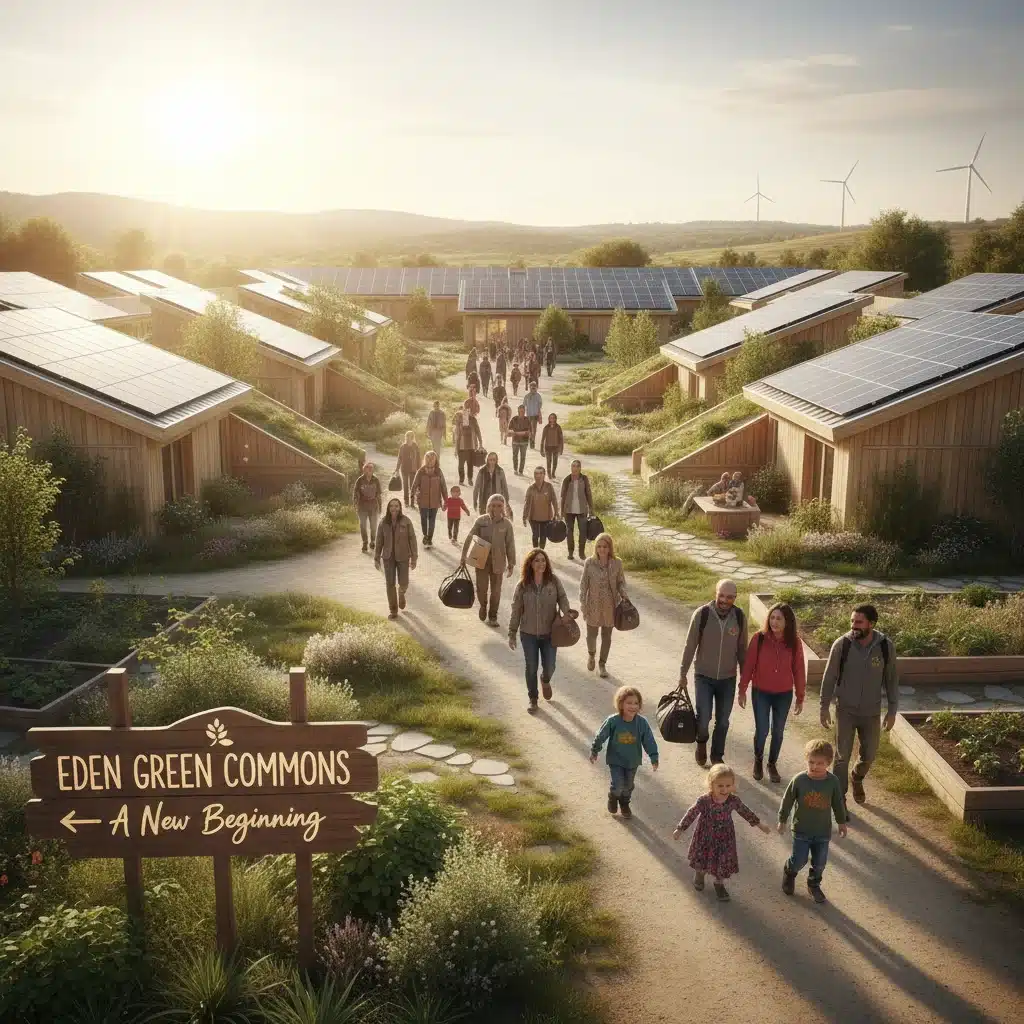
This complex issue demands integrated solutions that span environmental science, urban planning, economics, and social policy. The financial implications are too significant to ignore, and the human cost of inaction is even greater. By focusing on smart investments in resilient infrastructure, diversified economies, strategic housing, and strong social support systems, U.S. communities can begin to adapt effectively to the environmental shifts of our time, mitigating the severe Climate Migration Financial Impact and fostering a more secure future for all its residents.