From Quiet Quitting to Loud Thriving: US Workplace Shifts 2026

From ‘Quiet Quitting’ to ‘Loud Thriving’: 5 Cultural Shifts in US Workplace Dynamics for 2026 (PRACTICAL SOLUTIONS)
The American workplace is a dynamic ecosystem, constantly evolving in response to technological advancements, societal changes, and shifting employee expectations. The past few years have seen seismic shifts, perhaps none more indicative of underlying discontent than the phenomenon of ‘quiet quitting’ – a subtle withdrawal of engagement where employees do the bare minimum, but no more. However, as we look towards 2026, the narrative is poised for a significant transformation. We are moving beyond mere compliance towards a proactive culture of ‘loud thriving,’ where employees are not just present but actively engaged, innovative, and deeply connected to their work and organization. Understanding these critical US workplace shifts is not just beneficial; it’s imperative for any organization aiming to attract, retain, and empower top talent.
This article will delve into five pivotal cultural shifts shaping the US workplace dynamics by 2026. More importantly, it will provide practical, actionable solutions for leaders and organizations to navigate these changes effectively, fostering environments where employees don’t just exist, but truly thrive. From redefining flexibility to prioritizing mental well-being, these shifts demand a strategic re-evaluation of traditional workplace norms. The goal is to cultivate a culture where employees feel valued, empowered, and inspired to contribute their best, turning the tide from quiet resignation to vibrant participation.
Let’s explore these transformative shifts and the practical steps organizations can take to embrace them, ensuring a future of sustained growth and employee satisfaction in the evolving US workplace.
Shift 1: The Permanent Reign of Hybrid Work and Distributed Teams
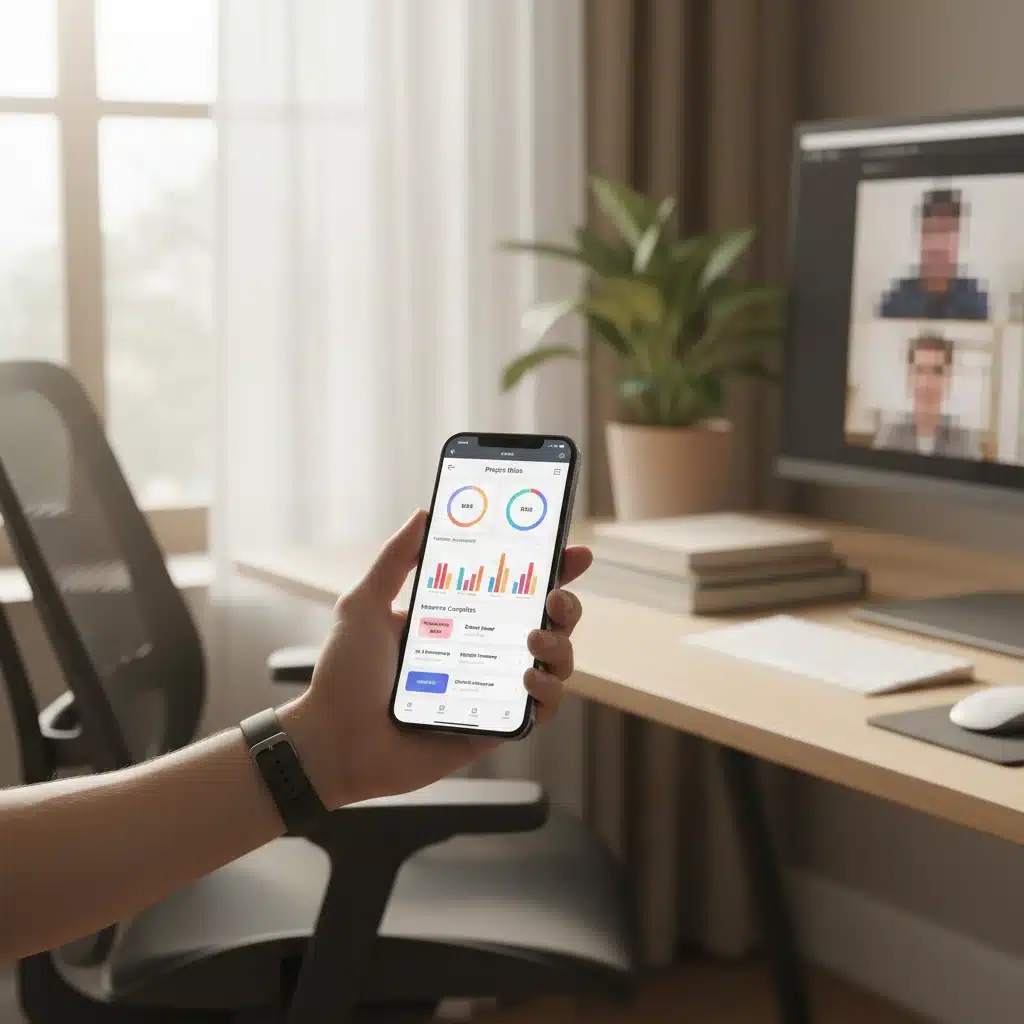
The COVID-19 pandemic undeniably accelerated the adoption of remote work, but what began as a necessity has firmly cemented itself as a preference, evolving into sophisticated hybrid models. By 2026, the ‘either/or’ debate between office and home will largely be obsolete. The dominant paradigm will be a flexible, hybrid approach, where employees seamlessly integrate work from various locations – home, co-working spaces, and traditional offices – dictated by task, team needs, and personal preference. This shift isn’t just about location; it’s about a fundamental redefinition of how work gets done and how teams collaborate across geographical boundaries. Organizations failing to adapt to this new reality risk losing out on a significant portion of the talent pool, as flexibility is now a non-negotiable expectation for many.
Practical Solutions for Hybrid Work Success:
- Invest in Asynchronous Communication Tools: While real-time video calls have their place, relying solely on them can create ‘Zoom fatigue’ and disadvantage those in different time zones or with varying work schedules. Implement robust asynchronous communication platforms (e.g., Slack, Microsoft Teams, project management software with strong discussion features) that allow team members to contribute, review, and collaborate at their own pace. This fosters inclusivity and ensures critical information is accessible to everyone, regardless of their immediate availability.
- Redesign Office Spaces for Collaboration & Connection: The physical office is no longer a place for individual heads-down work; that can often be done more effectively at home. Future offices should be redesigned as hubs for collaboration, innovation, and social connection. Think flexible meeting rooms, brainstorming zones, comfortable lounge areas, and dedicated spaces for team-building activities. The office becomes a destination for specific, high-value interactions, not just a daily commute.
- Establish Clear Hybrid Work Policies and Expectations: Ambiguity breeds frustration. Develop transparent policies outlining expectations for in-office attendance (e.g., specific days for team meetings, quarterly all-hands gatherings), communication protocols, and performance metrics. Ensure these policies are communicated clearly and consistently across the organization. Flexibility should not equate to a lack of structure.
- Equip Employees for Remote Success: Provide ergonomic equipment, reliable internet stipends, and access to necessary software and hardware. Beyond physical tools, offer training on effective remote collaboration, digital etiquette, and time management strategies specific to hybrid environments. Investing in employee well-being in their remote setup directly impacts productivity and engagement.
- Foster a Culture of Trust and Autonomy: Micromanagement is a death knell for hybrid work success. Leaders must shift from a ‘presenteeism’ mindset to one focused on results and outcomes. Empower employees with autonomy over their schedules and work methods, trusting them to deliver. Regular check-ins focused on progress, challenges, and support needs, rather than hours logged, will build this trust.
Shift 2: The Prioritization of Holistic Employee Well-being and Mental Health
The pandemic brought mental health to the forefront of workplace discussions, and this focus is not receding. By 2026, organizations will be expected to move beyond superficial wellness programs to genuinely integrate holistic employee well-being – encompassing mental, emotional, physical, and financial health – into their core culture. This isn’t just about offering an Employee Assistance Program (EAP); it’s about creating an environment where employees feel safe to discuss mental health, where burnout is actively prevented, and where support systems are robust and easily accessible. The stigma surrounding mental health in the workplace is diminishing, and companies that champion this shift will be seen as employers of choice, a crucial factor in the competitive US workplace talent market.
Practical Solutions for Holistic Well-being:
- Train Leaders in Mental Health First Aid & Empathy: Managers are often the first point of contact for employees struggling with well-being. Provide comprehensive training to equip leaders with the skills to recognize signs of distress, engage in empathetic conversations, and direct employees to appropriate resources. This normalizes mental health discussions and builds a supportive leadership layer.
- Implement Proactive Burnout Prevention Strategies: Instead of reacting to burnout, proactively design work processes to prevent it. This includes encouraging regular breaks, promoting reasonable work hours, setting clear boundaries between work and personal life (especially in hybrid models), and regularly assessing workload distribution. Tools that help monitor team capacity can be invaluable.
- Offer Comprehensive and Accessible Mental Health Benefits: Go beyond basic EAPs. Ensure health insurance plans include robust mental health coverage, offer access to diverse mental health professionals (therapists, coaches), and consider on-site or virtual wellness programs focused on stress reduction, mindfulness, and resilience. Make access to these resources simple and confidential.
- Cultivate a Culture of Openness and Psychological Safety: Create an environment where employees feel safe to speak up about their struggles without fear of judgment or negative repercussions. Leaders can model this by openly discussing their own well-being challenges (where appropriate) and by actively listening to employee feedback regarding stress and workload. Regular pulse surveys focused on well-being can provide valuable insights.
- Support Financial Well-being: Financial stress significantly impacts mental health. Offer resources such as financial literacy workshops, access to financial planning tools, and competitive compensation packages. Consider benefits like student loan repayment assistance or emergency savings programs to alleviate common financial burdens.
Shift 3: The Rise of Purpose-Driven Work and Values Alignment
Employees, particularly younger generations, are increasingly seeking more than just a paycheck; they want purpose. By 2026, organizations that clearly articulate their mission, values, and societal impact will have a significant advantage in attracting and retaining talent. This shift means moving beyond corporate social responsibility as a separate initiative to embedding purpose into the very fabric of the business. Employees want to feel that their work contributes to something meaningful, aligns with their personal values, and that their employer is a responsible corporate citizen. ‘Quiet quitting’ often stems from a lack of connection to organizational purpose, making this shift crucial for fostering ‘loud thriving’ in the US workplace.
Practical Solutions for Purpose-Driven Engagement:
- Clearly Articulate and Live Your Organizational Purpose and Values: Go beyond a mission statement on a wall. Regularly communicate your company’s purpose, how individual roles contribute to it, and how the organization lives its values in day-to-day operations and strategic decisions. Authenticity is key; employees can spot hypocrisy.
- Connect Individual Roles to the Bigger Picture: Help employees understand how their specific tasks and responsibilities contribute to the company’s overall mission and impact. Regularly share success stories, customer testimonials, and examples of the positive difference the company is making. This fosters a sense of meaning and importance in their daily work.
- Offer Opportunities for Social Impact: Provide avenues for employees to contribute to causes they care about, either through company-sponsored initiatives (e.g., volunteer days, pro-bono work) or by supporting individual efforts. This could include matching charitable donations or offering paid time off for volunteering.
- Ensure Ethical and Sustainable Practices: Employees are scrutinizing their employers’ environmental, social, and governance (ESG) practices. Demonstrate a genuine commitment to ethical business conduct, sustainability, and diversity, equity, and inclusion. Transparency about these efforts builds trust and aligns with employee values.
- Empower Employee Voice in Purpose Initiatives:
Involve employees in shaping the company’s purpose-driven initiatives. This could be through internal committees, feedback channels, or co-creation workshops. When employees have a say, they feel more ownership and connection to the cause.
Shift 4: The Imperative of Inclusive Leadership and Equitable Opportunities
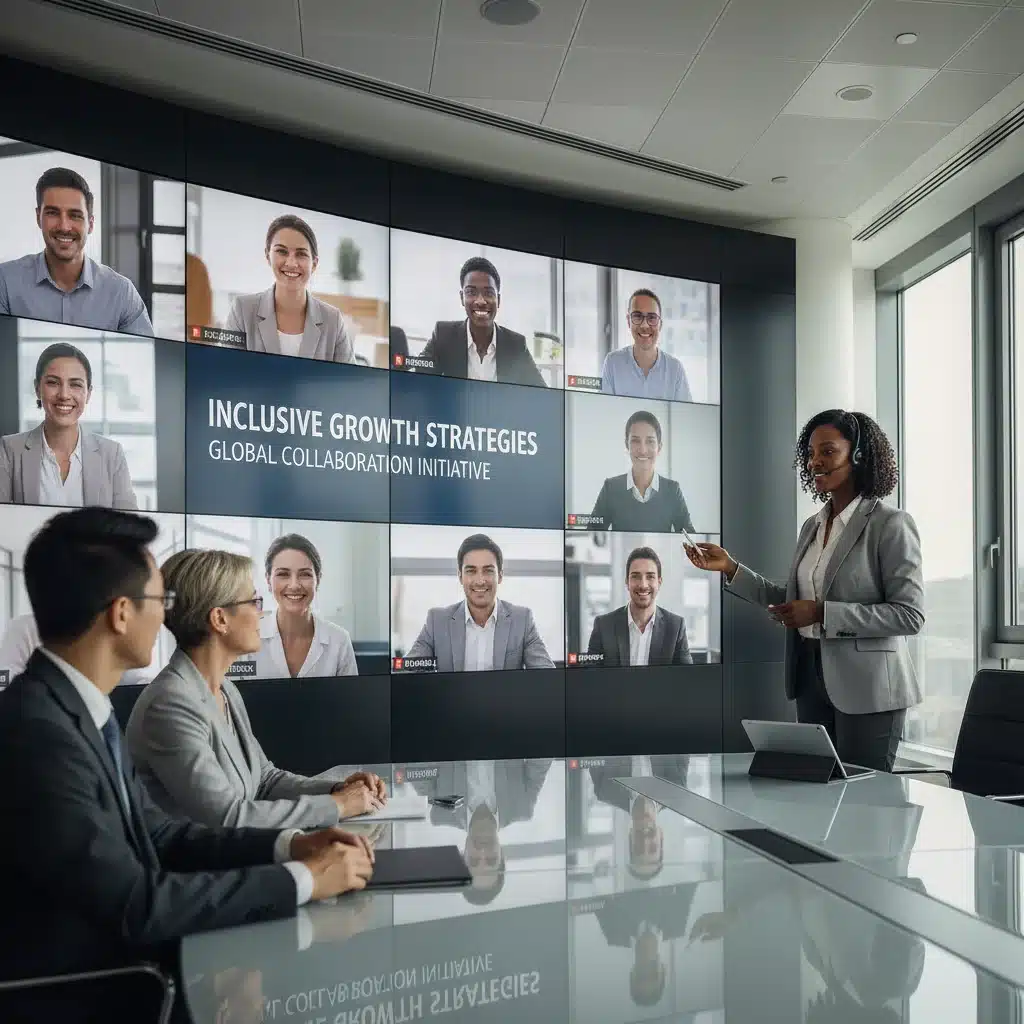
Diversity, Equity, and Inclusion (DEI) is no longer a buzzword; it’s a foundational pillar of a high-performing and ethical organization. By 2026, the focus will shift from simply having diverse representation to actively fostering truly inclusive environments led by equitable practices. This means moving beyond unconscious bias training to embedding inclusive leadership principles into management practices, ensuring equitable access to opportunities, and creating a culture where every voice is heard and valued. Organizations that genuinely embrace DEI will unlock innovation, enhance problem-solving, and build stronger, more resilient teams, crucial for navigating the complexities of the modern US workplace.
Practical Solutions for Inclusive Leadership & Equity:
- Implement Inclusive Leadership Training: Train leaders not just on what DEI means, but on how to actively practice inclusive behaviors – active listening, promoting diverse perspectives, challenging assumptions, and creating psychological safety for all team members. This includes training on identifying and mitigating unconscious biases in hiring, promotion, and performance reviews.
- Establish Equitable Talent Management Processes: Review and revise all talent management processes – from recruitment and onboarding to performance management and promotions – to eliminate biases and ensure equitable opportunities. Implement blind resume reviews, standardized interview questions, diverse interview panels, and transparent criteria for advancement.
- Foster Employee Resource Groups (ERGs) and Affinity Networks: Support and empower ERGs as vital channels for community, advocacy, and feedback. These groups provide a sense of belonging for underrepresented employees and offer valuable insights to leadership on how to improve inclusivity within the organization.
- Promote Psychological Safety and Speak-Up Culture: Create an environment where employees feel safe to express dissenting opinions, report microaggressions, and challenge the status quo without fear of retaliation. Leaders must actively solicit diverse perspectives and demonstrate that feedback is valued and acted upon.
- Measure and Report on DEI Progress: What gets measured gets done. Establish clear DEI metrics (e.g., representation across levels, pay equity, employee sentiment scores on inclusion) and regularly track progress. Transparently share these metrics with employees and hold leaders accountable for driving improvement.
Shift 5: The Continuous Upskilling and Reskilling Revolution
Technological advancements, particularly in AI and automation, are rapidly transforming job roles and skill requirements. By 2026, the traditional model of static job descriptions and one-time training will be completely inadequate. Organizations must embrace a culture of continuous learning, proactively investing in upskilling and reskilling their workforce to remain competitive and relevant. This shift is not just about adapting to new tools; it’s about fostering a growth mindset among employees and building an agile workforce capable of evolving with the demands of the future US workplace. It’s about empowering employees to take ownership of their career development within the organization, turning potential quiet quitters into loud learners and innovators.
Practical Solutions for Continuous Learning:
- Develop a Strategic Learning & Development Roadmap: Identify future skill gaps based on business strategy and technological trends. Create a comprehensive learning roadmap that outlines necessary skills, available training resources, and career pathways. This proactive approach ensures the workforce remains future-proof.
- Implement Personalized Learning Pathways: Recognize that not all employees learn the same way or need the same skills. Offer personalized learning pathways through online courses, certifications, workshops, mentorship programs, and internal job rotations. Leverage AI-powered learning platforms to recommend relevant content.
- Foster a Culture of Continuous Learning: Encourage and reward curiosity, experimentation, and knowledge sharing. Integrate learning into daily work routines by dedicating time for skill development, promoting peer-to-peer learning, and celebrating learning achievements. Leaders should model this behavior by actively engaging in their own professional development.
- Leverage Internal Expertise for Upskilling: Tap into the knowledge and experience of existing employees. Establish internal mentorship programs, expert-led workshops, and knowledge-sharing sessions. This not only builds skills but also strengthens internal networks and fosters a sense of community.
- Invest in Digital Literacy and AI Fluency: As AI becomes ubiquitous, ensure all employees have a foundational understanding of digital tools and AI concepts relevant to their roles. Provide training on how to effectively use AI tools to augment their work, rather than fear job displacement. This empowers them to embrace the future of the US workplace.
Conclusion: Embracing the Future of the US Workplace
The journey from ‘quiet quitting’ to ‘loud thriving’ is not a passive one. It requires intentional effort, strategic investment, and a fundamental shift in leadership mindset. The five cultural shifts outlined – the permanent reign of hybrid work, the prioritization of holistic well-being, the rise of purpose-driven work, the imperative of inclusive leadership, and the continuous upskilling revolution – are not isolated trends. They are interconnected forces shaping the very fabric of the US workplace dynamics by 2026. Organizations that proactively embrace these shifts and implement the practical solutions provided will not only survive but will flourish. They will build resilient, innovative, and highly engaged workforces where employees feel valued, empowered, and inspired to contribute their best, transforming the American workplace into a beacon of productivity and human potential. The future belongs to those who are prepared to listen, adapt, and lead with purpose and empathy.
By understanding these evolving expectations and acting decisively, leaders can create environments where employees are not just present, but passionately engaged, turning the tide from silent disengagement to vibrant, collective success. The time to build the workplace of 2026 is now.