Blockchain Beyond Crypto: 7 Enterprise Use Cases Delivering Tangible Value in 2026

Blockchain Beyond Crypto: 7 Enterprise Use Cases Delivering Tangible Value in 2026
The narrative surrounding blockchain technology has long been dominated by cryptocurrencies. Bitcoin and Ethereum have, for many, defined the public perception of what blockchain is and what it can do. However, as we look towards 2026 and beyond, a profound shift is occurring. Enterprise blockchain solutions are emerging from the shadows of speculative digital assets, proving their mettle as foundational technologies capable of delivering immense, tangible value across a myriad of industries. This isn’t just about faster transactions or new forms of digital money; it’s about fundamentally rethinking how businesses operate, how data is managed, and how trust is established in an increasingly complex global economy. The true power of enterprise blockchain solutions lies in their ability to create immutable, transparent, and secure distributed ledgers, enabling unprecedented levels of efficiency, accountability, and innovation.
The journey from a niche technology to a mainstream enterprise tool has been fraught with challenges, including scalability concerns, regulatory uncertainties, and a steep learning curve for businesses. Yet, through persistent innovation and strategic partnerships, these hurdles are being overcome. Companies are now actively exploring and implementing blockchain not just as a proof-of-concept, but as a core component of their digital transformation strategies. The focus has shifted from “can it work?” to “how can it transform our operations?” This article will delve into seven critical enterprise blockchain solutions that are not merely hypothetical but are actively demonstrating and promising significant tangible value by 2026. These applications highlight the versatility and transformative potential of blockchain when applied to real-world business problems, moving far beyond its cryptocurrency origins.
1. Revolutionizing Supply Chain Transparency and Traceability
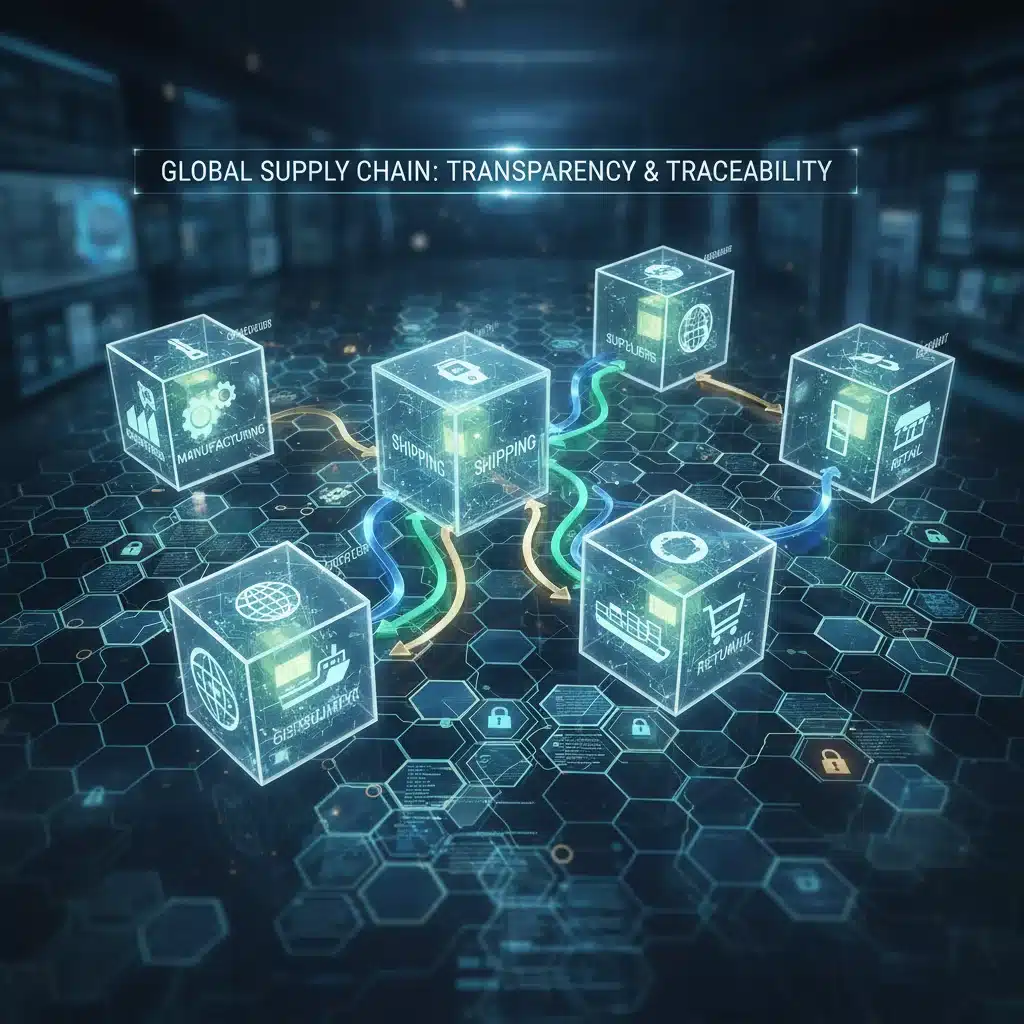
One of the most compelling and widely adopted enterprise blockchain solutions is in the realm of supply chain management. Traditional supply chains are notoriously opaque, fragmented, and vulnerable to fraud, inefficiencies, and ethical concerns. From sourcing raw materials to delivering finished products, tracking goods across multiple intermediaries, geographies, and regulatory frameworks is a monumental challenge. This lack of transparency can lead to significant problems: counterfeit goods, unsustainable practices, product recalls, and an inability to quickly pinpoint the source of issues.
Blockchain offers a paradigm shift. By creating an immutable, shared ledger that records every transaction and movement of a product, from its origin to the end consumer, businesses can achieve unprecedented levels of transparency and traceability. Each participant in the supply chain – suppliers, manufacturers, logistics providers, retailers, and even consumers – can access a single, trusted source of truth. This means that when a product moves, its journey is recorded on the blockchain, creating a verifiable and tamper-proof history. This capability is not just about tracking; it’s about building trust and accountability.
For instance, in the food industry, consumers increasingly demand to know the origin of their food, how it was grown, and its journey to their plate. Blockchain platforms allow them to scan a QR code and instantly access a detailed history of the product, including farm origin, harvest dates, processing locations, and transportation details. This not only builds consumer confidence but also enables rapid identification and isolation of contaminated products in the event of a recall, significantly reducing health risks and financial losses. Similarly, in the pharmaceutical sector, blockchain can combat counterfeit drugs, ensuring the integrity and authenticity of medications from production to patient. The ability to verify the provenance of every component in a complex product, like an automobile or an aircraft, also dramatically enhances safety and maintenance protocols.
By 2026, we anticipate that most major global supply chains will have integrated some form of blockchain technology, driven by consumer demand for ethical sourcing, regulatory pressure for greater accountability, and the inherent cost savings derived from reduced fraud and improved operational efficiency. The tangible value here is multifaceted: enhanced brand reputation, increased consumer trust, reduced recall costs, improved compliance, and a more resilient and sustainable supply chain ecosystem. These enterprise blockchain solutions are moving beyond pilot programs to become integral operational components.
2. Enhancing Digital Identity and Access Management
In our increasingly digital world, managing identities and access securely is paramount. Traditional identity systems are centralized, making them vulnerable to data breaches and giving individuals limited control over their personal information. Every online service, every application, every transaction requires us to share sensitive data, often resulting in fragmented digital footprints and a higher risk of identity theft. This is not just a consumer problem; enterprises grapple with managing employee, customer, and partner identities securely and efficiently, often incurring significant costs and administrative overhead.
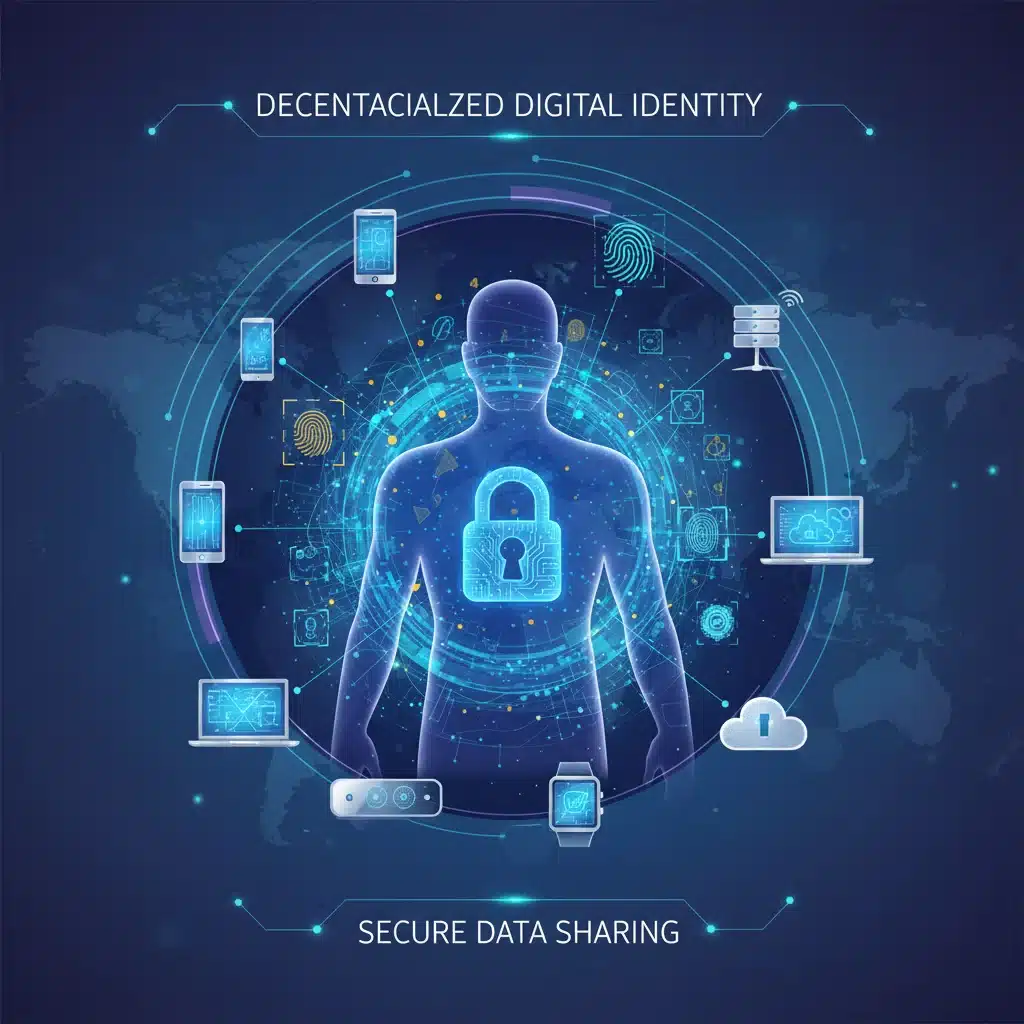
Decentralized Digital Identity (DID) built on enterprise blockchain solutions offers a revolutionary approach. Instead of a central authority controlling identity, individuals gain sovereign control over their data. Blockchain provides a secure, immutable ledger to store verifiable credentials – such as educational degrees, professional certifications, or government IDs – issued by trusted entities. Users can then selectively share specific attributes of their identity without revealing the entire underlying document. For example, to prove they are over 18, they can present a verifiable credential that only confirms their age, without disclosing their exact birth date or other personal details.
The tangible value for both individuals and enterprises is immense. For individuals, it means enhanced privacy, reduced risk of identity theft, and greater control over their personal data. For businesses, DID simplifies onboarding processes, reduces compliance costs associated with KYC (Know Your Customer) and AML (Anti-Money Laundering) regulations, and strengthens cybersecurity postures. Employees can use their self-sovereign identity to access corporate systems securely, while customers can streamline their interactions with various service providers without repeatedly submitting the same information. This also opens up possibilities for more secure and efficient voting systems, healthcare record management, and cross-border digital services.
By 2026, we expect to see widespread adoption of DID frameworks, particularly in regulated industries like finance and healthcare, and in government services. The shift towards self-sovereign identity will not only empower individuals but also foster a more secure and efficient digital economy, significantly reducing the administrative burden and security risks associated with traditional identity management systems. These enterprise blockchain solutions are pivotal for the future of online interactions.
3. Streamlining Cross-Border Payments and Remittances
The global financial system, particularly when it comes to cross-border payments, remains remarkably inefficient and expensive. Traditional methods involve multiple intermediaries, slow settlement times (often days), high transaction fees, and a lack of transparency. This inefficiency disproportionately affects migrant workers sending remittances home and businesses engaging in international trade, where delays and costs can significantly impact profitability and liquidity.
Enterprise blockchain solutions are poised to disrupt this archaic system. By leveraging distributed ledger technology, financial institutions can facilitate near-instantaneous, low-cost, and transparent cross-border transactions. Instead of funds moving through a convoluted network of correspondent banks, blockchain allows for direct, peer-to-peer value transfer. This eliminates intermediaries, reduces settlement times from days to minutes or even seconds, and significantly lowers transaction fees. The immutability of the blockchain also provides an auditable trail, enhancing compliance and reducing opportunities for fraud.
Companies like Ripple have been at the forefront of this transformation, building networks that connect banks and payment providers using blockchain technology. The tangible value here is clear: businesses can manage their international cash flow more effectively, reduce operational costs, and offer more competitive services to their clients. For individuals, especially those in developing nations, blockchain-powered remittance services mean more of their hard-earned money reaches their families faster, without being eroded by exorbitant fees. This also opens up financial services to the unbanked and underbanked populations globally, fostering greater financial inclusion.
By 2026, it is highly probable that a significant portion of cross-border payments will be routed through blockchain-based systems. The benefits in terms of speed, cost, and transparency are too compelling for financial institutions to ignore, making these enterprise blockchain solutions a cornerstone of modern global finance.
4. Revolutionizing Healthcare Data Management and Interoperability
The healthcare industry faces a critical challenge: fragmented patient data, lack of interoperability between different systems, and persistent privacy concerns. Patient records are often siloed in different hospitals, clinics, and insurance providers, making it difficult for healthcare professionals to access a complete and accurate view of a patient’s medical history. This can lead to misdiagnoses, redundant tests, and suboptimal treatment plans, ultimately impacting patient outcomes and increasing healthcare costs. Moreover, sharing sensitive health data for research purposes is cumbersome and fraught with privacy risks.
Enterprise blockchain solutions offer a powerful framework to address these issues. By creating a secure, encrypted, and immutable distributed ledger for patient medical records, blockchain can ensure that all relevant stakeholders – patients, doctors, hospitals, and researchers – have access to a single, consistent, and up-to-date source of truth. Patients can control who accesses their data, granting and revoking permissions as needed, thereby enhancing privacy and empowering individuals in their healthcare journey. Smart contracts can automate data sharing agreements, ensuring that data is only accessed under predefined conditions.
The tangible value is profound. Improved interoperability leads to better-coordinated care, reducing medical errors and improving patient safety. Researchers can access anonymized or permissioned datasets more easily, accelerating drug discovery and medical advancements. Administrative burdens associated with record keeping and data sharing are significantly reduced, freeing up resources for patient care. Furthermore, blockchain can enhance the security of clinical trials, ensuring data integrity and preventing manipulation. By 2026, we anticipate that blockchain will play a crucial role in building patient-centric healthcare ecosystems, fostering greater trust, efficiency, and innovation across the sector. These enterprise blockchain solutions are not just about technology; they are about improving human well-being.
5. Enhancing Intellectual Property (IP) Management and Royalties
In creative industries – music, art, literature, and digital content – managing intellectual property rights, proving ownership, and ensuring fair royalty distribution are persistent challenges. Creators often struggle to protect their work from infringement, track its usage, and receive timely and accurate payments from various platforms and distributors. The current system is complex, slow, and often lacks transparency, leading to disputes and financial losses for artists and innovators.
Blockchain provides an elegant solution. By registering intellectual property on an immutable ledger, creators can establish an undeniable proof of ownership and a timestamp of creation. This digital fingerprint serves as verifiable evidence against infringement. Furthermore, smart contracts can automate the distribution of royalties based on predefined rules. For example, every time a song is streamed or an artwork is viewed, a smart contract can automatically trigger a micro-payment to the creator, ensuring fair and transparent compensation without the need for intermediaries.
The tangible value here is immense for artists, musicians, writers, and software developers. It empowers creators by giving them greater control over their work and ensuring they are fairly compensated. It also streamlines the administrative burden of tracking usage and negotiating royalties, allowing them to focus more on their creative endeavors. For enterprises that license content, blockchain offers a transparent and auditable system for managing rights and payments, reducing legal complexities and disputes. By 2026, we foresee blockchain becoming the backbone of IP management in many creative sectors, fostering a more equitable and efficient ecosystem for creators and consumers alike. These enterprise blockchain solutions are about empowering the creative economy.
6. Facilitating Decentralized Energy Trading and Grid Management
The energy sector is undergoing a massive transformation, driven by the rise of renewable energy sources, distributed generation (e.g., rooftop solar panels), and the increasing need for grid efficiency and resilience. Traditional centralized energy grids are not optimally designed for this new paradigm, leading to challenges in managing fluctuating supply, integrating diverse energy sources, and compensating prosumers (consumers who also produce energy).
Enterprise blockchain solutions can enable a truly decentralized energy marketplace. Imagine a future where homeowners with solar panels can directly sell their surplus energy to their neighbors or to the grid, without the need for a central utility as the sole intermediary. Blockchain can facilitate peer-to-peer energy trading through smart contracts, automatically executing transactions based on predefined conditions like price and availability. This creates a more dynamic, efficient, and localized energy market.
The tangible value is significant. It empowers individual energy producers, encourages the adoption of renewable energy, and improves grid stability by optimizing local energy flows. Utilities can use blockchain for more efficient grid management, demand-response programs, and ensuring the authenticity of renewable energy credits. This also opens up possibilities for microgrids and community-based energy initiatives, fostering greater energy independence and sustainability. By 2026, we expect to see pilot projects scale into robust, operational blockchain-powered energy trading platforms, contributing to a greener and more resilient energy future. These enterprise blockchain solutions are critical for sustainable development.
7. Enhancing Internet of Things (IoT) Security and Data Integrity
The proliferation of IoT devices – from smart home appliances to industrial sensors – presents both enormous opportunities and significant security challenges. Billions of interconnected devices generate vast amounts of data, but this data is often vulnerable to tampering, and the devices themselves are susceptible to hacking. Centralized cloud platforms that manage IoT data can become single points of failure, raising concerns about data integrity, privacy, and system resilience.
Blockchain offers a robust solution for enhancing IoT security and ensuring data integrity. By integrating IoT devices with a blockchain, every data point generated can be recorded as an immutable transaction. This creates an unalterable audit trail, making it impossible to tamper with sensor readings, machine logs, or environmental data without detection. Smart contracts can automate responses based on verified IoT data, for instance, triggering maintenance requests when a machine’s temperature exceeds a certain threshold, or adjusting environmental controls based on real-time sensor input.
The tangible value for enterprises leveraging IoT is immense. In industrial IoT (IIoT), blockchain can secure critical infrastructure, prevent data manipulation in manufacturing processes, and ensure the authenticity of sensor data used for predictive maintenance. In smart cities, it can secure data from traffic sensors, public utilities, and environmental monitors, enabling more reliable and trustworthy urban management. For consumers, blockchain can enhance the security and privacy of their smart home devices, giving them greater control over their personal data. By 2026, blockchain will be an indispensable layer for securing IoT ecosystems, fostering greater trust in connected devices and enabling more sophisticated and reliable automated systems. These enterprise blockchain solutions are fundamental for the next wave of digital transformation.
The Road Ahead: Challenges and Opportunities for Enterprise Blockchain Solutions
While the potential of enterprise blockchain solutions is undeniable, their widespread adoption is not without challenges. Scalability remains a key concern, as public blockchains often struggle with transaction throughput, though private and consortium blockchains are designed to address this. Interoperability between different blockchain networks and with existing legacy systems is another hurdle that requires standardized protocols and innovative solutions. Regulatory clarity is also crucial; as blockchain technology evolves, governments and regulatory bodies are still catching up, creating an environment of uncertainty for businesses.
However, the opportunities far outweigh these challenges. The continuous innovation in consensus mechanisms, layer-2 solutions, and cross-chain communication protocols is rapidly addressing scalability and interoperability issues. Furthermore, increased collaboration between industry players, technology providers, and academic institutions is fostering a more mature and robust ecosystem for enterprise blockchain. As businesses gain a deeper understanding of blockchain’s capabilities and move beyond the hype, they are discovering that the technology offers a unique combination of security, transparency, and efficiency that traditional systems simply cannot match.
The tangible value proposition of enterprise blockchain solutions extends beyond mere cost savings. It encompasses enhanced trust, improved data integrity, greater operational efficiency, new business models, and increased resilience in the face of disruptions. From preventing fraud in supply chains to empowering individuals with control over their digital identities, blockchain is proving its worth as a transformative force.
Conclusion: A Future Built on Trust and Transparency
By 2026, the perception of blockchain will have fundamentally shifted. It will no longer be primarily associated with speculative cryptocurrencies but rather recognized as a foundational technology driving innovation and value across the global economy. The seven enterprise blockchain solutions explored in this article – supply chain transparency, digital identity, cross-border payments, healthcare data management, IP management, decentralized energy trading, and IoT security – represent just a fraction of its potential applications.
These use cases demonstrate a clear path to delivering tangible value, solving complex real-world problems, and creating more efficient, secure, and equitable systems. Businesses that embrace and strategically implement enterprise blockchain solutions will be better positioned to navigate the complexities of the modern world, build stronger relationships with their stakeholders, and unlock new avenues for growth and innovation. The future, built on the immutable foundations of blockchain, promises to be one of unprecedented trust and transparency.