Voice Search for Consumer Insights: 2026 Guide to Understanding Intent

The digital landscape is in constant flux, and one of the most transformative shifts we’ve witnessed in recent years is the meteoric rise of voice search. What once seemed like a futuristic concept is now an integral part of daily life for millions, shaping how consumers interact with information, products, and services. For businesses, this evolution presents both a challenge and an unparalleled opportunity: the chance to gain profound voice search insights into consumer intent and preferences.
As we look towards 2026, the imperative to understand and adapt to voice search behavior has never been greater. This comprehensive guide will delve into the intricacies of leveraging voice search for consumer insights, providing practical solutions and strategies to help your business not just survive, but thrive in this voice-first world. We’ll explore how to decode the nuances of spoken queries, extract valuable data, and translate those findings into actionable marketing and product development strategies.
The Evolution of Voice Search: A 2026 Perspective
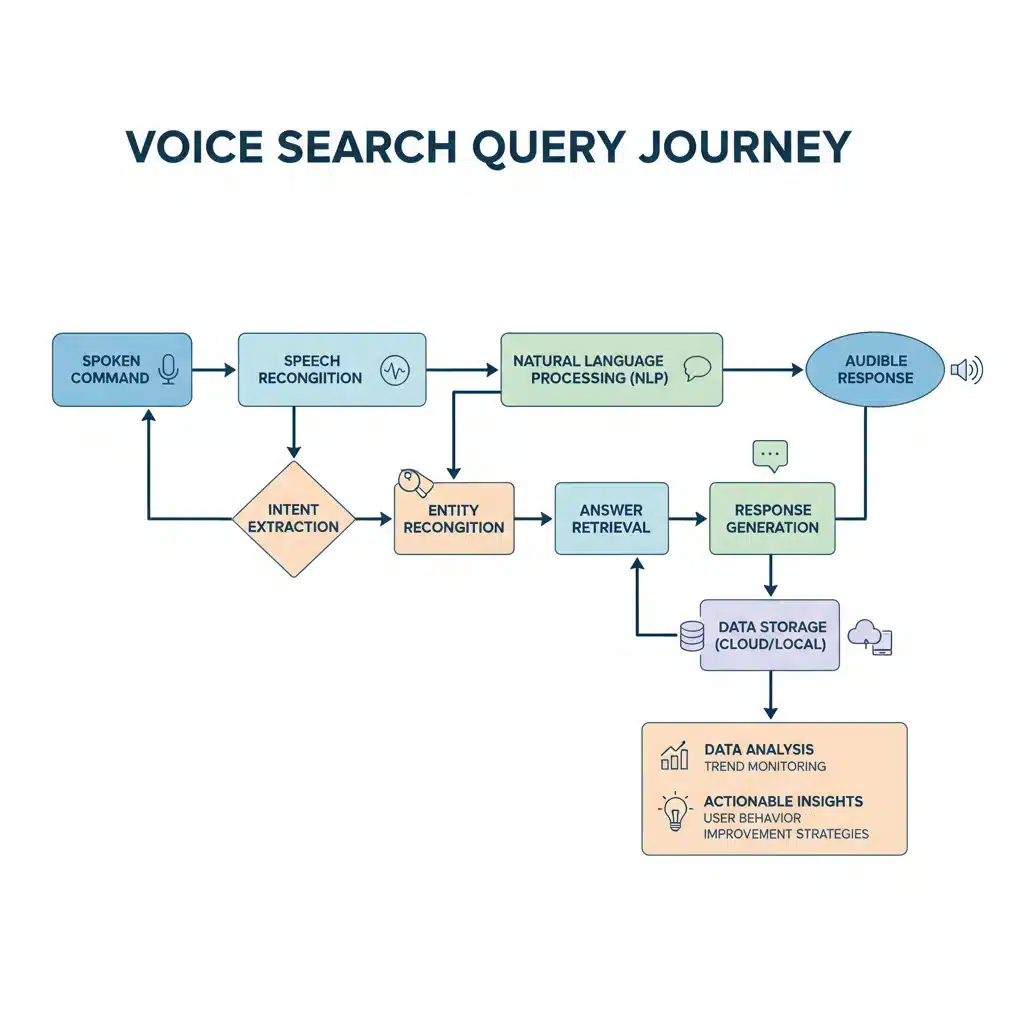
Voice search technology has matured significantly. Beyond simple commands like ‘set a timer’ or ‘what’s the weather,’ today’s voice assistants, powered by advanced artificial intelligence and natural language processing (NLP), can handle complex, conversational queries. This sophistication means consumers are increasingly relying on voice for everything from product research and price comparisons to local business discovery and even making direct purchases.
By 2026, voice search is projected to account for an even larger share of online interactions. This isn’t just about convenience; it’s about a fundamental shift in how people expect to engage with technology. They seek immediate answers, personalized experiences, and frictionless interactions. Businesses that fail to recognize this trend and adapt their strategies to capture voice search insights will inevitably fall behind.
Why Voice Search is Different for Consumer Insights
Traditional text-based search often involves keywords, abbreviated phrases, and a more analytical approach. Voice search, however, mirrors natural human conversation. People ask questions in full sentences, use more descriptive language, and often express their underlying needs and desires more explicitly. This conversational nature is a goldmine for consumer insights.
- Natural Language Processing (NLP) at its Core: Voice assistants excel at understanding context, intent, and sentiment. This allows businesses to move beyond mere keyword matching to truly grasp the ‘why’ behind a consumer’s query.
- Implicit vs. Explicit Intent: Voice queries often reveal implicit intent – what the user is trying to achieve – much more clearly than typed queries. For example, ‘Where can I buy vegan shoes near me?’ clearly indicates both a product need and a location-based purchase intent.
- Emotional Nuances: While not fully developed, future voice AI might even detect emotional cues in speech, adding another layer of insight into consumer sentiment.
Decoding Consumer Intent Through Voice Queries
The primary goal of leveraging voice search insights is to understand consumer intent. Intent is the driving force behind every search, and in the voice-first era, it’s expressed with remarkable clarity. There are several categories of intent that businesses should focus on extracting from voice data:
Informational Intent
Consumers use voice search to gather information. They might ask: ‘How do I fix a leaky faucet?’ or ‘What are the benefits of organic coffee?’ For businesses, understanding these informational queries helps in creating valuable content that answers common questions, establishing authority, and building trust. Analyzing these queries can reveal gaps in consumer knowledge that your products or services can fill.
Navigational Intent
These queries are about finding a specific website or brand. ‘Hey Google, go to Amazon’ or ‘Siri, open Spotify.’ While seemingly straightforward, consistent navigational queries for competitors can highlight brand loyalty and market dominance that you might need to address.
Transactional Intent
This is where the rubber meets the road – queries that indicate a desire to purchase. ‘Buy organic dog food online,’ ‘Order pizza for delivery,’ or ‘Find the best deal on a smart TV.’ Identifying these queries is crucial for optimizing your sales funnels and ensuring a seamless conversion path for voice users. Understanding the specific phrases and product attributes mentioned can inform product development and pricing strategies.
Local Intent
Voice search is inherently mobile and often location-aware. ‘Find the nearest Italian restaurant,’ ‘Pharmacy open now,’ or ‘Hair salon with good reviews.’ For local businesses, optimizing for these queries is paramount. Voice search insights from local queries can reveal peak times, popular services, and geographical demand patterns.
Comparison and Research Intent
Consumers frequently use voice to compare options or conduct deeper research before making a decision. ‘What’s the difference between product A and product B?’ or ‘Reviews for the new electric car.’ These queries are opportunities to provide detailed product comparisons, expert opinions, and unbiased information that guides consumers towards your offerings.
Practical Solutions for Capturing Voice Search Insights
Now that we understand the types of intent, how do businesses actually capture and analyze these valuable voice search insights? It requires a multi-faceted approach involving technology, content strategy, and a deep understanding of your target audience.
1. Optimize for Conversational SEO
Traditional SEO focuses on keywords; conversational SEO focuses on questions. Think about how people actually speak. This means:
- Long-tail Keywords: Voice queries are typically longer and more specific than typed ones. Optimize for these longer phrases.
- Question-Based Content: Create content that directly answers common questions. Use an FAQ format, ‘how-to’ guides, and blog posts that address specific queries.
- Natural Language: Write content in a natural, conversational tone. Avoid jargon where possible and focus on clarity.
- Schema Markup: Implement structured data (Schema.org) to help search engines understand the context and content of your pages. This is especially important for ‘featured snippets’ and direct answers in voice search results.
2. Leverage Voice Search Data Analytics Tools
While direct access to raw voice query data from Google or Amazon is limited, there are indirect methods and third-party tools that can provide valuable insights:
- Google Search Console: Analyze your ‘Queries’ report for longer, more question-based phrases that might indicate voice search activity. Look for phrases starting with ‘who,’ ‘what,’ ‘where,’ ‘when,’ ‘why,’ and ‘how.’
- Google Analytics: Monitor traffic from voice-enabled devices. While not perfect, it can provide directional insights.
- Third-Party SEO Tools: Many advanced SEO platforms now offer features to identify conversational keywords and question-based queries relevant to your industry.
- Social Listening Tools: These tools can help you understand the language and questions people are asking about your brand, products, or industry on social media, which often mirrors voice search behavior.
3. Conduct Voice User Research
The best way to understand how people use voice search is to ask them – or even better, observe them. Conduct:
- User Surveys: Ask your customers how they use voice assistants, what types of questions they ask, and what devices they use.
- Focus Groups: Facilitate discussions around voice search habits and preferences.
- Usability Testing: Observe users interacting with your website or app using voice commands, if applicable. This can reveal pain points and opportunities for optimization.
4. Focus on Local SEO for Voice
As mentioned, local intent is huge for voice search. Ensure your Google My Business profile is meticulously optimized with accurate information, opening hours, services, and high-quality images. Encourage customer reviews, as voice assistants often prioritize businesses with strong local reputations. Think about phrases like ‘near me’ and ‘open now’ and ensure your local listings are ready to answer these.
5. Personalization and Contextual Understanding
Voice assistants are designed to be personal. They learn user preferences over time. For businesses, this means:
- Personalized Content: Develop content that speaks directly to different audience segments.
- Contextual Awareness: Understand that a user’s query might be influenced by their location, time of day, or previous interactions. While direct access to this context is limited, designing experiences that anticipate these factors can be beneficial.
Translating Insights into Actionable Strategies
Gathering voice search insights is only half the battle. The real value comes from translating those insights into tangible business strategies. Here’s how:
Content Strategy Refinement
Use your insights to inform your content calendar. If you notice a surge in ‘how-to’ questions related to your products, create more tutorial videos or blog posts. If consumers are comparing your product to a competitor’s, develop comparison guides that highlight your unique selling propositions. Content should directly address the questions and needs revealed by voice queries.
Product and Service Development
Voice search can uncover unmet needs or pain points that consumers are articulating. If many users are asking ‘Is there a vegan option for X product?’, this is a clear signal for product development. Similarly, if they are asking for specific features, consider incorporating them into future iterations.
Website and App Optimization
Ensure your website and any mobile applications are voice-friendly. This means fast loading times, mobile responsiveness, and clear, concise information. Can users easily navigate and find what they need using voice commands if they were to dictate their search? Consider implementing voice search capabilities within your own platforms for an enhanced user experience.
Customer Service Enhancement
Analyze common voice queries that lead to customer service interactions. Can you preemptively answer these questions on your FAQ page or through automated voice assistant responses? Understanding the language customers use when seeking help can improve your support resources.
Marketing and Advertising Campaigns
Tailor your ad copy and marketing messages to resonate with the conversational nature of voice search. If you know consumers are asking specific questions, frame your ads as direct answers. Consider voice-activated advertising opportunities as they become more prevalent.
Challenges and Considerations for 2026
While the opportunities are vast, several challenges and considerations remain for businesses looking to master voice search insights by 2026.
Attribution and Measurement
Accurately attributing conversions to voice search can be complex. The user journey might start with a voice query, transition to a desktop search, and end with an in-store purchase. Developing sophisticated attribution models will be crucial.
Privacy Concerns
As voice assistants become more integrated into our lives, privacy concerns will continue to be a significant factor. Businesses must be transparent about data collection and usage, adhering to evolving privacy regulations like GDPR and CCPA.
Multi-Device and Multi-Modal Experiences
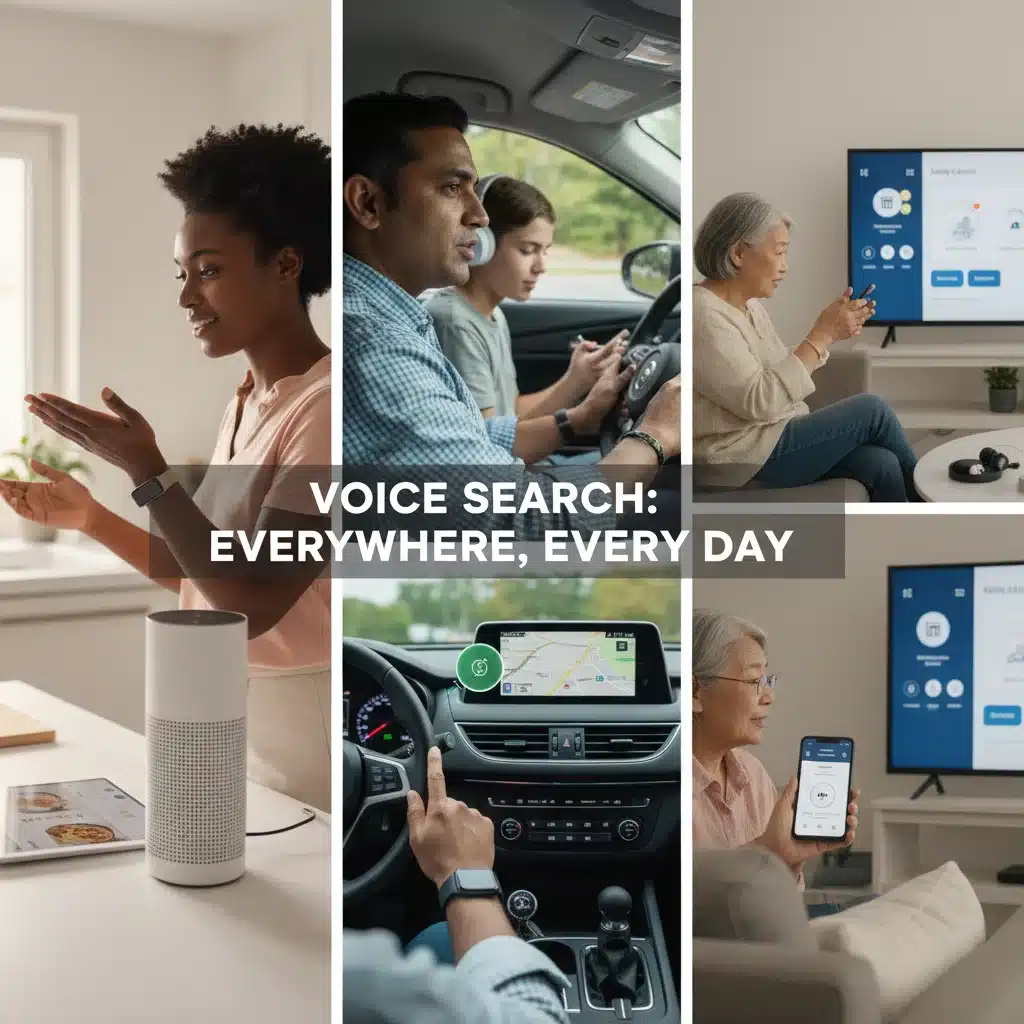
Consumers often switch between devices (smart speakers, smartphones, smart displays) and modes (voice, touch, screen). Designing seamless, consistent experiences across these touchpoints will be vital. Your voice strategy cannot exist in a silo; it must be integrated into a broader multi-channel approach.
The Rise of AI and Generative AI
The rapid advancements in generative AI will profoundly impact voice search. Voice assistants will become even more conversational, capable of synthesizing information from multiple sources to provide comprehensive answers. This means businesses need to focus on providing authoritative, high-quality content that AI models can readily access and trust.
Brand Voice and Tone
With voice assistants often acting as intermediaries, maintaining a consistent brand voice and tone becomes even more critical. How will your brand be represented when a voice assistant answers a query about your product? Ensure your content reflects your brand’s personality, even when distilled by an AI.
The Future is Conversational: Preparing for a Voice-First World
The trajectory of voice search is clear: it’s not a fad, but a fundamental shift in human-computer interaction. By 2026, businesses that have successfully integrated voice search insights into their core strategies will be the ones leading their respective industries. They will understand their customers on a deeper, more intuitive level, anticipate their needs, and build lasting relationships in an increasingly digital and conversational world.
The journey to mastering voice search begins now. Start by auditing your current digital presence through a voice lens. How would a voice assistant interpret your content? Can users easily find answers to their questions by speaking? Are you optimized for local searches? These foundational steps will pave the way for more advanced strategies.
Embrace the challenge of conversational SEO. Invest in tools and expertise that can help you analyze spoken queries. Most importantly, foster a culture within your organization that prioritizes understanding the evolving consumer and adapting to new technologies. The future of consumer insights is conversational, and those who listen intently will reap the greatest rewards.
Key Takeaways for Businesses in 2026:
- Prioritize Conversational Content: Focus on answering specific questions in a natural, spoken language style.
- Optimize for Long-Tail and Question-Based Keywords: Voice queries are longer and more specific.
- Enhance Local SEO: ‘Near me’ searches are dominant in voice; ensure your local listings are impeccable.
- Leverage Structured Data (Schema Markup): Help search engines understand your content for rich snippets and direct answers.
- Invest in Analytics and User Research: Continuously monitor voice search trends and consumer behavior.
- Integrate Voice Across Channels: Think about how voice interacts with your overall multi-channel strategy.
- Stay Agile with AI Advancements: Keep an eye on how generative AI and NLP improvements will further shape voice search.
The landscape of consumer interaction is rapidly evolving, and voice search is at the forefront of this transformation. By proactively seeking and acting upon voice search insights, businesses can unlock unprecedented opportunities to connect with their audience, understand their deepest intentions, and build lasting relationships in an increasingly digital and conversational world. Don’t just hear your customers; truly listen to what their voices are telling you.