Sustainable Tech Innovations: Reducing E-Waste by 10% in the US by 2027
The digital age, while offering unparalleled convenience and connectivity, has inadvertently birthed one of the most pressing environmental challenges of our time: electronic waste, or e-waste. As technology evolves at a breakneck pace, consumer electronics become obsolete faster than ever, leading to a mounting pile of discarded devices. In the United States, a significant contributor to global e-waste, the urgency to address this issue is paramount. However, a beacon of hope shines through the innovative efforts in sustainable technology. This article will delve into the critical role of sustainable tech e-waste reduction strategies, exploring how groundbreaking innovations and a concerted effort across industries and consumers can lead to a remarkable 10% reduction in electronic waste within the US market by 2027.
The sheer volume of e-waste generated annually is staggering. According to the Global E-waste Monitor 2020, a record 53.6 million metric tons of e-waste was generated worldwide in 2019, with the US being a major contributor. This figure is projected to reach 74 million metric tons by 2030, underscoring the unsustainable trajectory we are currently on. E-waste contains a complex mix of hazardous substances, including lead, mercury, cadmium, and beryllium, which can leach into soil and water, posing severe risks to human health and ecosystems. Concurrently, it also contains valuable materials such as gold, silver, copper, and rare earth elements, which, if not recovered, represent a significant loss of resources and contribute to the demand for new mining operations, with their own environmental footprints.
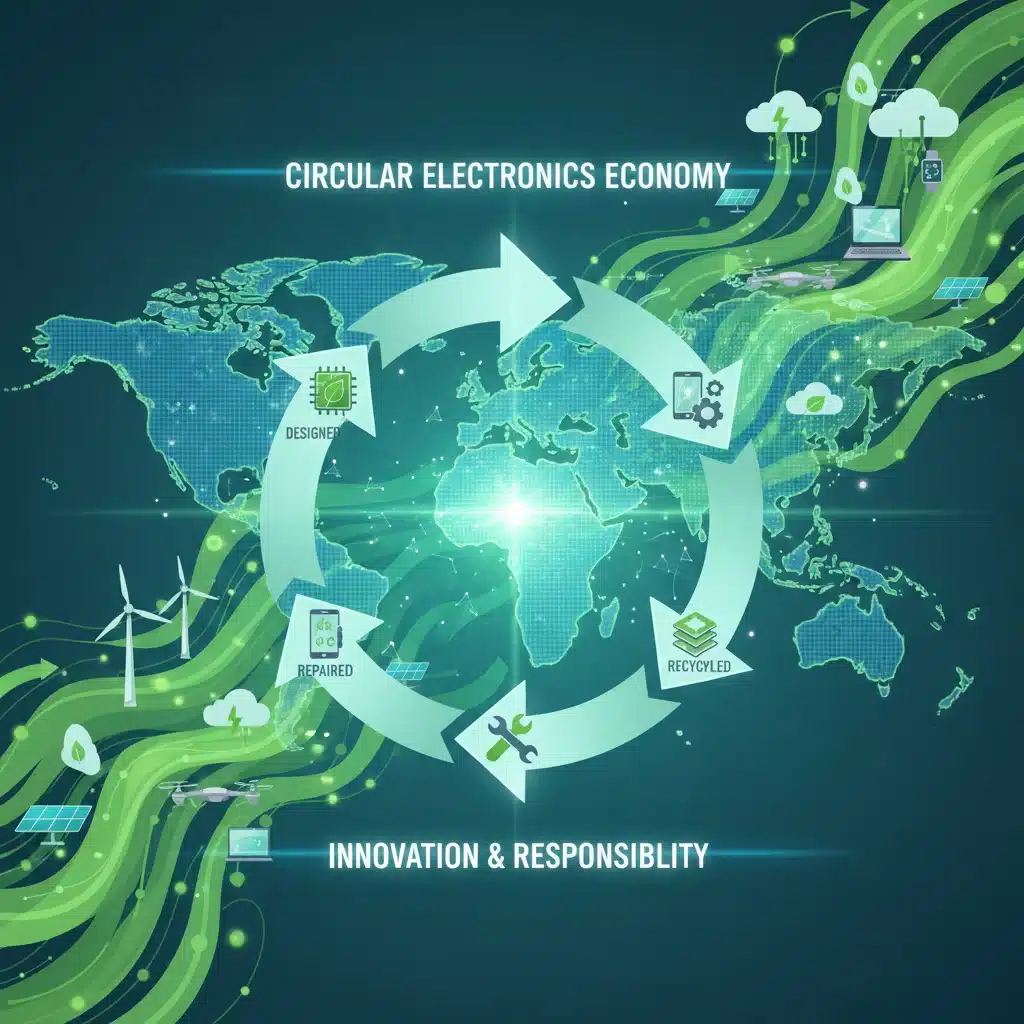
The target of reducing US e-waste by 10% by 2027 is ambitious yet achievable, hinging on the widespread adoption and scaling of sustainable tech e-waste solutions. This goal necessitates a multifaceted approach, encompassing everything from the initial design phase of electronic products to their end-of-life management. It calls for a paradigm shift from a linear ‘take-make-dispose’ economy to a circular one, where products are designed for longevity, repairability, and ultimate recyclability.
The Pillars of Sustainable Tech E-Waste Reduction
1. Eco-Design and Longevity: Building Better from the Start
At the forefront of sustainable tech e-waste reduction is the concept of eco-design. This involves integrating environmental considerations into every stage of product development, from material selection to manufacturing processes and eventual disposal. The aim is to minimize environmental impact throughout a product’s entire lifecycle.
- Modular Design: One of the most promising eco-design strategies is modularity. Products designed with easily replaceable components, such as batteries, screens, or camera modules, extend their lifespan significantly. This approach empowers consumers to repair devices rather than replacing them entirely, drastically cutting down on e-waste. Companies like Fairphone have pioneered this model, demonstrating its viability in the market.
- Durable Materials: Opting for more robust and sustainable materials that can withstand wear and tear reduces the frequency of replacements. Innovations in bioplastics, recycled metals, and other eco-friendly composites are becoming increasingly prevalent.
- Software Updates and Backward Compatibility: Ensuring that devices receive long-term software support and can remain compatible with newer applications also contributes to their longevity. Planned obsolescence, whether hardware or software-driven, is a significant driver of e-waste.
- Energy Efficiency: Designing products that consume less energy during their operational life reduces their overall environmental footprint and can also extend component life by minimizing heat stress.
2. Circular Economy Models: Redefining Ownership and Use
The circular economy is a systemic approach that aims to keep resources in use for as long as possible, extract the maximum value from them whilst in use, then recover and regenerate products and materials at the end of each service life. For sustainable tech e-waste, this means a fundamental shift away from traditional consumer ownership.
- Product-as-a-Service (PaaS): Instead of purchasing a device outright, consumers could subscribe to a service that provides access to the latest technology. When an upgrade is desired, the old device is returned to the manufacturer for refurbishment, reuse, or recycling. This model incentivizes manufacturers to design for durability and repairability, as they retain ownership of the product.
- Refurbishment and Resale: A robust market for refurbished electronics is crucial. Companies specializing in professionally restoring used devices to like-new condition, offering them at a lower price point, can significantly extend product lifecycles and make technology more accessible.
- Take-Back Programs: Manufacturers and retailers implementing convenient and effective take-back programs for used electronics ensure that devices are properly collected and channeled into appropriate recycling or refurbishment streams, rather than languishing in drawers or ending up in landfills.
3. Advanced Recycling and Material Recovery: Maximizing Resource Value
Even with the best eco-design and circular models, some electronics will eventually reach their end of life. This is where advanced recycling technologies become critical for sustainable tech e-waste management.
- Automated Sorting and Disassembly: New technologies, including AI-powered robotics, can efficiently sort and disassemble complex electronic devices, separating different materials with greater precision than manual methods. This increases the purity of recovered materials, making them more valuable for reuse.
- Hydrometallurgy and Biorecovery: These innovative processes offer more environmentally friendly alternatives to traditional pyrometallurgical (furnace-based) methods for extracting precious and rare earth metals from e-waste. Hydrometallurgy uses aqueous solutions, while biorecovery employs microorganisms to leach metals, often with lower energy consumption and reduced emissions.
- Urban Mining: This term refers to the process of recovering raw materials from discarded products. E-waste is a rich source of valuable metals, often in higher concentrations than primary ores. Investing in urban mining infrastructure can reduce reliance on virgin materials and mitigate the environmental impact of traditional mining.

Policy and Regulatory Frameworks: Driving Change from the Top Down
Achieving a 10% reduction in US e-waste by 2027 requires more than just technological innovation; it demands supportive policy and regulatory frameworks. Governments play a crucial role in setting standards, incentivizing sustainable practices, and enforcing responsible waste management.
- Extended Producer Responsibility (EPR): EPR schemes hold manufacturers responsible for the entire lifecycle of their products, including their end-of-life management. This incentivizes them to design more sustainable products and establish robust collection and recycling systems. Many US states have some form of EPR for electronics, but a more harmonized and comprehensive federal approach could significantly boost e-waste reduction efforts.
- Right to Repair Legislation: The growing ‘right to repair’ movement advocates for legislation that ensures consumers and independent repair shops have access to parts, tools, and information needed to fix electronic devices. This directly combats planned obsolescence and supports the longevity of products, a key aspect of sustainable tech e-waste.
- Incentives for Green Procurement: Government agencies and large corporations can drive demand for sustainable electronics by prioritizing products that meet specific environmental criteria in their procurement processes. This sends a strong signal to manufacturers to invest in eco-friendly designs and practices.
- Standardization and Labeling: Clear labeling systems that inform consumers about a product’s repairability, recyclability, and use of recycled content can empower more informed purchasing decisions. Standardization of connectors and components can also simplify repair and reuse.
The Role of Consumer Behavior: A Collective Responsibility
While technological advancements and policy are critical, the success of any sustainable tech e-waste initiative ultimately hinges on consumer participation. Educating the public and fostering a culture of conscious consumption are indispensable.
- Awareness and Education: Many consumers are unaware of the environmental impact of e-waste or the options available for proper disposal and recycling. Campaigns that highlight the benefits of extending product life, repairing devices, and utilizing certified recycling programs are essential.
- Prioritizing Durability and Repairability: Consumers can exert market pressure by choosing products known for their durability, repairability, and manufacturer support for spare parts. Researching product lifespans and company sustainability practices before purchase can make a significant difference.
- Utilizing Take-Back and Recycling Programs: Actively participating in manufacturer take-back programs, community recycling events, and certified e-waste recyclers ensures that discarded electronics are handled responsibly.
- Embracing Refurbished and Used Electronics: Overcoming the stigma associated with pre-owned devices and opting for refurbished phones, laptops, or other gadgets extends their useful life and reduces demand for new products.
Challenges and Opportunities in the US Market
The US market presents unique challenges and opportunities for achieving the 10% e-waste reduction goal. Its vast geographical area, diverse regulatory landscape across states, and high consumption rates make it a complex environment.
Challenges:
- Lack of Federal Consistency: The absence of a unified federal e-waste policy leads to a patchwork of state-level regulations, which can be confusing for manufacturers and consumers alike.
- Logistical Hurdles: Collecting and transporting e-waste across a large country like the US can be logistically challenging and costly, particularly in rural areas.
- Consumer Convenience: For many, the ease of simply discarding old electronics outweighs the effort required to find proper recycling channels.
- Rapid Technological Obsolescence: The relentless pace of innovation often makes older devices quickly feel outdated, driving a desire for upgrades.
Opportunities:
- Innovation Hub: The US is a global leader in technological innovation. This provides fertile ground for developing new sustainable tech e-waste solutions, from advanced materials to sophisticated recycling robotics.
- Strong Consumer Awareness (Growing): While challenges exist, there’s a growing segment of environmentally conscious consumers willing to support sustainable practices.
- Investment Potential: Significant investment in green technologies and circular economy infrastructure can create new jobs and economic opportunities.
- Corporate Social Responsibility: Many large tech companies are increasingly committing to corporate social responsibility goals, including e-waste reduction, which can drive internal innovation and industry-wide change.

Case Studies and Success Stories: Inspiration for the Future
While the 10% reduction target is formidable, existing initiatives and successful models offer valuable insights and inspiration.
- Apple’s Recycling Programs and Daisy Robot: Apple has been proactive in establishing global recycling programs and even developed a robot named Daisy, which can disassemble 200 iPhones per hour, recovering materials with high efficiency. Their commitment to using recycled materials in new products further closes the loop.
- Dell’s Closed-Loop Plastics: Dell has been a pioneer in using closed-loop recycled plastics in their new products, demonstrating that materials recovered from old electronics can be successfully reincorporated into new manufacturing.
- Best Buy’s E-Waste Collection: As one of the largest retail collectors of e-waste in the US, Best Buy provides convenient drop-off points for a wide range of electronics, making it easier for consumers to recycle responsibly.
- Local Repair Cafes and Initiatives: Grassroots movements like Repair Cafes, where volunteers help people fix their broken items for free, are gaining traction across the US, promoting a culture of repair and reuse.
Looking Ahead: The Path to 2027 and Beyond
Achieving a 10% reduction in US e-waste by 2027 is not merely a quantitative goal; it represents a significant step towards a more sustainable and resource-efficient future. This requires a collaborative effort that transcends individual sectors, involving policymakers, manufacturers, retailers, recyclers, and consumers.
Investment in research and development for new eco-friendly materials and advanced recycling technologies will be crucial. Furthermore, fostering greater transparency in supply chains and promoting responsible sourcing of raw materials will contribute to a holistic approach to sustainability. Educational initiatives must continue to empower consumers with the knowledge and tools to make environmentally sound choices regarding their electronic devices.
The journey towards a truly circular economy for electronics is complex, but the momentum is building. Every innovation in eco-design, every new recycling technique, and every conscious consumer choice contributes to this collective endeavor. By embracing sustainable tech e-waste solutions with renewed vigor and commitment, the US can not only meet its 2027 goal but also set a precedent for global leadership in environmental stewardship within the technology sector. The future of our planet depends on how we manage the waste of our technological progress, and the time for decisive action is now.
The continuous evolution of technology demands a parallel evolution in our approach to its lifecycle. From the initial spark of an idea to the final disposition of a device, sustainability must be woven into the very fabric of the tech industry. This includes embracing open standards that facilitate repair, encouraging software longevity, and making spare parts readily available and affordable. The economic benefits of a circular economy are also substantial, creating new jobs in repair, refurbishment, and advanced recycling sectors, while reducing reliance on volatile global supply chains for raw materials.
Moreover, the role of data and analytics cannot be overstated. Tracking e-waste generation, collection rates, and material recovery efficiencies will be vital in measuring progress towards the 2027 target and identifying areas for improvement. This data can inform policy decisions, guide investment in infrastructure, and highlight successful strategies that can be replicated. Public-private partnerships will also be essential, pooling resources and expertise to tackle the multifaceted challenges of e-waste. Corporations can leverage their scale and influence to drive change, while government bodies can provide the necessary regulatory framework and incentives.
Ultimately, the vision for 2027 is not just about reducing waste; it’s about reimagining our relationship with technology. It’s about valuing products for their utility and longevity, rather than succumbing to a culture of constant upgrades. It’s about recognizing that every electronic device has a story, from its origins in the earth to its potential for rebirth through recycling. By prioritizing sustainable tech e-waste initiatives, the US has the opportunity to lead by example, demonstrating that technological advancement and environmental responsibility are not mutually exclusive, but rather, are inextricably linked for a prosperous and sustainable future.