Navigating the New Normal: 3 Practical Solutions for Community Engagement in a Post-Pandemic US

Navigating the New Normal: 3 Practical Solutions for Community Engagement in a Post-Pandemic US
The landscape of human interaction in the United States has undergone a profound transformation in recent years. The COVID-19 pandemic, with its unprecedented disruptions, forced us to re-evaluate how we connect, collaborate, and build community. As we emerge into what is often termed the ‘new normal,’ the need for effective community engagement solutions is more critical than ever. Traditional methods have been challenged, new technologies have emerged, and the very fabric of our social lives has been stretched and rewoven. This article delves into three practical solutions, offering insider knowledge and actionable strategies for fostering robust community engagement in this evolving environment.
Before the pandemic, community engagement often revolved around physical gatherings – town hall meetings, local festivals, volunteer clean-up days, and face-to-face interactions. While these remain incredibly valuable, the pandemic highlighted vulnerabilities in relying solely on such approaches. Social distancing, health concerns, and the rapid acceleration of digital communication channels created a new paradigm. Now, the challenge lies in harmonizing the best of both worlds: leveraging digital tools to broaden reach and accessibility, while simultaneously rejuvenating in-person connections in safe and meaningful ways. This isn’t merely about returning to how things were; it’s about innovating and adapting to build more resilient, inclusive, and dynamic communities. Our focus here is on tangible, real-world examples and strategic thinking that can empower individuals, organizations, and local governments to proactively shape a future where strong community bonds thrive.
The Evolving Landscape of Community Connection
The shift in how communities interact didn’t happen overnight, but the pandemic acted as a powerful accelerant. Public health mandates necessitated a rapid pivot to virtual platforms for everything from school to work to social gatherings. This created a dual effect: on one hand, it exposed digital divides and exacerbated feelings of isolation for some; on the other, it opened up new avenues for connection, allowing people to participate in events and discussions regardless of geographical proximity or physical mobility. Understanding this complex evolution is the first step in crafting effective community engagement solutions.
For many, the pandemic also fostered a renewed appreciation for local connections. As global travel became restricted and national supply chains faltered, people turned to their immediate neighborhoods and local businesses. This hyper-localization presents a unique opportunity to strengthen community ties at a grassroots level. The challenge, however, is to sustain this newfound local focus while also integrating the efficiencies and expanded reach offered by digital tools. It requires a nuanced approach that acknowledges both the desire for physical presence and the convenience of virtual interaction.
Moreover, the pandemic unveiled and, in many cases, deepened existing societal inequalities. Marginalized communities often bore the brunt of health and economic crises, highlighting the urgent need for equitable community engagement strategies. Any effective solution must consider accessibility, cultural relevance, and the specific needs of diverse populations. This means moving beyond one-size-fits-all approaches and embracing tailored strategies that genuinely reach and empower all community members. The goal is not just to engage, but to ensure that engagement leads to meaningful participation and positive outcomes for everyone.
Solution 1: Embracing a Hybrid Engagement Model
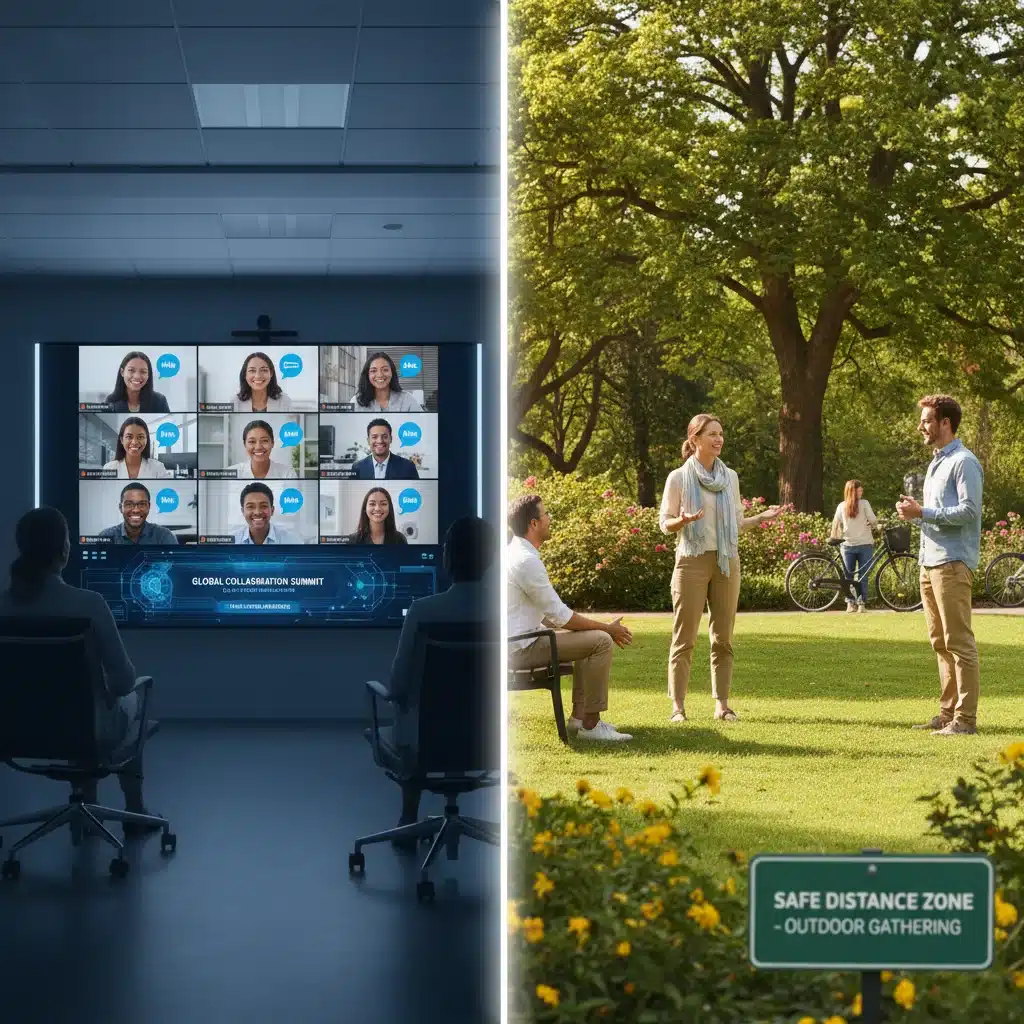
One of the most practical and sustainable community engagement solutions in the post-pandemic era is the adoption of a hybrid engagement model. This approach strategically combines the best elements of virtual and in-person interactions, maximizing reach, accessibility, and depth of connection. It acknowledges that while virtual platforms offer unparalleled convenience and scalability, there’s an irreplaceable value in face-to-face human connection.
Leveraging Digital Platforms for Broader Reach and Accessibility
The pandemic forced many organizations to quickly adapt to virtual meetings, workshops, and events. What became clear is that these digital platforms, when used effectively, can significantly lower barriers to participation. Individuals with mobility issues, those living in remote areas, parents with childcare responsibilities, or those with demanding work schedules can now engage in community activities that were previously inaccessible. Platforms like Zoom, Microsoft Teams, and Google Meet have become commonplace, but the key is to use them creatively and intentionally.
- Interactive Webinars and Workshops: Beyond simple presentations, interactive webinars with Q&A sessions, breakout rooms, and polls can foster genuine discussion and participation. Tools like Mural or Miro can facilitate collaborative brainstorming in a virtual space.
- Community Forums and Social Media Groups: Dedicated online forums or private social media groups (e.g., Facebook Groups, Nextdoor) can serve as ongoing hubs for discussion, information sharing, and informal connection. These platforms allow for asynchronous communication, meaning members can engage at their convenience.
- Live Streaming and Recording: For larger events, live streaming ensures broader access, while recording and archiving sessions allow those who missed it to catch up later. This extends the lifespan and impact of content.
- Digital Storytelling: Encouraging community members to share their stories, experiences, and ideas through short videos, podcasts, or written submissions can be a powerful way to build empathy and understanding across diverse groups.
The success of virtual engagement hinges on thoughtful planning. This includes providing clear instructions for technology use, offering technical support, and designing activities that are inherently engaging in a digital format. It also means being mindful of digital literacy levels and ensuring that resources are available to help everyone participate comfortably.
Reimagining In-Person Gatherings for Deeper Connection
While digital tools are powerful, they cannot fully replicate the nuances of in-person interaction. The hybrid model understands this and seeks to make in-person gatherings more impactful. Instead of simply reverting to old models, we must ask: what unique value can a physical gathering provide that a virtual one cannot?
- Smaller, More Intimate Sessions: Instead of large, impersonal meetings, consider smaller group discussions, focus groups, or neighborhood meet-ups that encourage deeper conversation and relationship building.
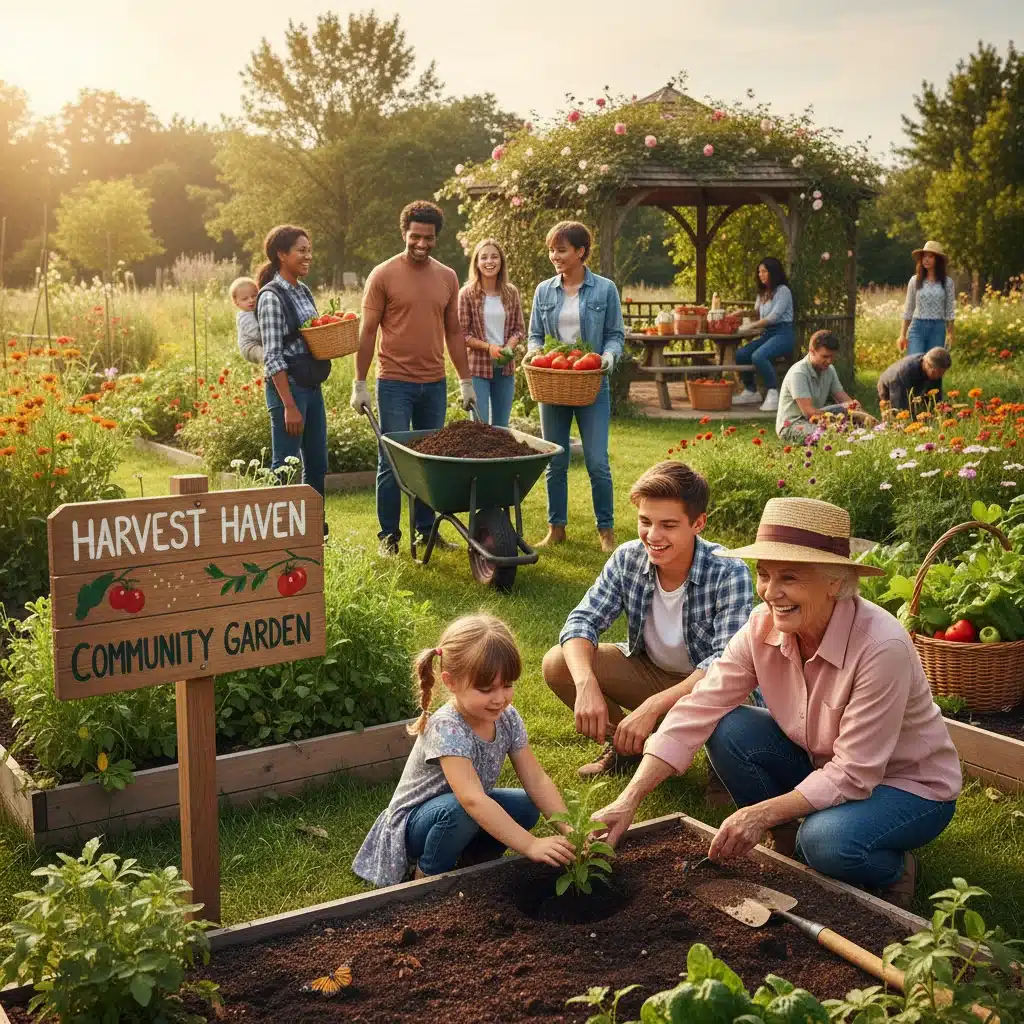
- Experiential and Hands-on Activities: In-person events are ideal for activities that involve doing, creating, or experiencing together – community garden projects, art workshops, local clean-ups, or shared meals. These activities naturally foster collaboration and connection.
- Outdoor and Open-Air Events: Utilizing parks, community gardens, and other outdoor spaces can provide safer, more relaxed environments for interaction, addressing lingering health concerns while promoting well-being.
- Pop-Up Engagement Points: Instead of expecting people to come to a central location, bring engagement opportunities to where people already are – local markets, community hubs, or transit stations.
The key to effective in-person engagement post-pandemic is intentionality. Every gathering should have a clear purpose that benefits from physical presence. Safety protocols, while perhaps less stringent than before, should still be considered to ensure comfort and confidence among participants. By thoughtfully blending virtual and physical spaces, communities can create a dynamic ecosystem where engagement is continuous, accessible, and deeply meaningful. This hybrid approach is not a compromise but a strategic evolution of community engagement solutions.
Solution 2: Fostering Micro-Communities and Shared Interest Groups
The scale of engagement can often be a barrier. Large, amorphous ‘communities’ can feel overwhelming, making it difficult for individuals to find their place or feel their voice is heard. A powerful community engagement solution in the post-pandemic world is to intentionally foster the development of micro-communities and shared interest groups. These smaller, more focused units allow for deeper connections, greater participation, and a stronger sense of belonging.
The Power of Niche Connections
People naturally gravitate towards others who share their passions, challenges, or geographical proximity. By recognizing and nurturing these natural inclinations, organizations can facilitate the formation of vibrant micro-communities. These might be:
- Neighborhood Pods: Small groups of neighbors who connect for mutual support, shared activities (e.g., block parties, garden swaps), or local advocacy.
- Hobby-Based Clubs: Book clubs, hiking groups, knitting circles, board game nights, or local photography collectives. These provide a low-pressure environment for connection based on a common interest.
- Parent/Caregiver Networks: Groups focused on specific age ranges of children, special needs, or shared parenting philosophies, offering peer support and resource sharing.
- Skill-Sharing Workshops: Groups where members teach and learn from each other, whether it’s cooking, coding, gardening, or a craft.
- Advocacy or Action Groups: Focused on specific local issues like environmental conservation, historical preservation, or supporting local businesses.
The beauty of micro-communities lies in their organic nature and the strong bonds they forge. They reduce the intimidation factor often associated with larger gatherings and allow for more personalized interactions. Organizations can act as facilitators, providing resources, meeting spaces (physical or virtual), or simply a platform for these groups to form and thrive.
Strategies for Incubating Micro-Communities
How can you actively encourage the formation and flourishing of these smaller groups? It requires a deliberate strategy:
- Identify Common Interests and Needs: Conduct surveys, informal conversations, or data analysis to understand what residents care about, what skills they possess, and what challenges they face.
- Provide Catalytic Spaces and Resources: Offer community centers, libraries, parks, or even online forums as spaces where people can advertise their interest groups and meet. Provide basic resources like meeting rooms, projectors, or even a simple online sign-up sheet.
- Empower Local Leaders: Identify individuals who are passionate about a particular interest or cause and support them in organizing a group. Provide training in facilitation, communication, and event planning.
- Promote and Publicize: Use local newsletters, social media, community bulletin boards, and word-of-mouth to spread the word about emerging groups and opportunities. Highlight success stories to inspire others.
- Facilitate Cross-Group Connections: While micro-communities are focused, occasionally bringing different groups together for a larger community event (e.g., a shared skill fair, a community potluck) can strengthen the overall fabric of the community.
By investing in micro-communities, organizations are not just creating isolated groups; they are building a resilient network of interconnected individuals who feel a stronger sense of belonging and are more likely to participate in broader community initiatives. This bottom-up approach to community engagement solutions is incredibly effective in fostering genuine and sustainable connections.
Solution 3: Prioritizing Empathy-Driven Communication and Inclusive Design
The post-pandemic world has, for many, brought heightened awareness of individual struggles and diverse experiences. True community engagement solutions must be rooted in empathy and designed with inclusivity at their core. This means moving beyond mere outreach and actively listening, understanding different perspectives, and intentionally removing barriers to participation for all community members.
Cultivating a Culture of Active Listening and Feedback
Effective communication is a two-way street. Instead of simply broadcasting information, organizations must create genuine channels for feedback and ensure that voices from all segments of the community are heard and valued. This requires a proactive and empathetic approach:
- Diverse Feedback Mechanisms: Offer multiple ways for people to provide input – anonymous surveys, suggestion boxes, one-on-one conversations, focus groups, and public forums. Ensure these are accessible in different languages and formats (e.g., large print, audio).
- Meet People Where They Are: Don’t just hold meetings in a central location. Go to community centers, places of worship, local businesses, and even door-to-door in different neighborhoods to engage with residents on their turf.
- Train for Empathetic Facilitation: Those leading engagement efforts should be trained in active listening, conflict resolution, and creating safe spaces for diverse opinions. The goal is to understand, not just to respond.
- Close the Loop: Crucially, communicate back to the community how their feedback was used, what decisions were made, and why. Transparency builds trust and encourages continued participation.
Active listening also means being attuned to non-verbal cues and understanding the underlying sentiments behind expressed opinions. It’s about building relationships based on mutual respect and genuine concern for community well-being.
Designing for True Inclusivity
Inclusivity goes beyond simply inviting everyone; it means designing processes and programs that actively welcome and accommodate diverse needs. The pandemic highlighted disparities in access to technology, healthcare, and basic resources, making inclusive design even more paramount for effective community engagement solutions.
- Digital Equity Initiatives: Address the digital divide by advocating for affordable internet access, providing public computer access points, and offering digital literacy training. Ensure virtual engagement tools are user-friendly and accessible to those with disabilities (e.g., closed captions, screen reader compatibility).
- Language Accessibility: Provide materials and interpreters in multiple languages relevant to the local community. Don’t assume English proficiency.
- Physical Accessibility: Ensure in-person venues are physically accessible for individuals with disabilities (ramps, accessible restrooms). Consider transportation challenges and provide solutions where possible.
- Cultural Competency: Understand and respect the cultural norms, traditions, and communication styles of different community groups. Tailor engagement methods to be culturally appropriate and relevant.
- Flexible Scheduling: Offer engagement opportunities at various times (day, evening, weekends) to accommodate different work schedules and family commitments.
- Childcare and Family-Friendly Options: For in-person events, consider providing childcare or designing activities where children can participate alongside adults.
By embedding empathy and inclusivity into every stage of community engagement, organizations can build stronger, more representative, and ultimately more effective connections. This approach ensures that all voices contribute to the collective future, leading to more equitable and sustainable outcomes for the entire community.
The Role of Leadership and Vision in Post-Pandemic Engagement
Implementing these community engagement solutions requires more than just good intentions; it demands strong leadership and a clear vision. Community leaders, whether in government, non-profits, or grassroots organizations, play a pivotal role in championing these new approaches and inspiring participation. They must be willing to experiment, learn from failures, and continuously adapt their strategies to the evolving needs of their communities.
Building Trust and Transparency
Trust is the bedrock of effective community engagement. In a post-pandemic world marked by misinformation and skepticism, leaders must prioritize transparency in their decision-making processes and communication. This means being honest about challenges, sharing progress updates, and clearly explaining how community input influences outcomes. When community members feel their contributions are genuinely valued and acted upon, trust grows, leading to more sustained and enthusiastic participation.
Investing in Capacity Building
For these solutions to be successful, communities need the capacity to implement them. This includes investing in training for staff and volunteers on digital tools, empathetic communication, and inclusive facilitation techniques. It also involves providing adequate resources – both financial and human – to support engagement initiatives. Capacity building empowers community members to take ownership and leadership roles, decentralizing engagement and making it more resilient.
Measuring Impact and Adapting Strategies
Effective engagement isn’t a one-time event; it’s an ongoing process. Leaders must establish clear metrics to measure the impact of their community engagement solutions. This could include participation rates, diversity of participants, sentiment analysis from feedback, successful project outcomes, or even qualitative measures of increased social cohesion. Regular evaluation allows for continuous improvement, ensuring that strategies remain relevant and effective in a dynamic environment.
Conclusion: Building a More Connected Future
The post-pandemic era presents both significant challenges and unparalleled opportunities for community engagement in the US. The three practical solutions discussed – embracing a hybrid engagement model, fostering micro-communities and shared interest groups, and prioritizing empathy-driven communication and inclusive design – offer a robust framework for navigating this new normal. These aren’t just temporary fixes; they are foundational shifts in how we approach building stronger, more resilient, and more equitable communities. By integrating digital innovation with meaningful in-person connections, empowering grassroots initiatives, and ensuring that every voice is heard and valued, we can collectively forge a future where community truly thrives.
The journey towards enhanced community engagement is continuous. It requires flexibility, persistence, and a deep commitment to the well-being of all residents. As we move forward, let us remember that the strength of a community lies in its connections. By actively implementing these community engagement solutions, we are not just rebuilding what was lost; we are constructing a more vibrant, inclusive, and connected society for generations to come. The time to act is now, to transform challenges into opportunities and sow the seeds for a more engaged and harmonious future.