Healthcare Evolution 2026: Societal Impact & Future Access in the US
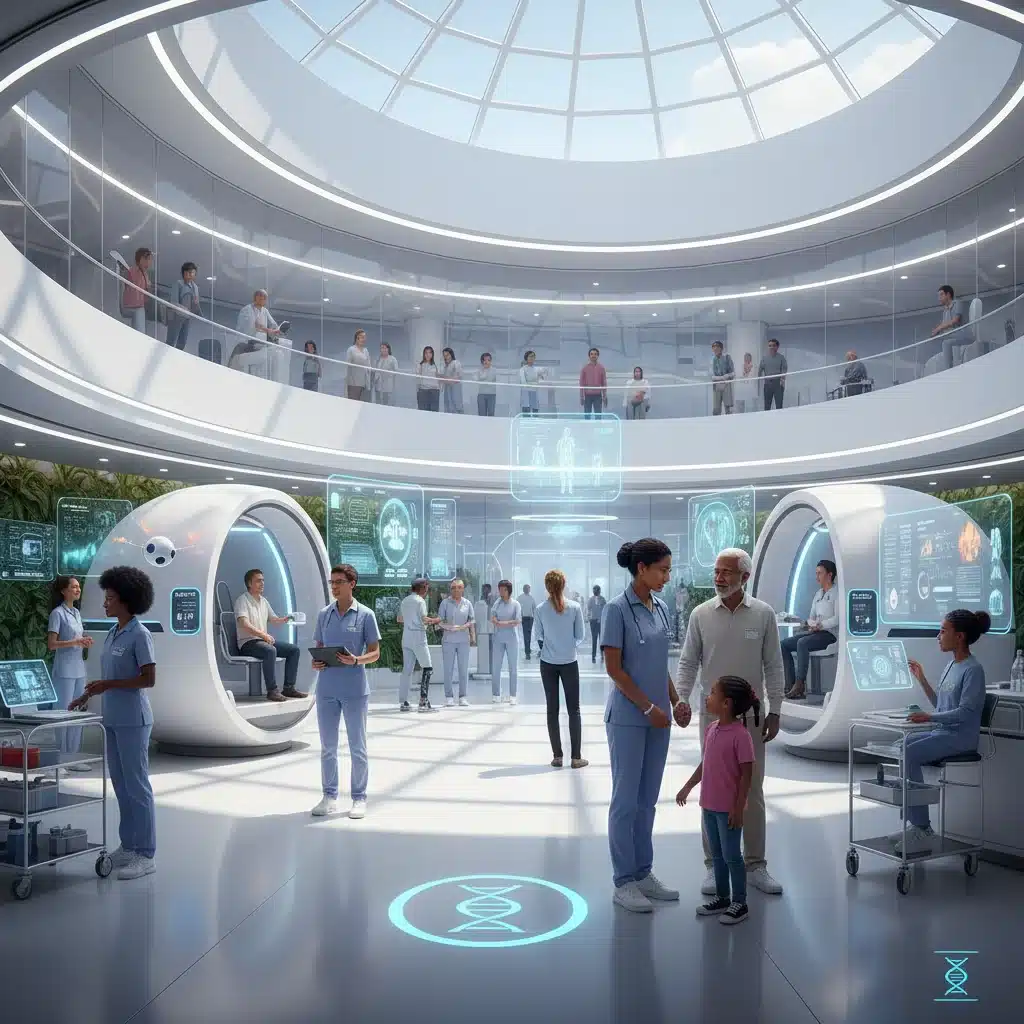
The Shifting Landscape of Healthcare: 4 Societal Changes in US Access and Delivery by 2026 (PRACTICAL SOLUTIONS, INSIDER KNOWLEDGE)
The United States healthcare system, a colossal and complex entity, is perpetually in motion. Constantly buffeted by technological advancements, demographic shifts, economic pressures, and evolving societal expectations, it’s a dynamic environment where the only constant is change. As we look towards 2026, it’s clear that several profound societal shifts are not just influencing but actively reshaping how Americans access and receive healthcare. Understanding these transformations is not merely an academic exercise; it’s crucial for policymakers, healthcare providers, insurers, innovators, and, most importantly, patients to prepare for the future of US healthcare.
This article aims to dissect four pivotal societal changes that will significantly impact US healthcare access and delivery by 2026. We’ll delve into the intricacies of each trend, offering not just an analysis of their implications but also practical solutions and insider knowledge to navigate this evolving terrain. From the rise of digital health to the deepening focus on health equity, and from the relentless march of an aging population to the shifting sands of consumer expectations, prepare to gain a comprehensive understanding of the forces at play in the US healthcare future.
1. The Ascendancy of Digital Health and Telemedicine: Reshaping Access and Convenience
The COVID-19 pandemic acted as an unprecedented accelerant for digital health technologies, particularly telemedicine. What was once a niche offering has now become an integral component of healthcare delivery, and its influence is only set to expand by 2026. This societal shift isn’t just about virtual doctor visits; it encompasses a broader array of digital tools and platforms designed to enhance access, improve efficiency, and empower patients in managing their own health. The future of US healthcare is undeniably digital.
The Digital Health Revolution: Beyond the Pandemic Boom
While the initial surge in telemedicine was a response to immediate crisis, its sustained growth is driven by fundamental advantages. Patients appreciate the convenience, reduced travel time, and often lower costs associated with virtual care. Providers benefit from increased efficiency, reduced overheads for certain services, and the ability to reach a wider patient base, especially in rural or underserved areas. By 2026, we can expect:
- Ubiquitous Telehealth Integration: Telemedicine will no longer be a standalone service but seamlessly integrated into comprehensive care pathways, from initial consultations to chronic disease management and post-operative follow-ups. Hybrid models, combining in-person and virtual care, will become the norm.
- Remote Monitoring and Wearable Technology: The proliferation of smart devices and wearables will enable continuous remote monitoring of vital signs, glucose levels, heart rhythms, and more. This data will feed into AI-powered platforms, allowing for proactive interventions and personalized care plans, particularly for chronic conditions. This is a game-changer for the US healthcare future.
- AI and Machine Learning in Diagnostics and Treatment: AI will play an increasingly vital role in analyzing vast datasets to assist in early disease detection, personalize treatment protocols, and even optimize resource allocation within healthcare systems.
- Digital Therapeutics (DTx): Software-based interventions that deliver evidence-based therapeutic interventions will become more common, treating a range of conditions from mental health disorders to diabetes, often complementing or even replacing traditional pharmaceuticals.
- Enhanced Patient Portals and Digital Engagement: Patients will have greater access to their health records, appointment scheduling, prescription refills, and educational resources through intuitive digital platforms, fostering greater engagement and self-management.
Practical Solutions for Stakeholders:
- For Providers: Invest in robust, secure, and user-friendly digital infrastructure. Train staff comprehensively on telehealth best practices and digital patient engagement. Embrace hybrid care models and explore AI-driven clinical support tools.
- For Patients: Familiarize yourselves with digital health platforms offered by your providers. Advocate for access to telehealth and remote monitoring options. Actively engage with digital tools to manage your health information and appointments.
- For Policymakers: Establish clear regulatory frameworks for data privacy and security in digital health. Ensure equitable access to broadband internet and digital literacy programs. Develop reimbursement models that adequately compensate for digital health services, fostering innovation and sustainability in the US healthcare future.
- For Innovators: Focus on interoperability, ensuring seamless data exchange between different platforms. Prioritize user experience and address digital divides to ensure inclusive access to new technologies.
2. The Imperative of Health Equity: Addressing Disparities in Care
The societal awakening to systemic inequalities has brought health equity to the forefront of the national conversation. By 2026, merely providing access to healthcare will not be enough; the focus will intensify on ensuring equitable access and outcomes for all populations, regardless of race, ethnicity, socioeconomic status, geographic location, or other social determinants of health. This shift is fundamental to improving the overall health of the nation and is a critical aspect of the US healthcare future.
Unpacking Health Disparities and Their Roots
Health disparities are preventable differences in the burden of disease, injury, violence, or opportunities to achieve optimal health that are experienced by socially disadvantaged populations. These disparities are not random; they are deeply rooted in social, economic, and environmental factors, often referred to as social determinants of health (SDOH). By 2026, the healthcare system will be under increasing pressure to:
- Integrate SDOH into Care Delivery: Healthcare providers will move beyond treating symptoms to actively screening for and addressing SDOH like food insecurity, housing instability, transportation barriers, and lack of education. This will involve partnerships with community organizations.
- Culturally Competent Care: Training healthcare professionals to deliver care that is respectful of and responsive to the health beliefs, practices, and cultural and linguistic needs of diverse patients will be paramount.
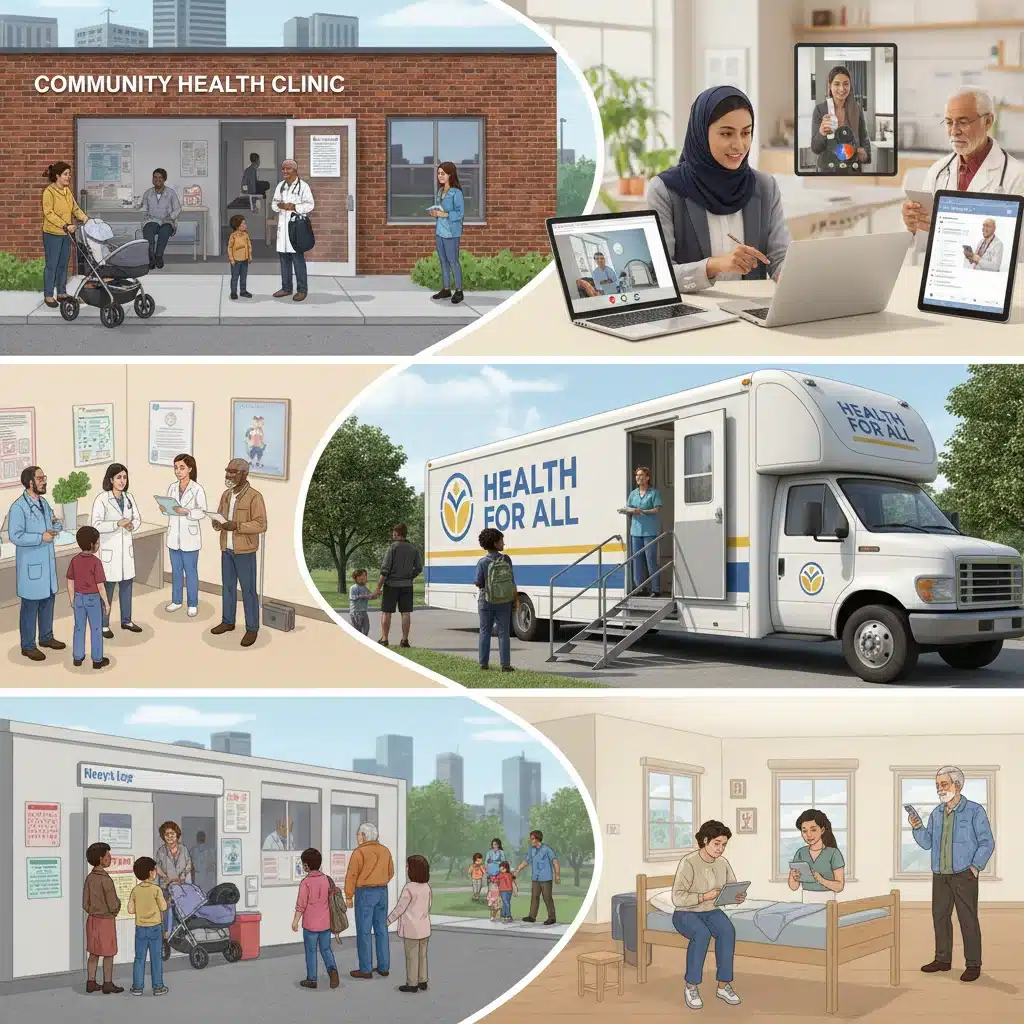
- Community-Based Interventions: A greater emphasis will be placed on preventative care and health promotion within communities, rather than solely relying on hospital-centric models. This includes mobile clinics, school-based health centers, and community health workers.
- Data-Driven Equity Initiatives: Collecting and analyzing disaggregated data on health outcomes by demographic groups will be essential to identify disparities, track progress, and tailor interventions effectively.
- Policy and Advocacy for Structural Change: Healthcare organizations will increasingly engage in advocacy for policies that address the root causes of health inequities, such as affordable housing, living wages, and improved educational opportunities.

Practical Solutions for Stakeholders:
- For Providers: Implement universal SDOH screening. Invest in cultural competency training for all staff. Forge strong partnerships with local community organizations to connect patients with resources.
- For Patients: Be open about your social needs with your healthcare providers. Advocate for equitable access to quality care in your community. Engage in local health initiatives.
- For Policymakers: Fund programs that address SDOH. Incentivize healthcare organizations to implement equity-focused initiatives. Strengthen civil rights protections in healthcare and ensure fair access to the US healthcare future.
- For Innovators: Develop tools that help identify and address SDOH efficiently. Design culturally sensitive digital health solutions. Focus on solutions that bridge gaps in access for underserved populations.
3. The Graying of America: Adapting to an Aging Population
The demographic reality of an aging population in the US is not new, but its profound impact on healthcare access and delivery will reach new levels of urgency by 2026. As the baby boomer generation continues to age, the demand for geriatric care, chronic disease management, and long-term support services will surge, placing immense pressure on existing infrastructure and workforce. This demographic shift is a defining characteristic of the US healthcare future.
Demographic Imperatives and Healthcare Challenges
By 2026, a significant portion of the US population will be over 65, and many will be living with multiple chronic conditions. This demographic reality presents several challenges and opportunities for the US healthcare system:
- Increased Demand for Geriatric Specialists: There will be a critical shortage of healthcare professionals trained in geriatric medicine, gerontology, and palliative care.
- Complexity of Chronic Disease Management: Older adults often manage several chronic conditions simultaneously, requiring coordinated, multidisciplinary care approaches.
- Demand for Long-Term Care and Home Health Services: The preference for aging in place will drive demand for robust home health, assisted living, and skilled nursing facilities, along with innovative models of community-based care.
- Financial Strain on Medicare and Medicaid: The rising healthcare costs associated with an aging population will intensify financial pressures on government programs.
- Focus on Preventative Care and Wellness for Seniors: Shifting from reactive treatment to proactive prevention and wellness programs tailored for older adults will be crucial to maintain quality of life and manage costs in the US healthcare future.
Practical Solutions for Stakeholders:
- For Providers: Invest in training and recruiting geriatric specialists. Develop integrated care models that coordinate care across multiple providers and settings. Expand home health and community-based services. Utilize technology for remote monitoring and support for older adults.
- For Patients (and their families): Plan for long-term care needs early. Explore options for home modifications and assistive technologies. Engage in preventative health and wellness activities. Understand Medicare/Medicaid benefits and limitations.
- For Policymakers: Increase funding for geriatric training programs and incentives for healthcare professionals to enter this field. Explore innovative financing models for long-term care. Support policies that enable aging in place and community-based care.
- For Innovators: Develop age-friendly technologies and services, including smart home devices, remote monitoring solutions, and user-friendly digital health platforms. Focus on solutions that enhance mobility, cognitive function, and social connection for older adults.
4. The Evolution of Consumer Expectations: A Patient-Centric Revolution
The modern consumer, accustomed to instant gratification, personalized experiences, and transparent information in other industries, is increasingly bringing these expectations to healthcare. By 2026, patients will demand a more patient-centric, transparent, and convenient healthcare experience, pushing providers and systems to adapt or risk losing engagement. This shift towards consumerism is profoundly redefining the US healthcare future.
From Patients to Healthcare Consumers
No longer passive recipients of care, patients are becoming active participants, researching their conditions, comparing providers, and seeking value for their healthcare dollar. This evolution in consumer expectations manifests in several ways:
- Demand for Convenience and Accessibility: Patients expect easy online scheduling, virtual visits, walk-in clinics, and extended hours. The traditional 9-to-5, in-person appointment model is becoming increasingly outdated.
- Transparency in Costs and Outcomes: There will be growing pressure for clear, understandable information on treatment costs, insurance coverage, and provider quality metrics. Patients want to make informed decisions based on value.
- Personalized and Proactive Care: Consumers expect healthcare to be tailored to their individual needs, preferences, and health goals, moving beyond a one-size-fits-all approach. This includes proactive outreach and preventative advice.
- Seamless Digital Experience: From digital intake forms to online access to medical records and secure messaging with providers, patients expect a cohesive and user-friendly digital journey.
- Focus on Wellness and Preventative Health: Consumers are increasingly interested in maintaining health and preventing illness, leading to higher demand for wellness programs, health coaching, and lifestyle medicine.
Practical Solutions for Stakeholders:
- For Providers: Embrace patient engagement technologies. Prioritize exceptional customer service. Offer diverse access points (telehealth, urgent care, extended hours). Be transparent about pricing and quality metrics. Collect and act on patient feedback.
- For Patients: Actively communicate your preferences and expectations to your providers. Research your treatment options and costs. Utilize patient portals and digital tools to manage your care.
- For Policymakers: Encourage price transparency initiatives. Support policies that empower patients with choice and information. Foster competition among providers to drive value.
- For Innovators: Develop intuitive patient engagement platforms. Create tools that simplify healthcare navigation and cost comparison. Design solutions that support personalized wellness plans and preventative care.
The Interconnectedness of Change: A Holistic View of the US Healthcare Future
It’s crucial to understand that these four societal changes are not isolated phenomena; they are deeply interconnected and mutually reinforcing. For example, the rise of digital health can be a powerful tool to address health inequities, providing access to care in remote areas or for individuals with transportation barriers. Similarly, digital health solutions are essential for managing the complex needs of an aging population, enabling remote monitoring and personalized care. An aging population, in turn, fuels the demand for more convenient and patient-centric care models, pushing the boundaries of traditional delivery. The imperative for health equity influences how digital health tools are designed and deployed, ensuring they don’t exacerbate existing disparities but rather bridge gaps.
The US healthcare future, therefore, is not about tackling these challenges individually but about developing integrated strategies that acknowledge their intricate relationships. Success will hinge on a holistic approach that leverages technology, prioritizes equity, adapts to demographic realities, and responds proactively to evolving consumer demands. This requires unprecedented collaboration across all sectors of the healthcare ecosystem.
Navigating the Path Forward: Strategies for Resilience and Innovation
As we march towards 2026 and beyond, the US healthcare system is at a critical juncture. The societal changes discussed present both formidable challenges and unparalleled opportunities for innovation. Those who anticipate and strategically adapt to these shifts will be best positioned for success and to ultimately improve the health and well-being of the American populace.
Key Strategies for Success:
- Embrace Agility and Adaptability: Healthcare organizations must foster a culture of continuous learning and rapid adaptation to new technologies, policies, and patient needs. Rigidity will be a significant impediment.
- Invest in Workforce Development: Addressing shortages in specialized fields, particularly geriatrics and primary care, and ensuring digital literacy across the entire healthcare workforce will be paramount.
- Foster Collaboration and Partnerships: No single entity can solve these complex challenges alone. Cross-sector collaboration between healthcare providers, public health agencies, technology companies, community organizations, and payers will be essential.
- Prioritize Data-Driven Decision Making: Robust data collection, analysis, and ethical sharing will inform policy, improve care delivery, and identify areas of greatest need.
- Champion Patient Engagement and Empowerment: Shifting power dynamics to place the patient at the center of their care journey is not just good practice; it’s a strategic imperative for the US healthcare future.
Conclusion: A Future Defined by Proactive Adaptation
The US healthcare landscape by 2026 will be markedly different from today. The ascendancy of digital health, the imperative of health equity, the undeniable impact of an aging population, and the evolution of consumer expectations are not merely trends; they are foundational shifts that will redefine access, delivery, and the very nature of care. For stakeholders across the spectrum – from individual patients to sprawling health systems, from innovative startups to government bodies – understanding these changes is the first step towards crafting a resilient, equitable, and effective US healthcare future.
By proactively addressing these societal shifts with practical solutions, insider knowledge, and a commitment to innovation, we can collectively build a healthcare system that is not only prepared for the challenges of tomorrow but is also capable of delivering high-quality, accessible, and equitable care to all Americans. The journey will be complex, but the destination – a healthier nation – is well worth the effort.