Biometric Security: 6 Advanced Technologies Protecting US Data and Systems from Emerging Threats in 2026
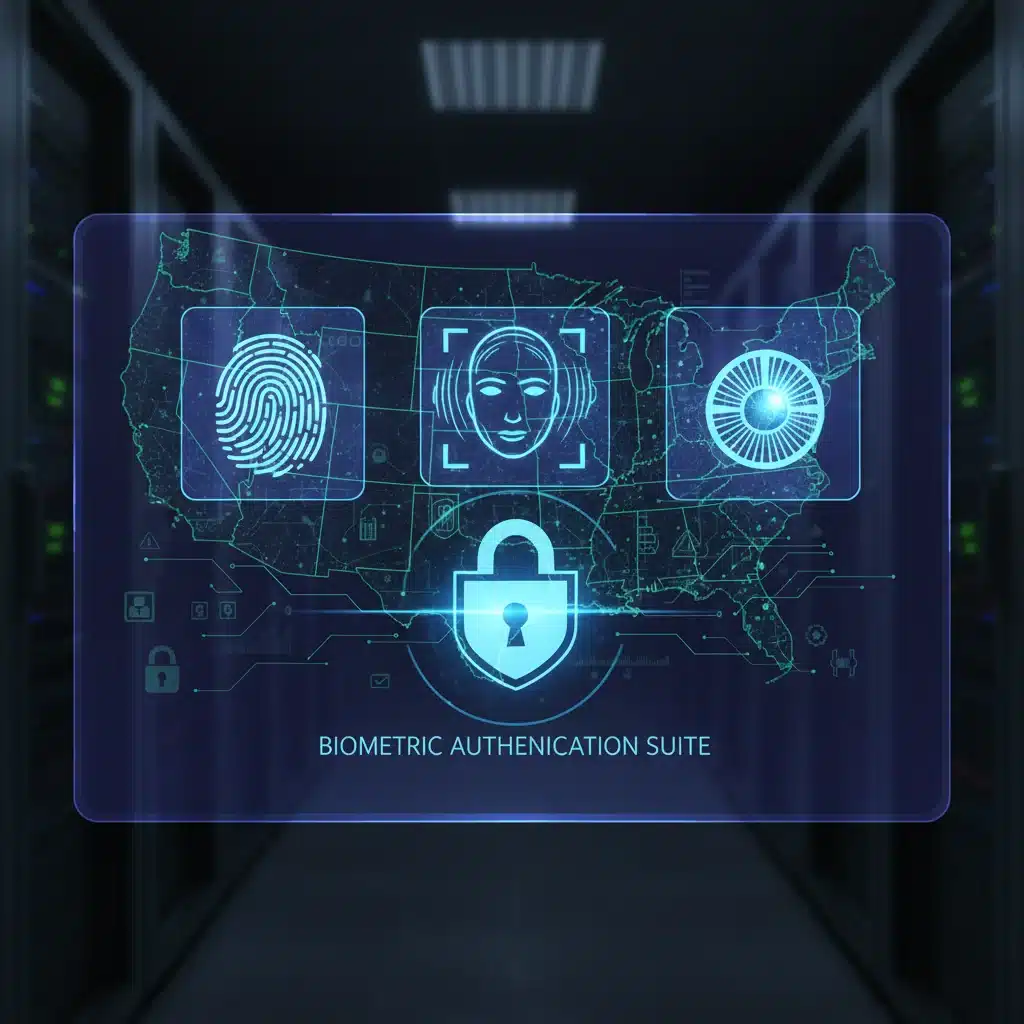
The landscape of cybersecurity is ever-evolving, with threats growing more sophisticated by the day. As we approach 2026, the need for robust, impenetrable security measures has never been more critical, especially for protecting sensitive US data and systems. Traditional authentication methods, while still relevant, are increasingly vulnerable to advanced hacking techniques. This escalating threat environment necessitates a paradigm shift towards more secure and user-friendly authentication solutions. Enter Biometric Security 2026 – a field that leverages unique biological and behavioral characteristics to verify identity with unparalleled accuracy and efficiency.
Biometric security offers a compelling alternative to passwords and PINs, which can be forgotten, stolen, or compromised. By utilizing inherent human traits, biometric systems provide a higher level of assurance that the person attempting to access a system or data is indeed who they claim to be. This post will delve into six advanced biometric technologies that are set to redefine security protocols in the United States by 2026, offering a glimpse into the future of digital defense against emerging threats.
The integration of artificial intelligence (AI) and machine learning (ML) is propelling biometric security into new frontiers, making these systems more intelligent, adaptive, and resilient to spoofing attempts. From government agencies to critical infrastructure and financial institutions, the adoption of advanced biometrics is becoming a cornerstone of national security and economic stability. Understanding these technologies is not just about staying informed; it’s about anticipating the future of secure interactions in a hyper-connected world.
The Imperative for Advanced Biometric Security in 2026
Why is there such an urgent demand for advanced biometric security measures in 2026? The answer lies in the confluence of several factors: the proliferation of interconnected devices, the increasing value of digital data, and the relentless ingenuity of cybercriminals. Traditional methods of authentication, such as passwords and PINs, are no longer sufficient to withstand the onslaught of sophisticated cyberattacks. Phishing, brute-force attacks, and credential stuffing are just a few of the common tactics that exploit weaknesses in password-based systems.
Furthermore, the convenience factor plays a significant role. Users often opt for weak, easily guessable passwords or reuse them across multiple platforms, creating a domino effect of vulnerability. Biometric authentication, conversely, offers a seamless and often faster verification process without compromising security. The unique nature of biometric data makes it incredibly difficult to replicate or steal, thereby significantly reducing the risk of unauthorized access.
The regulatory landscape is also pushing for stronger security measures. Compliance requirements, such as those stipulated by NIST (National Institute of Standards and Technology) and various industry-specific regulations, demand advanced authentication mechanisms to protect sensitive information. As such, organizations across the US are actively seeking and implementing cutting-edge biometric solutions to meet these mandates and fortify their defenses.
1. Multi-Spectral Facial Recognition: Beyond the Surface
Facial recognition has been a prominent biometric technology for years, but its evolution into multi-spectral analysis marks a significant leap forward. Traditional facial recognition often relies on visible light, making it susceptible to spoofing attempts using high-resolution photos or videos. Multi-spectral facial recognition, however, captures images across multiple light spectrums, including visible, near-infrared, and thermal imaging.
This advanced approach allows the system to analyze not just the superficial features of a face, but also subsurface characteristics like skin texture, blood flow patterns, and even the unique heat signature of a living person. This makes it incredibly difficult for imposters to bypass the system with masks, makeup, or printed images. The technology can differentiate between a live human face and a static representation with a high degree of accuracy, making it a powerful tool for high-security environments, border control, and secure access to critical infrastructure.
In 2026, we expect to see multi-spectral facial recognition integrated into a wider range of applications, from smart building access control to secure payment systems and even advanced identity verification for online services. Its ability to perform accurate authentication even in varying lighting conditions and with partial obstructions further enhances its practicality and reliability.
2. Enhanced Iris and Retina Scanning: Unlocking the Eye’s Code
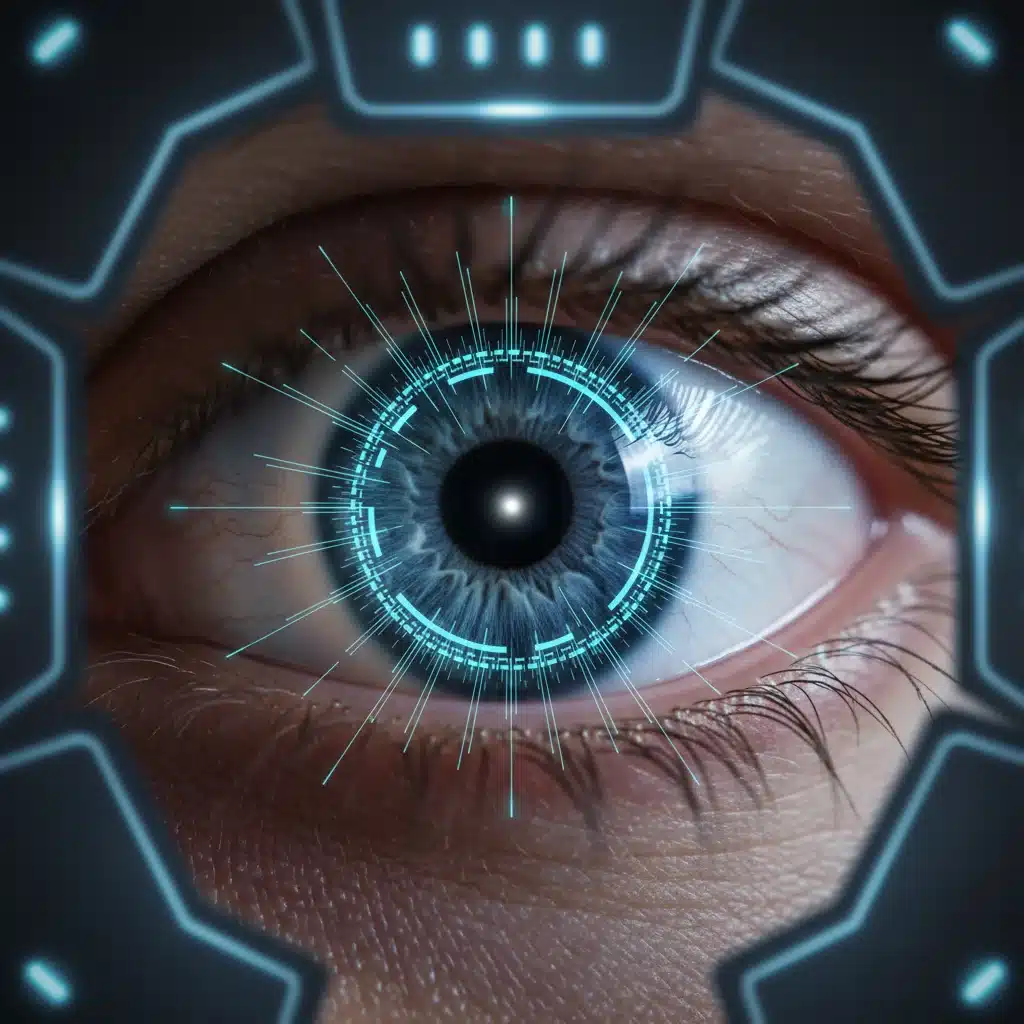
Iris and retina scanning are often considered among the most secure biometric methods due to the incredible uniqueness and stability of these ocular patterns. The iris, the colored part of the eye, contains a complex and highly distinctive pattern that remains stable throughout a person’s life. Retina scanning, while less common, maps the unique pattern of blood vessels at the back of the eye.
In 2026, advancements in imaging technology and AI algorithms are making these methods even more precise and user-friendly. High-resolution cameras can capture iris patterns from a greater distance and at various angles, reducing the need for perfect user alignment. AI-powered algorithms are also improving the speed and accuracy of pattern matching, minimizing false positives and negatives.
The security benefits of enhanced iris and retina scanning are immense. The patterns are virtually impossible to replicate or spoof, offering an extremely high level of assurance. These technologies are particularly valuable in environments demanding the highest levels of security, such as military installations, data centers, and advanced research facilities where protecting sensitive US data is paramount. The non-contact nature of iris scanning also makes it a hygienic and convenient option for public and private sector applications.
3. Behavioral Biometrics: Continuous Authentication in the Background
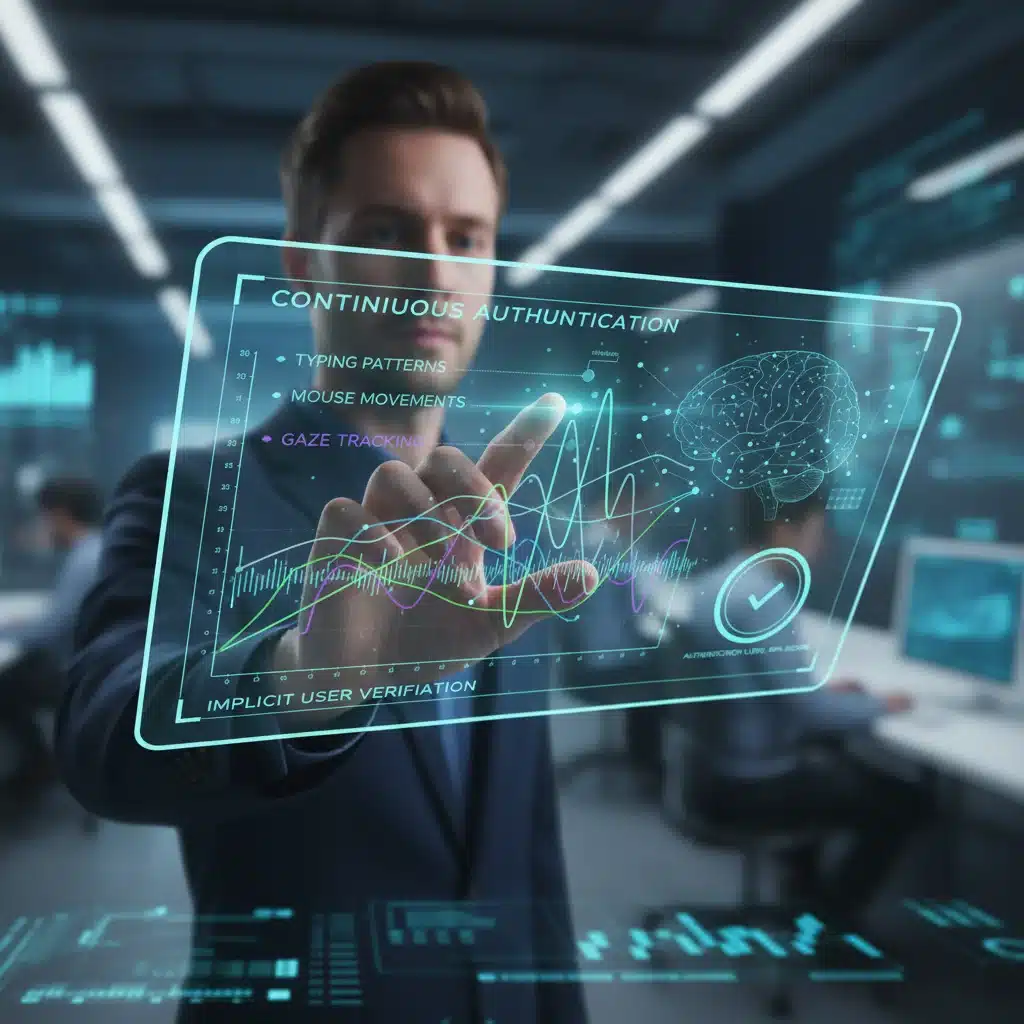
Unlike traditional biometrics that authenticate a user at a single point in time, behavioral biometrics offers continuous authentication by passively monitoring unique behavioral patterns. This includes analysis of typing rhythm, mouse movements, gait, voice cadence, and even how a user interacts with their device. The beauty of behavioral biometrics lies in its ability to detect anomalies in real-time without requiring explicit user interaction.
By 2026, behavioral biometrics will be a cornerstone of proactive threat detection and fraud prevention. If a user’s typical typing speed or mouse movement patterns suddenly deviate, the system can flag it as suspicious activity, potentially indicating an unauthorized user. This continuous verification layer adds an unobtrusive yet powerful defense mechanism against account takeovers and insider threats.
The integration of machine learning is crucial for the effectiveness of behavioral biometrics. ML algorithms learn and adapt to individual user patterns over time, building a robust profile that can accurately distinguish legitimate users from imposters. This technology is particularly valuable for protecting sensitive financial transactions, intellectual property, and critical national infrastructure by ensuring that the authenticated user remains the legitimate user throughout a session.
4. Vein Pattern Recognition: The Hidden Network of Security
Vein pattern recognition, particularly finger and palm vein scanning, is emerging as a highly secure and reliable biometric method. The unique network of veins beneath the skin’s surface is invisible to the naked eye but can be captured using near-infrared light. This technology offers several advantages over other biometrics.
Firstly, vein patterns are internal, making them extremely difficult to forge or steal. Unlike fingerprints, which can be lifted from surfaces, vein patterns require the presence of a living person with blood flow for accurate detection. This inherent liveness detection significantly enhances security. Secondly, vein patterns are highly stable and do not change with age or minor injuries, ensuring consistent authentication over time.
In 2026, we anticipate wider adoption of vein pattern recognition in various sectors, including healthcare for patient identification, banking for secure transactions, and enterprise environments for access control. The contactless nature of some vein scanners also makes them hygienic and convenient, further driving their appeal in a post-pandemic world. Its robustness against spoofing makes it an excellent choice for protecting high-value assets and sensitive US data.
5. Voice Biometrics with Liveness Detection: Speaking Security
Voice biometrics, which authenticates individuals based on their unique voice characteristics, is undergoing significant advancements. While simple voice recognition has been around for some time, the addition of sophisticated liveness detection and AI-driven analysis is transforming its security capabilities. Liveness detection algorithms can now differentiate between a live human voice and a recorded playback or synthesized voice, thwarting sophisticated spoofing attempts.
In 2026, voice biometrics will be increasingly used for telephone banking, call center authentication, and secure remote access. Users can simply speak a passphrase or engage in a natural conversation to verify their identity. AI and machine learning play a crucial role in analyzing nuances in pitch, tone, accent, and speech patterns, creating a highly accurate voiceprint.
Furthermore, continuous voice authentication can be employed to monitor ongoing conversations, flagging any sudden changes in the speaker’s voice that might indicate a change in user or a security breach. This makes voice biometrics a powerful tool for maintaining continuous security in verbal communication channels, vital for government and defense applications.
6. Multi-Modal Biometric Fusion: The Ultimate Security Layer
While each of the aforementioned biometric technologies offers significant security advantages individually, the true power lies in their combination through multi-modal biometric fusion. This approach involves combining two or more distinct biometric modalities (e.g., facial recognition and iris scanning, or fingerprint and voice biometrics) to create an even more robust and accurate authentication system.
Multi-modal biometrics significantly enhances security by requiring multiple independent pieces of evidence for identity verification. If one biometric modality is compromised or fails to provide sufficient accuracy, another can compensate. This redundancy drastically reduces the probability of false positives (unauthorized access) and false negatives (denial of access to legitimate users).
By 2026, multi-modal biometric fusion will be the gold standard for high-security applications, particularly in critical infrastructure, government facilities, and financial institutions handling vast amounts of sensitive US data. AI and machine learning algorithms are essential for seamlessly integrating and cross-referencing data from different biometric sensors, making the authentication process efficient and virtually impenetrable. This layered approach provides the highest level of assurance that only authorized individuals gain access to protected systems.
Challenges and Considerations for Biometric Security 2026
While the future of Biometric Security 2026 looks promising, several challenges and considerations need to be addressed for widespread and effective implementation:
- Privacy Concerns: The collection and storage of biometric data raise significant privacy concerns. Robust legal frameworks and ethical guidelines are essential to ensure that biometric data is handled responsibly, securely, and transparently, with clear consent from individuals.
- Data Security: Biometric templates, though not the raw biometric data itself, must be stored and protected with the highest levels of encryption and security protocols. A breach of biometric templates could have severe consequences, as these cannot be easily changed like passwords.
- Accuracy and Bias: While advancements in AI are improving accuracy, issues of bias in biometric systems, particularly facial recognition, against certain demographic groups still need continuous refinement. Ensuring fairness and accuracy across all populations is crucial for equitable and reliable security.
- Interoperability: As various biometric technologies evolve, ensuring interoperability between different systems and platforms will be vital for seamless integration and widespread adoption across diverse environments.
- Cost of Implementation: The initial investment in advanced biometric hardware and software can be substantial. Organizations need to weigh the security benefits against the cost of deployment and maintenance.
- User Acceptance: While biometrics offer convenience, user acceptance can vary. Education and transparent communication about how biometric data is used and protected are key to fostering trust and adoption.
The Future Landscape of Secure Access
As we navigate towards 2026, the convergence of advanced biometric technologies with sophisticated AI and machine learning capabilities is fundamentally reshaping how we approach security. The emphasis is shifting from ‘what you know’ (passwords) to ‘who you are’ (biometrics), offering a more intrinsic and robust layer of protection.
The United States, with its vast digital infrastructure and critical national assets, is at the forefront of adopting and developing these cutting-edge solutions. The threats are real and constantly evolving, but so too are the defenses. The six advanced biometric technologies discussed – multi-spectral facial recognition, enhanced iris and retina scanning, behavioral biometrics, vein pattern recognition, voice biometrics with liveness detection, and multi-modal biometric fusion – represent the vanguard of this defensive evolution.
These technologies are not merely incremental improvements; they are transformative. They promise a future where digital interactions are more secure, convenient, and resilient against even the most sophisticated cyber adversaries. For individuals, businesses, and government entities, embracing these advancements in Biometric Security 2026 is not just an option, but a necessity for safeguarding our digital future.
The continuous research and development in this field will undoubtedly lead to even more innovative solutions beyond 2026, further solidifying the role of biometrics as the ultimate gatekeepers of digital identity and data integrity. Staying informed and proactive in implementing these solutions will be paramount for maintaining a secure and trustworthy digital ecosystem.