Fashion as a Cultural Statement: 3 Conscious Consumption Trends for 2026
Fashion as a Cultural Statement: 3 Conscious Consumption Trends for 2026
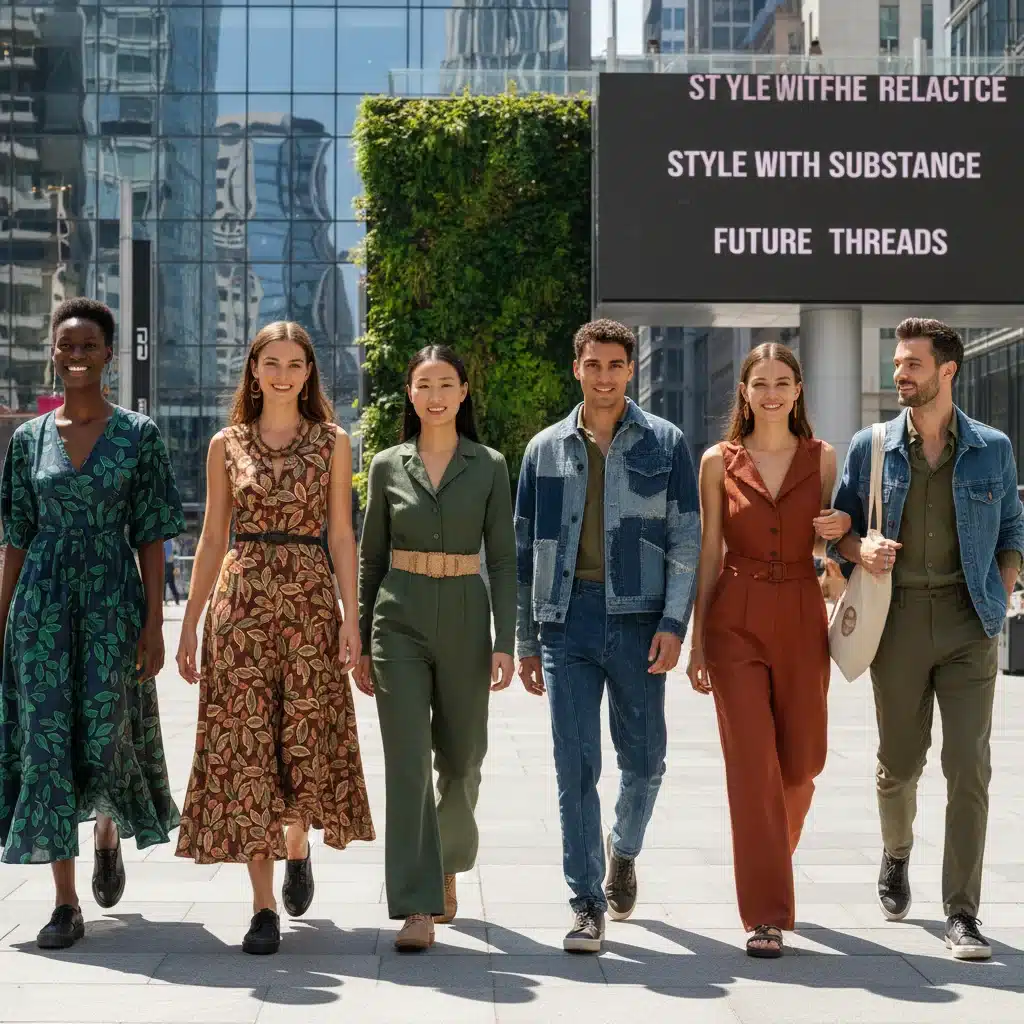
In an era increasingly defined by environmental awareness and social responsibility, the fashion industry is undergoing a profound metamorphosis. No longer is fashion merely about aesthetics; it has evolved into a powerful cultural statement, reflecting our values, ethics, and aspirations for a better world. The year 2026 is poised to cement this shift, with conscious consumption fashion leading the charge. Consumers are demanding transparency, sustainability, and authenticity, prompting brands to rethink their entire supply chains and design philosophies. This deep dive will explore three pivotal conscious consumption fashion trends that will not only dominate the industry in 2026 but also redefine what it means to be fashionable.
The journey towards conscious consumption fashion is not a fleeting trend but a fundamental recalibration of how we interact with our clothing. From the raw materials used to the labor practices involved, every stage of a garment’s life cycle is under scrutiny. This shift is driven by a growing global awareness of climate change, resource depletion, and social inequality. Consumers, especially younger generations, are increasingly making purchasing decisions based on a brand’s commitment to ethical and sustainable practices. They are seeking out clothing that tells a story of responsibility, innovation, and respect for both people and the planet. This evolution positions fashion as a potent tool for cultural expression and social change, moving beyond superficial trends to embody deeper societal values.
The implications of this movement are far-reaching. It challenges the traditional fast fashion model, which has long prioritized speed and low cost over quality and sustainability. Instead, conscious consumption fashion advocates for a slower, more deliberate approach to clothing, encouraging investment in durable, versatile pieces that stand the test of time. It champions circularity, aiming to minimize waste and maximize resource utilization. Furthermore, it empowers consumers to become active participants in the fashion narrative, making informed choices that align with their personal ethics. As we delve into the specific trends for 2026, it becomes clear that this isn’t just about buying different clothes; it’s about adopting a different mindset towards fashion altogether.
1. Radical Transparency and Ethical Sourcing: The Unveiling of the Supply Chain
One of the most significant pillars of conscious consumption fashion in 2026 will be radical transparency coupled with uncompromising ethical sourcing. Consumers are no longer content with vague assurances of sustainability; they demand verifiable proof of ethical practices throughout the entire supply chain. This means knowing precisely where materials come from, how they are produced, and under what conditions the garments are made. Brands that embrace this level of openness will build trust and loyalty, distinguishing themselves in a crowded marketplace.
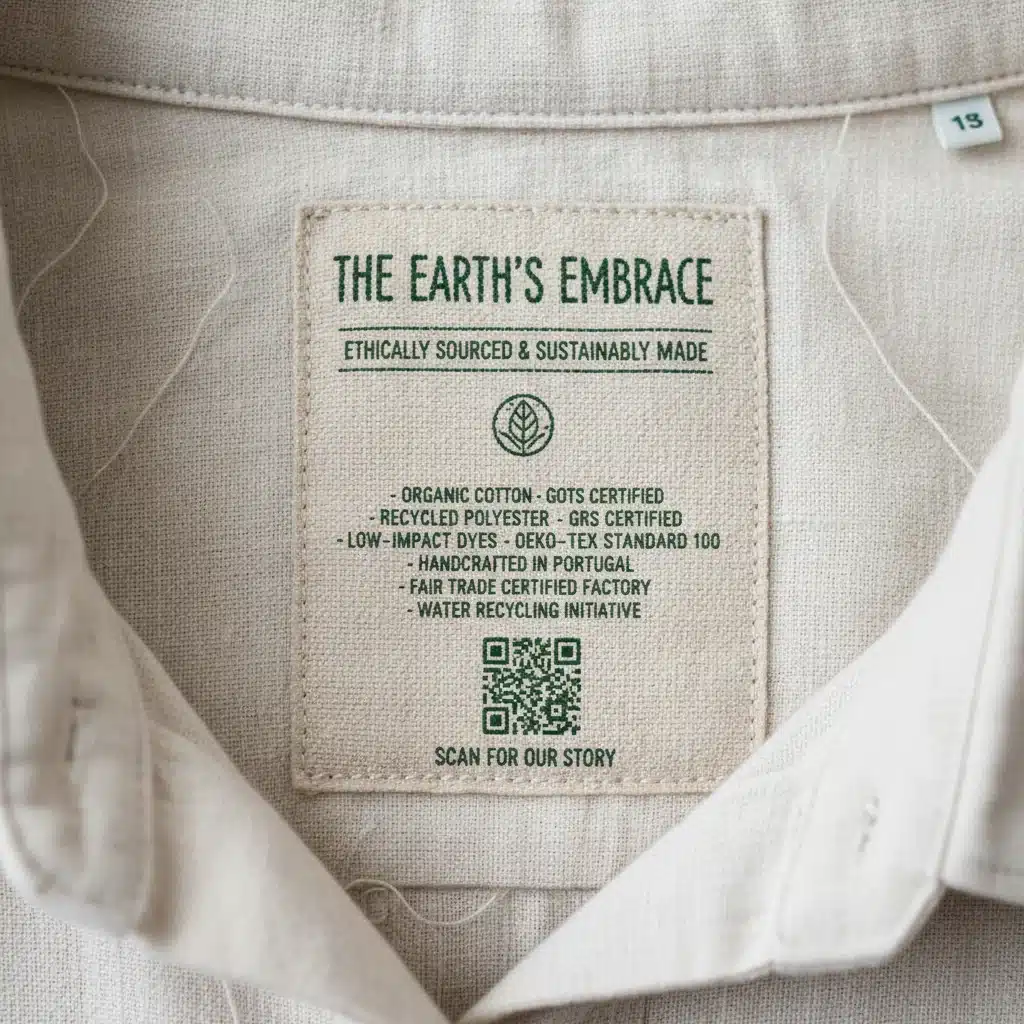
Radical transparency goes beyond simply listing countries of origin. It involves providing detailed information about the farms where fibers are grown, the factories where fabrics are milled, and the workshops where clothes are assembled. This includes data on labor practices, fair wages, working conditions, and environmental impact at each stage. Technologies like blockchain are playing an increasingly vital role in facilitating this transparency, allowing consumers to trace a garment’s journey from raw material to finished product with unprecedented accuracy. Imagine scanning a QR code on a dress and instantly accessing a comprehensive report on its entire creation process – this is the future of conscious consumption fashion.
Ethical sourcing, hand-in-hand with transparency, focuses on ensuring that every component of a garment is obtained in a way that respects human rights and environmental well-being. This means prioritizing organic, recycled, or upcycled materials, avoiding harmful chemicals, and ensuring fair treatment and living wages for all workers involved in production. The exploitation often associated with fast fashion’s global supply chains is becoming increasingly unacceptable. Brands are investing in certifications like Fair Trade, GOTS (Global Organic Textile Standard), and WRAP (Worldwide Responsible Accredited Production) to validate their claims and provide consumers with peace of mind. These certifications serve as external validators, assuring consumers that their purchases align with genuine ethical principles.
Moreover, the emphasis on local and regional sourcing is also gaining traction as part of this trend. By shortening supply chains, brands can not only reduce their carbon footprint but also exert greater control over labor practices and material quality. Supporting local artisans and manufacturers also contributes to community development and preserves traditional craftsmanship. This localized approach resonates deeply with consumers who are increasingly interested in understanding the provenance of their goods and supporting businesses that contribute positively to their immediate environment.
The impact of radical transparency and ethical sourcing extends beyond individual purchasing decisions. It exerts pressure on the entire industry to elevate its standards, fostering a more responsible and equitable global fashion system. As consumers become more informed and empowered, they become a powerful force for change, rewarding brands that genuinely commit to these principles and holding accountable those that fall short. This trend is not just about compliance; it’s about creating a new paradigm where ethical considerations are woven into the very fabric of fashion.
2. The Rise of Circularity: From Linear to Regenerative Fashion Systems
The traditional linear model of fashion – ‘take, make, dispose’ – is inherently unsustainable. In 2026, conscious consumption fashion will be heavily defined by the widespread adoption of circular economy principles. This trend aims to keep resources in use for as long as possible, extract the maximum value from them while in use, then recover and regenerate products and materials at the end of each service life. It’s a radical departure from single-use mentalities and a commitment to waste reduction and resource regeneration.
Circularity in fashion manifests in several key ways. Firstly, it involves designing garments for longevity and durability. This means using high-quality materials, timeless designs, and robust construction techniques that allow clothes to withstand repeated wear and washing. Brands are moving away from planned obsolescence, creating pieces that are meant to be cherished and repaired, rather than discarded after a few wears. This focus on quality over quantity is a cornerstone of the circular economy, encouraging consumers to invest in fewer, better items.
Secondly, repair, reuse, and resale models are becoming mainstream. Brands are increasingly offering repair services, encouraging customers to extend the life of their purchases. The secondhand market, including consignment, thrift stores, and peer-to-peer platforms, is experiencing exponential growth, allowing garments to have multiple lives with different owners. Rental services for special occasions or everyday wear are also gaining popularity, providing access to fashion without the burden of ownership. These models not only reduce waste but also make fashion more accessible and affordable, democratizing style in a sustainable way.
Thirdly, material innovation is crucial for circularity. This includes developing new fibers from agricultural waste, experimenting with biodegradable materials, and perfecting technologies for garment-to-garment recycling. The goal is to create a closed-loop system where old clothes can be broken down and reformed into new textiles, minimizing the need for virgin resources. Imagine a future where your old t-shirt can be transformed into a brand-new one, without any loss of quality – this is the promise of circular fashion. Companies are investing heavily in research and development to make these processes scalable and economically viable.
Furthermore, brands are taking responsibility for the entire lifecycle of their products through take-back programs. These initiatives allow consumers to return worn-out or unwanted garments to the brand, which then takes on the responsibility of repairing, recycling, or upcycling them. This Extended Producer Responsibility (EPR) is a critical component of a truly circular system, shifting the burden of waste management from the consumer to the producer. It incentivizes brands to design products that are easier to recycle and to invest in the infrastructure needed for collection and processing.
The cultural impact of circularity is profound. It shifts our relationship with clothing from a disposable commodity to a valuable resource. It encourages creativity through upcycling and customization, and fosters a sense of community around sharing and repairing. As more brands and consumers embrace these practices, the fashion industry will move closer to a regenerative model, one that not only minimizes harm but actively contributes to environmental and social well-being. This trend is about reimagining the entire fashion ecosystem, making it more resilient, resourceful, and responsible.
3. Hyper-Personalization and Identity-Driven Expression: Fashion as a Unique Narrative
While the first two trends focus on the ethical and environmental aspects of conscious consumption fashion, the third trend centers on the individual’s relationship with clothing: hyper-personalization and identity-driven expression. In 2026, fashion will be less about conforming to mass trends and more about crafting a unique personal narrative through clothing that truly reflects one’s identity, values, and lifestyle. This is a rejection of homogenized aesthetics in favor of authentic self-expression.
Hyper-personalization goes beyond custom sizing or monogramming. It involves co-creation between consumers and brands, allowing individuals to influence design, material choices, and even production methods. This can range from bespoke services and made-to-order garments to modular clothing systems that can be adapted and reconfigured. The advent of AI and 3D printing technologies further enables this, allowing for rapid prototyping and mass customization at an unprecedented scale. Consumers can become designers themselves, creating pieces that are perfectly tailored to their body, taste, and ethical preferences.
Identity-driven expression means that clothing choices are deeply intertwined with personal beliefs and cultural affiliations. This could involve supporting brands that align with specific social causes, wearing garments that celebrate heritage or identity, or choosing styles that challenge traditional norms. Fashion becomes a visual language through which individuals communicate who they are, what they stand for, and what kind of world they envision. This trend empowers consumers to use their purchasing power as a form of activism, supporting designers and brands that champion diversity, inclusivity, and progressive values.
The emphasis on individuality also encourages a move away from trend cycles and towards a more timeless, curated wardrobe. Consumers are investing in versatile, high-quality pieces that can be mixed and matched, adapted for different occasions, and cherished for years. This approach reduces the pressure to constantly buy new items to keep up with fleeting trends, promoting a more mindful and sustainable way of consuming fashion. It’s about building a wardrobe that tells your personal story, rather than simply following what’s popular.
Furthermore, digital fashion and the metaverse are emerging as new frontiers for identity-driven expression. Virtual clothing, NFTs, and digital avatars allow individuals to experiment with fashion in a purely expressive, non-physical realm, free from the constraints of material production. While still nascent, this digital dimension of fashion offers exciting possibilities for creative freedom and the exploration of identity, potentially reducing the environmental impact of physical clothing production for purely expressive purposes. It creates a space where fashion can be truly imaginative and boundary-pushing.
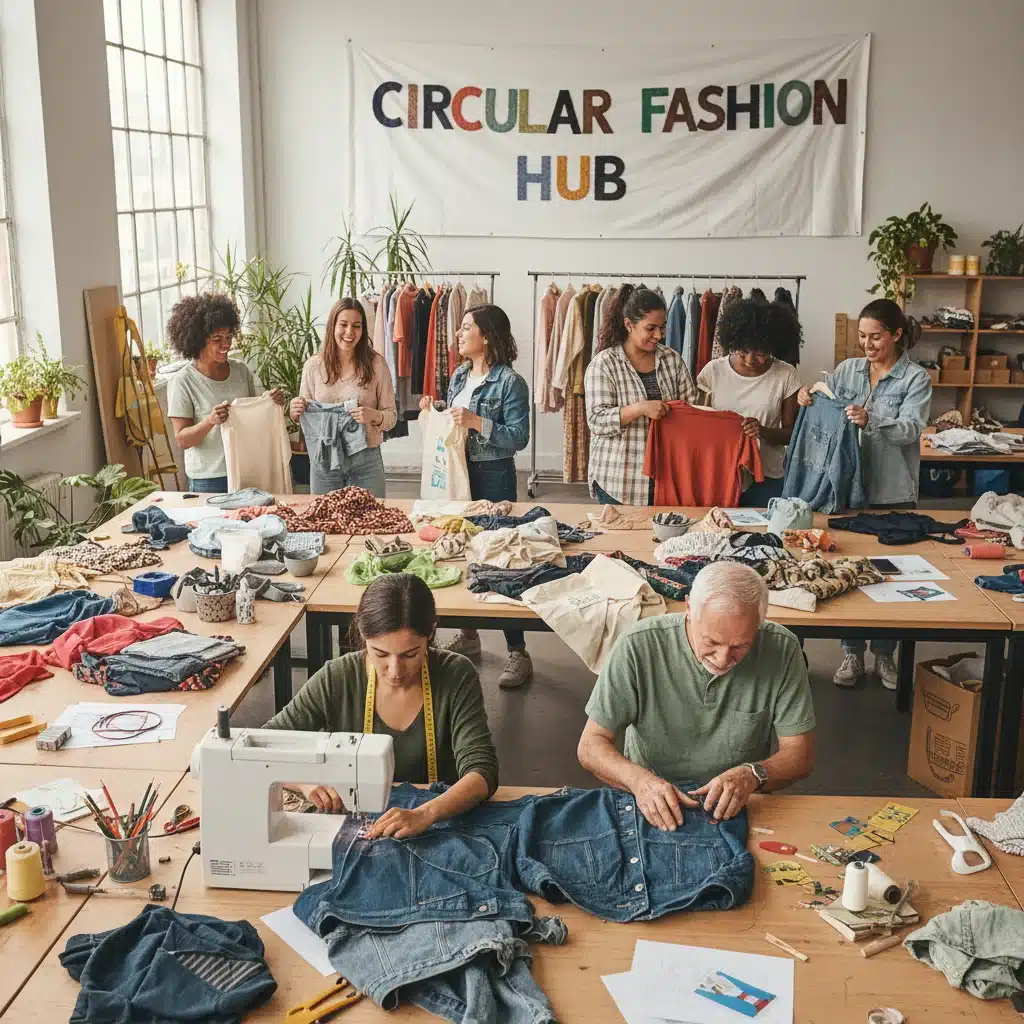
The intertwining of personalization with ethical and sustainable practices is key here. Consumers want their unique pieces to also be responsibly made. A bespoke garment created from upcycled materials, or a custom-designed piece from a transparently sourced brand, perfectly encapsulates this trend. It merges the desire for personal uniqueness with a commitment to planetary well-being, demonstrating that individual expression and collective responsibility are not mutually exclusive but rather complementary forces in the evolution of conscious consumption fashion.
The Interconnected Future of Fashion
These three trends – radical transparency and ethical sourcing, the rise of circularity, and hyper-personalization and identity-driven expression – are not isolated phenomena. They are deeply interconnected, forming a holistic vision for conscious consumption fashion in 2026. A truly sustainable and ethical garment will likely be transparently sourced, designed for circularity, and offer opportunities for personal expression. This synergy creates a powerful momentum for transformative change within the fashion industry.
The brands that will thrive in this new landscape are those that embrace innovation across all these dimensions. They will be the ones that invest in regenerative agriculture for their materials, implement robust take-back and recycling programs, and empower consumers to co-create their wardrobes. They will communicate their values clearly and authentically, building genuine relationships with their customer base. The ‘greenwashing’ tactics of the past will no longer suffice; consumers are too savvy and too informed to be misled by superficial sustainability claims.
For consumers, this evolving fashion landscape presents both challenges and opportunities. It requires a more discerning approach to shopping, a willingness to ask questions, and an openness to new ways of engaging with clothing, such as repairing, renting, or buying secondhand. However, it also offers the immense satisfaction of knowing that one’s fashion choices are contributing to a more just and sustainable world. It’s an opportunity to align personal style with deeply held values, making every outfit a statement of purpose.
Embracing the Shift Towards a Mindful Wardrobe
As we look towards 2026, the trajectory of fashion is clear: it’s moving towards a more mindful, responsible, and expressive future. The era of disposable fashion is slowly but surely giving way to a new paradigm where quality, ethics, and individuality are paramount. Conscious consumption fashion isn’t just a niche market anymore; it’s becoming the mainstream, driven by a global community of consumers and innovators committed to positive change.
The journey is ongoing, and there are still significant hurdles to overcome, from scaling sustainable technologies to ensuring equitable labor practices worldwide. However, the trends outlined here demonstrate a clear path forward. They represent a collective desire to redefine fashion’s role in society, transforming it from a contributor to environmental degradation and social injustice into a powerful force for cultural betterment and sustainable living. By embracing these trends, both brands and consumers can play a pivotal role in shaping a fashion industry that is not only stylish but also truly sustainable and ethically sound.
Ultimately, conscious consumption fashion in 2026 is about more than just the clothes we wear; it’s about the values we embody, the stories we tell, and the future we create. It’s a celebration of creativity, craftsmanship, and compassion, woven into every thread and stitch. The future of fashion is bright, and it’s decidedly conscious.