Reclaiming Public Spaces: 3 Cultural Revivals Across the US in 2026
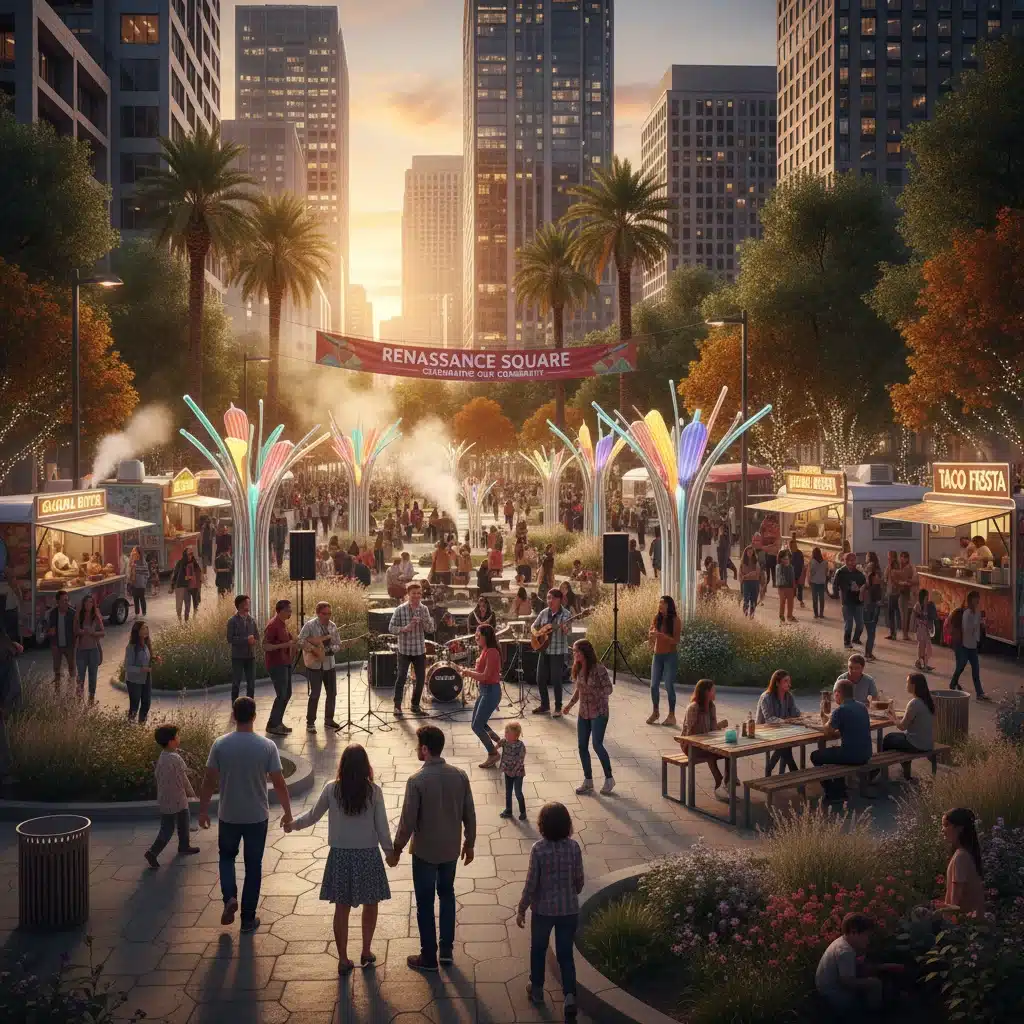
In an increasingly digitized world, the importance of physical, shared spaces for fostering community and cultural identity has never been more evident. Public spaces, from parks and plazas to abandoned industrial sites, are undergoing a profound transformation across the United States. These aren’t just cosmetic makeovers; they are deep, intentional efforts to breathe new life into urban and rural environments, creating vibrant hubs where people can connect, create, and celebrate their shared heritage. As we look ahead to 2026, several groundbreaking initiatives are poised to redefine what it means to reclaim public spaces, ushering in a new era of cultural revivals 2026.
The concept of a cultural revival is more than just a trend; it’s a societal imperative. It speaks to a collective desire to mend the frayed edges of community, to provide accessible platforms for artistic expression, and to integrate sustainable practices into our urban fabric. These projects are often born from grassroots efforts, fueled by local passion and supported by innovative partnerships between governments, non-profits, and private entities. They represent a fundamental shift in how we perceive and utilize our common grounds, moving away from mere functional areas to dynamic centers of human interaction and cultural exchange. This article delves into three exemplary cultural revivals set to make a significant impact across the US by 2026, showcasing the diversity and ingenuity of these transformative efforts.
The Power of Reimagined Public Spaces: Why Now?
The impetus behind these cultural revivals 2026 is multifaceted. Decades of urban sprawl, economic shifts, and a growing reliance on digital interaction have, in many places, eroded the traditional functions of public spaces. However, the recent past has also highlighted a profound human need for tangible connection and shared experiences. The COVID-19 pandemic, for instance, underscored the critical role of accessible outdoor spaces for mental and physical well-being. This renewed appreciation has fueled a movement to not only restore but reimagine these areas, imbuing them with purpose, beauty, and resilience.
Moreover, there’s a growing recognition that vibrant public spaces are key drivers of economic development. They attract tourism, foster local businesses, and enhance property values. More importantly, they contribute to social cohesion, providing neutral ground where people from all walks of life can interact, learn, and grow together. These cultural revivals are often deeply rooted in the history and identity of their respective locations, celebrating local narratives while also embracing global influences. They are testaments to the belief that well-designed and actively programmed public spaces are not just amenities, but essential components of healthy, thriving communities.
The projects we will explore are not simply about aesthetics; they are about functionality, inclusivity, and sustainability. They prioritize pedestrian access, green infrastructure, and flexible designs that can adapt to evolving community needs. They integrate art not as an afterthought, but as an intrinsic part of the landscape, creating immersive experiences that engage the senses and provoke thought. As we venture into 2026, these cultural revivals are poised to become benchmarks for future urban development, demonstrating the immense potential of collaborative vision and community-led design.
1. The ‘Riverbend Arts District’ in Cincinnati, Ohio: A Waterfront Renaissance
Cincinnati, a city with a rich industrial past, is embarking on an ambitious project to transform its underutilized riverfront into the ‘Riverbend Arts District.’ This isn’t just a park; it’s a comprehensive cultural ecosystem designed to be a beacon of the cultural revivals 2026 movement. Spanning several miles along the Ohio River, the district aims to seamlessly blend public green spaces with state-of-the-art performance venues, interactive art installations, and educational centers. The vision is to create a dynamic destination that celebrates Cincinnati’s diverse heritage while fostering contemporary artistic expression.
The genesis of the Riverbend Arts District began with community dialogues, where residents expressed a strong desire for more accessible public spaces that offered both recreation and cultural enrichment. Architects and urban planners collaborated closely with local artists, historians, and environmentalists to develop a master plan that respects the natural ecology of the river while introducing innovative urban design elements. A key feature will be a series of interconnected plazas, each with a distinct theme – from a ‘Sculpture Garden Plaza’ showcasing regional artists to a ‘Heritage Plaza’ narrating the city’s industrial and cultural evolution through interactive exhibits and historical markers.
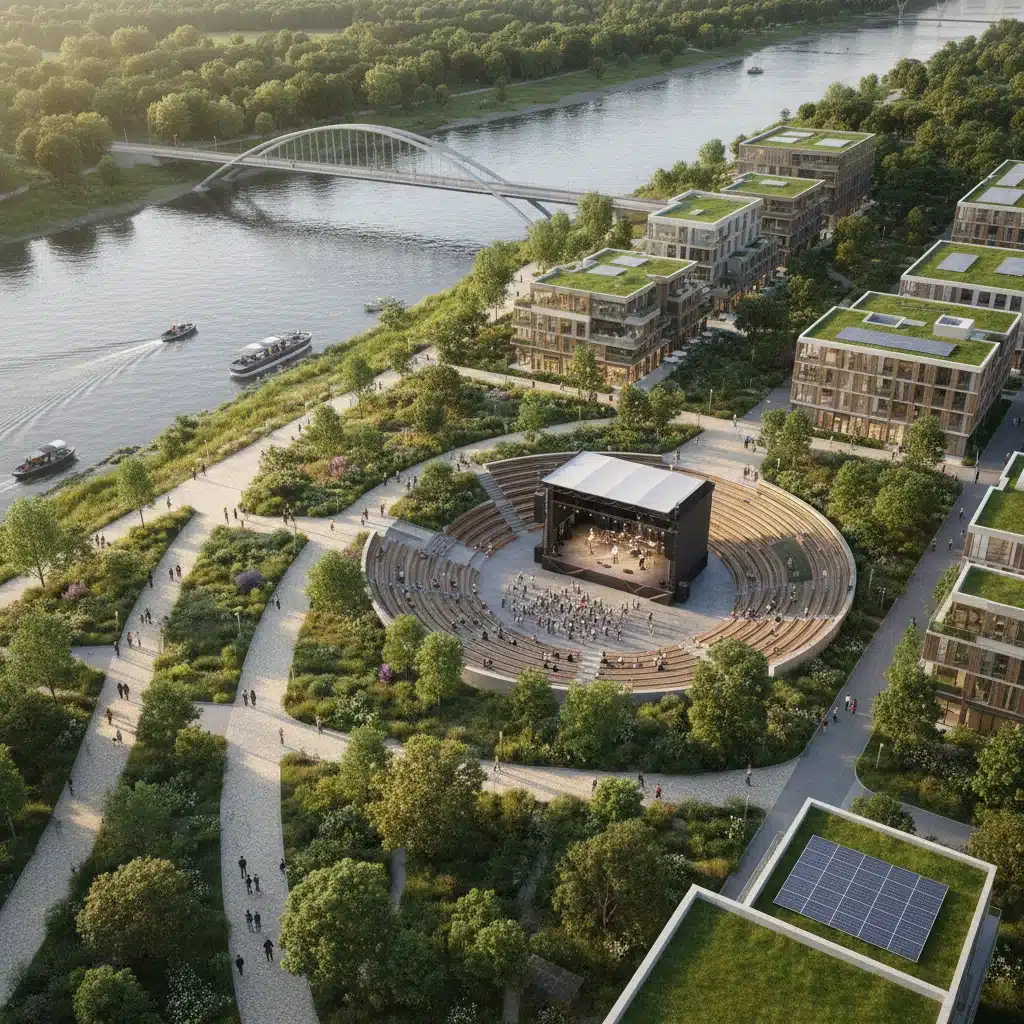
The district will also boast a floating amphitheater, designed to host concerts, theatrical performances, and community events with the river as a stunning backdrop. This innovative structure is part of a broader commitment to sustainable development, utilizing renewable energy sources and incorporating flood-resilient design principles. Pedestrian and cycling paths will weave throughout the district, connecting it to existing urban infrastructure and promoting active transportation. Additionally, dedicated spaces for pop-up markets, food trucks, and local artisan stalls will ensure a constant buzz of activity, supporting small businesses and providing diverse culinary and retail experiences.
One of the most exciting aspects of the Riverbend Arts District is its focus on immersive and interactive art. Digital projections will illuminate historical industrial facades at night, telling stories of the city’s past, while augmented reality experiences will allow visitors to explore virtual exhibitions and engage with artistic content in new ways. Educational programs, in partnership with local schools and universities, will offer workshops on art, history, and environmental stewardship, ensuring that the district serves as a living laboratory for learning and creativity. By 2026, the Riverbend Arts District is expected to be a thriving example of how a city can reclaim its waterfront, transforming it into a vibrant cultural heart that resonates with both residents and visitors.
The economic impact of such a large-scale project is projected to be significant, creating numerous jobs in construction, arts management, hospitality, and retail. Beyond the financial gains, the district aims to foster a stronger sense of civic pride and identity, providing a shared space where Cincinnatians can gather, celebrate, and forge lasting memories. It’s a testament to the power of visionary urban planning and community collaboration in driving meaningful cultural revivals 2026.
2. ‘The High Desert Oasis’ in Albuquerque, New Mexico: Desert Urbanism Redefined
Albuquerque, New Mexico, is pioneering a new approach to urban development with ‘The High Desert Oasis,’ a groundbreaking project that seeks to transform a vast, arid plot of land on the city’s outskirts into a sustainable, culturally rich public space. This initiative stands out among the cultural revivals 2026 for its innovative integration of ecological restoration with artistic and community programming, all while embracing the unique beauty and challenges of a desert environment.
The project began with a radical idea: instead of fighting the desert, celebrate it. The High Desert Oasis is designed to be a living laboratory for sustainable desert urbanism. It will feature extensive xeriscaping, using native, drought-resistant plants to create lush, yet water-wise, landscapes. Advanced water harvesting and recycling systems will be integrated throughout the site, demonstrating cutting-edge environmental practices. The goal is to create a vibrant public space that not only survives but thrives in an arid climate, setting a new standard for sustainable development in similar regions worldwide.
Culturally, the Oasis will be a tribute to New Mexico’s rich Native American and Hispanic heritage. Public art installations will draw inspiration from indigenous patterns, colors, and storytelling traditions, while performance spaces will host traditional dances, music, and theatrical productions. A central ‘Cultural Commons’ will serve as a gathering point, featuring an open-air market for local artisans, a community kitchen for culinary workshops, and intergenerational learning centers focused on traditional crafts and ecological knowledge. This emphasis on local identity makes it a truly unique example of cultural revivals 2026.
The design includes a series of ‘shade structures’ inspired by traditional adobe architecture, providing respite from the intense desert sun while also serving as canvases for public murals and digital art projections. Walking trails will wind through restored desert ecosystems, offering opportunities for nature observation and quiet contemplation. Educational programs will focus on desert ecology, sustainable living, and the cultural significance of the landscape, inviting both residents and tourists to engage deeply with the environment.
The High Desert Oasis is not just about creating a beautiful space; it’s about fostering a deeper connection between people and their environment. It addresses the critical issues of water scarcity and climate change head-on, demonstrating how thoughtful design and community engagement can lead to resilient and culturally vibrant public spaces, even in challenging climates. By 2026, this project is expected to be a shining example of how cities can adapt to environmental realities while simultaneously enriching their cultural landscapes, showcasing a forward-thinking approach to cultural revivals 2026.
3. The ‘Freedom Plaza’ in Charleston, South Carolina: A Historic Narrative Reclaimed
Charleston, South Carolina, a city steeped in history, is undertaking a deeply significant project with ‘The Freedom Plaza.’ This initiative aims to transform a historically charged, yet often overlooked, downtown area into a powerful public space for remembrance, education, and reconciliation. Unlike the other projects which focus on artistic or ecological transformation, Freedom Plaza is primarily a narrative reclamation, ensuring that the complex history of the city, particularly its role in the transatlantic slave trade and the fight for civil rights, is openly acknowledged and integrated into the public consciousness. This makes it a profound example of cultural revivals 2026 centered on historical memory.
The plaza will be situated on a site that was once a bustling market square, central to both colonial commerce and the slave trade. The design process has involved extensive input from historians, descendants of enslaved people, civil rights activists, and community leaders to ensure authenticity and sensitivity. The goal is to create a space that is both solemn and inspiring, providing a place for reflection, dialogue, and healing.
A central feature of Freedom Plaza will be a series of interpretive installations and monuments that tell the stories of those who endured slavery and those who fought for freedom. These will include interactive digital displays, oral history archives accessible via QR codes, and evocative sculptural elements. The plaza will be designed to guide visitors through a chronological and thematic journey, from the harsh realities of the past to the ongoing struggles and triumphs of the present day. The use of varied textures, materials, and light will create a contemplative atmosphere, encouraging visitors to engage deeply with the narratives presented.
Beyond its historical significance, Freedom Plaza will also serve as a vibrant public gathering place. It will incorporate flexible event spaces for community meetings, educational workshops, and peaceful demonstrations. A ‘Speakers’ Corner’ will be designated for open dialogue and public discourse, fostering civic engagement and promoting free expression. Green spaces and seating areas will offer places for quiet reflection, ensuring the plaza is both a memorial and a living part of the city.
The project also includes partnerships with local educational institutions to develop comprehensive curricula and public programs focused on civil rights, social justice, and the importance of historical memory. By 2026, Freedom Plaza is envisioned as not just a landmark, but a vital educational resource and a symbol of Charleston’s commitment to confronting its past and building a more equitable future. It represents a crucial form of cultural revivals 2026, demonstrating how public spaces can be powerful tools for historical reckoning and social progress.
The impact of Freedom Plaza is expected to extend far beyond its physical boundaries. It aims to foster a deeper understanding of American history, promote empathy, and inspire action towards social justice. By creating a space where difficult conversations can occur and where diverse voices can be heard, Charleston is setting a powerful example for other cities grappling with their own complex histories. This project underscores the transformative potential of public space in shaping collective memory and fostering a more inclusive society.
The Broader Impact of Cultural Revivals 2026
These three distinct projects – Cincinnati’s Riverbend Arts District, Albuquerque’s High Desert Oasis, and Charleston’s Freedom Plaza – represent just a snapshot of the dynamic cultural revivals 2026 happening across the United States. While each project is unique in its focus and approach, they share common threads: a commitment to community engagement, sustainable design, and the belief in the power of public spaces to enrich lives and strengthen societal bonds.
Fostering Community and Connection
At their core, these revivals are about fostering a sense of belonging. In an age of increasing isolation, well-designed public spaces provide essential opportunities for spontaneous interaction, shared experiences, and collective celebration. They act as democratic arenas where people of all ages, backgrounds, and socio-economic statuses can come together, reducing social fragmentation and building a more cohesive society. The success of these projects will be measured not just by their aesthetic appeal or economic impact, but by the vibrancy of the communities they cultivate.
Driving Sustainable Urban Development
Sustainability is another critical component woven into the fabric of these initiatives. From green infrastructure and water conservation in Albuquerque to flood-resilient design in Cincinnati, these projects are demonstrating how urban development can be harmonized with environmental stewardship. They serve as models for how cities can adapt to climate change, promote biodiversity, and create healthier, more resilient environments for their residents. This forward-thinking approach ensures that these cultural revivals are not just temporary fixes, but lasting legacies.
Celebrating Diverse Narratives
Perhaps most importantly, these cultural revivals are reclaiming and celebrating diverse narratives. Whether it’s the artistic heritage of Cincinnati, the indigenous wisdom of the desert in Albuquerque, or the profound history of civil rights in Charleston, these spaces are becoming platforms for storytelling, education, and reconciliation. They ensure that history is not forgotten, that art is accessible to all, and that every voice has a place in the public square. This commitment to inclusivity is what truly elevates these projects beyond mere urban renewal to genuine cultural transformation.
Conclusion: A New Era for Public Spaces
As we look towards 2026 and beyond, the trend of reclaiming and revitalizing public spaces is gaining unstoppable momentum. These cultural revivals are more than just construction projects; they are profound acts of civic imagination, driven by the belief that our shared environments can be powerful catalysts for positive change. They challenge us to rethink what our cities and towns can be, not just as places of commerce and residence, but as vibrant centers of culture, community, and connection.
The examples of Cincinnati, Albuquerque, and Charleston offer compelling visions for the future, demonstrating that with creativity, collaboration, and a deep respect for local identity, we can transform neglected areas into cherished public assets. These cultural revivals 2026 are inspiring blueprints for a more equitable, sustainable, and culturally rich future for all Americans, proving that the heart of a community often beats strongest in its most accessible and celebrated public spaces.
The enduring legacy of these projects will be the renewed sense of ownership and pride they instill in their communities, proving that investing in public spaces is an investment in the collective soul of a nation. As these projects mature, they will continue to evolve, shaped by the people who use them, ensuring that they remain relevant and vibrant for generations to come.