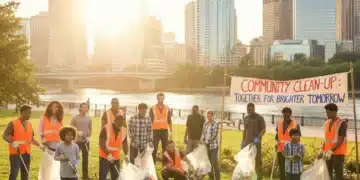
Food Security 2026: Community-Led Solutions for US Hunger Crisis
Food Security in 2026: 5 Practical Solutions for Community-Led Initiatives Addressing Hunger in the United States
The specter of hunger continues to loom large over communities across the United States, casting a shadow on the notion of prosperity and equitable access to basic necessities. Despite being one of the wealthiest nations, food insecurity remains a persistent challenge, impacting millions of households. As we look towards 2026, the urgency to develop and implement effective, sustainable solutions becomes even more pronounced. This article delves into five practical, community-led initiatives that hold immense promise in bolstering community food security and creating a more resilient food system for all Americans. These solutions are not just theoretical; they are actionable strategies that empower local communities to take charge of their food future.
The current landscape of food insecurity is complex, influenced by a myriad of factors including economic disparities, geographical limitations, systemic inequalities, and disruptions in the food supply chain. While federal programs provide a crucial safety net, they often require supplementation from grassroots efforts that are more attuned to the unique needs and cultural contexts of specific communities. Community-led initiatives offer a powerful, localized approach, fostering self-sufficiency, building social capital, and promoting a holistic understanding of food as a fundamental human right. By focusing on these practical solutions, we can collectively work towards a future where hunger is not an inevitability but a solvable problem.
Understanding the Scope of Food Insecurity in the United States
Before diving into solutions, it’s crucial to grasp the sheer scale of food insecurity in the U.S. Millions of Americans, including a disproportionate number of children and seniors, face challenges in accessing enough nutritious food to lead healthy, active lives. This isn’t just about not having enough to eat; it’s also about the lack of access to healthy, affordable options, often leading to a reliance on highly processed, less nutritious foods. This phenomenon, often referred to as ‘food deserts’ or ‘food swamps,’ exacerbates health disparities and perpetuates cycles of poverty.
The COVID-19 pandemic further highlighted the fragility of our food systems, exposing vulnerabilities and increasing the number of food-insecure households. While the immediate crisis has subsided, many families are still grappling with the economic fallout, making the need for robust community food security initiatives more critical than ever. Addressing these issues requires a multi-faceted approach that not only provides immediate relief but also builds long-term resilience and empowers communities to create their own sustainable food ecosystems.
Moreover, food waste is a significant contributor to food insecurity. A substantial portion of edible food is lost or wasted throughout the supply chain, from farm to fork. Redirecting this surplus food to those in need is a practical solution that can immediately impact hunger levels. This requires efficient logistics, strong partnerships between food businesses and charitable organizations, and innovative approaches to food recovery. By tackling waste, we can unlock a vast, untapped resource for feeding hungry communities.
The impact of climate change on food production also cannot be overlooked. Extreme weather events, droughts, and floods increasingly threaten agricultural yields, leading to price volatility and potential shortages. Building resilient local food systems, which are less susceptible to large-scale disruptions, is therefore an essential component of long-term community food security. This involves supporting diverse farming practices, promoting water conservation, and investing in climate-resilient crops and infrastructure. The challenges are significant, but so too is the potential for innovative, community-driven solutions.
Solution 1: Expanding Community Gardens and Urban Farms
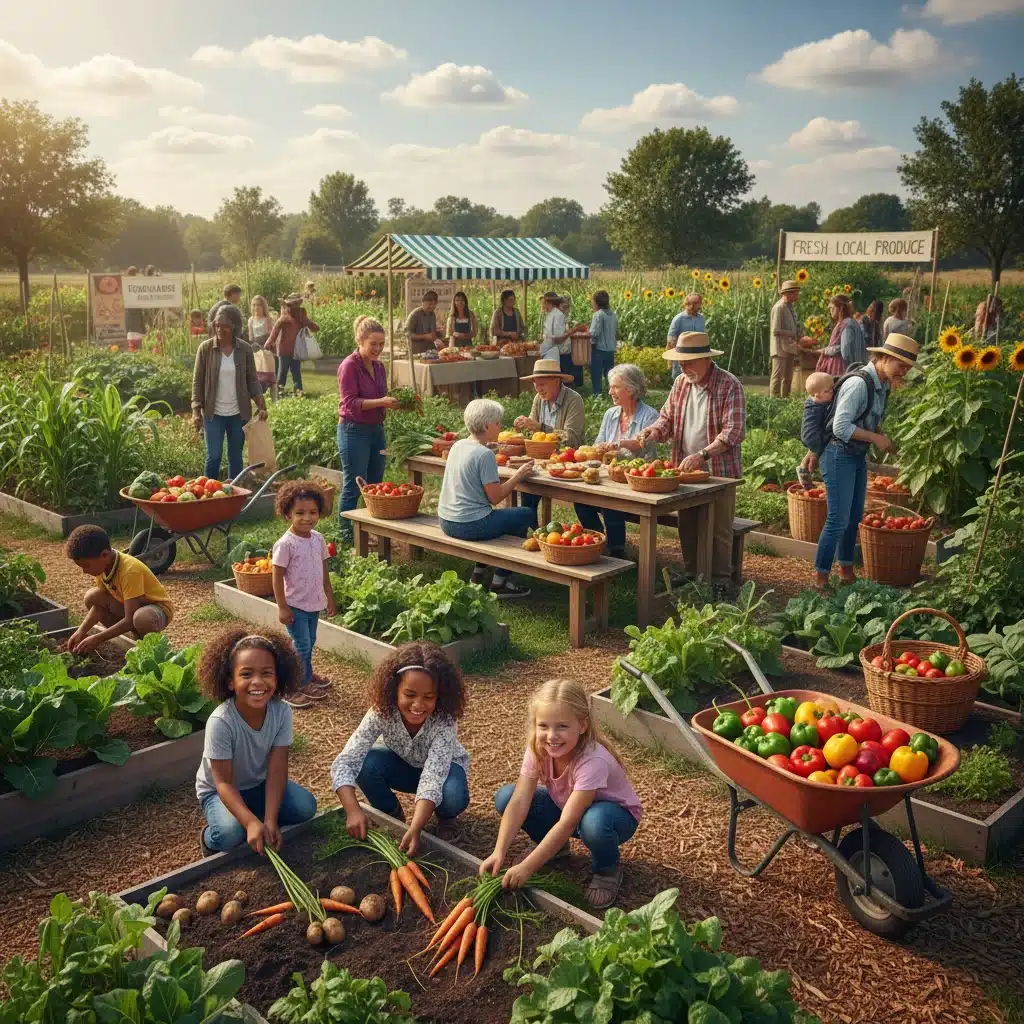
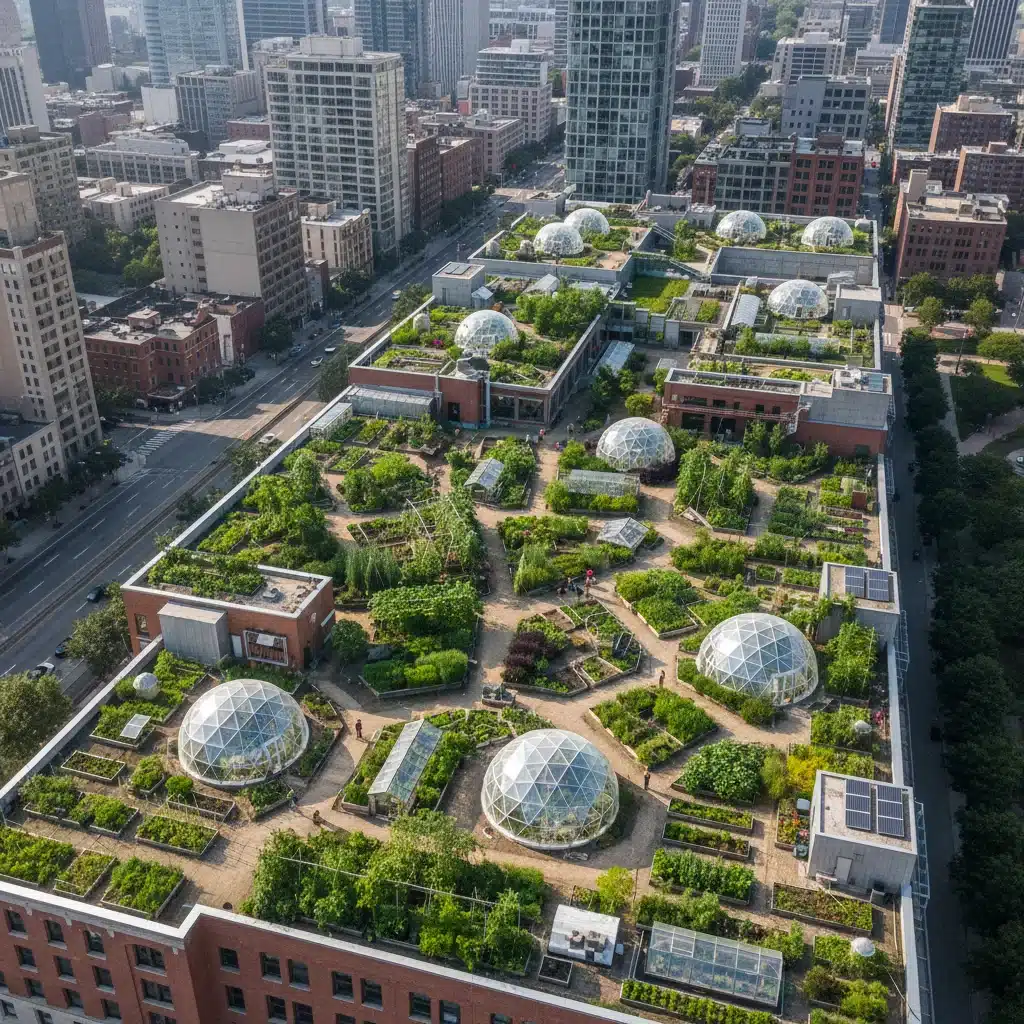
One of the most direct and empowering ways to enhance community food security is through the proliferation of community gardens and urban farms. These initiatives transform vacant lots, rooftops, and underutilized spaces into vibrant food production hubs. They offer numerous benefits beyond just providing fresh produce. Community gardens foster a sense of ownership and collaboration among residents, offering opportunities for skill-building, education, and social interaction. Participants learn about sustainable agriculture, nutrition, and food preparation, empowering them to make healthier choices for themselves and their families.
Urban farms, often larger in scale, can even create micro-economies, providing job opportunities and selling produce directly to local residents, restaurants, and schools. This reduces transportation costs, supports local businesses, and ensures that fresh, healthy food is accessible to a wider population. Imagine a future where every neighborhood has access to a community garden or urban farm, providing not only fresh food but also green spaces, improved air quality, and a stronger sense of community. The potential for these initiatives to transform urban landscapes and improve public health is immense.
To truly scale this solution, communities need support in securing land, accessing resources for infrastructure (like water and tools), and receiving training in gardening techniques. Local governments, non-profits, and educational institutions can play a pivotal role in facilitating these efforts. Policies that incentivize urban agriculture, such as tax breaks for land use or zoning changes, can significantly accelerate the growth of these vital food sources. Furthermore, integrating these gardens into school curricula can educate the next generation about sustainable food practices and foster a lifelong appreciation for fresh, healthy food.
Solution 2: Strengthening Food Recovery and Redistribution Networks
The amount of edible food wasted in the United States is staggering. Estimates suggest that up to 40% of all food produced goes uneaten, while millions go hungry. Strengthening food recovery and redistribution networks is a practical and immediate solution to bridge this gap. This involves collecting surplus food from grocery stores, restaurants, catering companies, and farms, and then safely distributing it to food banks, pantries, and other charitable organizations. Technological advancements, such as apps that connect food donors with recipients, can streamline this process and reduce logistical challenges.
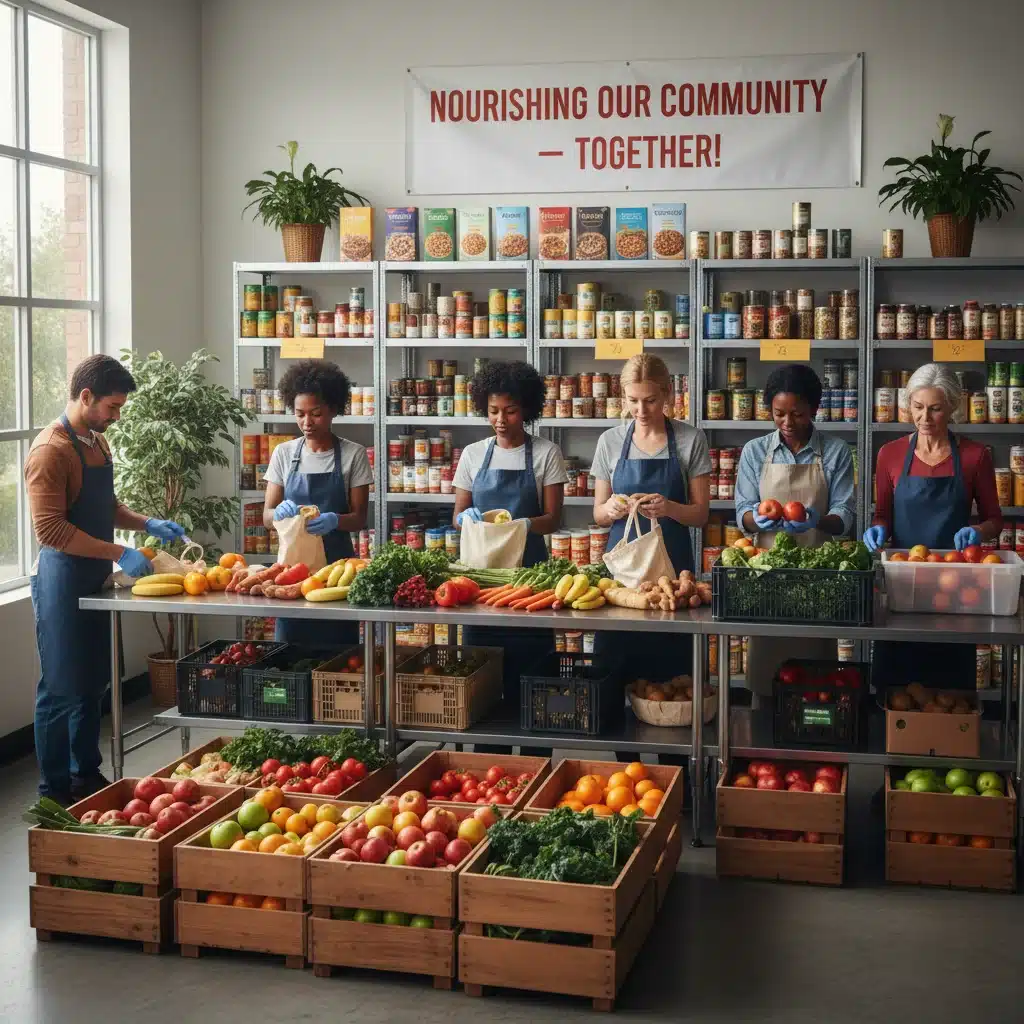
Building robust partnerships between food businesses and non-profit organizations is key to the success of these networks. Incentives for businesses to donate surplus food, such as tax credits or liability protections, can encourage greater participation. Education campaigns can also raise awareness among consumers about food waste and encourage more responsible consumption habits. By rescuing perfectly good food from landfills, we not only feed hungry individuals but also reduce environmental impact, such as greenhouse gas emissions from decomposing organic matter.
Furthermore, innovative approaches to food preservation and processing can extend the shelf life of recovered food, allowing for wider distribution and reducing spoilage. Community kitchens can transform surplus ingredients into nutritious meals for vulnerable populations, creating a virtuous cycle of food utilization. This solution is not just about charity; it’s about optimizing resource allocation and creating a more efficient and equitable food system. The potential for impact on community food security through effective food recovery is enormous.
Solution 3: Developing Local Food Hubs and Farmers’ Markets
Local food hubs and farmers’ markets serve as critical infrastructure for enhancing community food security by connecting local producers directly with consumers. Food hubs are centralized facilities that aggregate, store, process, and distribute locally grown food, making it easier for small and mid-sized farms to reach larger markets, including schools, hospitals, and grocery stores. This not only supports local farmers but also increases the availability of fresh, healthy, and often organic produce within the community.
Farmers’ markets, on the other hand, provide a direct sales channel for farmers, allowing consumers to purchase fresh produce directly from the source. This fosters transparency, builds relationships between farmers and consumers, and often offers more affordable options than traditional supermarkets. Many farmers’ markets also accept SNAP/EBT benefits, making healthy food accessible to low-income individuals. Promoting and expanding these markets, especially in underserved areas, is a vital step towards improving food access.
To maximize their impact, food hubs and farmers’ markets need sustained investment and strategic planning. This includes funding for infrastructure development, marketing and promotion, and technical assistance for farmers. Policies that prioritize local food procurement by institutions can create stable markets for local producers. Educational programs can also inform consumers about the benefits of buying local, fostering a greater appreciation for fresh, seasonal produce and supporting the local economy. These initiatives not only improve access to food but also strengthen local economies and create a more sustainable food future.
Solution 4: Implementing Food Education and Nutrition Programs
Access to food is only one part of the equation; understanding how to prepare nutritious meals and make healthy dietary choices is equally important for long-term community food security. Food education and nutrition programs empower individuals with the knowledge and skills they need to improve their health and well-being. These programs can take various forms, from cooking classes and gardening workshops to nutrition counseling and food budgeting seminars.
Targeting these programs to vulnerable populations, such as low-income families, children, and seniors, can have a profound impact. Schools can integrate food education into their curriculum, teaching children about healthy eating habits, where food comes from, and basic cooking skills. Community centers and public libraries can host workshops for adults, focusing on practical skills like meal planning, couponing, and preparing healthy meals on a budget. The goal is to move beyond simply providing food to fostering food literacy and self-sufficiency.
Partnerships with healthcare providers can also be instrumental in integrating nutrition education into preventative health initiatives. Doctors and nurses can refer patients to community-based nutrition programs, addressing diet-related health issues proactively. Funding for these programs can come from a combination of government grants, private foundations, and corporate sponsorships. By investing in food education, we are investing in the long-term health and resilience of our communities, creating a generation that is more informed and empowered to make healthy choices.
Solution 5: Leveraging Technology for Food Access and Distribution
In the digital age, technology offers powerful tools to enhance community food security. Mobile applications can connect individuals with nearby food pantries, farmers’ markets, and community gardens, providing real-time information on food availability and operating hours. Online platforms can facilitate food donations, matching surplus food from businesses with organizations that can distribute it to those in need. These digital solutions can significantly improve efficiency and reduce barriers to access.
Furthermore, data analytics can help identify areas with the greatest need for food assistance, allowing for more targeted interventions and resource allocation. Mapping tools can visualize food deserts and food swamps, guiding the placement of new food access points or the expansion of existing programs. Telehealth platforms can even be used to deliver nutrition counseling and cooking demonstrations remotely, reaching individuals who may face transportation barriers or have limited mobility.
Investing in digital infrastructure and training for both providers and recipients is crucial for the successful implementation of these technological solutions. This includes ensuring access to reliable internet, providing devices to those who need them, and offering digital literacy training. While technology cannot replace the human element of community engagement, it can act as a powerful accelerator, amplifying the reach and impact of food security initiatives. By embracing innovation, we can create a more connected and efficient food system that leaves no one behind.
The Role of Policy and Advocacy in Supporting Community-Led Initiatives
While community-led initiatives are vital, their long-term success often hinges on supportive policy frameworks and robust advocacy efforts. Local, state, and federal policies can either facilitate or hinder the growth of these solutions. For instance, zoning laws can be updated to encourage urban agriculture, tax incentives can be offered for food donations, and funding can be allocated to support food education programs.
Advocacy groups play a crucial role in raising awareness about food insecurity, lobbying for favorable policies, and securing funding for grassroots organizations. By amplifying the voices of those directly affected by hunger, advocates can ensure that food security remains a priority on the political agenda. This includes advocating for fair wages, affordable housing, and comprehensive social safety nets, as these factors are intrinsically linked to food access.
Furthermore, fostering collaboration between government agencies, non-profits, businesses, and academic institutions can create a more coordinated and impactful approach to community food security. Shared resources, expertise, and data can lead to more effective strategies and a more efficient use of funds. The goal is to create an enabling environment where community-led solutions can thrive and scale, ultimately leading to a future where hunger is eradicated.
Measuring Impact and Ensuring Sustainability
For any initiative to be truly effective, its impact must be measurable, and its operations sustainable. Community-led food security programs should establish clear metrics to track their progress, such as the number of individuals served, the amount of food distributed, improvements in dietary diversity, and reductions in food waste. Regular evaluation allows organizations to identify what works, adapt their strategies, and demonstrate their value to funders and stakeholders.
Sustainability is also paramount. This involves developing diverse funding streams, building strong volunteer bases, and fostering leadership within the community. Relying solely on short-term grants can create instability; therefore, organizations should explore options like social enterprises, community-supported agriculture (CSA) models, and partnerships with local businesses. Empowering community members to take on leadership roles ensures that initiatives are truly community-driven and can adapt to evolving needs.
Sharing best practices and lessons learned among different communities is another critical aspect of ensuring sustainability and scalability. Networks of food security practitioners can facilitate knowledge exchange, helping new initiatives avoid common pitfalls and adopt proven strategies. By focusing on both immediate impact and long-term viability, community-led solutions can create lasting change and build truly resilient food systems.
Conclusion: A Future of Enhanced Community Food Security
The journey towards complete community food security in the United States by 2026 is ambitious but achievable. By focusing on practical, community-led solutions such as expanding community gardens and urban farms, strengthening food recovery networks, developing local food hubs, implementing robust food education programs, and leveraging technology, we can make significant strides. These initiatives are not isolated efforts; they are interconnected components of a holistic strategy that empowers communities, fosters sustainability, and addresses the root causes of hunger.
It requires a collective commitment from individuals, community organizations, businesses, and all levels of government to invest in these solutions. The benefits extend far beyond simply feeding the hungry; they include improved public health, stronger local economies, enhanced environmental sustainability, and a more equitable society. As we move forward, let us embrace the power of community, innovation, and collaboration to build a future where every American has consistent access to nutritious, affordable, and culturally appropriate food. The time for action is now, and the path to a food-secure 2026 is paved with these practical, community-driven solutions.