Brand Sentiment 2026: Advanced Analytics for US Consumer Perceptions
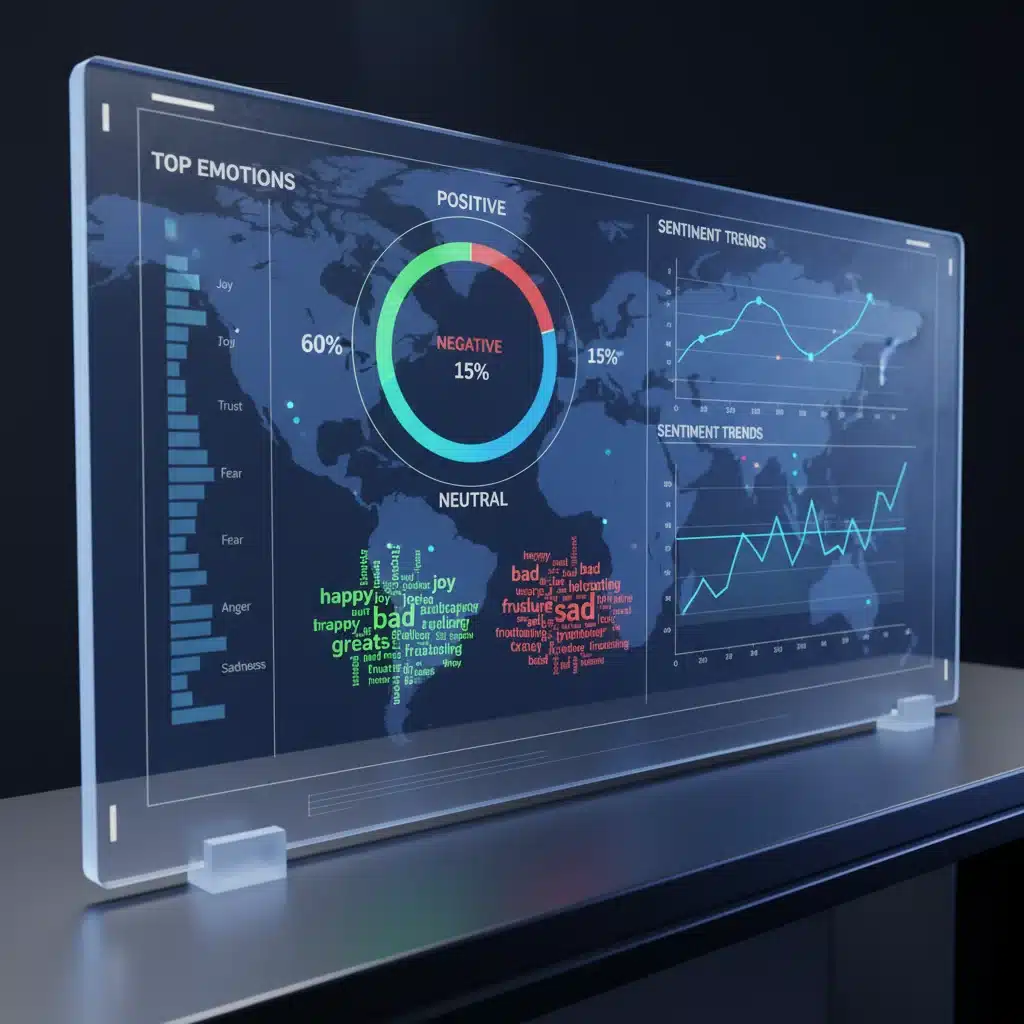
In the rapidly evolving landscape of consumer behavior and digital interaction, understanding brand sentiment analytics has become more critical than ever. As we look towards 2026, the methodologies for uncovering and interpreting U.S. consumer perceptions are undergoing a profound transformation. The days of simple positive/negative tallies are long gone, replaced by sophisticated analytical frameworks powered by artificial intelligence (AI), natural language processing (NLP), and advanced predictive modeling. This article delves deep into the future of brand sentiment measurement, exploring the cutting-edge tools and strategies that will define success for brands aiming to resonate with the American consumer.
The digital age has gifted brands an unprecedented volume of data, from social media conversations and online reviews to customer service interactions and news articles. However, this wealth of information presents its own challenge: how to distill meaningful, actionable insights from the noise. By 2026, brands that master brand sentiment analytics will be those that not only collect this data but also employ advanced techniques to understand the nuanced emotions, motivations, and underlying perceptions of their target audience. This isn’t just about knowing what consumers say, but understanding why they say it, and what it truly means for a brand’s reputation and bottom line.
The Evolution of Brand Sentiment Analytics: Beyond Basic Keyword Tracking
Historically, brand sentiment analysis often involved keyword tracking and rudimentary categorization. Marketers would monitor mentions of their brand and classify them as positive, negative, or neutral based on a limited set of predefined terms. While a foundational step, this approach frequently missed context, sarcasm, and the subtle complexities of human language. The limitations of such systems became increasingly apparent as consumer interactions moved to more dynamic and informal platforms.
By 2026, brand sentiment analytics will have transcended these basic methods. The shift is towards a holistic, contextual understanding of consumer discourse. This means moving beyond surface-level mentions to interpret the emotional tone, intensity, and even the implied meaning behind consumer statements. The integration of various data sources, from traditional media to emerging digital channels, will provide a 360-degree view of how a brand is perceived.
Key Drivers of This Evolution:
- Exponential Data Growth: The sheer volume of user-generated content continues to explode, making manual analysis impossible.
- Advancements in AI and Machine Learning: Sophisticated algorithms can now learn and adapt to linguistic nuances with greater accuracy.
- Demand for Granular Insights: Brands require more than just sentiment scores; they need to understand specific drivers of emotion.
- Competitive Pressure: Companies that leverage advanced analytics gain a significant edge in understanding and responding to market shifts.
AI and Natural Language Processing (NLP): The Core of Modern Sentiment Analysis
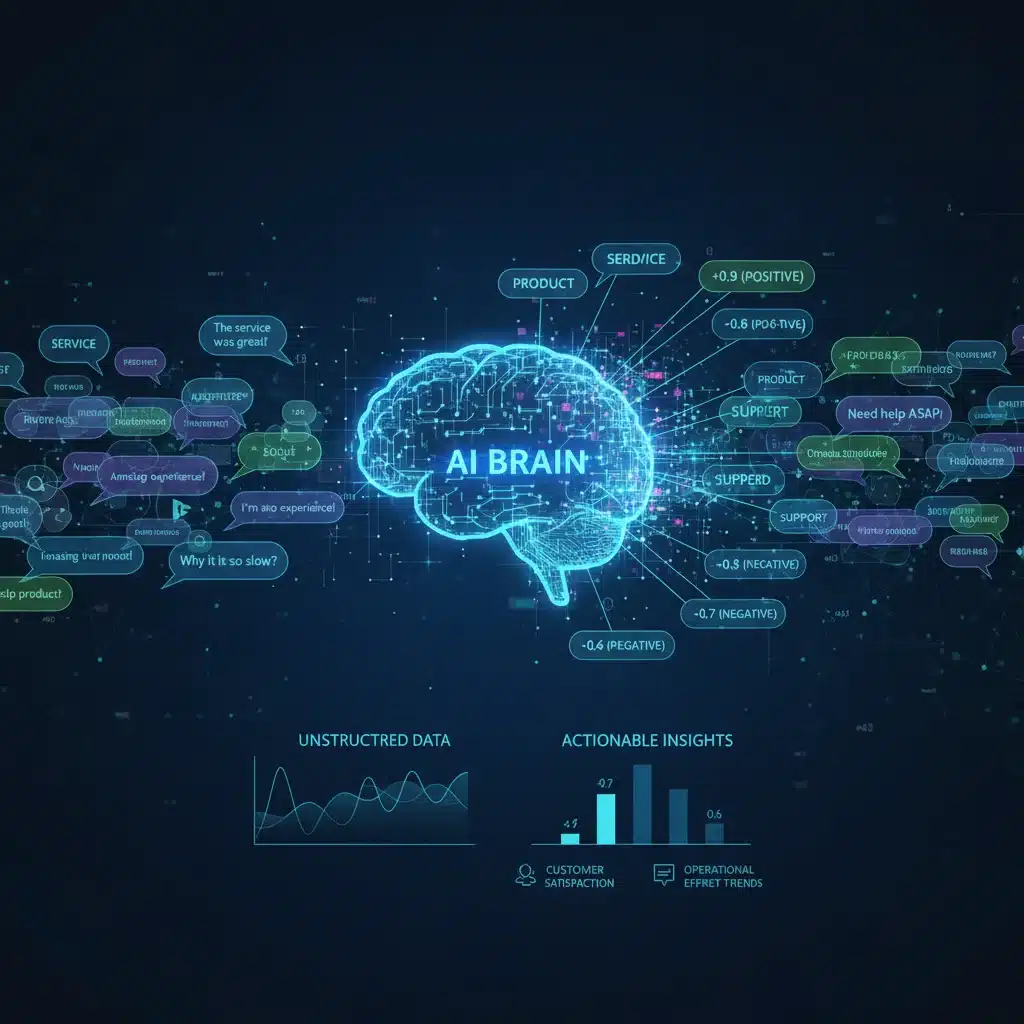
At the heart of the next generation of brand sentiment analytics are AI and NLP. These technologies are not just buzzwords; they are the fundamental engines driving deeper insights into consumer language. NLP enables computers to understand, interpret, and generate human language in a valuable way. When combined with AI’s pattern recognition and learning capabilities, it transforms raw text data into structured, analyzable information.
How AI and NLP are Revolutionizing Sentiment Analysis:
1. Contextual Understanding and Semantic Analysis:
Traditional sentiment analysis often struggles with context. For example, the phrase “This product is bad… bad in how good it is!” would likely be flagged as negative by older systems. Advanced NLP models, however, can interpret the full semantic meaning, recognizing sarcasm, irony, and nuanced expressions. They can differentiate between a customer expressing frustration about a product feature and a customer expressing frustration about a competitor’s product while praising yours. This contextual awareness is paramount for accurate brand sentiment analytics.
2. Emotion Detection:
Beyond simple positive or negative, AI-driven NLP can now identify a spectrum of emotions, including joy, anger, sadness, surprise, fear, and disgust. This granular emotional understanding allows brands to move beyond a binary view of sentiment to grasp the specific emotional responses their products, services, or campaigns evoke. For instance, a product launch might generate excitement (positive) but also confusion (negative), and understanding both is crucial for refinement.
3. Topic Modeling and Aspect-Based Sentiment Analysis:
Imagine knowing not just that customers are unhappy, but specifically that they are unhappy with the battery life of your smartphone, while simultaneously being thrilled with its camera quality. Topic modeling, powered by NLP, automatically identifies key themes and topics within large datasets of text. Aspect-based sentiment analysis then goes a step further, assigning sentiment scores to specific aspects or features of a product or service. This level of detail provides highly actionable insights for product development, marketing messaging, and customer service improvements, directly impacting the effectiveness of brand sentiment analytics.
4. Multilingual Capabilities:
In a globalized market, U.S. consumer perceptions are often influenced by diverse linguistic backgrounds. Advanced NLP tools can process and analyze sentiment across multiple languages, ensuring that brands capture a comprehensive view of their audience, regardless of the language they use to express themselves. This is particularly relevant in the U.S. with its rich tapestry of cultures and languages.
Predictive Modeling: Anticipating Future Consumer Perceptions
One of the most exciting advancements in brand sentiment analytics by 2026 will be the widespread adoption of predictive modeling. Moving beyond merely understanding current and past sentiment, predictive analytics allows brands to forecast future shifts in consumer perceptions, identify potential crises, and capitalize on emerging opportunities. This proactive approach is a game-changer for strategic planning.
Applications of Predictive Sentiment Modeling:
- Early Warning Systems: By analyzing subtle shifts in sentiment, engagement patterns, and topic prominence, predictive models can flag potential negative trends before they escalate into full-blown brand crises. This allows brands to intervene early, mitigate damage, and protect their reputation.
- Campaign Optimization: Predicting how different messaging or creative elements might be received by specific consumer segments enables brands to fine-tune their marketing campaigns for maximum positive sentiment and engagement. A/B testing can be informed by predictive insights, reducing risk and increasing ROI.
- Product Development Insights: Understanding the sentiment surrounding competitor products or emerging market trends can inform future product development. Predictive models can identify unmet needs or areas of dissatisfaction that a new product or feature could address, ensuring that new offerings are well-received.
- Market Trend Identification: Predictive brand sentiment analytics can identify nascent trends in consumer preferences, values, and cultural shifts. Brands that can spot these trends early can position themselves as innovators and thought leaders, gaining a significant competitive advantage.
Integrating Data Sources for a Holistic View
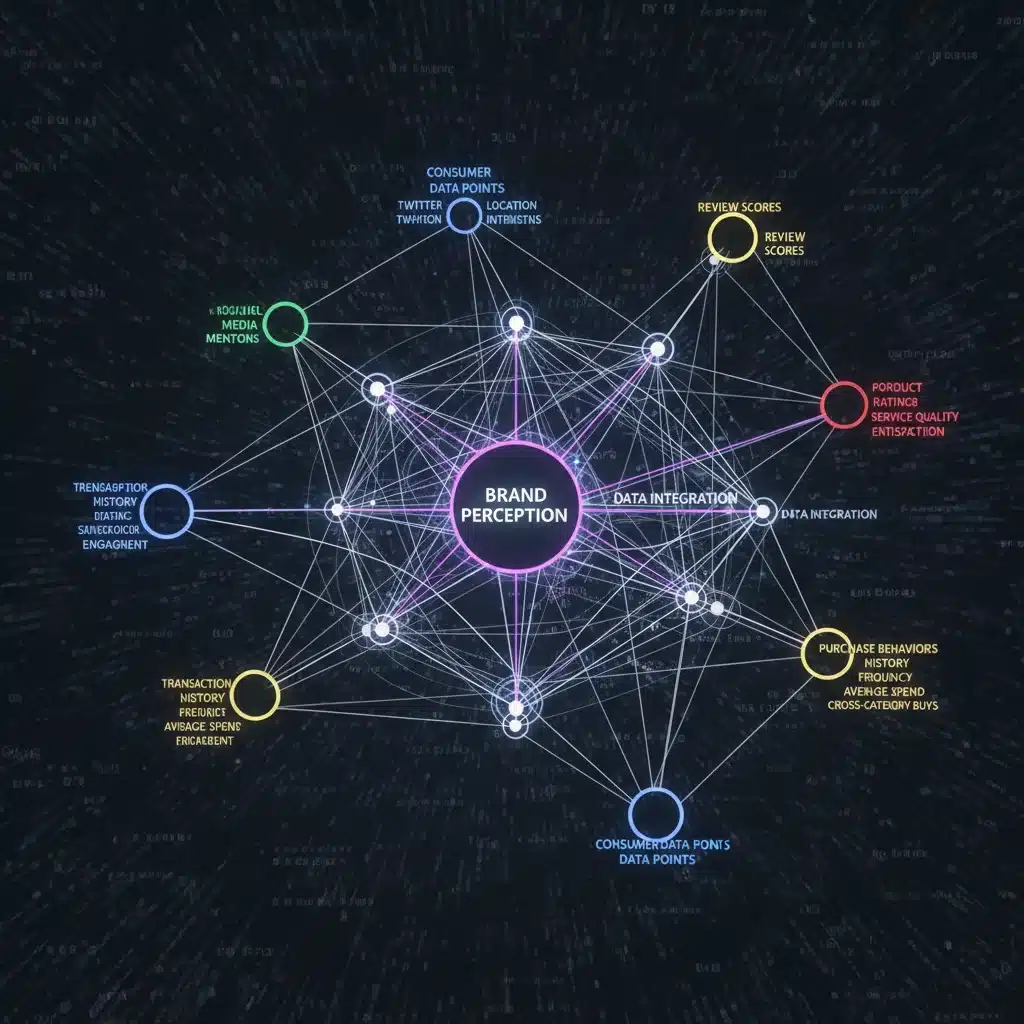
The power of advanced brand sentiment analytics in 2026 will lie in its ability to integrate disparate data sources. No single data stream provides a complete picture of consumer perception. A truly insightful analysis requires combining data from:
- Social Media: Twitter, Facebook, Instagram, TikTok, Reddit, etc., for real-time, unfiltered consumer opinions.
- Online Reviews: Yelp, Google Reviews, Amazon, product-specific review sites, offering direct feedback on products/services.
- News Media and Blogs: Traditional and digital news outlets, industry blogs, and forums for broader public perception and expert opinions.
- Customer Service Interactions: Transcripts of calls, chat logs, and email correspondence reveal specific pain points and satisfaction drivers.
- Surveys and Focus Groups: While qualitative, these provide direct consumer input that can be analyzed for sentiment.
- Search Engine Data: What consumers are actively searching for can indicate their interests, concerns, and intent.
By integrating and cross-referencing these diverse data sets, brands can build a robust, multi-dimensional model of consumer sentiment. This integration will reveal correlations and causal relationships that would be invisible when analyzing data in silos, ultimately leading to more accurate and actionable brand sentiment analytics.
Challenges and Ethical Considerations in 2026
While the future of brand sentiment analytics promises unprecedented insights, it also brings challenges and ethical considerations that brands must navigate carefully.
1. Data Privacy and Security:
The collection and analysis of vast amounts of consumer data raise significant privacy concerns. Brands must ensure transparency in data collection practices, comply with regulations like GDPR and CCPA, and prioritize data security to maintain consumer trust. Ethical data handling will be a cornerstone of successful sentiment analysis.
2. Algorithmic Bias:
AI and NLP models are only as unbiased as the data they are trained on. If training data contains inherent biases (e.g., reflecting societal prejudices), the sentiment analysis results will also be biased, leading to inaccurate or unfair conclusions about certain demographic groups. Brands must actively work to identify and mitigate algorithmic bias to ensure equitable and representative insights.
3. Misinformation and Disinformation:
The digital landscape is rife with misinformation and disinformation, which can significantly skew sentiment analysis. Advanced models will need to develop more robust mechanisms for identifying and filtering out false or manipulated information to prevent skewed perceptions of brand sentiment.
4. The ‘Black Box’ Problem:
Some advanced AI models can be opaque, making it difficult to understand exactly how they arrive at their conclusions. For critical business decisions based on sentiment, brands will need more explainable AI (XAI) models that can provide transparency into their decision-making processes, building trust in the brand sentiment analytics outcomes.
Actionable Insights: Translating Sentiment into Strategy
The ultimate goal of brand sentiment analytics is not just to understand consumer perceptions, but to translate those understandings into actionable business strategies. By 2026, the link between sentiment data and strategic execution will be more direct and automated than ever before.
How Brands Will Leverage Sentiment Insights:
1. Personalized Marketing and Communication:
Understanding individual or segment-specific sentiment allows for highly personalized marketing messages. If analytics reveal a segment is concerned about sustainability, campaigns can be tailored to highlight eco-friendly initiatives. This level of personalization fosters stronger connections and drives loyalty.
2. Proactive Customer Service:
Real-time sentiment monitoring of customer interactions can flag instances of dissatisfaction or frustration, allowing customer service teams to intervene proactively. This not only resolves issues faster but also transforms potentially negative experiences into positive ones, significantly boosting brand perception.
3. Product and Service Innovation:
Detailed sentiment analysis on product features, user experience, and market gaps provides a direct roadmap for innovation. Brands can prioritize improvements or develop new offerings based on what consumers explicitly express they want or need, ensuring market fit and positive reception.
4. Reputation Management and Crisis Response:
Advanced sentiment tools will be indispensable for real-time reputation management. By quickly identifying negative sentiment spikes or emerging narratives, brands can craft targeted responses, issue timely apologies, or correct misinformation, thereby safeguarding their brand image. This proactive crisis management is a critical component of brand sentiment analytics.
5. Competitive Intelligence:
Analyzing sentiment around competitors provides invaluable competitive intelligence. Brands can identify competitor weaknesses to exploit in their own marketing or learn from competitor strengths to adapt their strategies. This external perspective is crucial for maintaining a competitive edge in the U.S. market.
The Future is Here: Preparing for 2026 and Beyond
For brands operating in the U.S. market, embracing advanced brand sentiment analytics is not just an option; it’s a necessity for survival and growth in 2026 and beyond. The brands that will thrive are those that invest in the right technologies, cultivate a data-driven culture, and prioritize ethical considerations in their analytical practices.
The journey involves:
- Investing in AI and NLP Technologies: Adopting platforms and tools that offer sophisticated sentiment analysis capabilities.
- Building Cross-Functional Teams: Bringing together data scientists, marketers, customer service professionals, and product developers to leverage sentiment insights effectively.
- Developing Robust Data Governance: Establishing clear policies for data collection, storage, and usage to ensure privacy and security.
- Continuous Learning and Adaptation: The field of AI and analytics is constantly evolving. Brands must commit to continuous learning and adapting their strategies to new advancements.
The ability to accurately measure, interpret, and act upon brand sentiment analytics will be the defining characteristic of market leaders. It will empower brands to build stronger, more authentic connections with consumers, anticipate market shifts, and navigate the complexities of the digital landscape with confidence. As 2026 approaches, the future of understanding U.S. consumer perceptions is bright, data-rich, and incredibly insightful, promising an era of unprecedented strategic clarity for those willing to embrace its potential.