
The landscape of education in the United States is perpetually evolving, driven by societal needs, technological advancements, and a continuous quest for improvement. As we approach 2026, the discussions around education reform are intensifying, with significant policy changes on the horizon for both K-12 and higher education. This time-sensitive analysis aims to dissect these anticipated shifts, offering insights into their potential impact on students, educators, institutions, and the broader American society. Understanding these reforms is not merely an academic exercise; it is crucial for stakeholders to prepare, adapt, and contribute to shaping an educational future that is equitable, effective, and responsive to the demands of the 21st century. The focus of this article, Education Reform 2026, delves into the specifics, implications, and opportunities presented by these forthcoming policy adjustments.
The impetus for such widespread reform stems from a confluence of factors, including persistent achievement gaps, the increasing demand for a skilled workforce, the rapid pace of technological change, and the ongoing debate surrounding educational funding and accessibility. Policymakers are grappling with how to best equip students for a future that is increasingly complex and globalized. The reforms expected by 2026 are not incremental adjustments but rather a strategic reimagining of educational structures and philosophies. This article will explore key areas such as curriculum development, funding models, teacher training, student support services, and the integration of technology, providing a comprehensive overview of what to expect from Education Reform 2026.
The Urgency of Education Reform 2026: Why Now?
The year 2026 is not an arbitrary benchmark; it represents a critical juncture for several reasons. Firstly, many current educational policies and funding authorizations are set to expire or undergo mandatory review around this period. This creates a natural window for significant legislative action. Secondly, the lingering effects of recent global events have exposed vulnerabilities and highlighted critical areas needing reform within the educational system, particularly concerning digital equity, mental health support, and adaptable learning models. Thirdly, demographic shifts and evolving economic demands are placing new pressures on educational institutions to produce graduates with diverse skill sets, capable of navigating rapidly changing job markets. The urgency surrounding Education Reform 2026 is therefore palpable, driven by a need to address both immediate challenges and long-term societal goals.
One of the primary drivers is the recognition that the current educational system, while robust in many aspects, struggles to consistently deliver equitable outcomes across all demographics. Disparities in funding, access to resources, and teacher quality continue to perpetuate achievement gaps that impact social mobility and economic opportunity. Furthermore, the global competitiveness of the U.S. workforce hinges on a well-educated populace, proficient in STEM fields, critical thinking, and problem-solving. These factors collectively underscore the critical need for a concerted effort towards comprehensive Education Reform 2026, ensuring that the reforms are not just reactive but proactive and visionary.
K-12 Education: Anticipated Policy Shifts and Their Ramifications
For K-12 education, the anticipated policy changes in 2026 are likely to touch upon several foundational aspects. One significant area of focus will be curriculum reform. There’s a growing consensus on the need to move beyond rote memorization towards fostering critical thinking, creativity, and problem-solving skills. This could manifest in revised national or state standards that emphasize project-based learning, interdisciplinary studies, and digital literacy. The integration of coding, artificial intelligence concepts, and data science into earlier grades is also a strong possibility, preparing students for a technology-driven future. Such reforms will necessitate significant investment in professional development for teachers, equipping them with the pedagogical tools and content knowledge required to implement these new curricula effectively.
Another crucial element of K-12 Education Reform 2026 will be addressing the chronic underfunding in many school districts, particularly those serving low-income communities. Debates around equitable funding formulas are expected to intensify, potentially leading to federal and state initiatives aimed at redistributing resources more fairly. This could involve increased federal grants, changes in state aid allocation, or even innovative public-private partnerships. The goal is to ensure that all schools, regardless of their zip code, have adequate resources to provide a high-quality education. This includes not only instructional materials and technology but also essential support services such as mental health counseling, nutritional programs, and after-school enrichment.
Teacher Recruitment, Retention, and Professional Development
The backbone of any successful education system is its teaching force. Education Reform 2026 will undoubtedly place a strong emphasis on strategies to attract, retain, and continuously develop high-quality educators. This could involve initiatives such as increased teacher salaries, improved benefits, and more robust mentorship programs for new teachers. Policies might also focus on streamlining alternative certification pathways to bring diverse talent into the classroom, while simultaneously ensuring rigorous standards for teacher preparation.
Professional development will be reimagined, moving away from one-off workshops to sustained, embedded learning opportunities that are relevant to teachers’ specific needs and aligned with new curriculum standards. The integration of technology in teaching practices will also be a key focus, requiring ongoing training for educators to effectively leverage digital tools for instruction, assessment, and personalized learning. Addressing teacher burnout and promoting teacher well-being will also be critical components, recognizing that a supported teaching force is essential for student success.
Standardized Testing and Accountability
The role of standardized testing has been a contentious issue for years. While standardized tests provide a snapshot of student performance and can be used for accountability, concerns about their overemphasis and potential to narrow the curriculum persist. Education Reform 2026 may see a shift towards a more balanced approach to assessment, incorporating a wider range of measures such as portfolios, performance-based assessments, and growth models. The aim would be to provide a more holistic understanding of student learning and progress, while still maintaining a level of accountability for schools and districts. This could also involve a reevaluation of how test results are used in school ratings and teacher evaluations, moving towards systems that encourage continuous improvement rather than punitive measures.
Accountability frameworks will likely evolve to be more comprehensive, considering factors beyond test scores, such as student engagement, school climate, and post-secondary readiness. The goal is to create systems that support schools in identifying areas for improvement and implementing effective interventions, ultimately fostering a culture of continuous learning and growth for both students and institutions.
Higher Education: Navigating the Future of Learning and Access
Higher education faces its own unique set of challenges and opportunities that will be addressed in Education Reform 2026. Key among these are issues of affordability, accessibility, and the relevance of degrees in a rapidly changing job market. Policies are expected to focus on making college more affordable, potentially through increased federal Pell Grant funding, reforms to student loan programs, or incentives for states to invest more in public universities. Discussions around tuition caps or tuition-free models for certain programs may also gain traction, aiming to reduce the financial burden on students and families.
Accessibility will extend beyond financial aid to include efforts to broaden participation from underrepresented groups and to provide flexible learning pathways. This could involve expanding online learning opportunities, recognizing prior learning and alternative credentials, and fostering stronger partnerships between community colleges and four-year institutions. The goal is to ensure that higher education is accessible to a wider range of learners, including adult learners, working professionals, and those from diverse socioeconomic backgrounds.
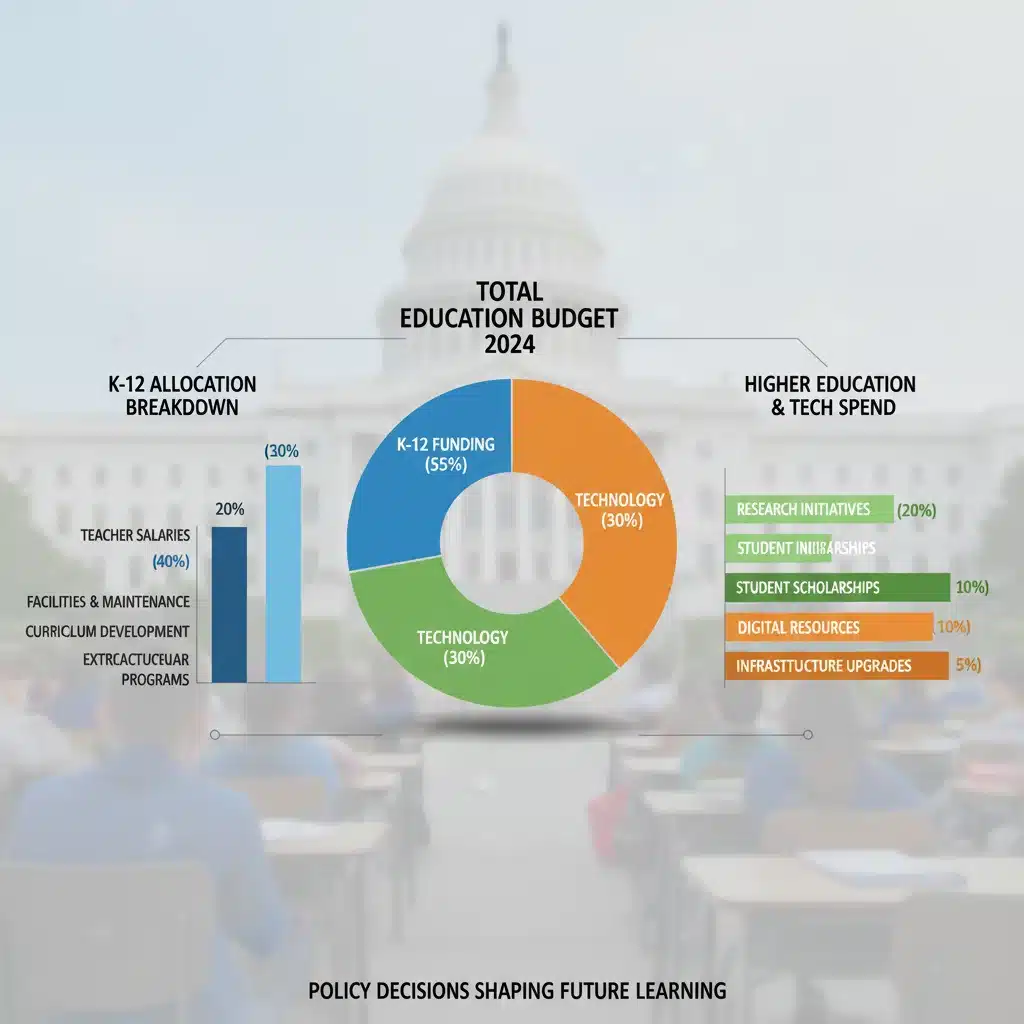
The relevance of higher education programs will also be a central theme. As industries evolve, universities are under pressure to ensure their curricula align with workforce needs. Education Reform 2026 may encourage more robust collaborations between academia and industry, leading to the development of new programs, internships, and apprenticeships that provide students with practical skills and real-world experience. There will be an increased emphasis on interdisciplinary studies, critical thinking, and adaptability, preparing graduates not just for their first job, but for a career path that may involve multiple transitions and continuous learning.
Funding Models and Financial Aid Reform
The financial sustainability of higher education institutions and the affordability for students are paramount concerns. Education Reform 2026 is poised to tackle these issues head-on. There’s an expectation of significant debate and potential changes to federal student aid programs, including the Pell Grant program, which provides need-based aid to low-income undergraduates. Policy adjustments could aim to increase the maximum Pell Grant award, expand eligibility, or simplify the application process, making higher education more attainable for a broader segment of the population.
Beyond federal aid, there’s a growing discussion around state-level investments in public higher education. Many states have reduced their funding for public colleges and universities over the past few decades, leading to increased tuition reliance. Future reforms might include incentives for states to reinvest in their higher education systems, potentially through matching federal funds or performance-based funding models that reward institutions for student success and completion rates. Additionally, innovative financing models, such as income-share agreements or public-private partnerships for specific high-demand programs, might be explored to diversify funding sources and reduce direct student debt burden.
Accreditation and Quality Assurance
With the proliferation of online programs, alternative credentials, and new educational providers, the role of accreditation in ensuring quality and consumer protection is more critical than ever. Education Reform 2026 will likely see a reevaluation of accreditation standards and processes. This could involve greater scrutiny of program outcomes, including graduation rates, job placement rates, and student debt levels. There might be a push for more flexible accreditation models that can accommodate innovative educational delivery methods while still upholding rigorous academic standards. The goal is to ensure that all educational offerings, regardless of their format, provide genuine value to students and meet the needs of employers.
Furthermore, discussions might arise regarding the federal government’s role in overseeing accreditors and setting benchmarks for quality. This could lead to a more streamlined and transparent system that better serves students and taxpayers, ensuring that federal financial aid is directed towards institutions and programs that deliver on their promises of quality education and career readiness.
Technology’s Role in Shaping Education Reform 2026
Technology is not just an add-on; it is becoming an integral component of modern education. Education Reform 2026 will undoubtedly accelerate the integration of technology across all levels of learning. In K-12, this means expanding access to reliable internet and devices for all students, often referred to as addressing the ‘digital divide.’ Beyond infrastructure, there will be a greater emphasis on using educational technology (EdTech) to personalize learning experiences, provide adaptive instruction, and offer real-time feedback to students and teachers. Artificial intelligence (AI) and machine learning (ML) are expected to play a larger role in developing intelligent tutoring systems and data analytics to inform instructional decisions.
In higher education, technology will continue to transform course delivery, with a permanent shift towards blended and online learning models. Virtual reality (VR) and augmented reality (AR) are poised to create immersive learning environments, particularly in fields like healthcare, engineering, and arts. The use of learning analytics to track student progress and identify at-risk learners will become more sophisticated, allowing institutions to provide targeted support. Furthermore, blockchain technology might be explored for secure credentialing and transcript management, streamlining the recognition of learning achievements.
Data Privacy and Ethical AI in Education
As technology becomes more pervasive in education, concerns about data privacy and the ethical use of AI will also come to the forefront. Education Reform 2026 will need to address these issues through robust policy frameworks. This includes developing clear guidelines for how student data is collected, stored, and used, ensuring transparency and parental consent. Policies will also need to consider the ethical implications of AI algorithms in education, particularly regarding bias, fairness, and accountability. Safeguards will be necessary to prevent algorithmic bias from perpetuating existing inequities or limiting student opportunities. This will involve ongoing research, public dialogue, and collaboration among educators, technologists, policymakers, and ethicists to ensure that technology serves as a tool for empowerment and equity, not a source of new challenges.
Equity and Inclusion: A Central Pillar of Education Reform 2026
At the heart of any meaningful education reform is the commitment to equity and inclusion. Education Reform 2026 will likely emphasize policies designed to dismantle systemic barriers that prevent certain student populations from achieving their full potential. This includes a renewed focus on supporting students with disabilities, English language learners, students from low-income backgrounds, and students of color. Policies could include increased funding for special education services, culturally responsive teaching practices, and programs aimed at reducing chronic absenteeism and disciplinary disparities.
In higher education, efforts to promote diversity, equity, and inclusion (DEI) will continue to evolve. This might involve initiatives to diversify faculty and staff, create more inclusive campus climates, and ensure that curricula reflect a wide range of perspectives and experiences. Scholarships and support programs specifically designed for underrepresented minority students are also likely to expand. The overarching goal is to create educational environments where every student feels valued, supported, and has the opportunity to thrive, regardless of their background.
Mental Health and Well-being Support
The mental health and well-being of students and educators have gained significant attention in recent years. Education Reform 2026 will undoubtedly prioritize the integration of comprehensive mental health support services into both K-12 schools and higher education institutions. This could include increased funding for school counselors, psychologists, and social workers; the implementation of social-emotional learning (SEL) curricula; and partnerships with community mental health providers. For higher education, this means expanding campus counseling services, developing peer support programs, and promoting a culture of well-being to address the rising rates of anxiety and depression among college students.
Policies will aim to destigmatize mental health challenges and ensure that students have access to timely and appropriate care. Training for educators and staff on recognizing signs of distress and making appropriate referrals will also be a critical component. The focus will be on creating supportive and nurturing environments that prioritize the holistic development of students, recognizing that academic success is intrinsically linked to mental and emotional well-being.
Anticipating the Challenges and Opportunities of Education Reform 2026
Implementing such extensive reforms will not be without challenges. Resistance to change, funding constraints, and the sheer complexity of coordinating efforts across diverse educational systems are significant hurdles. However, the opportunities presented by Education Reform 2026 are immense. A successful reform effort could lead to a more equitable, effective, and innovative educational system that better prepares all students for future success. It could foster a more skilled workforce, strengthen democratic institutions, and promote greater social cohesion.

Stakeholders, including parents, students, educators, community leaders, and policymakers, must engage in constructive dialogue and collaboration to ensure that these reforms are implemented thoughtfully and effectively. Continuous evaluation and adaptation will be key to addressing unforeseen challenges and maximizing the positive impact of the changes. The success of Education Reform 2026 will ultimately depend on a shared commitment to creating an educational system that empowers every individual to reach their full potential and contribute meaningfully to society.
The Role of Community Engagement in Reform
Effective Education Reform 2026 cannot be achieved in isolation. The active participation and input from communities are vital. This means fostering robust communication channels between schools, districts, higher education institutions, families, and local businesses. Community engagement can take many forms, from parent advisory councils and town hall meetings to partnerships with local non-profits and industry leaders. When communities are actively involved in the reform process, they bring diverse perspectives, identify unique local needs, and contribute to the collective ownership of educational goals. This collaborative approach helps to ensure that reforms are not just top-down mandates but are genuinely responsive to the needs and aspirations of the students they serve.
Engaging families, especially those from underserved backgrounds, is particularly critical. Providing accessible information, offering support services, and creating welcoming environments can empower parents to become active partners in their children’s education. Similarly, involving local businesses and industries can help align curriculum with workforce demands, providing students with relevant skills and pathways to employment. This holistic approach to community engagement strengthens the foundation upon which successful education reform is built.
Conclusion: A Vision for Education in 2026 and Beyond
The journey towards Education Reform 2026 is a complex but essential undertaking. The anticipated policy changes in K-12 and higher education represent a pivotal moment for the American educational system. By addressing critical areas such as curriculum modernization, equitable funding, teacher support, enhanced accessibility, and the ethical integration of technology, these reforms aim to create a more robust, inclusive, and future-ready educational landscape. While challenges are inevitable, the opportunities for profound positive impact on millions of students are immense.
The success of these reforms hinges on collaborative efforts, informed decision-making, and a sustained commitment to equity and excellence. As we move closer to 2026, continuous dialogue, rigorous evaluation, and a willingness to adapt will be crucial. The vision for education in 2026 and beyond is one where every student, regardless of their background or circumstances, has access to a high-quality education that prepares them not just for a job, but for a life of continuous learning, critical thinking, and meaningful contribution to society. This is the promise and potential of Education Reform 2026.