The Impact of AI on Artistic Expression: Analyzing 3 New Subgenres Emerging in American Art by Mid-2026 (RECENT UPDATES)
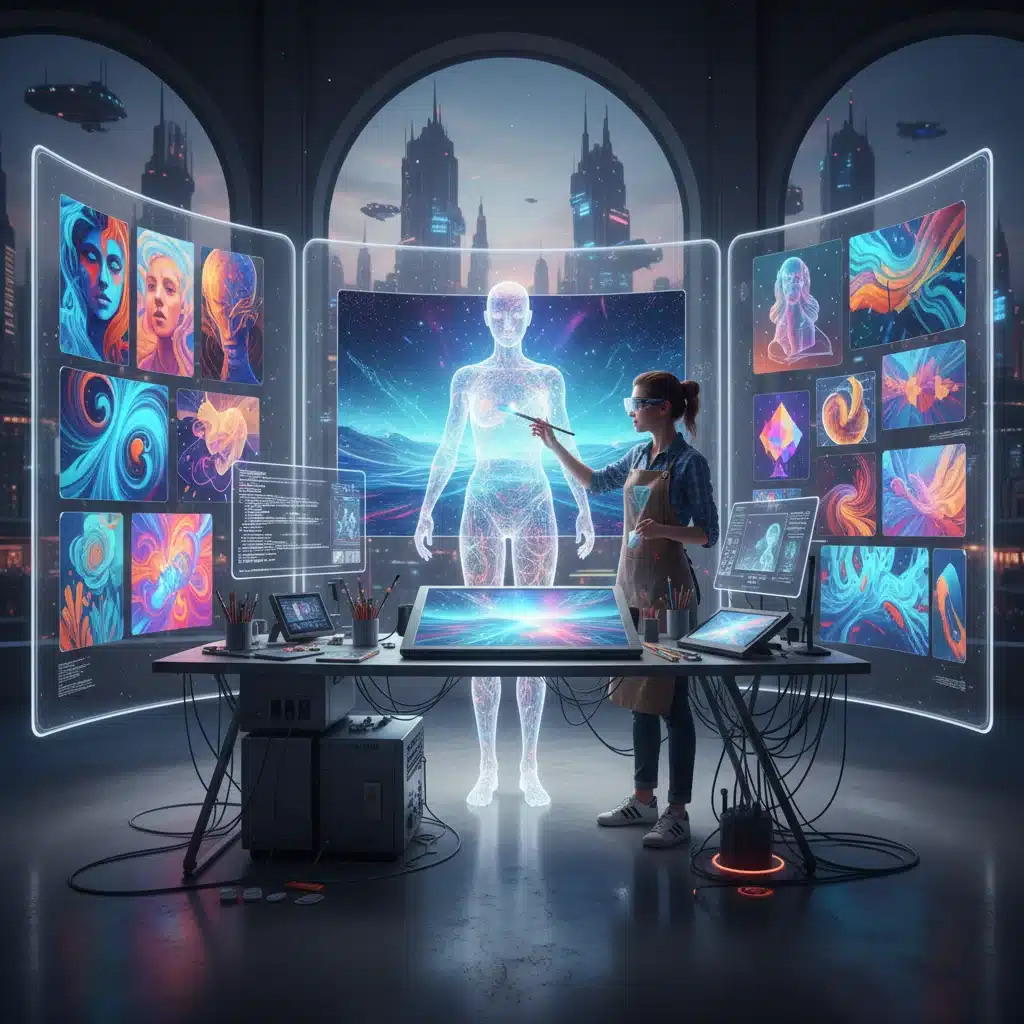
The landscape of artistic creation is undergoing a seismic shift, driven by the relentless advancement of artificial intelligence. What was once the sole domain of human intuition and skill is now being augmented, challenged, and redefined by algorithms capable of generating, manipulating, and even interpreting art. This transformative period is not merely about new tools; it’s about the birth of entirely new forms of expression, leading to the emergence of distinct AI art subgenres. By mid-2026, American art is poised to witness the solidification of at least three groundbreaking subgenres, each pushing the boundaries of what we understand as art.
For centuries, art has mirrored society, reflecting our values, anxieties, and aspirations. Today, as AI becomes an increasingly integral part of our daily lives, it is only natural that its influence would permeate the creative sphere. The initial skepticism surrounding AI-generated art is slowly giving way to a more nuanced understanding of its potential, not just as a replacement for human creativity, but as a powerful collaborator and catalyst for innovation. Artists are beginning to harness AI’s capabilities to explore concepts previously unimaginable, leading to a vibrant, evolving ecosystem of digital and hybrid artistic practices.
This article delves into the profound impact of AI on artistic expression, specifically focusing on these nascent AI art subgenres. We will explore their characteristics, the technological underpinnings that enable them, and the philosophical questions they raise about authorship, originality, and the very definition of art. Our journey will take us through Algorithmic Surrealism, Data-Driven Eco-Art, and Interactive Narrative Installations, offering a glimpse into the future of American art and the exciting possibilities that lie ahead.
The Dawn of Algorithmic Surrealism: Redefining the Dreamscape
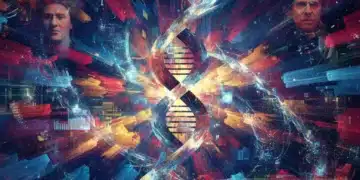
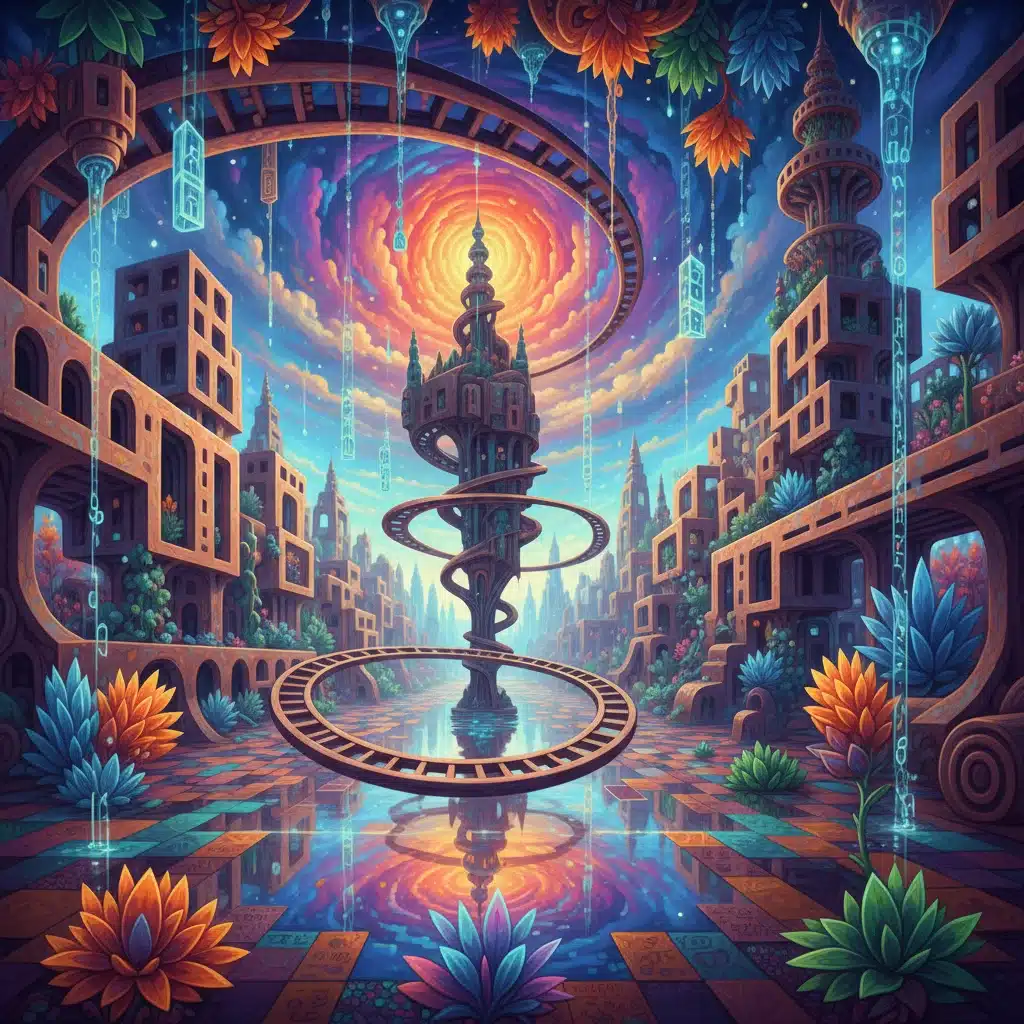
One of the most captivating AI art subgenres to emerge is Algorithmic Surrealism. Building upon the legacy of early 20th-century Surrealists like Salvador Dalí and René Magritte, who sought to unlock the power of the subconscious mind, Algorithmic Surrealism employs AI to generate dreamlike, illogical, and often unsettling imagery. However, unlike its human-driven predecessor, this subgenre is characterized by its reliance on complex algorithms and neural networks to create its fantastical worlds.
The core of Algorithmic Surrealism lies in generative adversarial networks (GANs) and other deep learning models. Artists feed these AIs vast datasets of images – from classical paintings to abstract photography, even scientific diagrams – and then prompt the AI to create new compositions that blend these disparate elements in unexpected ways. The results are often breathtaking: landscapes that defy physics, hybrid creatures that blur the lines between organic and synthetic, and portraits that evoke deep emotional responses despite their artificial origins. The ‘dream logic’ is not a product of a human psyche but an emergent property of the AI’s complex statistical analysis and pattern recognition.
Characteristics and Techniques
- Uncanny Valley Aesthetics: Often, Algorithmic Surrealism flirts with the uncanny valley, producing images that are almost familiar yet subtly disturbing, challenging our perceptions of reality.
- Infinite Variations: AI’s ability to generate countless iterations of an idea allows artists to explore an almost infinite spectrum of surreal possibilities, discovering compositions that might never occur to a human mind.
- Hyper-Realistic Illusions: Despite their fantastical nature, many algorithmic surrealist works possess an unnerving photorealism, making the impossible seem tangible.
- Prompt Engineering as Artistic Medium: The artist’s skill shifts from brushwork to crafting sophisticated prompts and parameters for the AI, guiding its creative process without directly executing brushstrokes.
Leading figures in this emerging AI art subgenre are less about individual names and more about the communities and platforms pushing the boundaries. Artists are experimenting with tools like Midjourney, DALL-E, and Stable Diffusion, often combining them with traditional digital painting techniques to refine and imbue the AI’s output with a personal touch. The collaboration between human intent and algorithmic generation is key, elevating the AI from a mere tool to an active participant in the creative act. By mid-2026, we anticipate seeing museum exhibitions dedicated solely to this new wave of surrealism, with critics and audiences grappling with its implications for artistic authorship and the nature of imagination itself.
Data-Driven Eco-Art: Art as Environmental Commentary
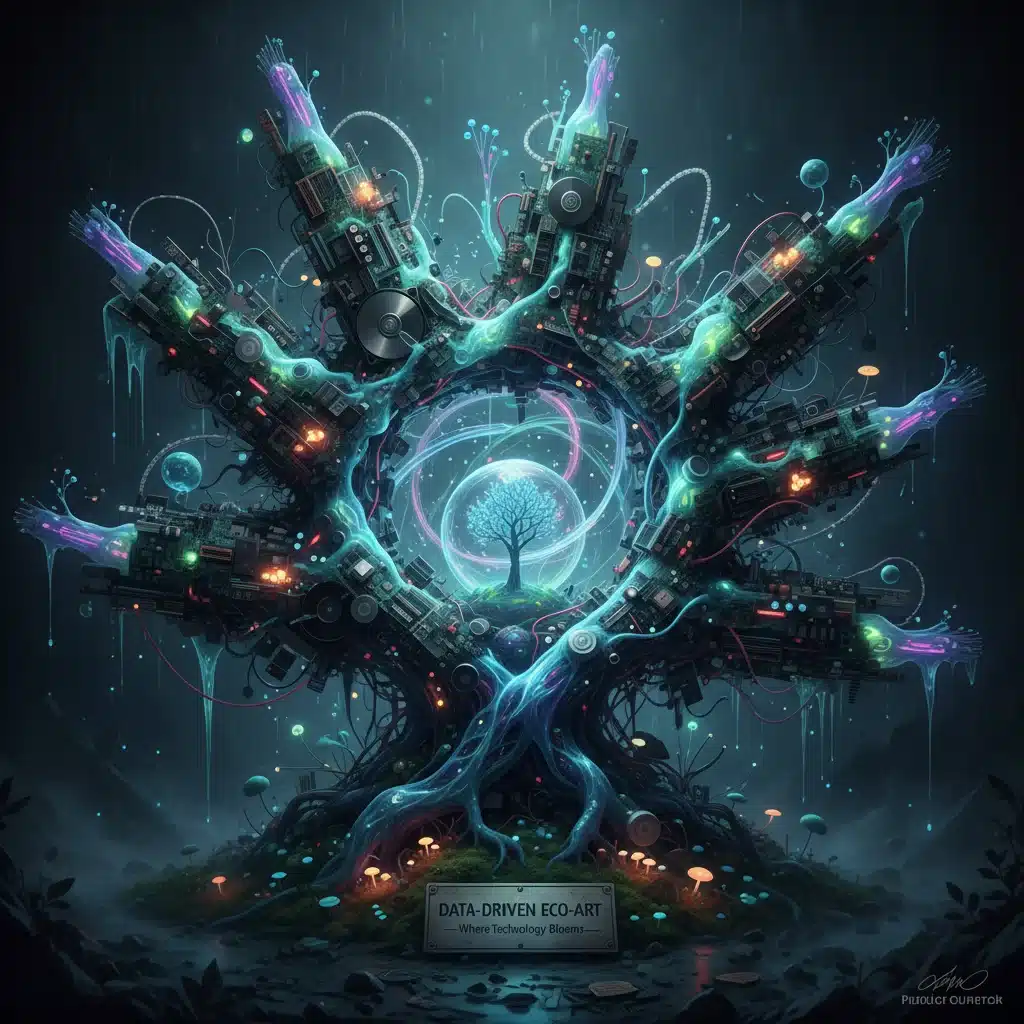
As environmental concerns intensify globally, another significant AI art subgenre is taking root: Data-Driven Eco-Art. This subgenre leverages AI and big data to create artworks that not only depict ecological issues but are often directly informed by environmental data. It’s a powerful fusion of art, science, and activism, aiming to raise awareness, provoke thought, and even inspire action regarding climate change, biodiversity loss, and pollution.
Data-Driven Eco-Art goes beyond traditional landscape painting or environmental photography. Artists in this field use AI to process vast datasets – real-time pollution levels, deforestation rates, ocean temperature changes, species migration patterns – and translate this information into compelling visual, auditory, or even interactive experiences. The AI acts as an interpreter, finding patterns and narratives within the data that might be invisible to the human eye, and then rendering them in an artistic form. This approach imbues the art with a sense of urgency and scientific grounding, making abstract environmental challenges more tangible and emotionally resonant.
Characteristics and Techniques
- Algorithmic Visualization: AI algorithms are used to transform complex environmental data into accessible and aesthetically engaging visual forms, such as dynamic graphs, generative sculptures, or interactive maps.
- Real-time Installations: Many works in this AI art subgenre are live installations that continuously update based on incoming environmental data, making the art a living, breathing reflection of our planet’s health.
- Material Innovation: Artists often incorporate sustainable materials, recycled components, or even biologically active elements into their physical installations, further emphasizing the eco-friendly message.
- Educational and Activist Focus: Beyond aesthetics, Data-Driven Eco-Art frequently aims to educate audiences about specific environmental issues and encourage engagement with conservation efforts.
Imagine an installation where the colors of a digital forest shift based on real-time air quality readings in a nearby city, or a soundscape that evolves with the recorded sounds of endangered species. These are the kinds of profound experiences Data-Driven Eco-Art offers. Projects are already underway where AI analyzes satellite imagery to track deforestation and then generates visual art pieces directly from that data, offering a stark and undeniable portrayal of environmental degradation. By mid-2026, this AI art subgenre is expected to become a staple in public art spaces and environmental museums, serving as a critical artistic voice in the global conversation about sustainability.
Interactive Narrative Installations: Immersive Storytelling through AI
The third prominent AI art subgenre emerging by mid-2026 is Interactive Narrative Installations. This form of art leverages AI to create dynamic, responsive, and deeply immersive experiences where the audience’s participation directly shapes the artwork’s narrative and evolution. It moves beyond passive observation, inviting viewers to become co-creators in a living, evolving story.
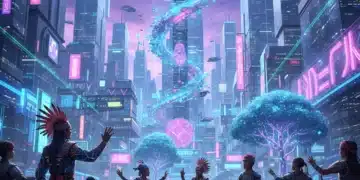
At its heart, Interactive Narrative Installations combine elements of performance art, digital media, gaming, and AI-driven responsiveness. Using technologies like natural language processing (NLP), computer vision, and machine learning, these installations can react to audience movements, gestures, vocal input, or even emotional states. The AI processes these inputs and generates real-time changes in the visual, auditory, or haptic elements of the installation, creating a unique and personalized experience for each participant. The narrative is not fixed but is an adaptive dialogue between the AI and the human interactant.
Characteristics and Techniques
- Dynamic Storytelling: The narrative unfolds non-linearly, shaped by user choices and AI responses, leading to multiple possible outcomes and interpretations.
- Personalized Experiences: AI adapts the artwork to individual participants, creating a sense of personal connection and agency within the narrative.
- Multi-sensory Engagement: These installations often engage multiple senses – sight, sound, touch – to create a truly immersive environment.
- AI as a Character/Narrator: In many cases, the AI itself functions as a character within the story, or as an omniscient narrator that guides and reacts to the participant’s journey.
Consider an installation where an AI-powered avatar engages in a dialogue with a visitor, adapting its responses and the surrounding digital environment based on the visitor’s answers and emotional cues. Or a physical space where projections and sounds shift in response to the collective movement of people, weaving a story about community and interaction. These experiences highlight the potential of AI to create art that is not just seen or heard, but actively lived. This AI art subgenre is particularly exciting for its potential to democratize storytelling and make art a truly collaborative endeavor. By mid-2026, we expect to see these installations become commonplace in contemporary art museums and cultural festivals, offering unprecedented levels of engagement and pushing the boundaries of what experiential art can be.
The Broader Implications for American Art
The emergence of these AI art subgenres is more than just a passing trend; it signifies a fundamental shift in the American art world. This evolution brings with it a host of opportunities and challenges that artists, curators, critics, and audiences must navigate.
Opportunities:
- Expanded Creative Horizons: AI offers artists new tools to explore complex ideas, generate novel forms, and overcome creative blocks, pushing the boundaries of what’s possible.
- Democratization of Creation: With accessible AI tools, individuals without traditional artistic training can now experiment with generating sophisticated artworks, broadening the pool of creators.
- New Forms of Collaboration: The artist-AI partnership opens up new models of creative collaboration, where human intention and algorithmic power merge.
- Enhanced Engagement: Interactive and data-driven AI art can foster deeper audience engagement, transforming passive viewers into active participants.
Challenges:
- Authorship and Originality: The question of who owns the art – the artist, the AI developer, or the AI itself – becomes increasingly complex, challenging traditional notions of authorship.
- Ethical Considerations: Issues around data bias in AI training sets, intellectual property rights, and the potential for misuse of generative AI require careful ethical frameworks.
- Defining ‘Art’: As AI creates increasingly sophisticated works, the very definition of art and the role of human consciousness in its creation are being re-evaluated.
- Economic Impact: The rise of AI art could disrupt traditional art markets, affecting livelihoods and established hierarchies within the art world.
Despite these challenges, the overwhelming sentiment among forward-thinking artists and institutions is one of excitement. The conversation is shifting from ‘Can AI make art?’ to ‘How can AI help us make new kinds of art, and what new meanings can we derive from it?’ The rapid pace of AI development means that these subgenres are not static; they are constantly evolving, cross-pollinating, and giving birth to even newer forms of expression.
The Artist’s Evolving Role in the Age of AI
The emergence of these AI art subgenres necessitates a re-evaluation of the artist’s role. No longer solely the master of brush and canvas, the contemporary artist is increasingly becoming a ‘prompt engineer,’ a ‘data curator,’ or an ‘experience designer.’ Their creativity is channeled through the selection of algorithms, the crafting of prompts, the curation of data sets, and the interpretation of AI output. This shift demands a blend of technical literacy, critical thinking, and traditional artistic sensibility.
Artists are now tasked with understanding the capabilities and limitations of various AI models, much like a painter understands different pigments or a sculptor understands various materials. They must learn to ‘speak’ to the AI, guiding its generative process to achieve their artistic vision. This collaborative paradigm opens up new avenues for experimentation, allowing artists to prototype ideas at an unprecedented speed and explore aesthetic territories that would be impossible through manual means alone.
Moreover, the artist’s role in the AI art subgenres extends to ethical stewardship. As AI tools become more powerful, artists bear the responsibility of critically examining the data they use, ensuring fairness, and addressing potential biases. They are at the forefront of defining the ethical boundaries of AI in creative practice, contributing to a more responsible and inclusive future for art.
Looking Ahead: The Future of AI in American Art
By mid-2026, the three AI art subgenres discussed – Algorithmic Surrealism, Data-Driven Eco-Art, and Interactive Narrative Installations – will likely have established firm footholds in the American art scene. They will be featured prominently in major galleries, discussed in academic circles, and perhaps even integrated into public spaces in innovative ways. However, this is just the beginning.
The pace of technological advancement suggests that these subgenres will continue to evolve rapidly. We can anticipate further blurring of lines between physical and digital art, with AI-driven robotics creating tangible sculptures or AI-powered augmented reality experiences overlaying digital art onto the physical world. The integration of bio-AI, where biological processes are combined with artificial intelligence, could lead to living, breathing artworks that respond to their environment in truly organic ways.
Furthermore, the accessibility of AI tools will continue to grow, potentially leading to an explosion of grassroots AI art subgenres and movements. The democratization of creative tools could empower a new generation of artists, fostering a diverse and vibrant artistic landscape that truly reflects the multifaceted nature of American society.
Ultimately, the impact of AI on artistic expression is not about replacing human creativity but about augmenting it, challenging it, and expanding its very definition. The emerging AI art subgenres are a testament to this dynamic relationship, showcasing a future where human ingenuity and artificial intelligence collaborate to create art that is more profound, more interactive, and more relevant than ever before. The journey has just begun, and the art world is watching with bated breath to see what new marvels this partnership will bring forth.
Conclusion: Embracing the Algorithmic Muse
The advent of artificial intelligence has irrevocably altered the trajectory of artistic expression, ushering in an era of unprecedented innovation and exploration. The three AI art subgenres—Algorithmic Surrealism, Data-Driven Eco-Art, and Interactive Narrative Installations—are not merely fleeting trends but foundational pillars of a new artistic paradigm emerging in American art by mid-2026. These subgenres demonstrate AI’s capacity to transcend its role as a mere tool, evolving into a collaborator, an interpreter, and even a muse.
Algorithmic Surrealism invites us into dreamscapes crafted by complex neural networks, challenging our perceptions of reality and imagination. Data-Driven Eco-Art transforms abstract environmental concerns into compelling visual and sensory experiences, fostering a deeper connection to our planet’s health. Interactive Narrative Installations redefine audience engagement, allowing participants to actively shape evolving storylines and become integral to the creative act.
While questions of authorship, ethics, and the very definition of art will continue to be debated, the undeniable force of AI in art is here to stay. Artists are adapting, learning new skills, and embracing the algorithmic muse to unlock creative potentials previously unimaginable. The future of American art, profoundly shaped by these AI art subgenres, promises to be a dynamic, inclusive, and endlessly fascinating journey, where the boundaries of human and artificial creativity blur into a tapestry of new artistic wonders. As we move closer to 2026, the art world stands on the precipice of a thrilling new chapter, driven by the boundless possibilities of artificial intelligence.