Decoding Gen Alpha’s Digital Spending: 5 Key Insights for 2026 Marketers
The marketing landscape is in perpetual motion, constantly reshaped by emerging generations. As we hurtle towards 2026, one demographic stands poised to redefine consumerism: Gen Alpha. Born roughly between 2010 and 2024, these digital natives are the first generation to be entirely immersed in a world of ubiquitous technology, AI, and instant gratification. Understanding their unique approach to spending, particularly their Gen Alpha spending habits, is not merely advantageous for marketers; it’s an imperative for survival and growth. This isn’t just about adapting existing strategies; it’s about fundamentally rethinking how we connect, engage, and transact with a generation that views the digital realm as their primary reality.
Unlike their millennial and Gen Z predecessors who adopted technology, Gen Alpha was born into it. Their playgrounds are often virtual, their social circles extend across global digital platforms, and their understanding of value is intrinsically linked to digital assets, experiences, and content. This profound digital fluency translates directly into distinct spending patterns and expectations. For marketers aiming to capture the attention and wallets of this influential cohort by 2026, a deep dive into their digital psyche is non-negotiable. This article will unveil five crucial insights into Gen Alpha spending habits, offering a roadmap for brands to build authentic connections and drive commercial success in the coming years.
1. The Metaverse is Their Mall: Immersive Digital Experiences Drive Purchases
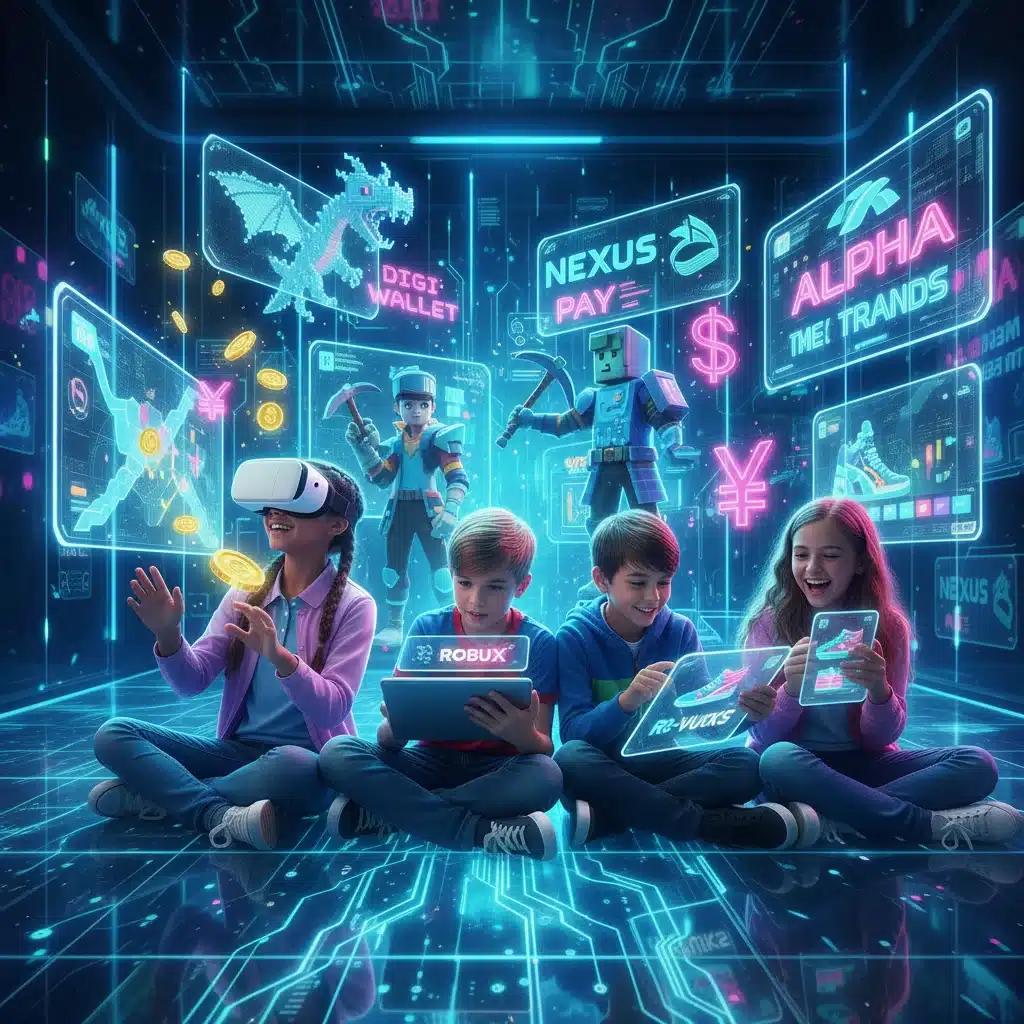
For Gen Alpha, the concept of a ‘store’ extends far beyond physical brick-and-mortar locations or even traditional e-commerce websites. Their shopping experiences are increasingly intertwined with immersive digital environments, particularly the burgeoning metaverse. Platforms like Roblox, Minecraft, and Fortnite are not just games; they are social hubs, creative spaces, and, crucially, burgeoning economies where virtual goods and experiences hold real value. These environments are shaping Gen Alpha spending habits in profound ways.
Consider the phenomenon of in-game purchases. Gen Alpha readily spends on virtual skins, accessories, emotes, and even virtual real estate within these digital worlds. These aren’t seen as frivolous expenditures but as extensions of their identity, status symbols within their digital communities, and tools for self-expression. Marketers need to recognize that the value proposition for Gen Alpha is often less about physical utility and more about digital identity and social currency within their chosen virtual ecosystems.
By 2026, we can expect the metaverse to mature further, offering even more sophisticated and integrated commerce opportunities. Brands that succeed will be those that establish a meaningful presence within these spaces, offering exclusive digital products, sponsoring virtual events, and creating interactive brand experiences that resonate with Gen Alpha’s inherent desire for immersion and participation. Simply porting traditional ads into the metaverse won’t work; authenticity and native integration are key. Understanding their comfort with digital currencies and microtransactions within these spaces is fundamental to grasping Gen Alpha spending habits.
The Rise of ‘Phygital’ Products and Experiences
Beyond purely digital goods, Gen Alpha is also driving the demand for ‘phygital’ products – items that blend physical and digital elements. This could be a physical toy that unlocks exclusive content in a game, or a digital collectible (NFT) that grants access to real-world events or merchandise. This blurring of lines between the physical and virtual is a cornerstone of their consumer behavior. Marketers must explore how to create products and campaigns that bridge these two worlds, offering layered experiences that appeal to Gen Alpha’s holistic digital-physical existence. This dual appeal is a significant aspect of understanding and influencing Gen Alpha spending habits.
2. Creator Economy Influencers: Their Trusted Shopping Guides
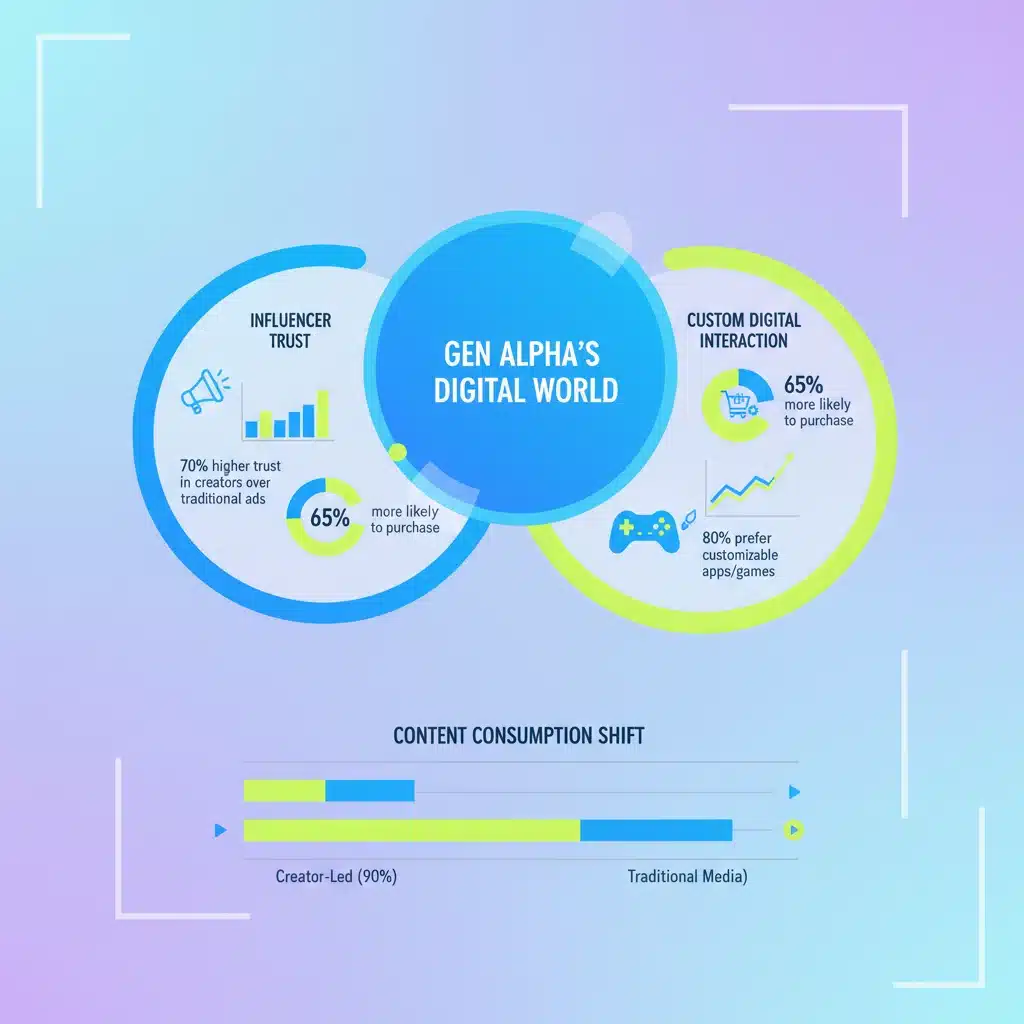
While previous generations might have looked to celebrities or traditional advertising for product recommendations, Gen Alpha places immense trust in content creators. YouTubers, TikTokers, and Twitch streamers are not just entertainers; they are seen as authentic, relatable, and knowledgeable sources of information and inspiration. These creators wield significant influence over Gen Alpha spending habits.
This generation has grown up watching unboxing videos, gameplay streams, and ‘what I bought’ hauls. They are adept at discerning genuine recommendations from overt sponsorships, and their loyalty lies with creators who consistently provide value and transparency. For marketers, this means shifting focus from broad-reach celebrity endorsements to strategic partnerships with micro and nano-influencers who have deeply engaged, niche Gen Alpha audiences. Authenticity is paramount; forced or inauthentic endorsements will be quickly identified and rejected.
By 2026, the creator economy will be even more sophisticated, with direct-to-consumer models emerging from creators themselves. Brands should consider collaborative product development with popular Gen Alpha creators, allowing them to co-create items or experiences that genuinely reflect their audience’s desires. This deep level of collaboration fosters trust and ensures that marketing messages are delivered through voices that Gen Alpha inherently trusts. Tapping into this network is critical for any strategy targeting Gen Alpha spending habits.
The Power of Community and Social Proof
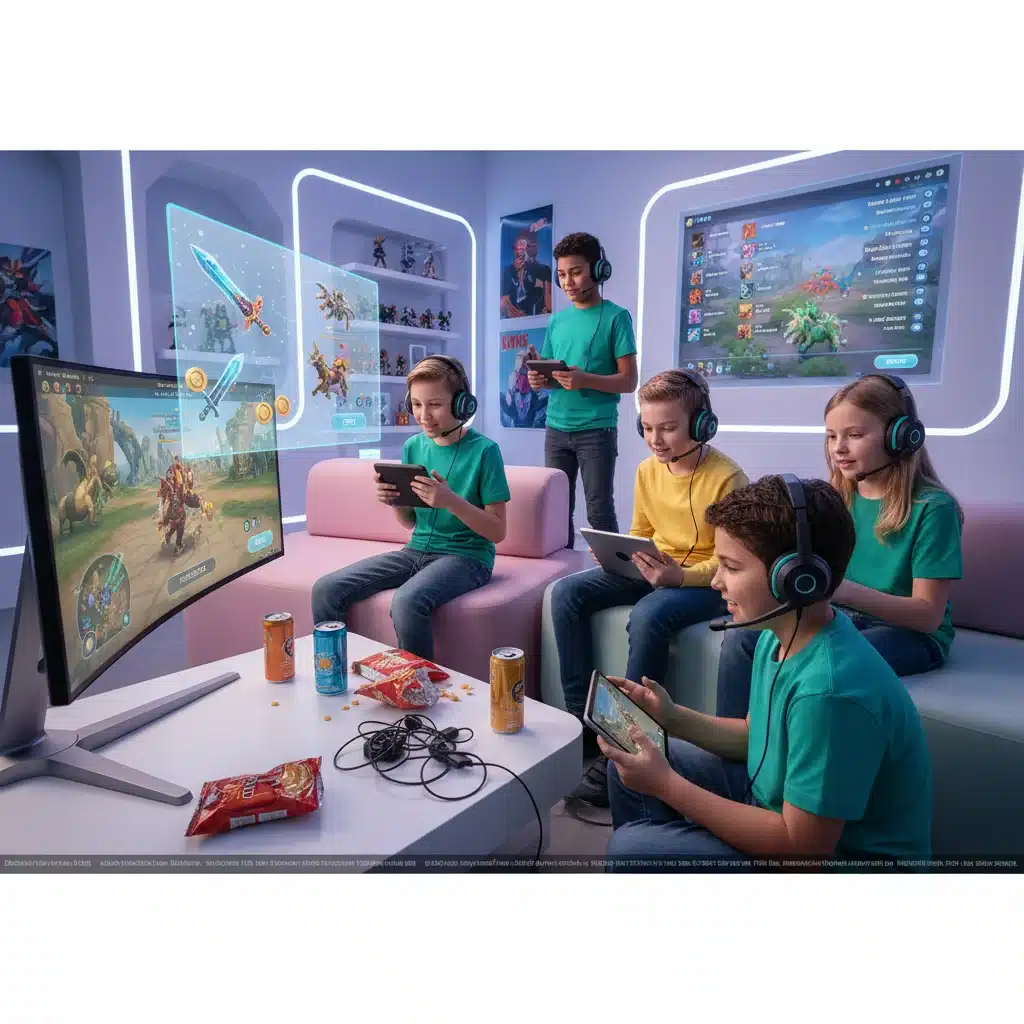
Beyond individual creators, Gen Alpha is also heavily influenced by their peer communities within digital spaces. Recommendations from friends in a gaming chat, trends observed on social platforms, or collective participation in challenges all play a significant role in their purchasing decisions. Marketers need to foster community around their brands, encouraging user-generated content, facilitating peer-to-peer recommendations, and creating spaces where Gen Alpha can share their experiences and influence each other’s Gen Alpha spending habits. Social proof, delivered through their trusted networks, is a powerful driver.
3. Hyper-Personalization and Customization: The Expectation, Not the Exception
Gen Alpha has grown up in an era of algorithms and personalized feeds. From their Netflix recommendations to their TikTok For You Page, they expect digital experiences to be tailored precisely to their individual preferences. This expectation extends directly to their spending habits. Generic, one-size-fits-all marketing messages and products will fall flat.
Marketers must invest heavily in data analytics and AI to understand individual Gen Alpha spending habits and preferences at a granular level. This means offering highly personalized product recommendations, customized shopping experiences, and even opportunities for product customization. Think build-your-own sneakers in a virtual environment, personalized avatars with unique digital accessories, or subscription boxes tailored to specific interests that evolve over time.
By 2026, brands that offer deep personalization will stand out. This isn’t just about putting a customer’s name in an email; it’s about predicting their desires, anticipating their needs, and offering bespoke solutions that make them feel seen and valued. The more control Gen Alpha has over their purchasing journey and the products they acquire, the more engaged and loyal they will become. This bespoke approach is central to capturing Gen Alpha spending habits effectively.
Ethical Data Use and Transparency
While Gen Alpha expects personalization, they are also growing up in an era of heightened awareness around data privacy. Marketers must ensure that their use of data for personalization is transparent, ethical, and clearly communicated. Building trust through responsible data practices will be crucial for maintaining their loyalty and encouraging continued engagement with their Gen Alpha spending habits.
4. Values-Driven Consumption: Purpose Over Pure Profit
Despite their young age, Gen Alpha is incredibly astute and aware of global issues. They are growing up in a world grappling with climate change, social inequality, and technological shifts. This awareness translates into a strong preference for brands that align with their values. Ethical sourcing, environmental sustainability, social justice, and diversity are not just buzzwords for this generation; they are non-negotiable criteria when making purchasing decisions.
Marketers need to move beyond superficial ‘greenwashing’ or performative activism. Gen Alpha can detect insincerity from a mile away. Brands must genuinely embed their values into their core operations, supply chains, and corporate culture. Communicating these values authentically and demonstrating tangible impact will be key to winning their trust and influencing their Gen Alpha spending habits.
By 2026, expect Gen Alpha to actively seek out brands that are transparent about their social and environmental impact. They will support companies that champion causes they believe in and will readily boycott those that don’t. This isn’t just about purchasing a product; it’s about aligning with a brand’s mission and contributing to a better world. Brands that authentically embody purpose will unlock a powerful connection with this generation. This commitment to values significantly shapes Gen Alpha spending habits.
Impact of Parental Values
It’s also important to remember that many Gen Alpha children are still influenced by their Gen Z and Millennial parents, who often share similar values-driven consumption patterns. This parental influence reinforces and amplifies Gen Alpha’s own emerging ethical considerations, making it a dual-pronged imperative for marketers to address. Understanding this intergenerational value transfer is key to deciphering Gen Alpha spending habits.
5. Seamless, Instant, and Frictionless Transactions: The Expectation of Effortless Commerce
Having grown up with one-click ordering, instant downloads, and subscription services, Gen Alpha has an incredibly low tolerance for friction in their purchasing journeys. Any barrier – a slow loading page, a complicated checkout process, or a difficult payment method – is likely to result in abandonment. Their Gen Alpha spending habits are characterized by a demand for speed and simplicity.
Marketers must prioritize seamless user experiences across all digital touchpoints. This means investing in robust e-commerce platforms, optimizing for mobile-first interactions, and offering a variety of convenient payment options, including digital wallets, in-app purchases, and potentially even cryptocurrency as it becomes more mainstream. The expectation is that transactions should be as effortless as sending a text message or liking a post.
By 2026, the brands that offer the most frictionless purchasing experiences will gain a significant competitive advantage. This includes not only the transaction itself but also the entire customer service journey, from easy returns to instant support through AI-powered chatbots. Any point of friction is a point of potential loss. The pursuit of ultimate convenience is a defining characteristic of Gen Alpha spending habits.
The Role of Voice Commerce and AI
As AI and voice technology advance, expect Gen Alpha to increasingly adopt voice commerce. The ability to simply ask a smart device to order a product or subscribe to a service will become commonplace. Marketers should explore how to optimize their products and services for voice search and integrate with AI assistants to provide truly effortless purchasing options. This futuristic approach to commerce will further shape Gen Alpha spending habits.
Conclusion: Preparing for the Gen Alpha Economy
Gen Alpha is not just another generation; they represent a fundamental shift in consumer behavior. Their innate digital fluency, preference for immersive experiences, trust in creators, demand for personalization, values-driven choices, and expectation of frictionless commerce are reshaping the market at an unprecedented pace. For marketers looking ahead to 2026 and beyond, understanding these five key insights into Gen Alpha spending habits is not optional – it’s foundational.
The brands that will thrive in the Gen Alpha economy are those willing to innovate, experiment, and genuinely connect with this generation on their terms. This means embracing the metaverse, fostering authentic creator partnerships, leveraging data for hyper-personalization, committing to genuine social and environmental values, and relentlessly optimizing for seamless digital experiences. The future of commerce is being written by Gen Alpha, and smart marketers will be ready to read and respond to their every digital demand.