Consumer Demand for Transparency: 70% by 2026
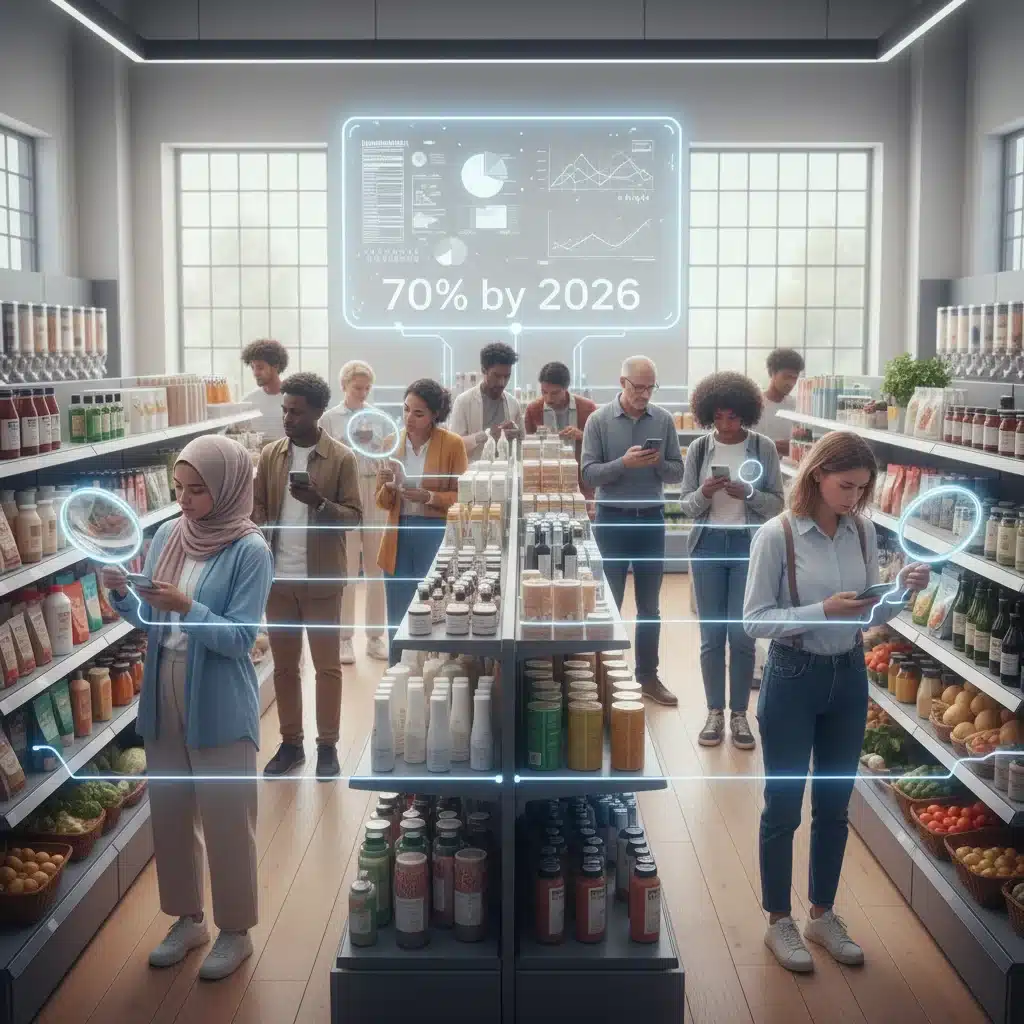
In an increasingly complex and interconnected world, consumers are no longer content with surface-level product information. A seismic shift is underway in the consumer landscape, driven by a profound desire for authenticity, ethical practices, and clear, verifiable details about the products they purchase. This isn’t just a fleeting trend; it’s a fundamental recalibration of consumer expectations. By 2026, a staggering 70% of consumers are projected to demand comprehensive and unambiguous product information. This statistic isn’t merely a number; it represents a powerful force reshaping industries, compelling businesses to re-evaluate their strategies, and challenging the very definition of brand-consumer relationships. The era of opacity is rapidly drawing to a close, giving way to an age where consumer transparency demand is paramount.
For decades, marketing often focused on creating an aspirational image, sometimes at the expense of granular detail. Today, that approach is becoming increasingly untenable. Consumers, armed with instant access to information and a heightened awareness of global issues, are scrutinizing every aspect of a product’s lifecycle – from sourcing and manufacturing to environmental impact and labor practices. They want to know what’s in their food, where their clothes come from, how their electronics are made, and whether the companies they support align with their values. This article delves deep into the drivers behind this escalating consumer transparency demand, explores its multifaceted implications for businesses, and provides actionable insights for brands looking to not just survive but thrive in this new transparent economy.
The Shifting Sands of Consumer Expectations: Why Transparency is Non-Negotiable
The rise of the internet and social media has fundamentally altered the power dynamic between consumers and corporations. Where information was once tightly controlled by brands, it is now freely exchanged, debated, and verified (or debunked) in real-time. This democratization of information has empowered consumers like never before, fostering a culture of informed decision-making and critical inquiry. Several key factors are fueling this intensified consumer transparency demand:
Digital Natives and the Information Age
Younger generations, particularly Millennials and Gen Z, have grown up with information at their fingertips. They are digital natives who instinctively research products, compare reviews, and seek out independent verification before making a purchase. For them, transparency isn’t a bonus; it’s an expectation. They are accustomed to seeing behind the curtain and are quick to call out inconsistencies or evasiveness. This comfort with and reliance on vast amounts of data has made them particularly attuned to whether a brand is genuinely open or merely paying lip service to transparency.
Ethical Consumption and Social Consciousness
Beyond product efficacy and price, a growing segment of consumers is making purchasing decisions based on ethical considerations. They are concerned about fair labor practices, environmental sustainability, animal welfare, and corporate social responsibility. Scandals involving sweatshops, environmental pollution, or misleading claims have eroded trust in many industries, making consumers more vigilant. They want to ensure their money supports businesses that align with their personal values. This ethical imperative is a significant driver of the consumer transparency demand, pushing brands to disclose more about their supply chains and operational ethics.
Health, Wellness, and Ingredient Scrutiny
In the food, beverage, cosmetics, and health industries, the demand for detailed ingredient lists, nutritional information, and allergen warnings has reached unprecedented levels. Consumers are increasingly health-conscious and want to understand exactly what they are putting into or onto their bodies. They are wary of artificial additives, hidden sugars, and potentially harmful chemicals. This scrutiny extends to the origin of ingredients, farming practices, and processing methods. Brands that provide clear, easy-to-understand information about their product’s composition gain a significant advantage, directly addressing a core aspect of consumer transparency demand.
The Erosion of Trust: A Call for Authenticity
In an era of ‘fake news’ and deepfakes, trust has become a precious commodity. Consumers are increasingly skeptical of marketing hype and carefully curated brand images. They crave authenticity and genuine connections with the brands they choose. Transparency acts as a powerful antidote to this skepticism, signaling honesty and integrity. When a brand is open about its processes, challenges, and even its imperfections, it builds a stronger foundation of trust with its audience. This rebuilding of trust is central to meeting the surging consumer transparency demand.
What Does ‘Clear Product Information’ Truly Mean?
The concept of ‘clear product information’ extends far beyond a simple ingredient list. It encompasses a holistic view of a product’s journey and impact. To truly satisfy the consumer transparency demand, businesses must consider:
Ingredient and Component Disclosure
- Full Lists: Not just key ingredients, but all components, including preservatives, dyes, and fillers, especially in food, cosmetics, and pharmaceuticals.
- Sourcing: Where do raw materials come from? Are they ethically sourced? Are there fair trade certifications?
- Allergens & Dietary Information: Clear, prominent labeling for common allergens, as well as dietary restrictions (vegan, gluten-free, etc.).
Manufacturing and Production Processes
- Production Location: Where was the product manufactured?
- Labor Practices: Are workers paid fair wages? Are working conditions safe and ethical? Is child labor prohibited?
- Environmental Footprint: What is the energy consumption, water usage, and waste generation during production?
- Certifications: Are there third-party certifications for organic, sustainable, or cruelty-free practices?
Supply Chain Visibility
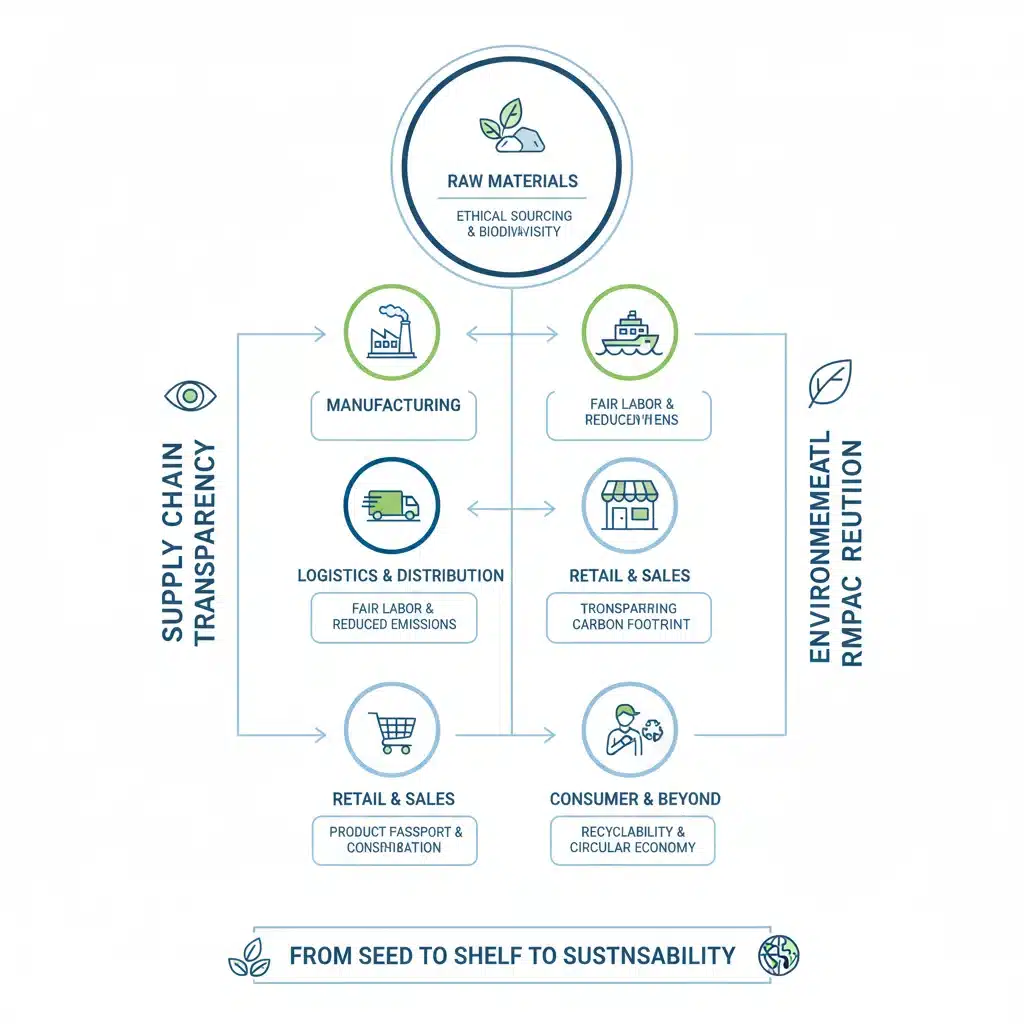
Consumers want to know the entire journey of a product, from farm to shelf. This includes information about suppliers, transportation, and distribution. Blockchain technology is emerging as a powerful tool to provide immutable and verifiable records of a product’s journey, offering unparalleled supply chain transparency. This level of detail is becoming a cornerstone of addressing consumer transparency demand.
Product Performance and Lifecycle
- Durability & Longevity: How long is the product expected to last?
- Repairability: Can the product be easily repaired? Are spare parts available?
- End-of-Life Options: Is the product recyclable, compostable, or designed for circularity?
- Performance Claims: Substantiated evidence for claims made about product effectiveness.
Company Values and Governance
Increasingly, consumers are looking beyond the product itself to the company behind it. They want to understand a brand’s mission, values, and governance practices. This includes diversity and inclusion initiatives, charitable contributions, and corporate leadership. A brand’s stance on social and environmental issues can significantly influence purchasing decisions, highlighting another facet of the broad consumer transparency demand.
The Business Imperative: Adapting to the Transparent Future
Ignoring the escalating consumer transparency demand is no longer an option. Businesses that fail to adapt risk losing market share, brand loyalty, and ultimately, their relevance. Conversely, those that embrace transparency can unlock significant competitive advantages.
Building Unshakeable Trust and Loyalty
Transparency is the bedrock of trust. When consumers feel a brand is open and honest with them, they are more likely to develop a deeper connection and become loyal advocates. Trust translates into repeat purchases, positive word-of-mouth, and resilience during times of crisis. Brands that foster trust through transparency build a formidable competitive moat.
Enhanced Brand Reputation and Differentiation
In a crowded marketplace, transparency can be a powerful differentiator. Brands that proactively share detailed information about their products and practices stand out from competitors who remain opaque. This commitment to openness enhances brand reputation, attracting ethically conscious consumers and positioning the brand as a leader in responsible business practices. Meeting the consumer transparency demand can carve out a unique market position.
Mitigating Risks and Managing Crises
Proactive transparency can help mitigate potential risks and manage crises more effectively. By openly addressing concerns or potential issues before they escalate, brands can prevent negative publicity and maintain consumer confidence. Hiding information, on the other hand, often backfires, leading to public outrage and severe reputational damage. An open dialogue, even about challenges, is far more effective than silence.
Attracting and Retaining Talent
The desire for transparency isn’t limited to consumers; it extends to employees as well. Top talent, particularly younger generations, seeks employers who operate with integrity and purpose. Transparent companies often have stronger internal cultures, higher employee engagement, and lower turnover rates, recognizing that internal transparency often mirrors external consumer transparency demand.
Driving Innovation and Efficiency
The process of gathering and disclosing detailed product information can often reveal inefficiencies or areas for improvement within a company’s operations. By scrutinizing supply chains and production processes, businesses can identify opportunities for greater sustainability, cost savings, and innovation. This internal audit, driven by the need for external transparency, can lead to significant operational benefits.
Strategies for Cultivating Transparency in Your Business
Meeting the 70% consumer transparency demand by 2026 requires a strategic and multifaceted approach. It’s not a one-time fix but an ongoing commitment to openness and accountability.
1. Embrace Data and Technology
- Blockchain: Explore blockchain solutions for immutable supply chain tracking, verifying origin, and ethical sourcing claims.
- QR Codes & NFC Tags: Implement QR codes or NFC tags on products that link directly to detailed product pages, certifications, and sustainability reports.
- Digital Product Passports: Develop comprehensive digital passports for products that provide a complete history and lifecycle information.
- Data Analytics: Utilize data to understand what information consumers are seeking and how they are interacting with transparent content.
2. Communicate Clearly and Consistently
- Dedicated Transparency Hubs: Create a prominent section on your website dedicated to transparency, featuring detailed information, reports, and FAQs.
- Plain Language: Avoid jargon and technical terms. Present information in an easy-to-understand format for a broad audience.
- Multi-Channel Communication: Share transparency efforts across all channels – website, social media, packaging, and in-store displays.
- Regular Updates: Keep information current and provide regular updates on progress, challenges, and new initiatives.
3. Authenticity Over Perfection
True transparency isn’t about claiming perfection; it’s about being honest about your journey, including challenges and areas for improvement. Consumers appreciate authenticity and a genuine commitment to doing better. Share your goals, your setbacks, and your efforts to overcome them. This vulnerability can actually build stronger connections and trust, fulfilling the deeper aspect of consumer transparency demand.
4. Engage and Educate Your Audience
- Interactive Content: Use videos, infographics, and interactive tools to make complex information engaging and accessible.
- Storytelling: Share the stories behind your products – the people, the places, and the processes – to create emotional connections.
- Q&A Sessions: Host live Q&A sessions on social media or your website to directly address consumer questions and concerns.
- Educational Campaigns: Educate consumers on the importance of sustainable practices, ethical sourcing, and informed choices.
5. Involve Third-Party Verification
While self-proclaimed transparency is a start, third-party certifications and audits lend significant credibility. Partner with reputable organizations to verify your claims regarding ethical sourcing, organic ingredients, environmental impact, or fair labor practices. These external validations provide an objective stamp of approval that resonates strongly with discerning consumers.
6. Foster an Internal Culture of Transparency
Transparency must be ingrained in a company’s culture, not just a marketing tactic. Encourage open communication, accountability, and ethical decision-making at all levels of the organization. Employees who understand and believe in the company’s commitment to transparency will be better equipped to communicate it externally and embody its values. This holistic approach ensures that consumer transparency demand is met from the inside out.
Challenges and Considerations
While the benefits of transparency are clear, implementing a comprehensive transparency strategy also comes with challenges:
Complexity of Supply Chains
Many global supply chains are incredibly complex, involving numerous intermediaries. Tracing every component to its origin can be a daunting task, requiring significant investment in technology and partnerships. However, consumers are increasingly expecting brands to overcome these complexities.
Competitive Sensitivity
Some businesses may be reluctant to disclose certain information, fearing it could give competitors an advantage or reveal proprietary processes. Finding the right balance between openness and protecting intellectual property is crucial.
Cost of Implementation
Investing in new technologies, auditing processes, and comprehensive communication strategies can be expensive. However, viewing these as investments in long-term brand equity and consumer trust rather than mere costs is essential.
Managing Negative Information
Transparency means being open about imperfections or areas where a company falls short. This can be uncomfortable, but addressing these issues head-on, along with a clear plan for improvement, is far more beneficial than trying to conceal them. Acknowledging shortcomings can actually enhance credibility and fulfill the nuanced aspects of consumer transparency demand.
The Future is Clear: A Call to Action for Businesses
The prediction that 70% of consumers will demand clear product information by 2026 is a powerful wake-up call for businesses across all sectors. This isn’t a niche market segment; it’s rapidly becoming the mainstream expectation. The brands that proactively embrace this shift, embedding transparency into their core operations and communication strategies, will be the ones that build enduring relationships with their customers, foster unwavering loyalty, and ultimately achieve sustainable success.
The journey towards full transparency may be challenging, but the rewards – in terms of trust, reputation, and competitive advantage – are immense. It requires a fundamental shift in mindset, moving from a culture of ‘need to know’ to one of ‘right to know’. As consumers become more informed, more conscious, and more vocal, the imperative for brands to be open, honest, and accountable will only intensify. The time to act is now. By championing consumer transparency demand, businesses can not only meet evolving expectations but also lead the way towards a more ethical, sustainable, and trustworthy marketplace for everyone.
Embracing transparency is not merely about compliance; it’s about recognizing and respecting the intelligence and values of your customer base. It’s about building a brand that stands for something meaningful beyond its products. The businesses that genuinely commit to providing clear, comprehensive, and verifiable information will be the ones that thrive in the transparent economy of tomorrow, shaping a future where informed choices are the norm, and trust is the ultimate currency.