Work-Life Balance 2026: Navigating US Employment Culture Shifts
The Future of Work-Life Balance: 5 Key Societal Shifts in 2026 US Employment Culture
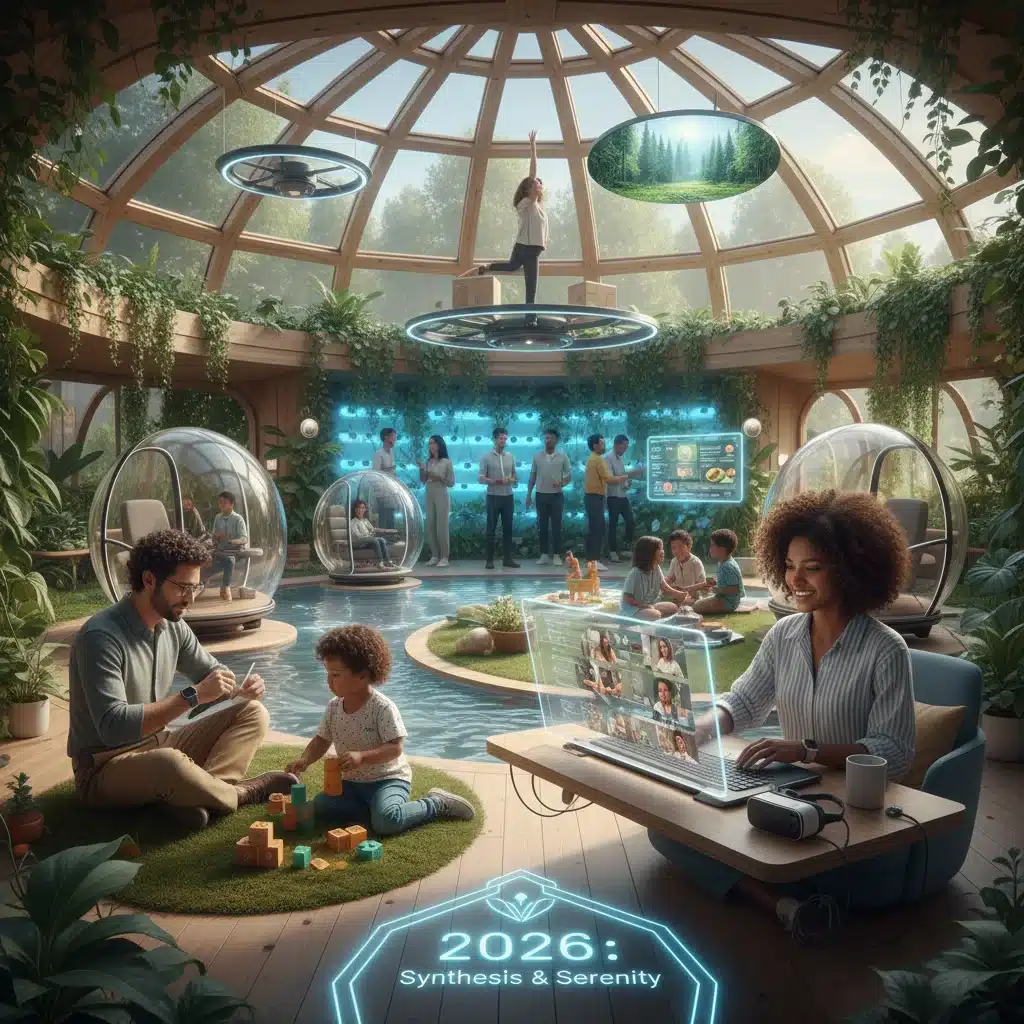
The concept of work-life balance, once a niche topic, has rapidly evolved into a central pillar of career satisfaction and organizational success. As we hurtle towards 2026, the United States employment culture is undergoing profound transformations, driven by technological advancements, demographic shifts, and changing societal values. Understanding these shifts is not merely beneficial; it’s essential for individuals seeking fulfilling careers and for organizations striving to attract and retain top talent. This comprehensive guide will explore five critical societal shifts impacting work-life balance future in the US, offering practical solutions and recent updates to help navigate this dynamic landscape.
The Evolving Definition of Work-Life Balance
Before delving into the shifts, it’s crucial to acknowledge that the very definition of work-life balance has broadened. It’s no longer just about splitting time evenly between professional and personal spheres. Instead, it encompasses a holistic approach to well-being, including mental health, physical health, financial stability, and personal growth. The pandemic accelerated this re-evaluation, forcing many to confront the inadequacies of traditional work models and demand more from their employers and their careers. By 2026, the expectation is not just for flexibility, but for an integrated life where work enhances, rather than detracts from, overall well-being. This redefinition is a cornerstone of the work-life balance future, shaping how policies are crafted and how individuals approach their careers.
Shift 1: The Ubiquity of Hybrid and Remote Work Models
Perhaps the most significant and visible shift is the solidification of hybrid and remote work as standard operating procedures for many industries. What began as a necessity during the pandemic has evolved into a preferred mode of operation for both employees and employers. By 2026, purely office-centric models will be the exception rather than the norm for a vast segment of the knowledge economy. This shift profoundly impacts work-life balance future, offering unprecedented flexibility but also introducing new challenges.
Practical Solutions for Hybrid and Remote Work Success:
- Clear Communication Protocols: Establish clear guidelines for communication channels (e.g., Slack for urgent, email for non-urgent) to prevent constant connectivity and foster digital boundaries.
- Dedicated Workspace & Boundaries: Encourage employees to create a dedicated workspace, even if small, and to set clear start and end times for their workday to avoid burnout.
- Technology for Collaboration & Connection: Invest in robust collaboration tools that facilitate seamless teamwork, but also in virtual social platforms to maintain team cohesion and combat isolation.
- Outcome-Based Management: Shift focus from hours worked to results achieved. This empowers employees with autonomy and trust, crucial for a healthy work-life balance future.
- Regular Check-ins, Not Micromanagement: Managers should schedule regular, meaningful check-ins to discuss progress, challenges, and well-being, rather than constantly monitoring activity.
Recent Updates & Trends:
- "Work from Anywhere" Policies: Some companies are experimenting with allowing employees to work from any location globally for extended periods, further blurring geographical boundaries.
- Four-Day Work Week Trials: Growing interest in and successful trials of a four-day work week, demonstrating increased productivity and employee satisfaction. This directly addresses the demand for better work-life balance future.
- Digital Nomad Visas: Countries are increasingly offering specialized visas for remote workers, acknowledging the global nature of talent.
Shift 2: The Rising Importance of Mental Health and Well-being Support
The stigma surrounding mental health in the workplace is steadily eroding, replaced by a growing recognition of its critical impact on productivity, engagement, and overall work-life balance future. Employers are no longer just offering EAPs (Employee Assistance Programs) as a token gesture; they are actively integrating mental health support into their core benefits and culture. The challenges of the past few years have highlighted the fragility of mental well-being, making proactive support a non-negotiable aspect of modern employment.
Practical Solutions for Enhancing Mental Health Support:
- Comprehensive Mental Health Benefits: Ensure health insurance plans cover a wide range of mental health services, including therapy, counseling, and psychiatric care, with accessible providers.
- Training for Leaders: Equip managers with the skills to recognize signs of distress, initiate supportive conversations, and direct employees to appropriate resources without acting as therapists themselves.
- Promoting "Time Off" Culture: Actively encourage employees to take their vacation time and disconnect. Leaders should model this behavior.
- Mindfulness & Stress Reduction Programs: Offer workshops, subscriptions to meditation apps, or on-site (or virtual) mindfulness sessions to help employees manage stress.
- Flexible Scheduling for Appointments: Allow flexibility for employees to attend mental health appointments without fear of repercussions. This is a crucial element of the work-life balance future.
Recent Updates & Trends:
- Chief Well-being Officers: More companies are creating dedicated roles focused on employee well-being, signaling a strategic commitment.
- AI-Powered Mental Health Tools: Integration of AI chatbots and apps for initial mental health assessments and support, providing accessible, anonymous resources.
- "Right to Disconnect" Policies: Some organizations are implementing policies that protect employees from work-related communications outside of working hours, directly supporting the work-life balance future.
Shift 3: The Demand for Personalized Benefits and Customization
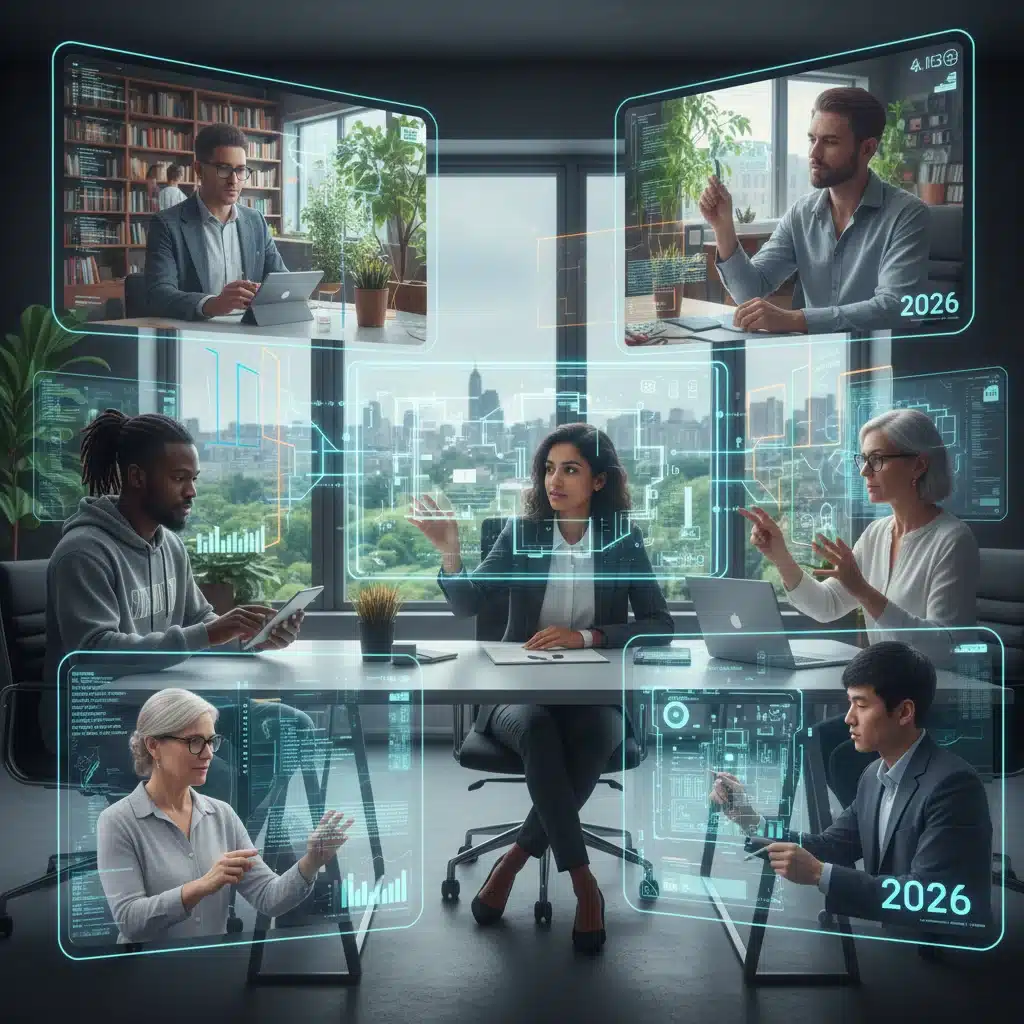
One-size-fits-all benefits packages are becoming obsolete. As the workforce diversifies across generations, life stages, and personal needs, employees expect benefits that can be tailored to their individual circumstances. This shift reflects a broader societal trend towards personalization and consumer choice, now extending into the employment realm. For organizations, offering customizable benefits is a powerful tool for improving work-life balance future and increasing employee loyalty.
Practical Solutions for Personalized Benefits:
- Cafeteria-Style Benefits Plans: Offer a core set of benefits with optional add-ons, allowing employees to choose what best suits their needs (e.g., additional health coverage, student loan repayment, pet insurance).
- Flexible Spending Accounts (FSAs) & Health Savings Accounts (HSAs): Empower employees to manage their healthcare spending with tax-advantaged accounts.
- Lifestyle Spending Accounts (LSAs): Provide a set amount of money that employees can use for a variety of well-being activities, from gym memberships to childcare, financial planning, or even professional development courses.
- Varied PTO Options: Beyond standard vacation, consider offering unlimited PTO for eligible roles, or specific leave types for caregiving, mental health days, or sabbatical programs.
- Educational & Professional Development Stipends: Support continuous learning that aligns with both career growth and personal interests, contributing to a more fulfilling work-life balance future.
Recent Updates & Trends:
- Focus on "Life Event" Support: Benefits packages are increasingly designed to support major life events, such as fertility treatments, adoption assistance, elder care, and bereavement leave.
- Financial Wellness Programs: Beyond traditional retirement planning, companies are offering resources for budgeting, debt management, and financial literacy, recognizing the link between financial stress and overall well-being.
- Subscription-Based Perks: Access to various subscription services (e.g., meal kits, meditation apps, online learning platforms) as part of a flexible benefits offering.
Shift 4: The Rise of AI and Automation in Redefining Workloads
Artificial intelligence and automation are no longer futuristic concepts; they are rapidly integrating into daily work processes. While concerns about job displacement persist, a more nuanced view suggests that AI will increasingly augment human capabilities, taking over repetitive and mundane tasks. This shift has the potential to significantly impact work-life balance future by freeing up human workers for more creative, strategic, and fulfilling work, but it also demands a proactive approach to skill development.
Practical Solutions for Leveraging AI for Work-Life Balance:
- Automate Repetitive Tasks: Identify and implement AI tools for tasks like data entry, scheduling, customer service inquiries, and report generation, allowing employees to focus on high-value work.
- AI-Powered Insights for Efficiency: Utilize AI to analyze workflows and identify bottlenecks, leading to more efficient processes and reduced workload pressure.
- Upskilling and Reskilling Initiatives: Invest in training programs that equip employees with the skills to work alongside AI, focusing on critical thinking, problem-solving, and creativity – skills that AI cannot easily replicate.
- "AI as an Assistant" Mindset: Encourage employees to view AI as a powerful assistant that can offload cognitive load and improve accuracy, rather than a threat.
- Ethical AI Implementation: Ensure AI tools are used responsibly and ethically, with transparency about their function and impact on employee roles, fostering trust. This is crucial for a positive work-life balance future alongside technological advancement.
Recent Updates & Trends:
- Generative AI in Content Creation: Tools like ChatGPT and DALL-E are transforming content generation, marketing, and design, significantly reducing time spent on initial drafts and ideation.
- AI for Personalized Learning: AI-driven platforms are offering customized learning paths for employees, helping them adapt to new technologies and roles more effectively.
- Predictive Analytics for Workforce Planning: AI is being used to predict staffing needs, identify potential burnout risks, and optimize resource allocation, leading to a more balanced workload distribution.
Shift 5: The Emphasis on Purpose-Driven Work and Values Alignment
Beyond compensation and benefits, a growing number of employees, particularly younger generations, are seeking work that aligns with their personal values and contributes to a greater purpose. This isn’t just about corporate social responsibility initiatives; it’s about the fundamental mission and ethics of the organization. A strong sense of purpose can significantly enhance job satisfaction and, by extension, improve work-life balance future by making work feel more meaningful and less like a chore.
Practical Solutions for Fostering Purpose-Driven Work:
- Clearly Articulate Mission & Values: Ensure the company’s mission and values are not just statements on a wall but are actively integrated into daily operations, decision-making, and communication.
- Connect Individual Roles to Greater Impact: Help employees understand how their specific contributions tie into the company’s larger goals and societal impact.
- Support Employee Volunteerism: Offer paid time off for volunteering or organize company-wide volunteer events that align with shared values.
- Ethical Business Practices: Demonstrate a commitment to ethical sourcing, sustainability, diversity, equity, and inclusion, which resonates deeply with purpose-driven individuals.
- Transparency and Authenticity: Be transparent about challenges and successes. Employees appreciate authenticity and want to feel part of solving real-world problems. This plays a significant role in the work-life balance future, as it fosters a sense of belonging and impact.
Recent Updates & Trends:
- ESG (Environmental, Social, Governance) Reporting: Increased scrutiny and demand for companies to report on their ESG performance, influencing investment decisions and talent attraction.
- B Corp Certification: More companies are pursuing B Corp certification, demonstrating a commitment to balancing profit with purpose.
- Activist Employees: The rise of employees advocating for social and environmental change within their organizations, pushing companies to align with broader societal values.
Navigating the Future: Strategies for Individuals and Organizations
The work-life balance future in the US is not a passive outcome but an active creation. Both individuals and organizations have a critical role to play in shaping a more equitable, sustainable, and fulfilling employment culture by 2026.
For Individuals:
- Proactive Skill Development: Continuously learn and adapt to new technologies, especially AI, to remain relevant and take advantage of new opportunities.
- Boundary Setting: Master the art of setting clear boundaries between work and personal life, especially in remote or hybrid settings. This includes managing notifications, defining availability, and sticking to off-hours.
- Advocate for Your Needs: Don’t be afraid to communicate your needs regarding flexibility, mental health support, or personalized benefits to your employer.
- Prioritize Well-being: Make mental and physical health a non-negotiable priority. Integrate mindfulness, exercise, and proper nutrition into your routine.
- Seek Purpose: Actively seek roles and organizations whose values align with your own. Work is a significant part of life; make it meaningful.
For Organizations:
- Embrace Flexibility as a Core Strategy: Move beyond simply offering remote work to truly embedding flexibility into the organizational culture and policies.
- Invest in Holistic Well-being: Develop comprehensive programs that address mental, physical, and financial well-being, recognizing their interconnectedness.
- Personalize the Employee Experience: Shift towards offering customizable benefits and career paths that cater to the diverse needs of your workforce.
- Integrate AI Responsibly: Leverage AI to enhance efficiency and reduce mundane tasks, while investing in upskilling employees to work effectively with these new tools.
- Lead with Purpose and Values: Clearly define and consistently live your organizational mission and values, attracting and retaining talent that seeks meaningful work.
- Foster a Culture of Trust and Autonomy: Empower employees with greater control over how and when they work, focusing on outcomes rather than oversight. This trust is foundational for a healthy work-life balance future.
- Regularly Solicit Feedback: Implement mechanisms for continuous feedback from employees on their work-life balance and well-being, and be prepared to act on it. This iterative approach ensures policies remain relevant and effective.
- Review and Adapt Policies: The employment landscape is constantly changing. Regularly review and update HR policies, benefits packages, and work arrangements to reflect current trends and employee needs.
- Support Manager Training: Equip managers with the skills to lead diverse, distributed teams effectively, focusing on empathy, clear communication, and performance management in a flexible environment.
- Promote Digital Literacy and Healthy Tech Habits: Educate employees on how to use digital tools efficiently and how to avoid digital burnout. Encourage practices like digital detoxes and scheduled screen breaks.
The Economic and Social Imperative of Work-Life Balance
The push for a better work-life balance future is not just a "nice-to-have" but an economic and social imperative. Companies that fail to adapt risk higher turnover, lower productivity, decreased innovation, and damage to their employer brand. Conversely, organizations that prioritize employee well-being and offer genuine flexibility are more likely to thrive in the competitive talent market of 2026 and beyond. A workforce that feels supported, respected, and empowered to integrate their work and personal lives effectively is a more engaged, resilient, and productive workforce. This translates directly into bottom-line benefits, including reduced healthcare costs, improved retention rates, and enhanced creativity.
Conclusion: A New Era of Work-Life Integration
By 2026, the US employment culture will have fundamentally shifted, moving away from rigid, traditional models towards a more fluid, human-centric approach. The five societal shifts discussed – the ubiquity of hybrid work, the rising importance of mental health, the demand for personalized benefits, the impact of AI, and the emphasis on purpose-driven work – are not isolated trends but interconnected forces shaping a new era of work-life integration. Successfully navigating this era requires foresight, adaptability, and a genuine commitment from both individuals and organizations to foster environments where professional success and personal well-being are not mutually exclusive but deeply intertwined. The work-life balance future is bright for those willing to embrace change and innovate.