Great Resignation’s Lingering Impact: 4 Workplace Shifts by Mid-2026

The corporate world is still reeling from the seismic shifts initiated by the Great Resignation Effects. What began as a mass exodus of employees seeking better opportunities, improved work-life balance, and more meaningful roles has evolved into a prolonged period of introspection and transformation for organizations worldwide. While the initial wave of resignations might have subsided, its cultural ramifications are far from over. By mid-2026, we anticipate four significant and enduring workplace shifts that will fundamentally redefine how we work, lead, and engage with our careers.
Understanding the Genesis of the Great Resignation Effects
To truly grasp the future implications, it’s crucial to revisit the roots of the Great Resignation. The COVID-19 pandemic acted as a catalyst, forcing individuals to re-evaluate their priorities. The forced shift to remote work, coupled with increased stress and a desire for greater autonomy, led many to question traditional employment models. Employees sought more than just a paycheck; they craved purpose, flexibility, and a workplace that genuinely valued their well-being. This collective awakening created a ripple effect, empowering workers and forcing companies to confront long-standing issues within their organizational cultures.
The Great Resignation Effects were not uniform across all industries or demographics. Frontline workers, often underpaid and overworked, were among the first to seek change. Knowledge workers, experiencing newfound flexibility, realized the potential for a different kind of work-life integration. The phenomenon highlighted a fundamental disconnect between employee expectations and employer offerings, setting the stage for the transformations we are witnessing today and will continue to see unfold by mid-2026.
The Evolving Power Dynamic: Employee Empowerment at its Peak
One of the most profound and lasting Great Resignation Effects is the irreversible shift in the power dynamic between employers and employees. Historically, employers held the upper hand, dictating terms and conditions. The Great Resignation flipped this script, empowering employees with unprecedented leverage. They are no longer willing to tolerate subpar conditions, unfulfilling work, or a lack of respect. This empowerment extends beyond salary negotiations to encompass demands for flexible work arrangements, robust mental health support, and clear pathways for career growth.
Companies that fail to recognize and adapt to this new dynamic risk losing their top talent and struggling to attract new hires. The employee voice has become a critical component of organizational strategy, influencing everything from benefits packages to corporate social responsibility initiatives. This shift is not a temporary trend; it’s a fundamental recalibration of the employment relationship, underscoring the enduring Great Resignation Effects.
Shift 1: The Ubiquity of Hybrid and Flexible Work Models
The most visible and immediate Great Resignation Effects was the widespread adoption of remote and hybrid work. What started as a necessity during the pandemic has transformed into a preferred mode of operation for many. By mid-2026, we predict that hybrid and flexible work models will become the default for most knowledge-based industries, moving beyond a perk to a fundamental expectation.
This isn’t just about working from home a few days a week. It encompasses a broader spectrum of flexibility: asynchronous work schedules, compressed workweeks, and even location-independent roles. Companies are realizing that mandating a full return to the office often leads to decreased morale and increased turnover. The benefits of flexibility – improved employee satisfaction, reduced commute times, and access to a wider talent pool – far outweigh the perceived challenges.
Navigating the Hybrid Challenge: Culture, Collaboration, and Connectivity
While the benefits are clear, the transition to ubiquitous hybrid models is not without its complexities. Organizations must actively foster inclusive cultures that bridge the gap between in-office and remote employees. This requires intentional strategies for communication, collaboration, and team building. Technology plays a crucial role, but it’s the human element – empathetic leadership, clear expectations, and a focus on outcomes rather than presenteeism – that will ultimately determine success.
The challenge lies in maintaining a cohesive company culture when employees are geographically dispersed. Leaders must invest in tools and practices that facilitate seamless communication and foster a sense of belonging for everyone, regardless of their physical location. This ongoing adaptation to the Great Resignation Effects will define successful organizations in the coming years.
Shift 2: A Holistic Approach to Employee Well-being and Mental Health
Prior to the Great Resignation, employee well-being was often an afterthought, relegated to sporadic wellness initiatives. The pandemic, coupled with the burnout that fueled many resignations, brought mental health and holistic well-being to the forefront. By mid-2026, we will see a fundamental shift towards embedding well-being into the core of organizational strategy, recognizing it as a critical driver of productivity, retention, and overall business success.
This goes beyond offering EAPs (Employee Assistance Programs). It involves creating a culture where mental health is openly discussed, stigmatization is reduced, and resources are readily available and actively promoted. Companies will invest in training managers to recognize signs of burnout, implement policies that encourage work-life boundaries, and provide access to mental health professionals and mindfulness resources. The Great Resignation Effects have made it clear: a healthy workforce is a productive workforce.

From Reactive to Proactive: Prioritizing Employee Health
The shift is from reactive measures (addressing burnout after it occurs) to proactive strategies (preventing burnout in the first place). This includes designing work processes that are sustainable, managing workloads effectively, and fostering a supportive and empathetic leadership style. Organizations will increasingly view employee well-being not as an expense, but as a strategic investment with significant returns. The lasting Great Resignation Effects demand this proactive stance.
Furthermore, the definition of ‘well-being’ is expanding to include financial, social, and physical health, alongside mental health. Companies are exploring comprehensive benefits packages that address these diverse needs, understanding that a holistic approach is essential for attracting and retaining talent in a post-Great Resignation world.
Shift 3: The Ascent of Skills-Based Hiring and Internal Mobility
The traditional emphasis on degrees and years of experience is rapidly giving way to a focus on demonstrable skills and competencies. The Great Resignation Effects exacerbated talent shortages, forcing companies to look beyond conventional hiring pools. By mid-2026, skills-based hiring will be the dominant paradigm, alongside a significant increase in internal mobility and upskilling initiatives.
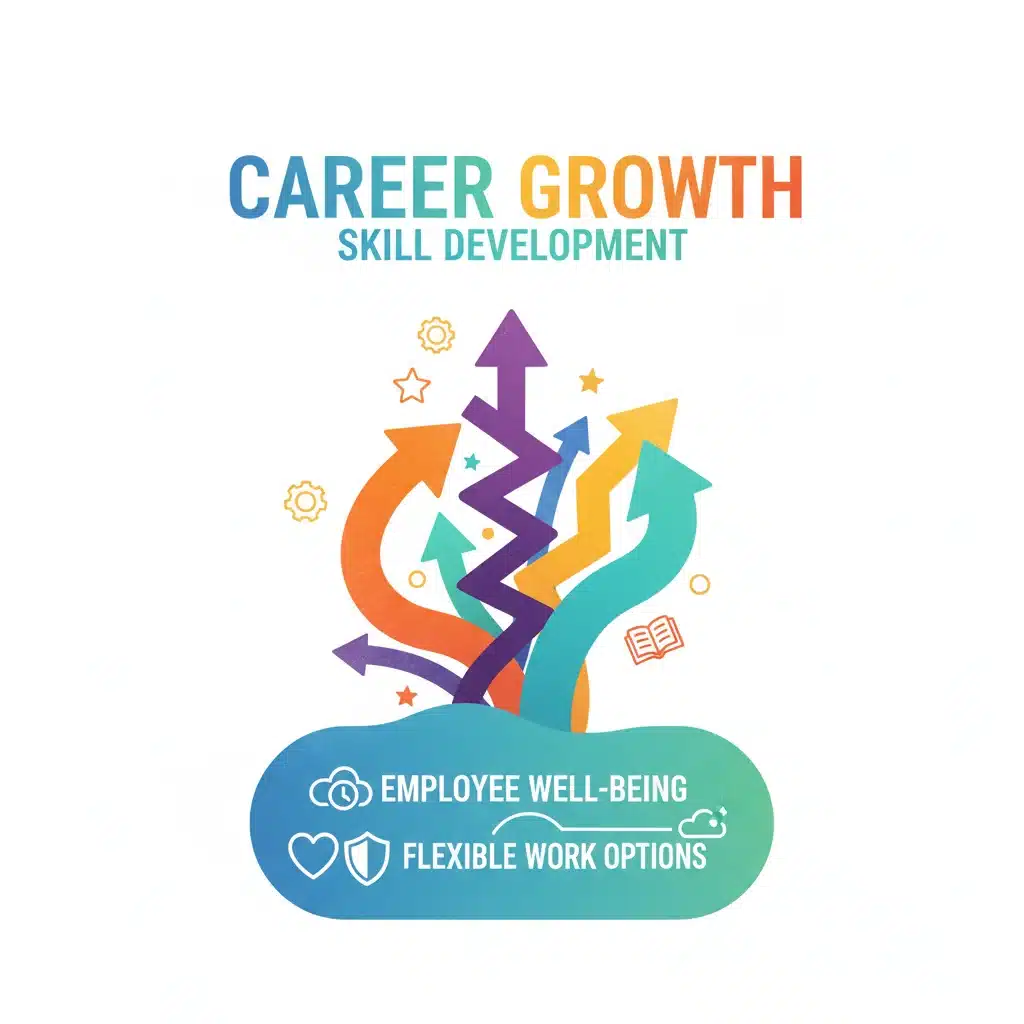
This shift acknowledges that skills can be acquired through various pathways – bootcamps, online courses, volunteer work, or previous roles – not just formal education. It opens up opportunities for a more diverse workforce and allows companies to quickly adapt to evolving technological and market demands. Furthermore, investing in the growth of existing employees through internal mobility and continuous learning programs becomes a powerful retention tool, directly addressing one of the core Great Resignation Effects.
Building a Culture of Continuous Learning and Growth
Organizations will need to implement robust learning and development frameworks that identify skill gaps and provide pathways for employees to acquire new competencies. This includes mentorship programs, access to learning platforms, and opportunities for cross-functional projects. The focus will be on fostering a culture of continuous learning, where employees are encouraged and supported in their professional development journey.
Internal talent marketplaces, where employees can discover new roles and projects within the company based on their skills and interests, will become more common. This not only helps retain valuable talent but also builds a more agile and adaptable workforce, ready to meet future challenges. The strategic importance of this shift cannot be overstated in the context of ongoing Great Resignation Effects.
Shift 4: Values-Driven Leadership and Purpose-Led Organizations
A significant driver behind the Great Resignation was a desire among employees for more purpose-driven work and alignment with organizational values. Many left jobs where they felt disconnected from the company’s mission or perceived a lack of ethical leadership. By mid-2026, we will see an even stronger emphasis on values-driven leadership and the rise of purpose-led organizations as a non-negotiable factor for attracting and retaining top talent.
Employees, particularly younger generations, are increasingly scrutinizing a company’s stance on social, environmental, and ethical issues. They want to work for organizations that demonstrate a genuine commitment to making a positive impact beyond profit margins. This requires authentic leadership that embodies core values, transparent communication, and a clear articulation of the company’s purpose.
The Authenticity Imperative: Leading with Purpose and Empathy
This shift demands more than just corporate social responsibility reports; it requires genuine action and integration of values into every aspect of the business. Leaders must lead with empathy, demonstrating a deep understanding of their employees’ needs and aspirations. They must foster inclusive environments where diverse perspectives are valued and respected. Companies that prioritize purpose alongside profit will not only attract talent but also build stronger, more resilient cultures, a direct outcome of the Great Resignation Effects.
The ability to articulate and live by a clear purpose will become a competitive advantage. It fosters employee engagement, builds trust, and creates a sense of shared mission that transcends daily tasks. This cultural alignment is vital for long-term success in the post-Great Resignation era.
Preparing for the Future: Strategies for Businesses
The Great Resignation Effects are not merely a passing phase; they represent a fundamental recalibration of the employment landscape. For businesses to thrive in this new environment, proactive adaptation is essential. Here are some key strategies:
- Embrace and Optimize Hybrid Models: Invest in technology, training, and cultural initiatives that make hybrid work efficient, equitable, and engaging for all employees. Develop clear guidelines for remote and in-office presence, focusing on flexibility and outcomes.
- Prioritize Holistic Well-being: Move beyond basic wellness programs to embed mental, physical, financial, and social well-being into your organizational DNA. Train managers to be empathetic and supportive, and create a culture where asking for help is encouraged.
- Invest in Skills and Growth: Shift towards skills-based hiring and develop robust internal mobility programs. Offer continuous learning opportunities and empower employees to take ownership of their career development.
- Lead with Purpose and Values: Clearly define your company’s purpose and values, and ensure they are genuinely reflected in your actions, policies, and leadership style. Foster a culture of transparency, empathy, and social responsibility.
- Foster Open Communication and Feedback: Regularly solicit feedback from employees through surveys, one-on-one meetings, and open forums. Act on this feedback to continuously improve the employee experience. This continuous dialogue is crucial in understanding the evolving Great Resignation Effects on your workforce.
- Rethink Compensation and Benefits: While not solely about salary, competitive compensation and a comprehensive benefits package remain critical. Consider benefits that cater to a flexible workforce, such as home office stipends, mental health subscriptions, and enhanced parental leave.
- Build a Strong Employer Brand: In a competitive talent market, your employer brand is more important than ever. Showcase your commitment to employee well-being, flexibility, growth, and purpose to attract and retain top talent.
The Long-Term Impact of the Great Resignation Effects
The Great Resignation Effects are shaping a future where the employee experience is paramount. Companies that proactively adapt to these shifts will not only survive but thrive, building resilient, engaged, and innovative workforces. Those that cling to outdated models risk being left behind in a rapidly evolving talent landscape.
By mid-2026, the workplace will be characterized by greater flexibility, a deeper commitment to employee well-being, a focus on skills over traditional credentials, and a strong emphasis on purpose-driven leadership. These are not incremental changes but fundamental transformations that will redefine the very essence of work. Organizations must view these shifts not as challenges to overcome, but as opportunities to build better, more human-centric workplaces for the future.
The ongoing dialogue between employees and employers, fueled by the initial wave of resignations, has created a new era of accountability. Companies are now expected to deliver on promises of work-life balance, career development, and a supportive environment. The organizations that excel in these areas will be the ones that win the war for talent and build sustainable success in the years to come. Understanding and embracing the Great Resignation Effects is no longer optional; it is a strategic imperative.
The journey of adapting to the lasting Great Resignation Effects is continuous. It requires constant evaluation, open communication, and a willingness to innovate. The future of work is not a fixed destination but an evolving landscape, and those who lead with foresight and empathy will undoubtedly shape its most positive outcomes.