Hyper-Personalization in Retail: Meeting 25% Consumer Expectation by 2026
Hyper-Personalization in Retail: Meeting 25% Consumer Expectation by Mid-2026
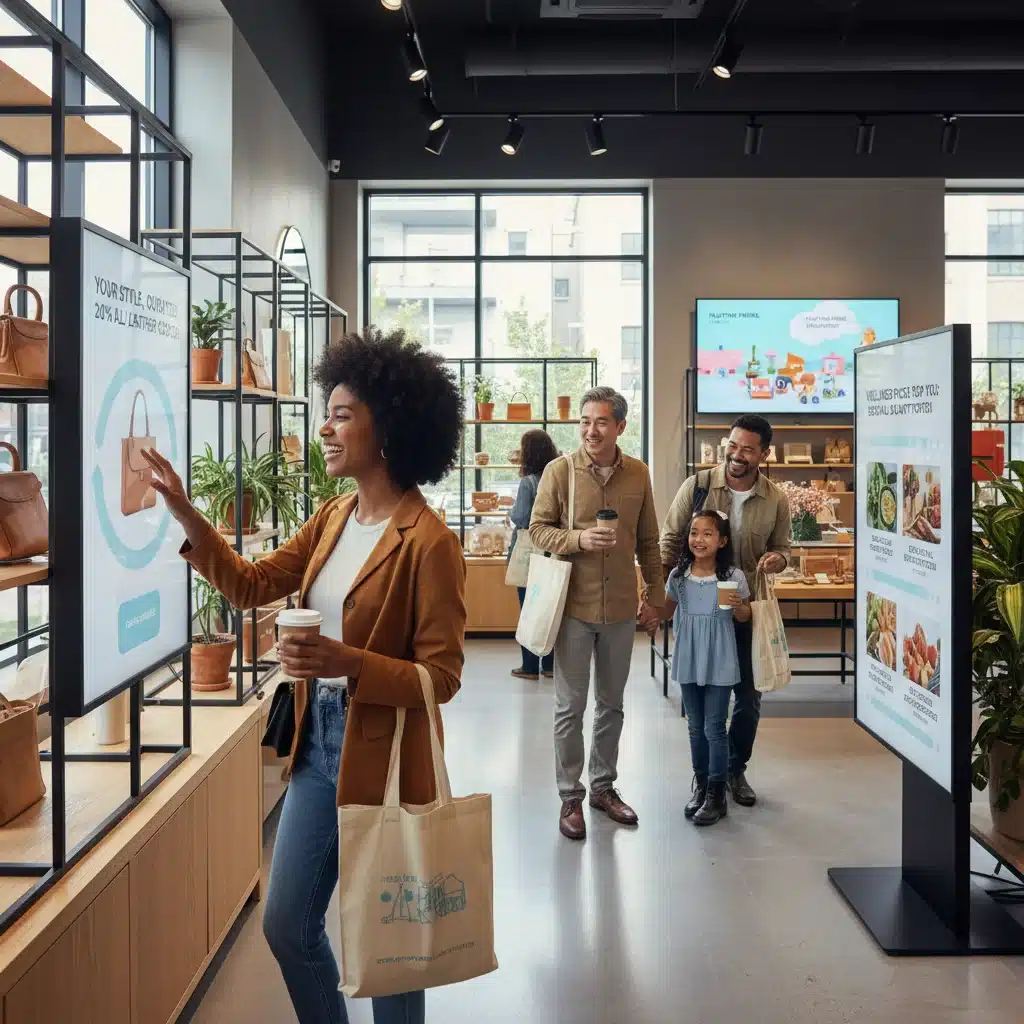
The retail landscape is in a constant state of flux, driven by technological advancements and ever-evolving consumer expectations. In this dynamic environment, one trend stands out as a critical differentiator for businesses: Retail Hyper-Personalization. Gone are the days when a one-size-fits-all approach could guarantee customer loyalty. Today, consumers expect more – they demand experiences that are uniquely tailored to their individual needs, preferences, and behaviors. This isn’t just a niche desire; it’s a mainstream expectation that’s rapidly gaining momentum. Industry forecasts suggest a significant shift, with a staggering 25% of consumers projected to expect hyper-personalized experiences by mid-2026. For retailers, this isn’t merely a prediction; it’s a call to action, an imperative to adapt or risk being left behind.
This comprehensive guide delves deep into the world of Retail Hyper-Personalization, exploring its definition, the driving forces behind its rapid adoption, and the concrete strategies retailers can employ to not only meet but exceed these burgeoning consumer demands. We’ll examine the technological underpinnings, the benefits it offers, and the challenges that must be overcome to truly harness its power. By understanding and implementing effective hyper-personalization strategies, businesses can foster deeper customer relationships, drive engagement, and ultimately, secure a competitive edge in a fierce market.
What is Hyper-Personalization in Retail?
Before we delve into the ‘how,’ it’s crucial to define ‘what.’ While personalization has been a buzzword for some time, Retail Hyper-Personalization takes this concept several steps further. Traditional personalization often involves segmenting customers into broad groups based on demographics or general purchase history and then offering slightly varied content or products. Hyper-personalization, however, leverages real-time data, artificial intelligence (AI), and machine learning (ML) to deliver highly individualized experiences to each customer, at every touchpoint, across their entire journey.
Imagine a scenario where a customer browsing an online store receives product recommendations not just based on what others in their age group bought, but specifically on their past browsing behavior, previous purchases, items they’ve viewed multiple times but not added to cart, their geographic location, the time of day, and even their current mood inferred from their interactions. This level of granular, dynamic tailoring is the essence of hyper-personalization. It’s about understanding the individual customer so intimately that every interaction feels bespoke, relevant, and timely. This goes beyond just product recommendations; it extends to personalized pricing, customized communication channels, unique content, and even tailored in-store experiences.
The Driving Forces Behind the 25% Expectation by 2026
The prediction that 25% of consumers will expect hyper-personalized experiences by mid-2026 isn’t arbitrary. Several powerful forces are converging to create this demand:
1. Digital Natives and Evolving Consumer Behavior
A new generation of consumers, digital natives, has grown up with technology deeply embedded in their lives. They are accustomed to algorithms anticipating their needs on platforms like Netflix and Spotify. This expectation for intelligent, predictive experiences naturally extends to their retail interactions. They have less patience for irrelevant communications or generic product offerings.
2. Data Proliferation and Advanced Analytics
The sheer volume of data generated by consumer interactions – online, in-store, and via mobile devices – is immense. Crucially, advancements in AI and machine learning now allow retailers to process and derive meaningful insights from this data at an unprecedented scale and speed. This technological capability fuels the ability to deliver hyper-personalized experiences.
3. The Amazon Effect and Competitive Pressure
Pioneers like Amazon have set a high bar for personalized shopping experiences. Their sophisticated recommendation engines and seamless customer journeys have accustomed consumers to a certain level of tailored interaction. This ‘Amazon Effect’ has created competitive pressure, forcing other retailers to elevate their personalization game to remain relevant.
4. Increased Choice and Decreased Loyalty
In today’s globalized marketplace, consumers have an overwhelming number of choices. Brand loyalty is no longer a given. Hyper-personalization offers a powerful way for retailers to differentiate themselves, build emotional connections, and foster long-term loyalty by making each customer feel valued and understood.
5. The Rise of Omnichannel Shopping
Consumers seamlessly move between online and offline channels. They might research products on their phone, visit a physical store to try them on, and then complete the purchase later on a desktop. Hyper-personalization ensures a consistent, tailored experience across all these touchpoints, recognizing the customer regardless of the channel they are using.
The Core Pillars of Effective Retail Hyper-Personalization
Achieving true Retail Hyper-Personalization requires a multi-faceted approach built upon several key pillars:
1. Robust Data Collection and Integration
The foundation of any successful hyper-personalization strategy is comprehensive and accurate data. This includes:
- Behavioral Data: Browsing history, clickstream data, search queries, time spent on pages, abandoned carts.
- Transactional Data: Purchase history, order frequency, average order value, product categories purchased.
- Demographic Data: Age, gender, location, income (where available and ethically sourced).
- Preference Data: Stated preferences, wish lists, product reviews.
- Contextual Data: Device used, time of day, weather, current location (for in-store experiences).
- Interaction Data: Email opens, social media engagement, customer service interactions.
Crucially, this data must be integrated across all customer touchpoints into a unified customer profile, often managed through a Customer Data Platform (CDP).
2. Advanced Analytics and AI/ML Capabilities
Collecting data is only the first step. The real magic happens when this data is analyzed using sophisticated algorithms. AI and machine learning models can:
- Predict Future Behavior: Anticipate what a customer might want to buy next.
- Identify Patterns: Uncover hidden correlations and preferences.
- Segment Dynamically: Create micro-segments of customers based on real-time behavior.
- Optimize Recommendations: Continuously refine product and content suggestions.
- Automate Personalization: Deliver tailored experiences at scale without manual intervention.
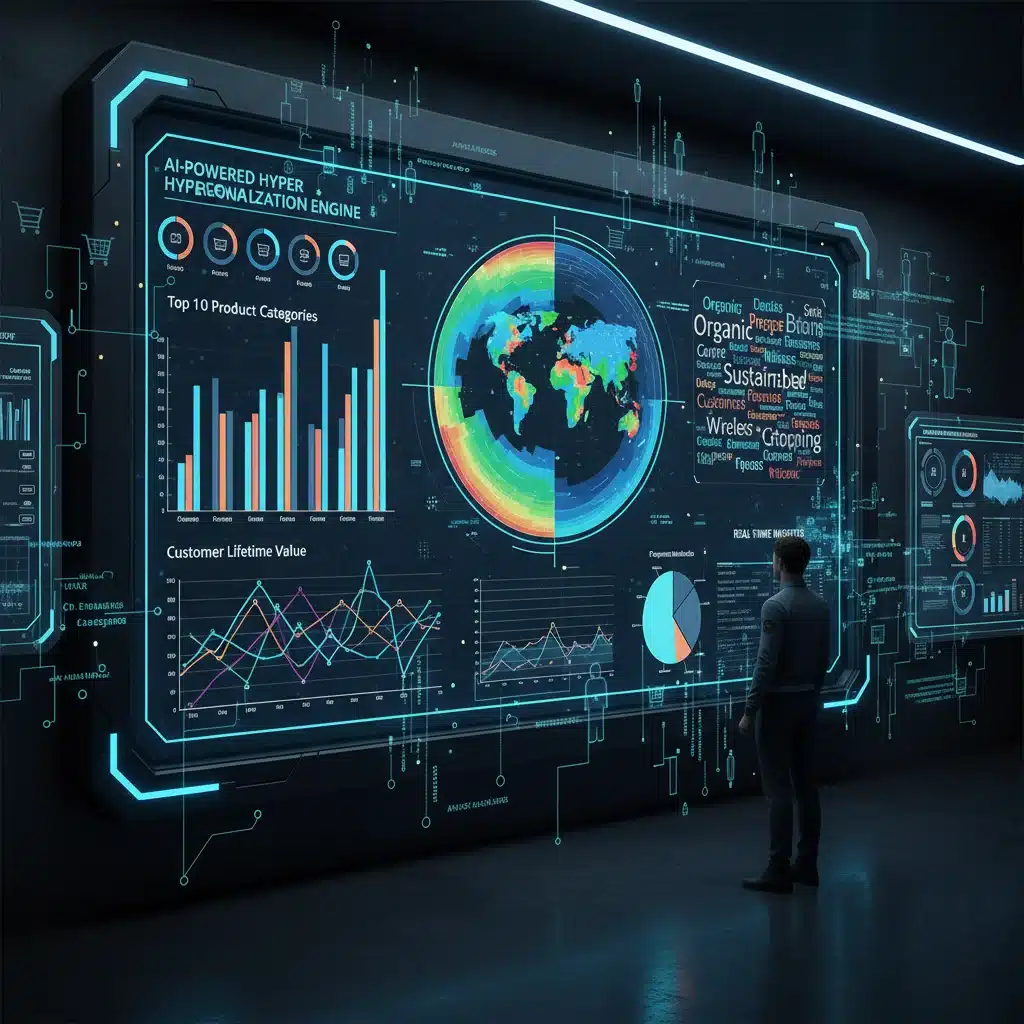
These capabilities move beyond simple rules-based personalization to truly intelligent, adaptive systems.
3. Omnichannel Consistency
Hyper-personalization must extend across all channels – website, mobile app, email, social media, in-store, and customer service. A customer should feel recognized and understood whether they are browsing online or interacting with a sales associate. This requires seamless integration of data and personalized insights across all touchpoints.
4. Real-time Engagement
The ability to react to customer behavior in real-time is critical. If a customer abandons a cart, a personalized email with a gentle reminder or a small incentive sent within minutes can significantly increase conversion rates. Similarly, in-store personalized offers based on current location can enhance the shopping experience.
5. Ethical Data Usage and Transparency
While consumers crave personalization, they also value privacy. Retailers must be transparent about how they collect and use data, ensure robust security measures, and give customers control over their information. Trust is paramount for sustainable hyper-personalization strategies.
Benefits of Embracing Retail Hyper-Personalization
The investment in Retail Hyper-Personalization yields significant returns for businesses:
1. Enhanced Customer Experience and Satisfaction
When experiences are tailored, customers feel understood, valued, and appreciated. This leads to higher satisfaction, a more enjoyable shopping journey, and a stronger emotional connection with the brand.
2. Increased Conversions and Sales
Relevant product recommendations, personalized offers, and timely communications directly translate to higher conversion rates and increased average order values. Customers are more likely to buy when presented with exactly what they want or need.
3. Improved Customer Loyalty and Retention
Hyper-personalized experiences foster deeper relationships, making customers more likely to return for future purchases. This reduces churn and increases customer lifetime value (CLTV), which is crucial for long-term profitability.
4. Higher Engagement Rates
Personalized emails have significantly higher open and click-through rates. Tailored website content keeps visitors engaged longer. This increased engagement across all touchpoints strengthens the brand-customer bond.
5. Optimized Marketing Spend
By targeting specific individuals with highly relevant messages, retailers can reduce wasted ad spend on generic campaigns. This leads to more efficient marketing and a better return on investment (ROI).
6. Competitive Differentiation
In a crowded market, offering truly unique and personalized experiences can set a retailer apart from its competitors, attracting new customers and retaining existing ones.
Implementing Hyper-Personalization: Strategies and Tactics
For retailers looking to meet the 25% consumer expectation by mid-2026, here are actionable strategies:
1. Personalize Product Recommendations
This is perhaps the most common application of hyper-personalization. Go beyond ‘customers who bought this also bought…’ to include:
- Collaborative Filtering: Based on similar users’ preferences.
- Content-Based Filtering: Based on product attributes and user’s past interactions.
- Hybrid Recommendation Systems: Combining both for greater accuracy.
- Real-time Recommendations: Adjusting suggestions as the customer browses.
2. Tailor Website and App Content
Dynamically change website layouts, hero banners, and promotional content based on individual visitor profiles. Show different product categories, discounts, or even entire landing pages depending on who is visiting.
3. Customized Email and SMS Marketing
Segment email lists far beyond basic demographics. Send emails triggered by specific actions (e.g., abandoned cart reminders, browse abandonment emails, post-purchase follow-ups). Personalize subject lines, content, and offers within the email itself.
4. Dynamic Pricing and Promotions
While controversial if not handled carefully, dynamic pricing can offer personalized discounts or loyalty rewards based on a customer’s purchase history, loyalty status, or even their real-time engagement. This requires careful ethical consideration.
5. In-Store Personalization and Clienteling
Leverage technology to bring hyper-personalization to physical stores. This could include:
- Associate Tools: Empowering sales associates with customer data (past purchases, preferences, online browsing history) to offer tailored assistance.
- Beacons and Geofencing: Delivering location-based offers or notifications to customers’ phones as they enter specific store sections.
- Smart Mirrors/Interactive Displays: Offering personalized styling advice or product information.
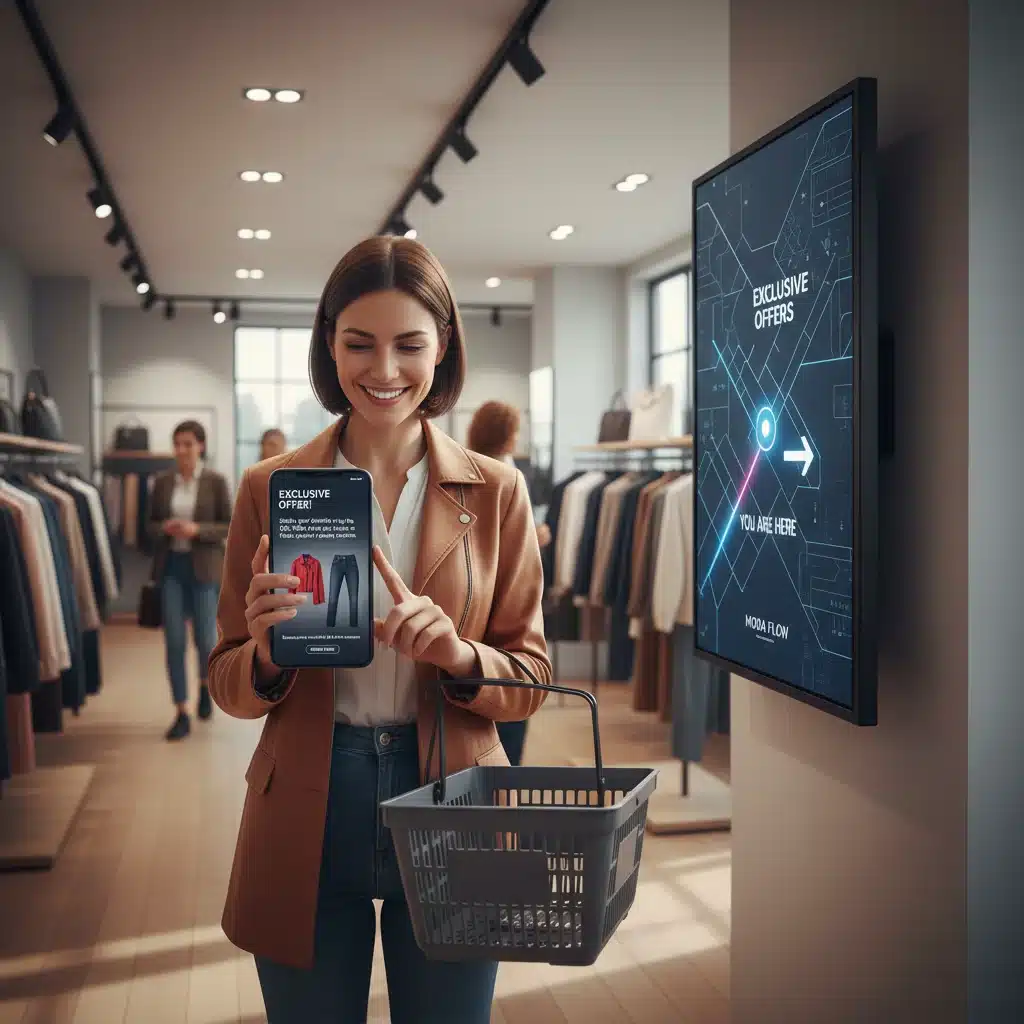
This creates a seamless omnichannel experience where the digital and physical worlds converge.
6. Personalized Customer Service
Integrate customer data into CRM systems so service agents have a complete view of a customer’s history. This allows them to provide more efficient, relevant, and empathetic support, resolving issues faster and offering personalized solutions.
7. Predictive Analytics for Inventory and Demand
Hyper-personalization isn’t just about customer-facing interactions. By understanding individual customer preferences and purchasing patterns, retailers can also optimize inventory management, ensuring popular items are in stock and reducing waste.
Challenges and Considerations
While the benefits are clear, implementing Retail Hyper-Personalization is not without its challenges:
1. Data Silos and Integration Complexity
Many retailers struggle with fragmented data spread across different systems (CRM, ERP, e-commerce platform, POS). Integrating this data into a unified view requires significant technical effort and investment.
2. Privacy Concerns and Trust
Walking the line between helpful personalization and creepy intrusion is crucial. Retailers must be transparent about how they collect and use data, comply with regulations like GDPR and CCPA, and always prioritize customer trust. Opt-in mechanisms and clear privacy policies are essential.
3. Technological Investment and Expertise
Implementing advanced AI/ML platforms, CDPs, and integration tools requires substantial financial investment and access to skilled data scientists and engineers. Smaller retailers may find this a significant barrier.
4. Maintaining Relevance and Avoiding Repetition
Over-personalization or repetitive recommendations can annoy customers. Algorithms need to be sophisticated enough to introduce novelty and avoid showing the same few products repeatedly.
5. Measuring ROI and Proving Value
Attributing specific sales increases directly to hyper-personalization efforts can be complex. Retailers need robust analytics to track key performance indicators (KPIs) and demonstrate the value of their investment.
6. Organizational Change Management
Adopting hyper-personalization often requires a shift in organizational culture, breaking down departmental silos, and fostering a customer-centric mindset across the entire business.
The Future of Retail: A Hyper-Personalized Landscape
The journey towards full Retail Hyper-Personalization is an ongoing one, but the direction is clear. As technology continues to advance and consumer expectations for tailored experiences solidify, retailers who fail to embrace this shift risk obsolescence. The 25% consumer expectation by mid-2026 is not just a statistic; it’s a reflection of a fundamental change in how people want to interact with brands.
Successful retailers will be those who:
- Invest strategically in data infrastructure and AI/ML capabilities.
- Prioritize customer trust and ethical data practices.
- Foster an omnichannel approach, ensuring seamless experiences across all touchpoints.
- Continuously test, learn, and optimize their personalization strategies.
- Empower their teams with the tools and knowledge to deliver personalized service.
By understanding the nuances of Retail Hyper-Personalization and proactively implementing robust strategies, businesses can not only meet but exceed future consumer demands, building resilient brands that thrive in the personalized economy. The future of retail is not just personalized; it’s hyper-personalized, and the time to adapt is now.